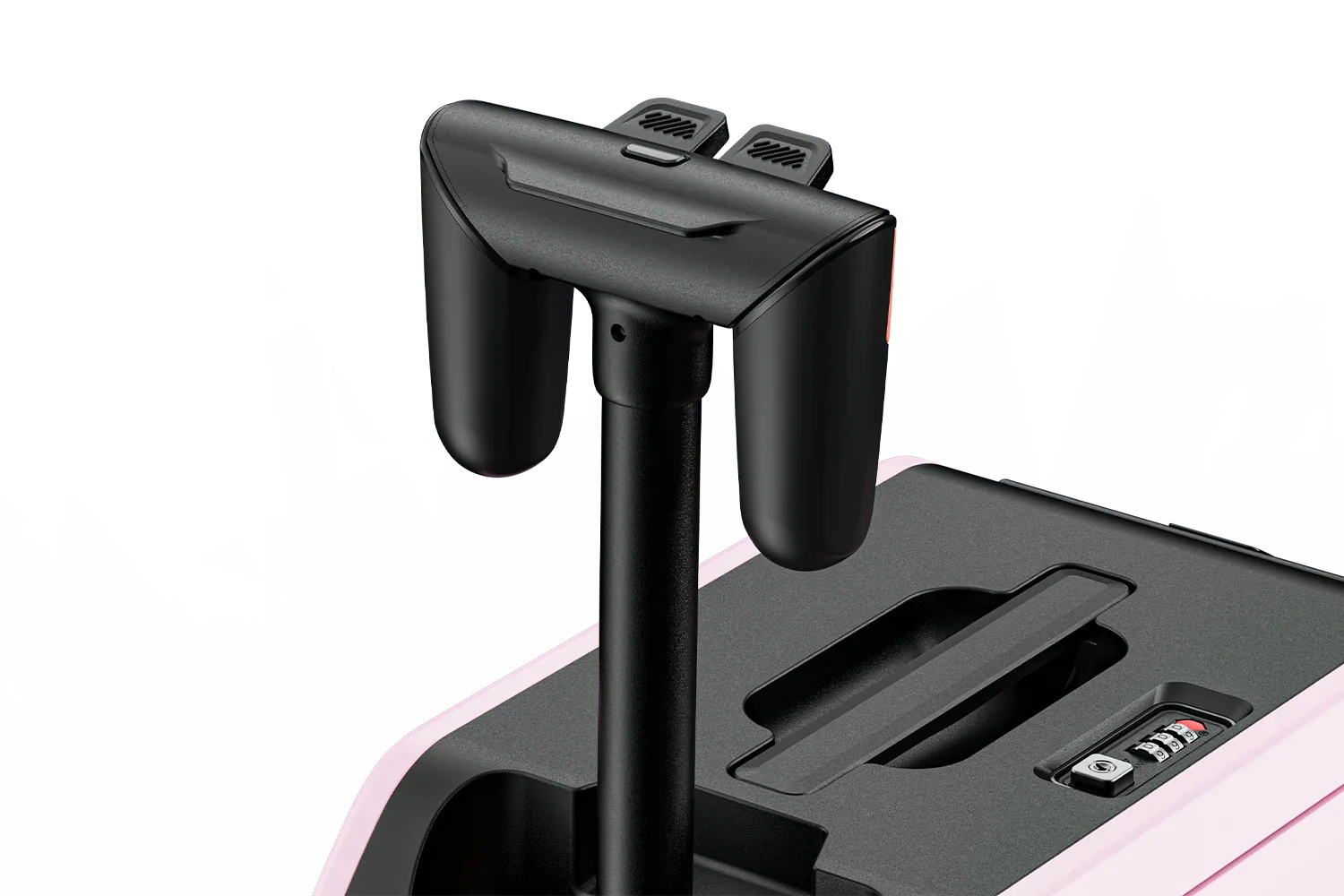

Bosch Cook AI does not really compete with a normal recipe app. That would be too easy. A recipe app tells you what to do, then abandons you the moment heat, timing, texture, and confidence enter the room.
The more realistic comparison is this: Bosch Cook AI versus a premium all-in-one smart cooking robot, the kind of countertop machine that promises guided recipes, controlled heating, stirring, chopping, steaming, and a more self-contained cooking experience.
That is the actual decision buyers are making.
Do you want an AI cooking layer built around your kitchen?
Or do you want a single appliance that tries to become the kitchen?
“The real question is not whether Bosch Cook AI is smarter. It is whether you want intelligence spread across your cooking setup, or concentrated inside one machine.”
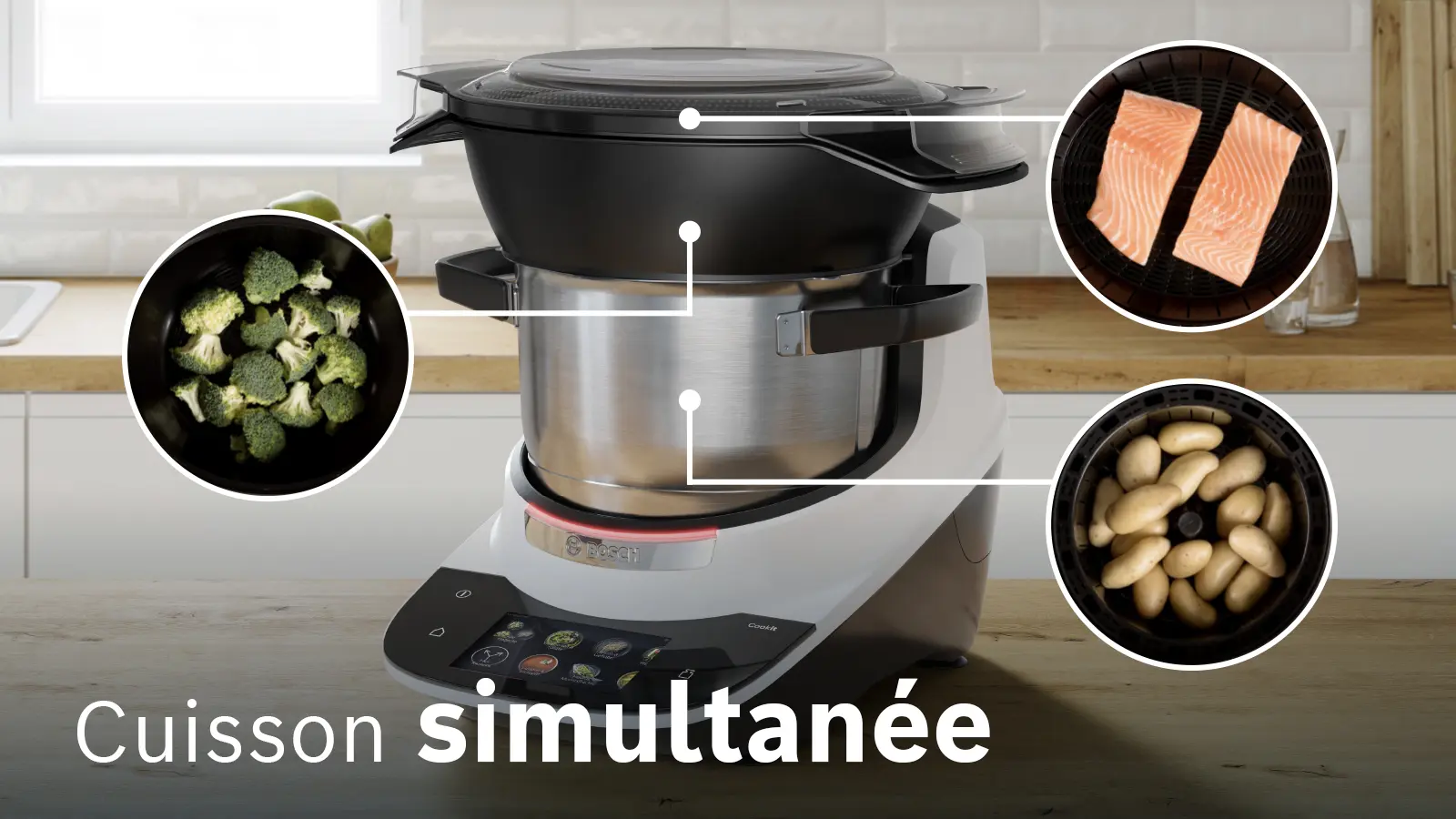
The Real Cross-Shop: Bosch Cook AI vs a Smart Cooking Robot
| Choice | Best For | Main Appeal | Main Risk |
|---|---|---|---|
| Bosch Cook AI | People building a connected premium kitchen | Smarter cooking support across real appliances | Depends heavily on appliance ecosystem and trust in automation |
| Smart cooking robot | People who want one guided countertop machine | Simpler, contained, very approachable | Can feel limiting for serious cooking or full-meal coordination |
This is not a clean “which has more features?” fight. That is checklist theater. The better question is: which one fits the way you actually want to cook?
Because these two products solve the same anxiety in different ways.
That anxiety is simple: I want better results without constantly guessing.
Bosch Cook AI answers that through an AI-assisted cooking system. A smart cooking robot answers it through a controlled machine that takes over many steps.
Same buyer fear. Completely different philosophy.
The Philosophical Difference: Kitchen Intelligence vs Kitchen Replacement
Bosch Cook AI feels like a bet on the future of the kitchen. It assumes your oven, hob, sensors, app, and cooking instructions should work together more intelligently.
A smart cooking robot takes the opposite route. It says: forget the chaos of the kitchen, put the process inside one controlled appliance, and let that machine guide you.
Neither idea is stupid. Annoying, right? We cannot even dismiss one cleanly.
But they serve different personalities.
“Bosch Cook AI is for the cook who still wants a kitchen. A smart cooking robot is for the person who wants fewer kitchen decisions.”
That difference matters more than any isolated feature.
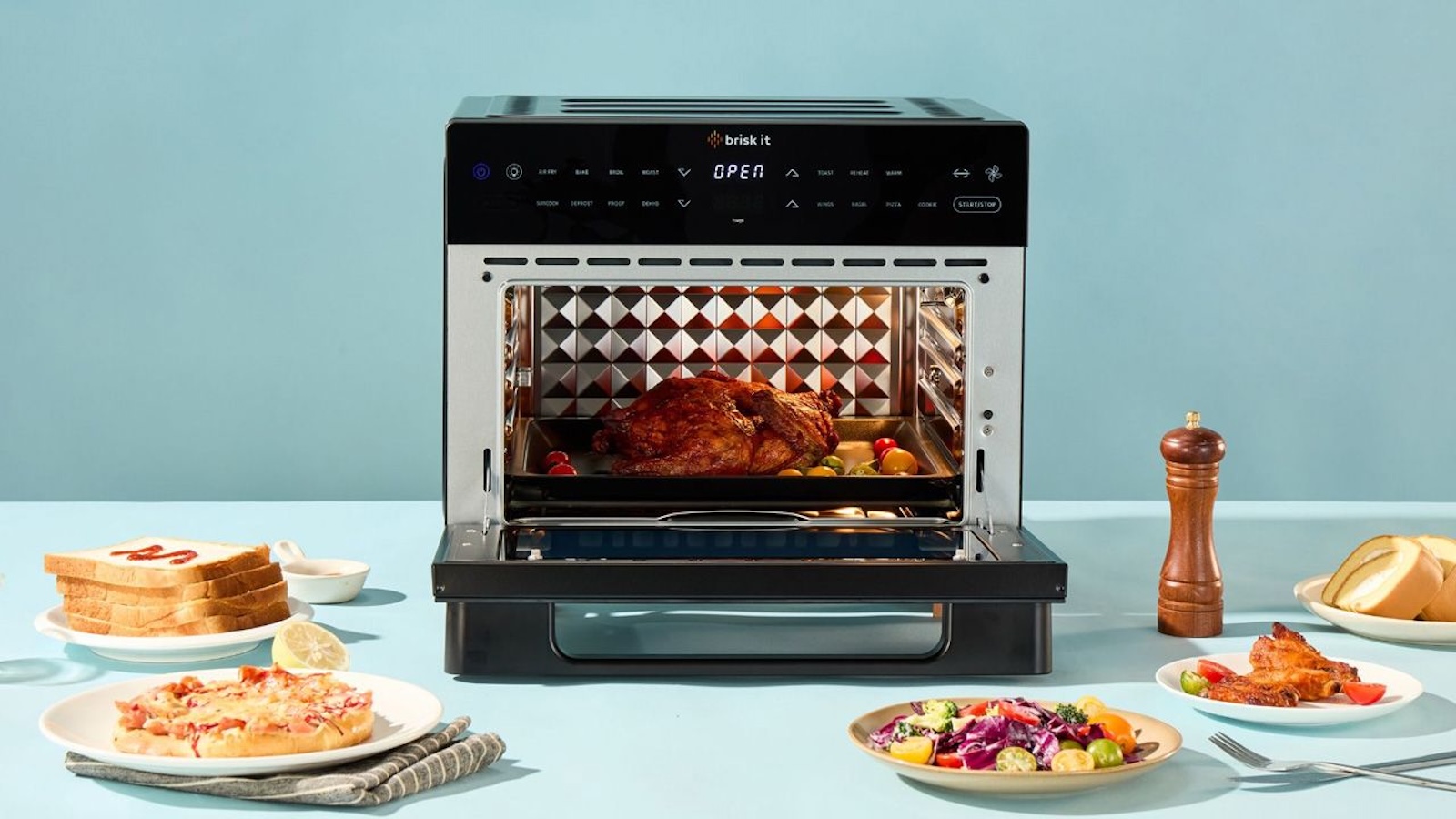
Which One Feels Smarter for Budget-Focused Buyers?
For a budget-focused buyer, the obvious alternative usually feels safer.
A smart cooking robot gives you a clearer purchase logic. You buy one machine. You see what it does. You know where it sits. You understand the role it plays.
Bosch Cook AI may feel harder to justify if it is tied to a wider premium appliance ecosystem. Its value becomes stronger when you are already interested in Bosch connected cooking, not when you are trying to solve dinner with one purchase.
| Buyer Priority | Smarter Lean |
|---|---|
| Lowest commitment | Smart cooking robot |
| One-box solution | Smart cooking robot |
| Long-term connected kitchen investment | Bosch Cook AI |
| Avoiding appliance ecosystem dependence | Smart cooking robot |
For budget buyers, the cheaper or more self-contained option can be “enough” because the goal is usually not culinary expansion. The goal is getting consistent meals with less thinking.
And for that, the countertop robot has a very understandable argument.
“If your main question is ‘How do I make dinner easier this month?’ the smart cooking robot makes more immediate sense.”
Which One Feels Smarter for Quality-Focused Buyers?
This is where Bosch Cook AI becomes more interesting.
Quality-focused buyers are not always looking for the simplest option. They care about control, precision, coordination, repeatability, and how well a product fits into a serious kitchen routine.
A smart cooking robot can produce good results, but it can also feel like cooking inside a controlled box. That is comforting for some people and restrictive for others.
Bosch Cook AI feels more ambitious because it is not trying to replace the cooking environment. It is trying to make the environment smarter.
That matters if you care about:
- Proper oven cooking
- Different doneness preferences
- Using real cookware and appliances
- Cooking larger or more flexible meals
- Coordinating multiple steps instead of following one machine workflow
For quality-focused buyers, Bosch Cook AI has the stronger long-term argument, especially if they already like premium appliances and want guidance without surrendering the whole process.
The Simpler Setup Belongs to the Smart Cooking Robot
Let’s not pretend otherwise.
A smart cooking robot is easier to understand. Put it on the counter. Follow the guided recipe. Let it handle the controlled process.
That simplicity is powerful.
Bosch Cook AI asks for a more connected mindset. It makes more sense when the kitchen itself is part of the system. That can be exciting, but it also raises the barrier.
| Setup Question | Better Choice |
|---|---|
| “I want one appliance to do most of it.” | Smart cooking robot |
| “I already have or want a connected Bosch kitchen.” | Bosch Cook AI |
| “I hate app-based ecosystems.” | Smart cooking robot |
| “I like smart-home cooking automation.” | Bosch Cook AI |
“The smart cooking robot wins the first five minutes. Bosch Cook AI is more about the next five years.”
That is the tradeoff.
One is immediately understandable. The other is potentially more powerful once the kitchen around it supports the idea.
Demanding Use: Bosch Cook AI Has the Bigger Ceiling
For demanding use, Bosch Cook AI makes more sense.
Not because a smart cooking robot is weak. It is not. The best guided cooking machines are genuinely useful. They reduce friction, improve repeatability, and help people cook meals they might otherwise avoid.
But demanding cooking is rarely just about following one recipe in one bowl.
It is about timing, texture, heat, multiple components, preferences, and judgment.
This is where Bosch Cook AI’s broader approach becomes more compelling. A connected AI cooking system can, in theory, help with a fuller cooking experience rather than narrowing everything into one appliance.
A smart cooking robot may win on convenience. Bosch Cook AI has the better argument for people who want cooking assistance without shrinking their cooking style.
Where Bosch Cook AI Wins Clearly
Bosch Cook AI wins when the buyer wants smart assistance without turning cooking into a countertop-machine routine.
Its clearest advantages are not about novelty. They are about fit.
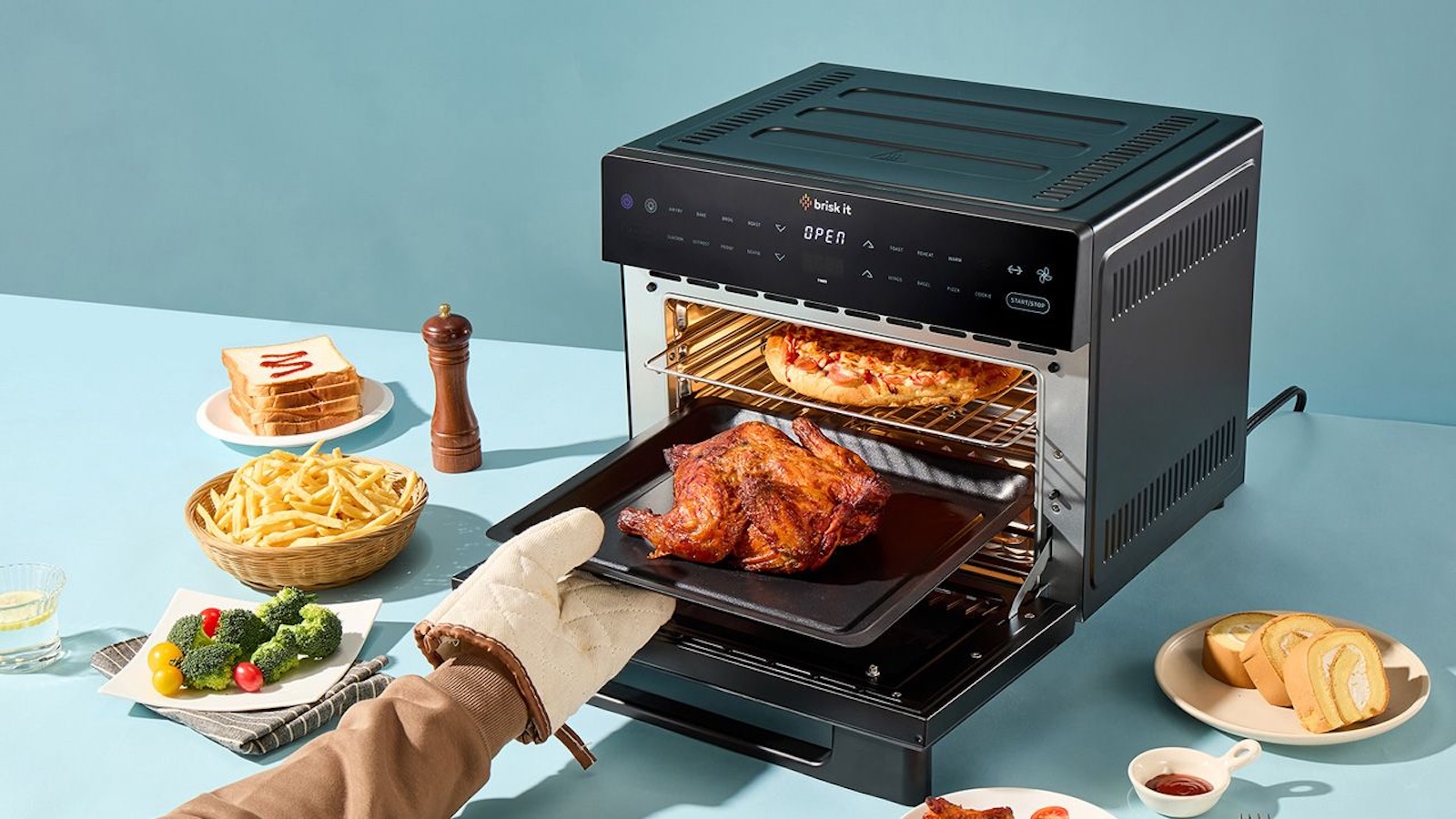
Bosch Cook AI is the better choice if you care about:
- A premium connected kitchen experience
- Using full-size cooking appliances
- AI guidance that supports real cooking
- More flexible meal execution
- Long-term appliance integration
- Cooking confidence without giving up the kitchen
This is the part where Bosch has the cleaner high-end story.
A smart cooking robot is clever. Bosch Cook AI feels more like infrastructure.
“Bosch Cook AI wins when the kitchen itself matters. Not just the recipe. Not just the machine. The whole cooking environment.”
For buyers already moving toward connected premium appliances, that is a meaningful difference.
Where the Smart Cooking Robot Quietly Shows Better Judgment
The smart cooking robot wins when the buyer does not want a project.
That sounds harsh, but it is true. Not every buyer wants their kitchen to become smarter. Some just want Tuesday dinner to stop being a negotiation with chaos.
The smart cooking robot quietly offers better judgment for people who want:
- One machine
- One workflow
- One guided cooking environment
- Less decision fatigue
- Less dependence on multiple appliances
- More predictable beginner-friendly cooking
It may not feel as futuristic, but sometimes the less futuristic option is the more useful one.
“The smart cooking robot is not always the more advanced choice. It is often the more honest one.”
That honesty matters. Especially for buyers who will not fully use a connected AI kitchen system.
The Differences That Actually Matter
Some differences sound important but barely change daily life. Others are the whole decision.
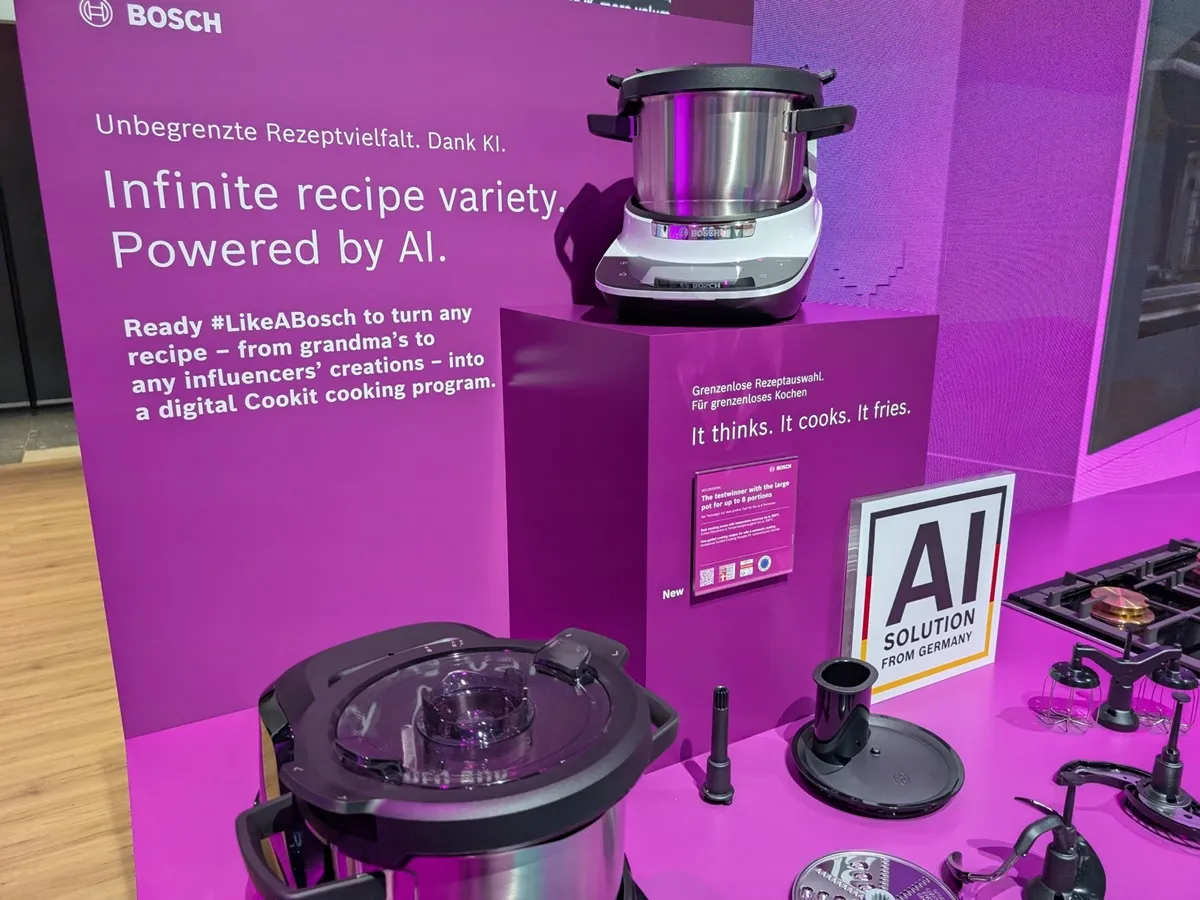
What Really Matters
| Difference | Why It Matters |
|---|---|
| Ecosystem dependence | Bosch Cook AI makes more sense inside a compatible connected kitchen |
| Cooking style | Hands-on cooks may prefer Bosch; routine-focused cooks may prefer the robot |
| Meal complexity | Bosch has more upside for multi-part cooking |
| Learning curve | Smart robots are easier to understand quickly |
| Long-term value | Bosch may age better if the ecosystem improves |
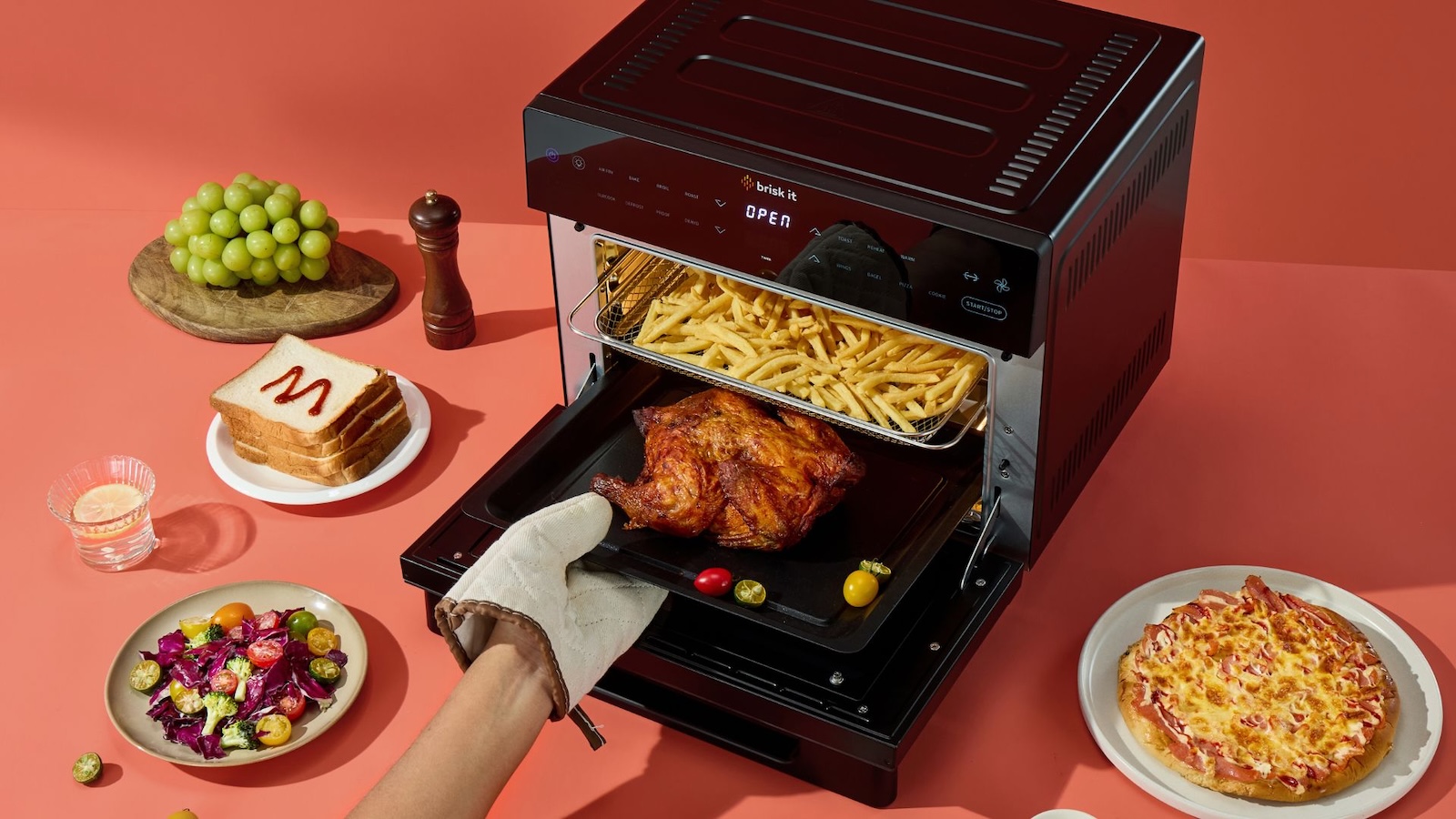
What Matters Less Than People Think
| Difference | Why It Is Overrated |
|---|---|
| “AI” as a label | AI only matters if it improves timing, confidence, and results |
| Recipe quantity | More recipes do not automatically mean better fit |
| App design alone | The appliance behavior matters more than pretty screens |
| Feature count | Cooking success depends on execution, not brochure density |
This is where buyers need to be careful. A long feature list can make both options look convincing. But daily use usually comes down to one thing:
Which system reduces the friction you actually feel?
How the Decision Changes by Buyer Priority
| Your Priority | Better Choice | Why |
|---|---|---|
| Cheapest path to guided cooking | Smart cooking robot | More self-contained and easier to justify |
| Premium connected kitchen | Bosch Cook AI | Better fit for a broader appliance ecosystem |
| Beginner confidence | Smart cooking robot | More controlled and less intimidating |
| Serious cooking support | Bosch Cook AI | More flexible and kitchen-native |
| Small kitchens | Smart cooking robot | One appliance may replace several small tasks |
| Full-size meals | Bosch Cook AI | Better suited to real appliance cooking |
| Low effort weeknight meals | Smart cooking robot | Guided machine cooking is very direct |
| Future-proof kitchen setup | Bosch Cook AI | Stronger long-term smart-home logic |
The buyer’s priority changes the answer completely.
That is why calling one “better” without context is lazy. The right answer depends on whether you want simplification or augmentation.
Is the Cheaper Option Actually Enough?
For many buyers, yes.
The smart cooking robot can absolutely be enough if your goal is easier cooking, not a smarter kitchen. It can guide you, automate repetitive steps, reduce uncertainty, and make meal preparation feel less annoying.
For a busy person, a beginner, a small household, or someone who hates managing multiple cooking steps, that may be more than enough.
The cheaper or simpler option is enough when you do not care about building a connected premium cooking environment.
“Enough” is not an insult. Sometimes enough is exactly what a buyer should buy.
If the smart cooking robot solves the actual problem, paying more for a more ambitious system may just be buying future potential you will not use.
Does the Pricier Bosch Cook AI Path Earn Its Extra Cost?
It can, but only for the right buyer.
Bosch Cook AI earns its extra cost when it becomes part of a kitchen you already value. If you are buying into connected appliances, premium cooking support, and AI-assisted control, then the value is not just one feature. It is the way the system can shape the whole cooking routine.
But if you only want guided recipes and easier dinner prep, the extra cost may feel abstract.
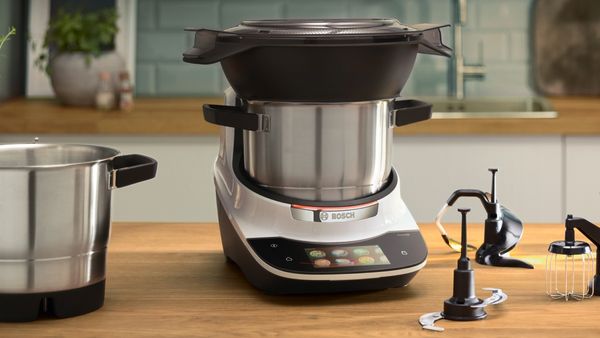
Bosch Cook AI earns its place when:
- You already prefer premium Bosch appliances
- You want AI guidance across real cooking scenarios
- You care about cooking outcomes, not just automation
- You want help without giving up traditional cooking tools
- You are building a kitchen for long-term use
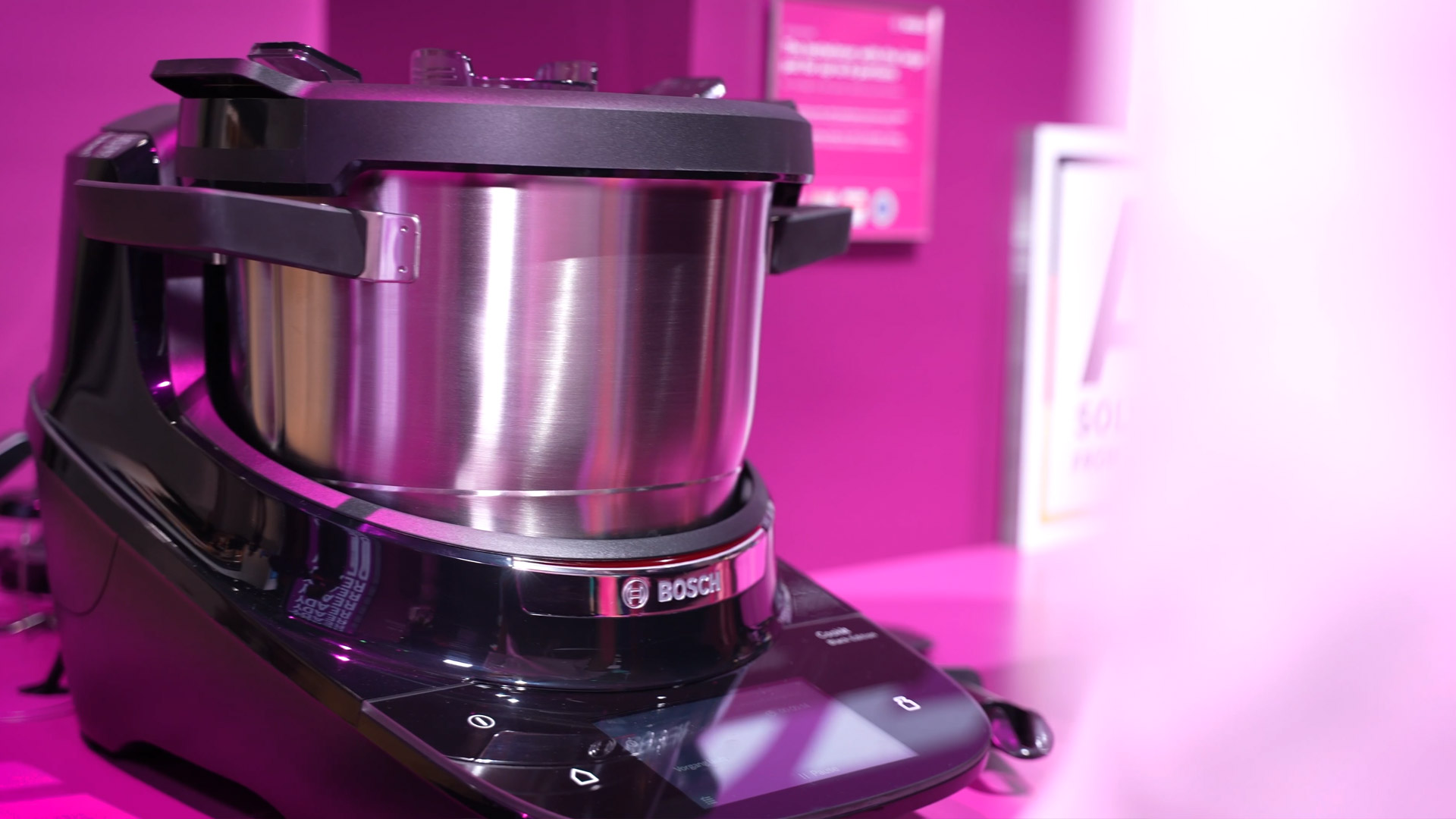
It feels harder to justify when:
- You want one appliance and no ecosystem thinking
- You mainly cook simple meals
- You dislike app-controlled appliances
- You are price-sensitive
- You do not want your cooking routine tied to connected features
The key word is context.
Bosch Cook AI makes more sense as part of a premium kitchen decision than as a standalone convenience purchase.
Which Buyer Is Better Served by Each Side?
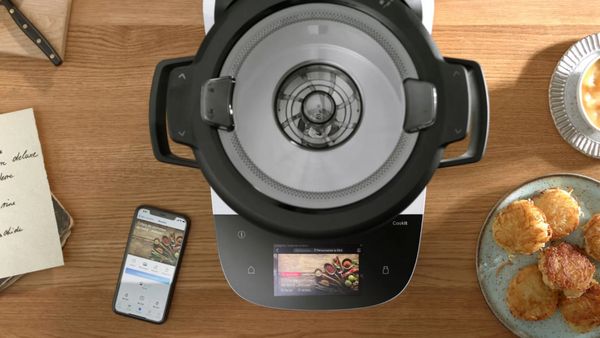
Bosch Cook AI Is Better For
- The connected-home buyer
- The premium kitchen upgrader
- The confident cook who wants smarter support
- The household cooking varied meals
- The person who wants AI to assist, not replace
- The buyer who values long-term appliance integration
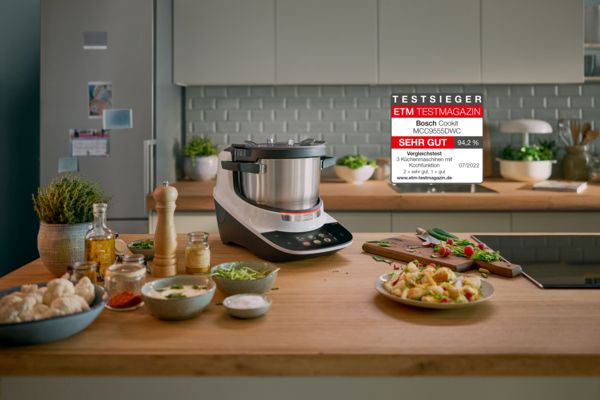
The Smart Cooking Robot Is Better For
- The beginner cook
- The busy weekday meal planner
- The small-kitchen buyer
- The budget-conscious buyer
- The person who wants one guided machine
- The buyer who prefers simplicity over ecosystem depth
“Bosch Cook AI serves the kitchen-minded buyer. The smart cooking robot serves the task-minded buyer.”
That is the cleanest split.
One buyer is thinking, How do I make my kitchen smarter?
The other is thinking, How do I make cooking less work?
Both are valid. They just lead to different purchases.
Final Recommendation: Choose the Cooking Philosophy, Not the Shiniest Technology
Bosch Cook AI is the more ambitious choice. It makes the most sense for buyers who see cooking as part of a broader premium kitchen experience and want intelligent help layered into real appliances.
The smart cooking robot is the more immediately practical choice. It makes the most sense for buyers who want guided cooking, fewer decisions, and a contained machine that reduces daily meal friction without requiring a larger ecosystem.
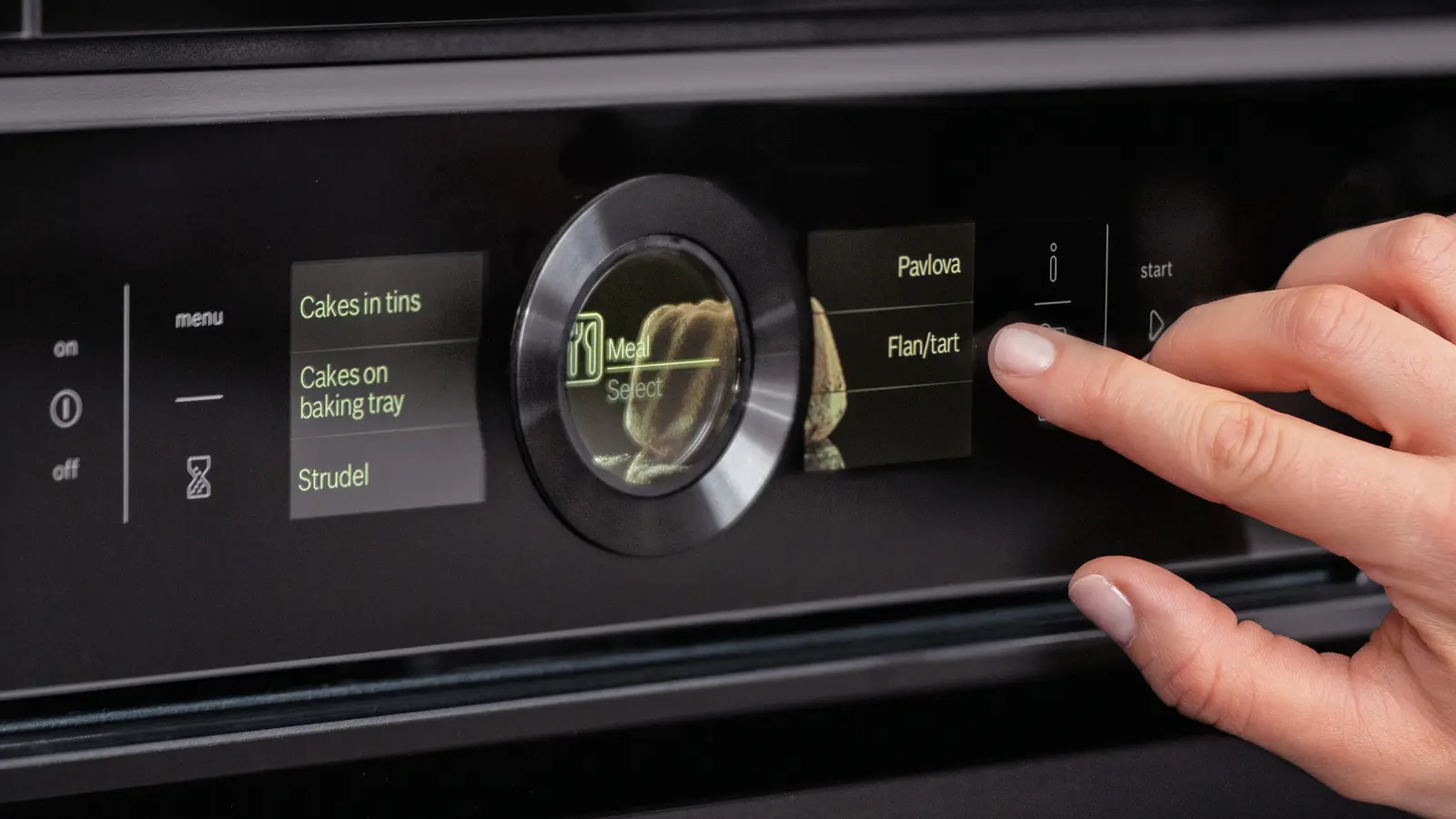
The WeTestedThis Verdict
| Choose This | If You Want |
|---|---|
| Bosch Cook AI | A smarter premium kitchen experience with AI-assisted cooking support |
| Smart cooking robot | A simpler, self-contained way to make cooking easier now |
Our judgment is simple:
Buy Bosch Cook AI if you are investing in the kitchen, not just the meal.
Choose the smart cooking robot if your real goal is controlled convenience with fewer moving parts.
“Bosch Cook AI is the more future-facing choice. The smart cooking robot is the more straightforward choice. The winner depends on whether you want your kitchen to become smarter, or your cooking to become simpler.”
And that is the decision most buyers should make before they get distracted by the word “AI.”
Explore the Bosch Cook AI Gallery
Every image from this article, gathered in one clean place. Tap any photo to open it larger.