
Most buyers looking at BLUETTI FridgePower are not really asking, “Is this the most powerful battery I can buy?”
They are asking something much more practical:
“When the power goes out, do I want a dedicated fridge backup that disappears into the kitchen routine, or a regular portable power station that can do a bit of everything?”
That is the real comparison. Not FridgePower versus some imaginary perfect product. Not a shallow spec sheet fight. The obvious alternative is a traditional portable power station from the usual camping, emergency backup, and home power brands.
And that choice is more interesting than it looks.
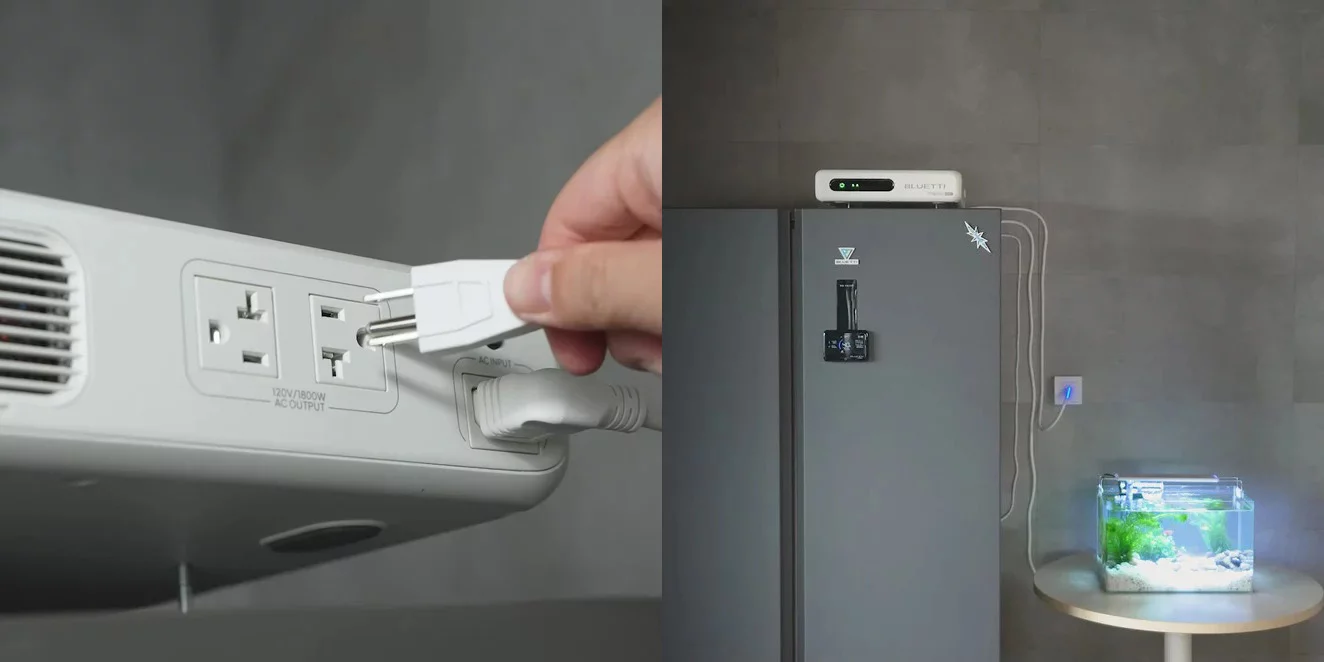
The Real Cross-Shop: FridgePower vs a Standard Portable Power Station
| Buyer Question | BLUETTI FridgePower | Regular Portable Power Station |
|---|---|---|
| Main purpose | Keep the refrigerator powered during outages | Power many devices in many places |
| Best location | Kitchen, garage, pantry, utility space | Anywhere: home, car, campsite, workshop |
| Setup style | More appliance-like and semi-permanent | More portable and flexible |
| Buyer mindset | “Protect my food automatically” | “Give me emergency power for everything” |
| Strongest appeal | Simplicity and fridge-first design | Versatility and broader usefulness |
| Weakest point | Narrower mission | More clutter, more manual planning |
“FridgePower makes the most sense when the refrigerator is not one of many devices — it is the reason you are buying backup power in the first place.”
Why These Two Products End Up in the Same Decision
A normal portable power station can run a refrigerator. That is exactly why FridgePower has to be judged carefully.
For many households, the fridge is the first appliance they worry about during an outage. Food spoils, medicine may need cooling, and nobody wants to wake up to a warm freezer because the battery was stored in the garage, half-charged, under a pile of camping gear.
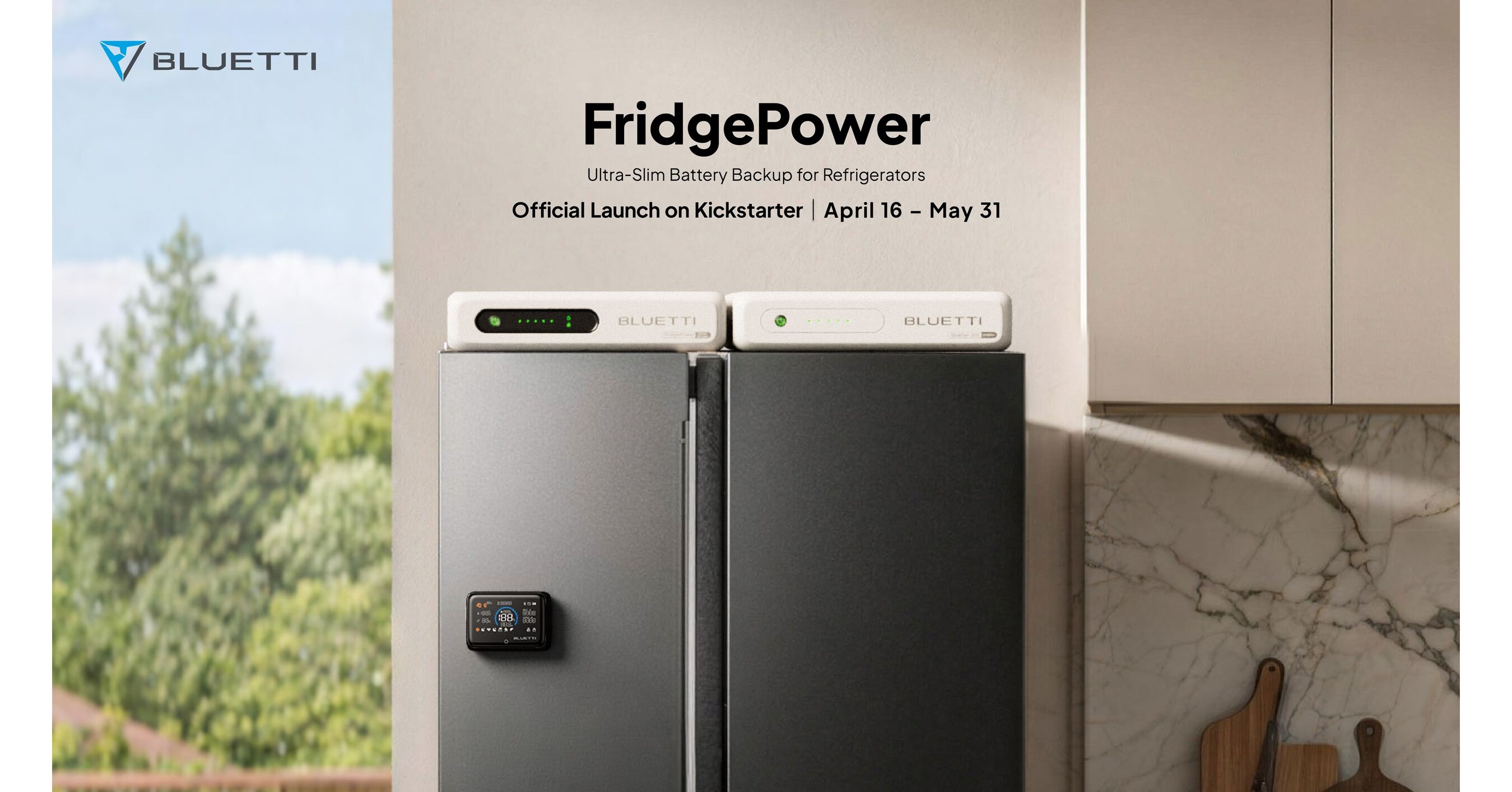
That is where BLUETTI FridgePower tries to change the decision. It is not trying to be the most adventurous portable battery. It is trying to become part of the refrigerator setup itself.
A standard power station says:
“Use me wherever you need power.”
FridgePower says:
“Put me near the fridge and stop thinking about it.”
That difference matters more than raw output numbers for the buyer who wants refrigerator backup power without building a mini emergency system every time the lights go out.
The Biggest Philosophical Difference
The main difference is not battery capacity. It is intent.
A regular portable power station is a flexible tool. You move it around, plug different things into it, recharge it for trips, use it during outages, maybe take it camping, then bring it back home.
BLUETTI FridgePower is more like an appliance companion. Its purpose is narrower, but cleaner: stay close to the refrigerator, be ready, and reduce the human part of the emergency.
| Philosophy | What It Really Means |
|---|---|
| FridgePower | “Dedicated backup for one critical household job.” |
| Portable power station | “General backup power for many possible jobs.” |
This is the heart of the choice.
If you want maximum flexibility, the regular power station wins.
If you want less thinking during an outage, FridgePower becomes more convincing.
Which One Feels Smarter for Budget-Focused Buyers?
For budget-focused buyers, the regular portable power station usually feels smarter at first.
You can often find a power station with strong capacity, multiple ports, solar input, car charging, and enough output for several emergency needs. It may not be as elegant beside a fridge, but the value argument is obvious: one box, many uses.
FridgePower is harder to justify if your budget is tight and you only experience short outages a few times per year.
Budget buyers should ask themselves one blunt question:
“Am I paying extra because this solves a real daily worry, or because the idea feels cleaner?”
For some people, the cleaner idea is worth it. For others, the money is better spent on a more flexible battery that can power the fridge, Wi-Fi router, lights, laptop, fan, and phone chargers.
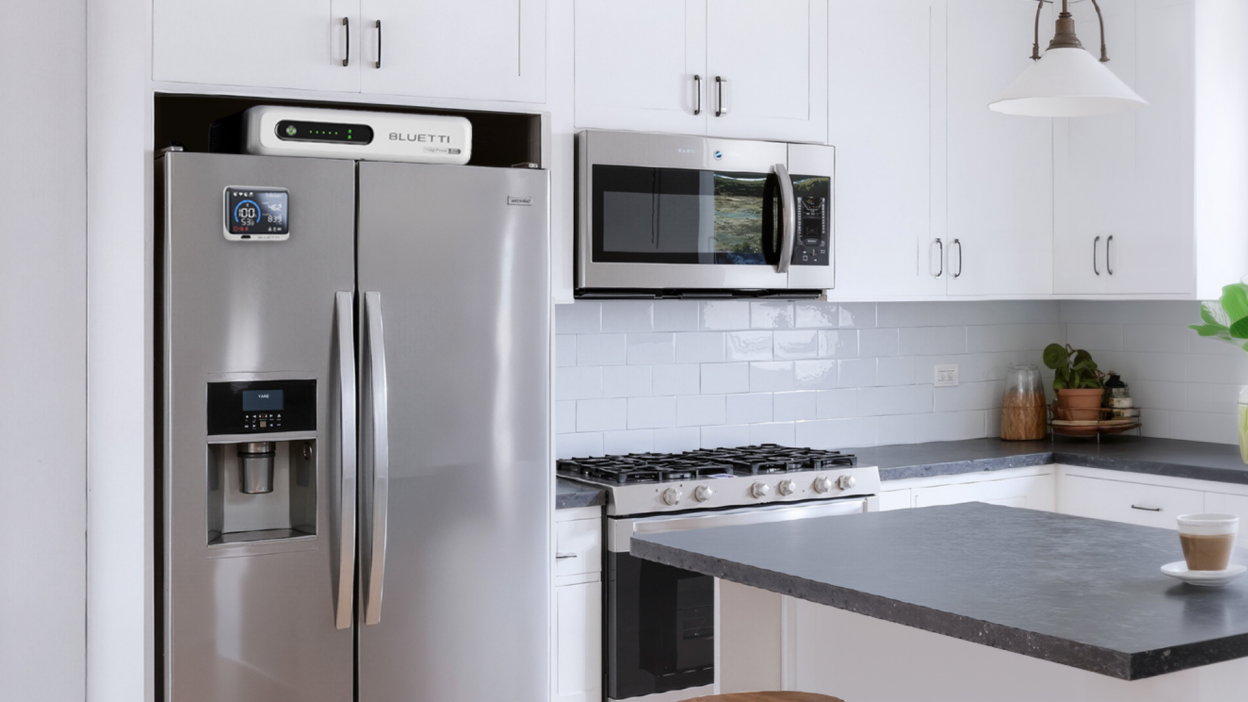
Budget Verdict
| Buyer Type | Smarter Choice |
|---|---|
| Rare short outages | Regular portable power station |
| Already owns a power station | Probably skip FridgePower |
| Only cares about the fridge | FridgePower becomes easier to defend |
| Wants one battery for many uses | Regular portable power station |
Which One Feels Smarter for Quality-Focused Buyers?
Quality-focused buyers may see FridgePower differently.
They are not only buying watt-hours. They are buying a cleaner system. A fridge-first product reduces the ugly little problems that happen in real emergencies: misplaced cables, dead batteries, manual switchover, poor placement, and family members who do not know which plug goes where.
A regular power station can be excellent, but it still behaves like a portable device. FridgePower feels more like a purpose-built backup layer.
“The quality argument for FridgePower is not that it does more. It is that it does one important thing with less friction.”
For buyers who care about appliance protection, household readiness, and a more permanent setup, FridgePower feels more premium in the right way.
Not luxurious. Not flashy. Just calmer.
Which One Suits the Simpler Setup Better?
This is where FridgePower has its clearest argument.
A simple setup is not always the cheapest setup. A simple setup is the one people will actually maintain.
With a regular portable power station, the user has to think about:
- Where to store it
- Whether it is charged
- Whether it is close enough to the fridge
- Whether the fridge plug can reach it
- Whether someone remembered to switch things during the outage
- Whether it is being used elsewhere when the power cuts
FridgePower is designed to remove many of those questions.
If the buyer wants a set-it-near-the-fridge-and-forget-it experience, FridgePower makes more sense.
Simplicity Scorecard
| Setup Factor | FridgePower | Regular Power Station |
|---|---|---|
| Kitchen-friendly placement | Strong | Mixed |
| Fridge-first readiness | Strong | Depends on user habits |
| Multi-room usefulness | Limited | Strong |
| Family-friendly operation | Strong | Mixed |
| Emergency flexibility | Moderate | Strong |
The regular power station is simpler only if the buyer is already disciplined with backup gear. For everyone else, “portable” can quietly become “not where you need it when you need it.”
Which One Makes More Sense for Demanding Use?
For demanding use, the answer depends on what “demanding” means.
If demanding means longer outages, multiple appliances, outdoor use, camping, tools, internet backup, and solar charging flexibility, the regular power station is the better foundation.
If demanding means the refrigerator must stay protected with minimal intervention, FridgePower has the stronger logic.
This is where buyers should avoid the usual trap: assuming the more flexible product is automatically better. Sometimes flexibility becomes mess. Sometimes specialization becomes reliability.
“The demanding user who wants one central emergency battery should lean portable power station. The demanding user who wants the fridge protected as its own priority should lean FridgePower.”
Where BLUETTI FridgePower Wins Clearly
FridgePower wins when the refrigerator is the mission.
No debate needed.
It makes the most sense for:
- Homes with frequent short outages
- People who store expensive groceries or frozen food
- Families who do not want manual outage routines
- Buyers who want a backup device living near the fridge
- People who dislike bulky power stations sitting in the kitchen
- Anyone who wants fridge backup to feel appliance-like, not camping-like
Its real strength is psychological as much as technical. It turns refrigerator backup from a “thing you should remember” into a “thing that is already there.”
That is not a small advantage.
Where the Regular Portable Power Station Quietly Offers Better Judgment
The standard portable power station wins when the buyer’s needs are not only about the refrigerator.
It can be the better overall judgment because it is less locked into one role. You can use it during a blackout, take it outside, recharge devices, power a fan, run a router, support a work-from-home emergency, or bring it on a trip.
That flexibility matters.
A fridge-first device can feel elegant until the power goes out and you realize you also want lights, internet, phone charging, and maybe a small cooking appliance.
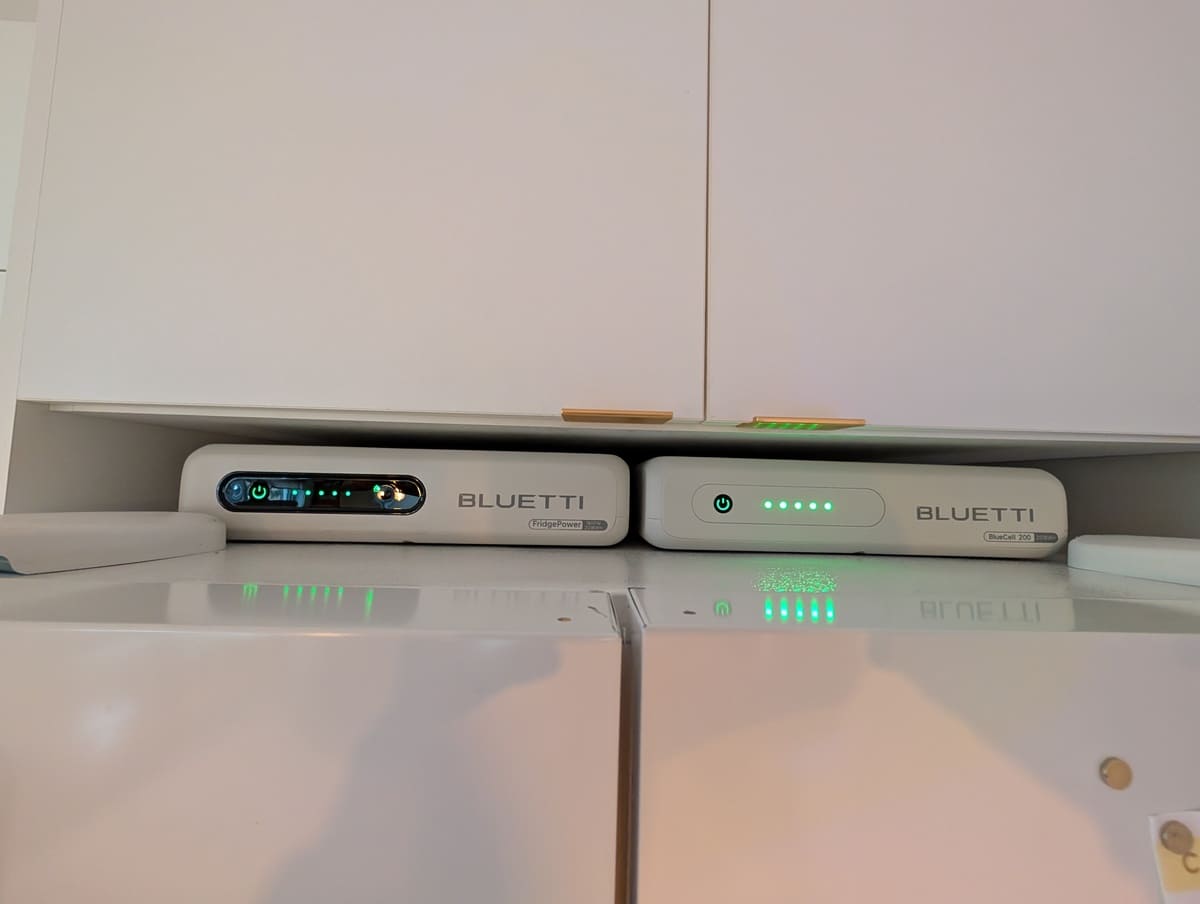
The Quiet Advantage of the Regular Power Station
| Advantage | Why It Matters |
|---|---|
| More versatile | Useful beyond the kitchen |
| Easier to repurpose | Camping, travel, garage, workshop |
| Better for mixed outages | Can support several essential devices |
| More product choice | More sizes, prices, and brands |
| Easier to upgrade by category | You can choose exactly the capacity you need |
For buyers who do not have a clear fridge-first problem, the regular power station is often the more rational buy.
Which Differences Matter in Practice — and Which Barely Matter
Some differences sound important but barely change the experience. Others matter every time the power cuts.
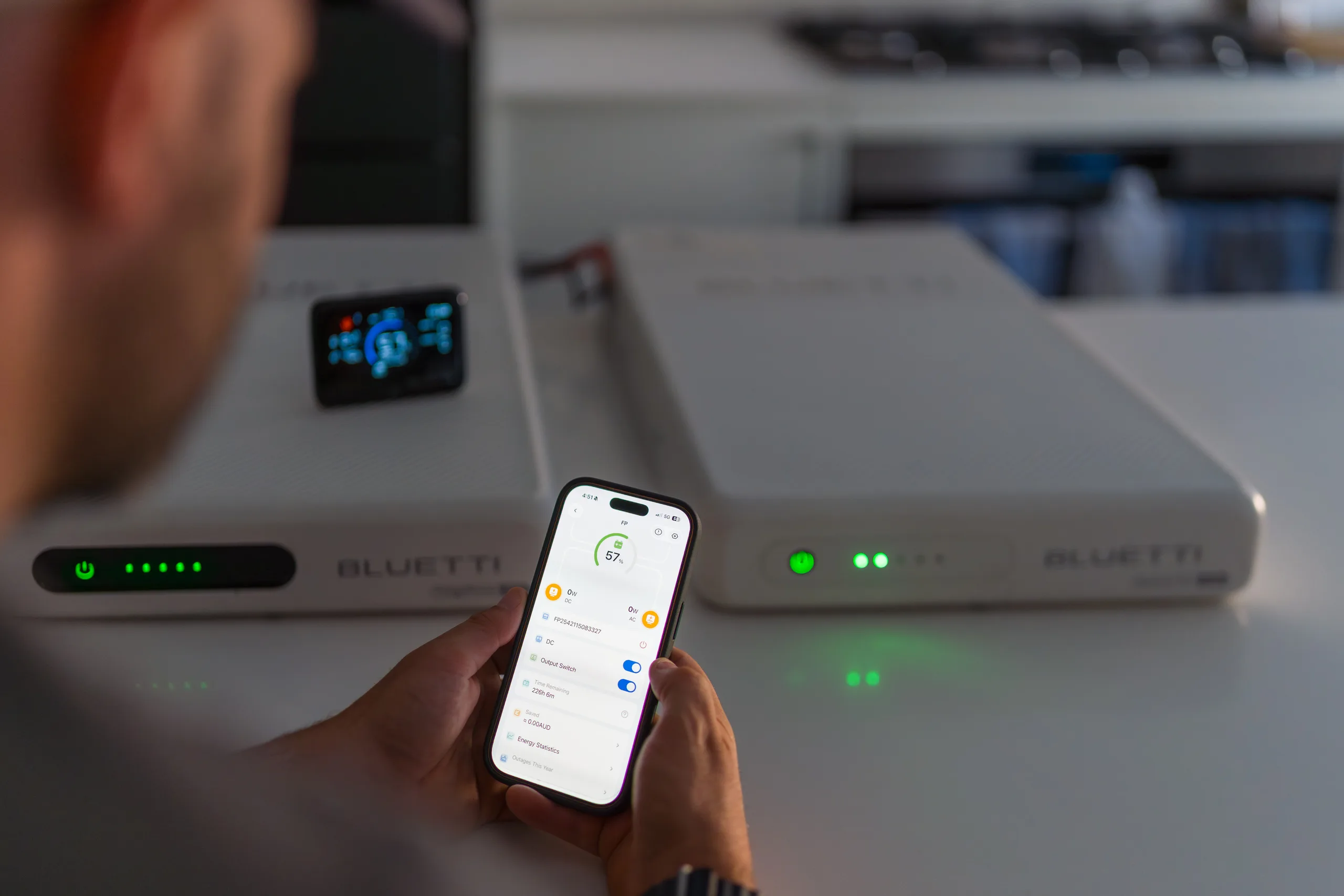
Differences That Matter
| Difference | Why It Matters |
|---|---|
| Placement | A fridge backup only helps if it is near the fridge and ready |
| Switchover behavior | Manual setup becomes annoying during real outages |
| Capacity | Determines whether this is short-outage comfort or serious backup |
| Expandability | Matters if outages last more than a few hours |
| Noise and heat | Important in kitchens and small spaces |
| Ease of use | Crucial if multiple people in the home may rely on it |
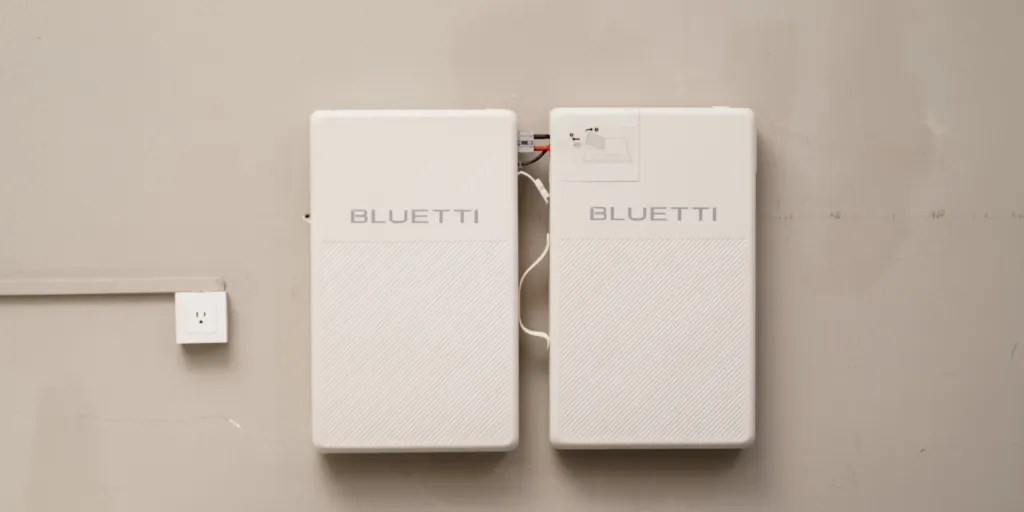
Differences That Matter Less Than Buyers Think
| Difference | Why It Often Matters Less |
|---|---|
| Having many ports | Not useful if the main job is only the refrigerator |
| Peak wattage bragging | A fridge backup needs enough power, not theatrical numbers |
| Outdoor ruggedness | Less relevant if the unit stays indoors |
| App features | Nice, but not the reason to buy |
| Display style | Helpful, but secondary to readiness and reliability |
“For this category, convenience is not a bonus feature. Convenience is the product.”
How the Decision Changes by Buyer Priority
The right choice changes quickly once you identify the real priority.
| Your Priority | Better Choice | Why |
|---|---|---|
| Protecting fridge food during outages | BLUETTI FridgePower | It is designed around that exact job |
| One battery for many household needs | Regular power station | More flexible and easier to repurpose |
| Clean kitchen setup | BLUETTI FridgePower | Less awkward than a boxy camping battery |
| Camping and travel | Regular power station | Better outside the home |
| Low-effort emergency readiness | BLUETTI FridgePower | Less manual intervention |
| Best value per use case | Regular power station | More ways to justify the purchase |
| Food storage peace of mind | BLUETTI FridgePower | Fridge-first logic is stronger |
| Long outage planning | Depends | FridgePower needs expansion; power station needs enough capacity |
Is the Cheaper Option Actually Enough?
Yes, often.
A regular portable power station can be enough if you are comfortable managing the setup yourself. For short outages, careful users may not need a dedicated fridge battery at all. They may already have a battery station sitting nearby, charged, and ready.
The cheaper option is enough when:
- You do not mind moving the battery into place
- Your outages are usually short
- You want to power more than the fridge
- You are willing to check charge levels regularly
- You already understand your refrigerator’s power needs
- You prefer flexibility over elegance
But “enough” does not always mean “better.”
A cheaper setup that requires more attention can fail because nobody uses it correctly at the moment it matters. That is the hidden cost.
“A regular power station is enough for organized buyers. FridgePower is for buyers who want the system to be ready even when nobody is in planning mode.”
Does the Pricier Option Earn Its Extra Cost?
FridgePower earns its extra cost only when its specialization solves a real problem.
It is not the smarter buy just because it is more fridge-focused. It becomes smarter when the buyer genuinely values automatic readiness, appliance-style placement, and food protection over broader flexibility.
The extra cost makes more sense if:
- Your area has unreliable power
- You keep expensive frozen food
- You want the fridge protected even when you are away
- You do not want to drag out a battery during every outage
- You prefer a dedicated household backup layer
- You already have other portable batteries for travel or devices
The extra cost makes less sense if:
- You rarely lose power
- You want one emergency battery for everything
- You live in a small space and need multi-use gear
- You already own a capable power station
- You enjoy managing backup equipment manually
FridgePower is not trying to win the “most uses per dollar” contest. It is trying to win the “most confidence for one important appliance” contest.
That is a very different value equation.
Which Buyer Is Better Served by Each Side?
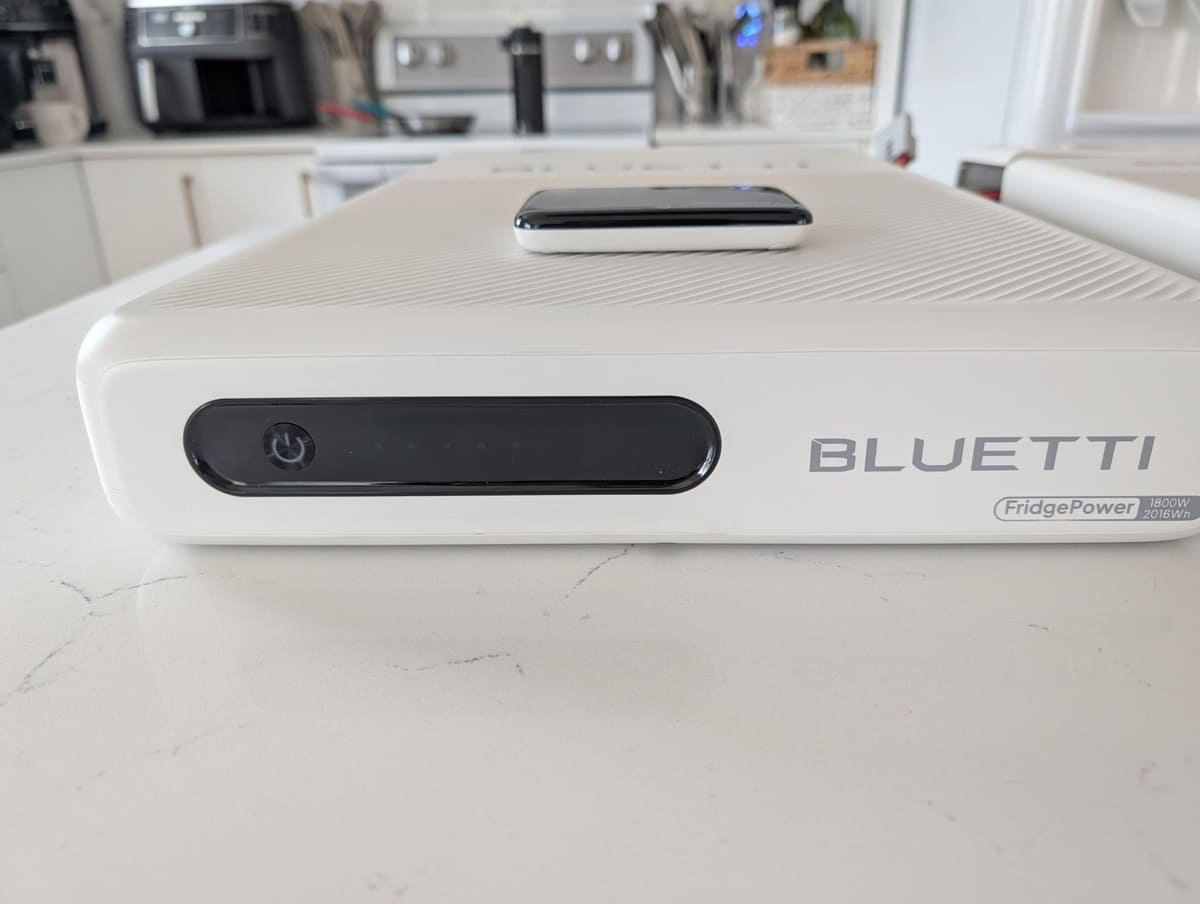
BLUETTI FridgePower Is Better For
- The homeowner who mainly worries about food spoilage
- The family that wants emergency backup without a technical routine
- The buyer who wants a cleaner kitchen-adjacent setup
- The person who dislikes bulky portable stations near appliances
- The household that wants fridge backup to feel automatic
- The user who values readiness more than flexibility
A Regular Portable Power Station Is Better For
- The buyer who wants one battery for many situations
- The camper, van user, or outdoor weekend traveler
- The person who wants to power lights, router, phones, fans, and small devices
- The budget-focused buyer comparing capacity per dollar
- The user who already has a plan for refrigerator backup
- The buyer who does not want a device tied mostly to one appliance
The Honest Tradeoff
Here is the simplest way to see it:
| If You Buy FridgePower | If You Buy a Regular Power Station |
|---|---|
| You get a cleaner fridge-first backup solution | You get broader emergency flexibility |
| You reduce manual setup | You accept more planning |
| You prioritize food protection | You prioritize multi-use power |
| You may pay more for specialization | You may get better overall value |
| You make the fridge the center of the decision | You keep your options open |
Neither choice is automatically smarter. The mistake is pretending they serve the same buyer equally.
They do not.
Final Recommendation: Which One Makes More Sense?
For most buyers who are casually looking for backup power, a regular portable power station is still the safer first purchase. It is more flexible, easier to justify, and useful in more situations. If you are not completely sure the refrigerator is your main concern, start with the general-purpose option.
But for the buyer who already knows the fridge is the priority, BLUETTI FridgePower is the cleaner and more emotionally satisfying choice. It makes sense when you want fridge backup to become part of the home, not another emergency gadget you must remember to drag out during a blackout.
“The regular power station is the better tool. FridgePower is the better appliance companion.”
That is the real decision.
Choose the regular portable power station if you want versatility.
Choose BLUETTI FridgePower if you want refrigerator peace of mind with less friction.
And once both are viewed in real context, the better recommendation becomes clear:
FridgePower is not the universal backup battery to beat. It is the fridge-first backup battery for people who are tired of pretending a general-purpose box is always the cleanest answer.
Explore the BLUETTI FridgePower Gallery
Every image from this article, gathered in one clean place. Tap any photo to open it larger.