
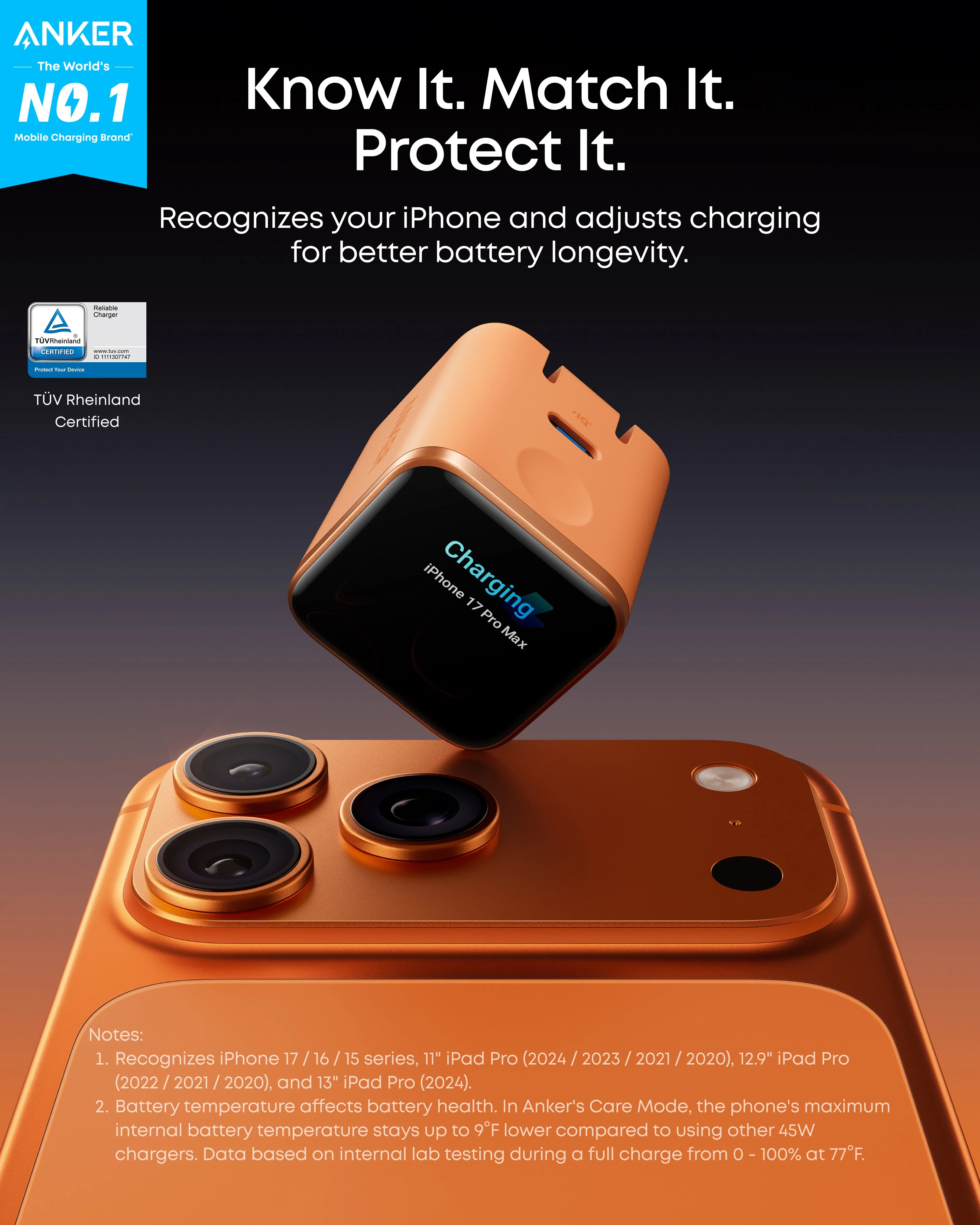
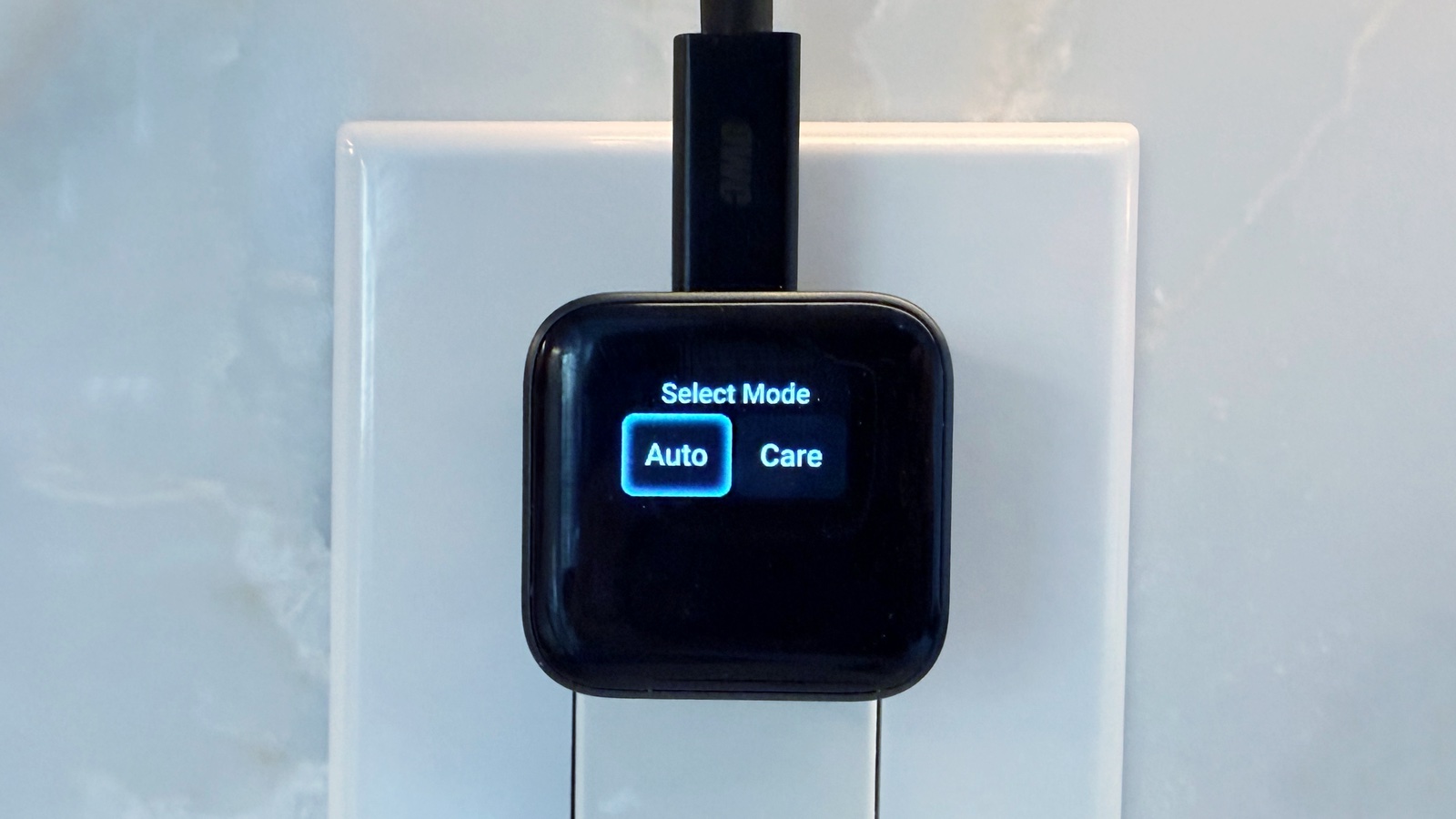
The Anker Nano Charger with 45W output, smart display, and 180° foldable design is not really fighting some anonymous cheap wall plug from the bottom of a marketplace page. The more realistic alternative is the charger many Apple-device owners quietly default to: the Apple 35W Dual USB-C Compact Power Adapter.
That is the decision many buyers are actually making.
Not “which charger has the bigger number printed on the box?”
Not “which one looks more futuristic?”
The real choice is this:
Do you want a smarter, more informative, higher-output single-device charger — or a calmer, official-feeling dual-port charger that disappears into the routine?
That difference matters more than the spec sheet theater.
The Real Cross-Shop: Anker Nano 45W vs Apple 35W Dual USB-C
| Decision Point | Anker Nano Charger 45W | Apple 35W Dual USB-C Compact Adapter |
|---|---|---|
| Core appeal | More power, display, flexible plug design | Official simplicity, dual USB-C ports |
| Best for | One main device charged efficiently | Two smaller devices charged calmly |
| Personality | Active, gadgety, informative | Quiet, minimal, invisible |
| Setup style | One-device focus | Two-device convenience |
| Buyer mindset | “I want to know what’s happening.” | “I just want it to work.” |
| Biggest compromise | Single-port limitation | Lower headline power per charger |
| Smarter for travel? | Yes, especially with the foldable design | Yes, if two-port charging matters more |
| Smarter for desk use? | Yes, if monitoring output is useful | Yes, if charging two devices is the routine |
Why These Two Chargers End Up in the Same Decision
The overlap is simple: both are aimed at people who want a compact premium charger for modern USB-C devices.
That usually means some combination of:
- iPhone
- iPad
- MacBook Air
- USB-C earbuds
- power banks
- travel accessories
- desk charging setups
The buyer is not usually trying to build a full charging station. They want one small charger that feels trustworthy, compact, and clean enough to keep in a bag or beside the bed.
That is why the Anker Nano 45W and Apple’s compact 35W adapter collide. They are both trying to solve the same problem, but they answer it with very different priorities.
“The Anker feels like the choice for someone who notices charging behavior. The Apple adapter feels like the choice for someone who never wants to think about charging at all.”
The Philosophical Difference: Information vs Disappearance
This is the heart of the decision.
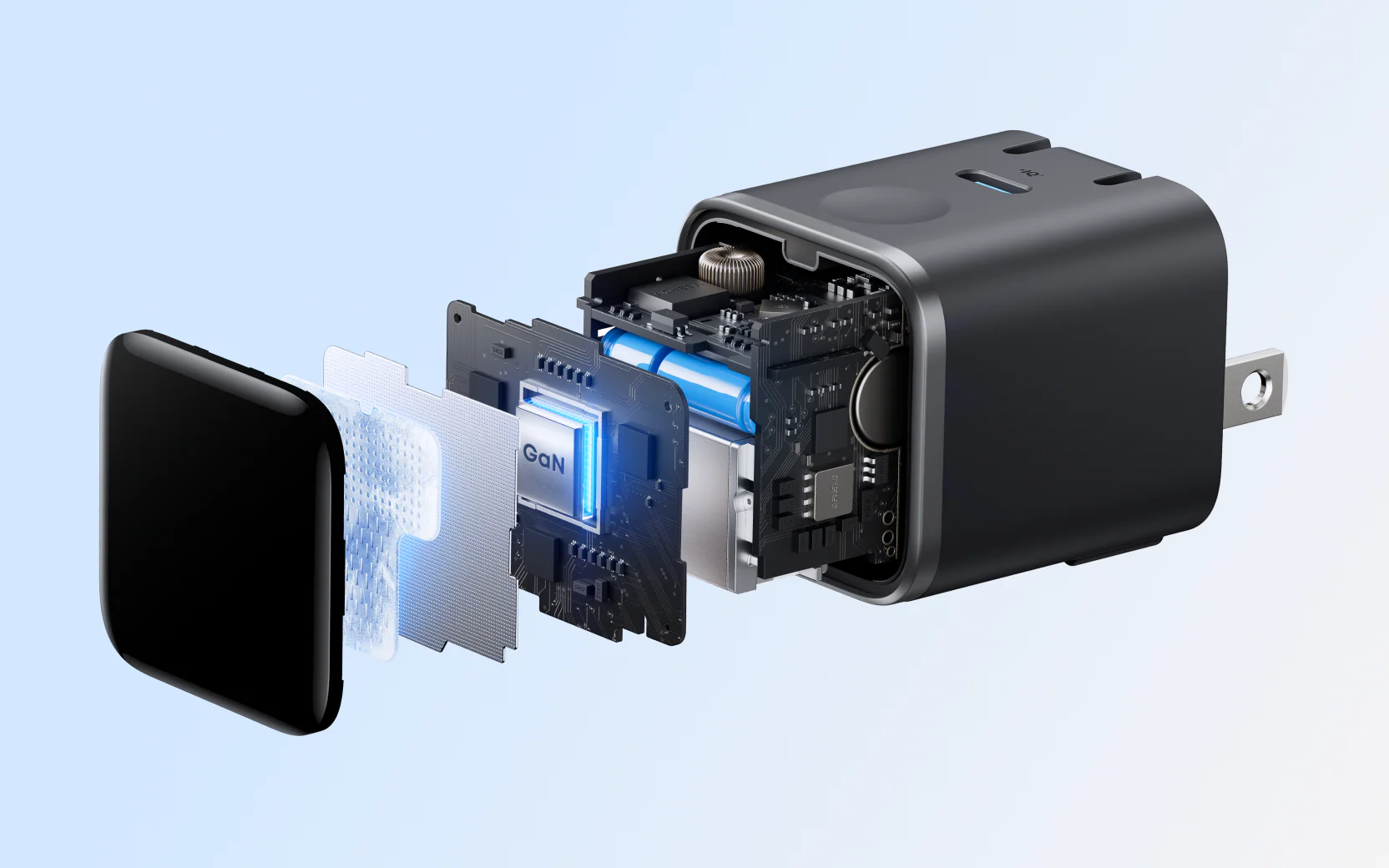
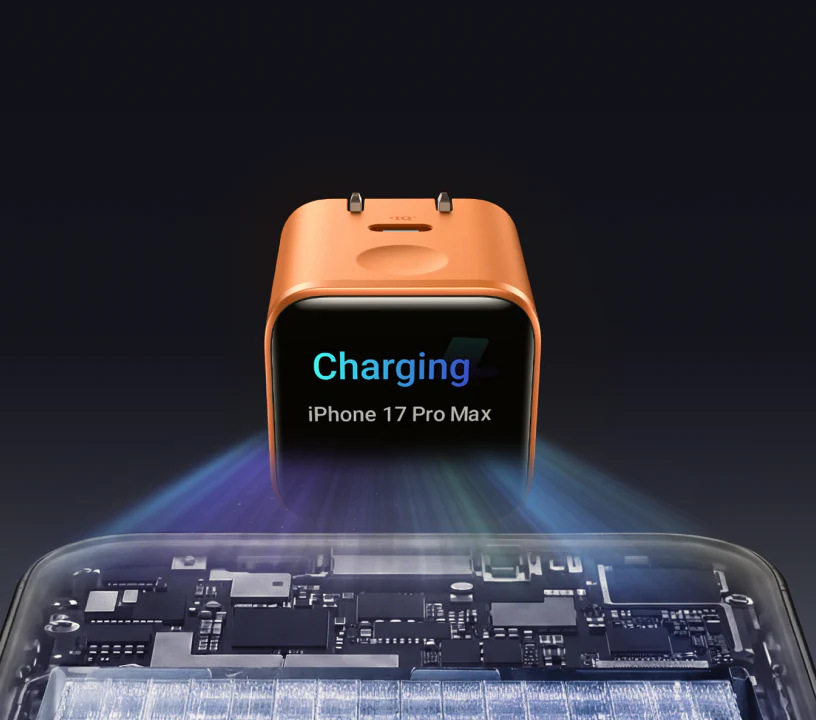
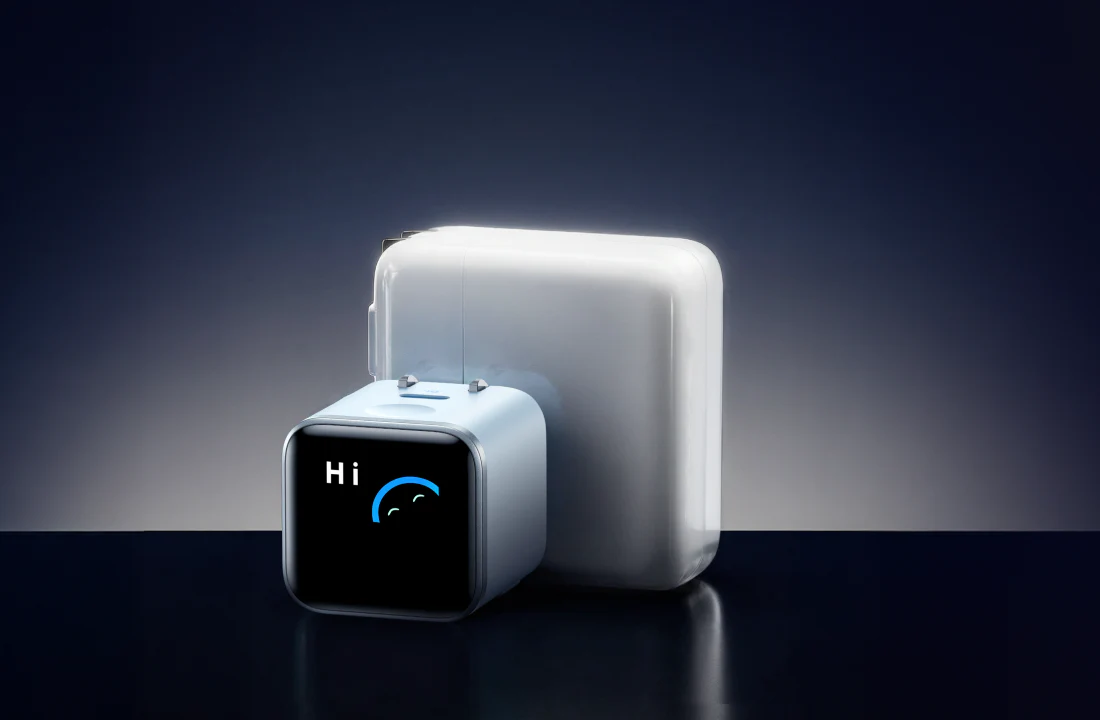
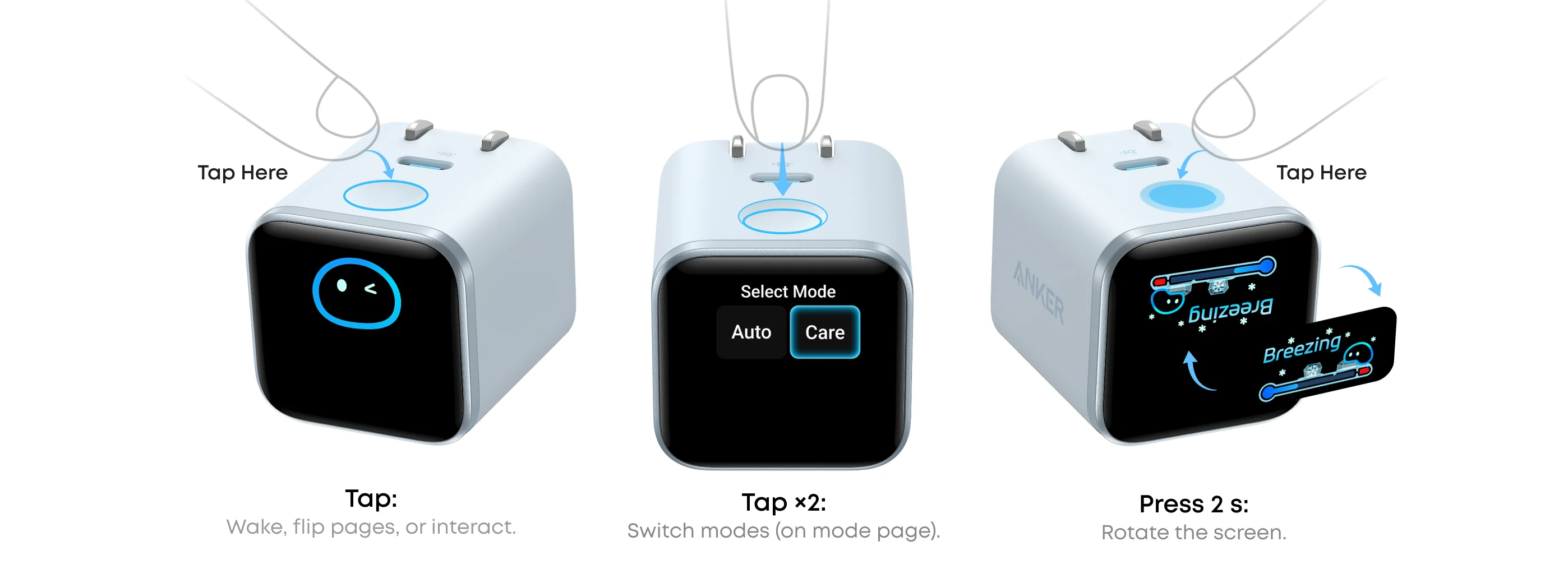
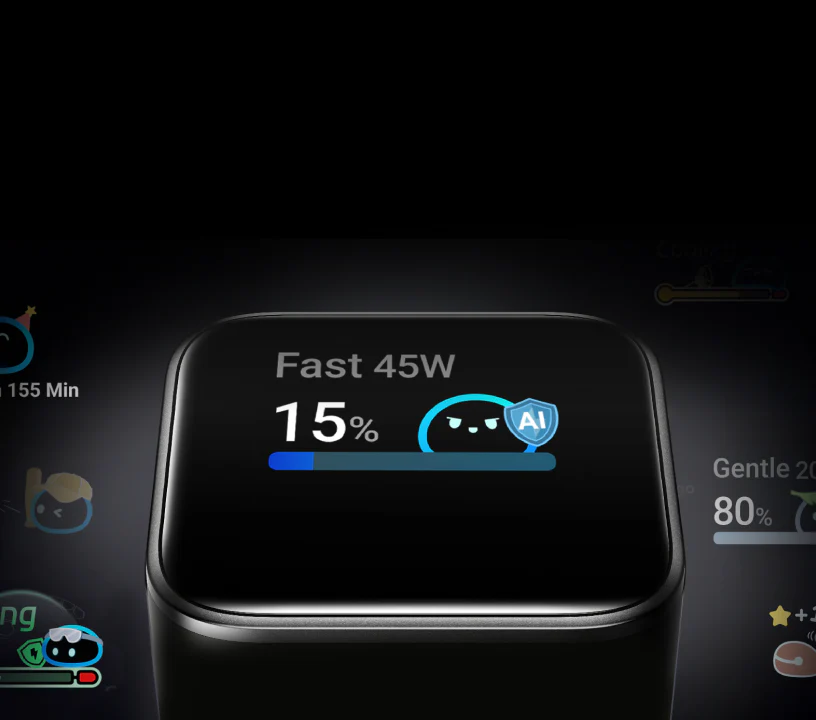
The Anker Nano Charger is built around visibility. The smart display gives the charger a sense of interaction. It tells you something. It makes charging feel observable. For some buyers, that is useful. For others, it is just one more tiny screen in a life already full of tiny screens.
The Apple 35W Dual USB-C adapter takes the opposite route. It wants to disappear. No screen. No visual feedback. No foldable display trick. No sense of “tech object.” You plug in, walk away, and forget it exists.
| Philosophy | Better Choice |
|---|---|
| I want charging to feel transparent and informative | Anker Nano 45W |
| I want charging to feel invisible and boring | Apple 35W Dual USB-C |
| I want one compact charger for a primary device | Anker Nano 45W |
| I want one compact charger for two light devices | Apple 35W Dual USB-C |
Neither approach is automatically better. But they suit different buyers.
For Budget-Focused Buyers, the Smarter Choice Is Usually the Anker
For buyers who care about getting more functional value from the money, the Anker Nano makes a stronger argument.
You are getting:
- 45W output
- a smart display
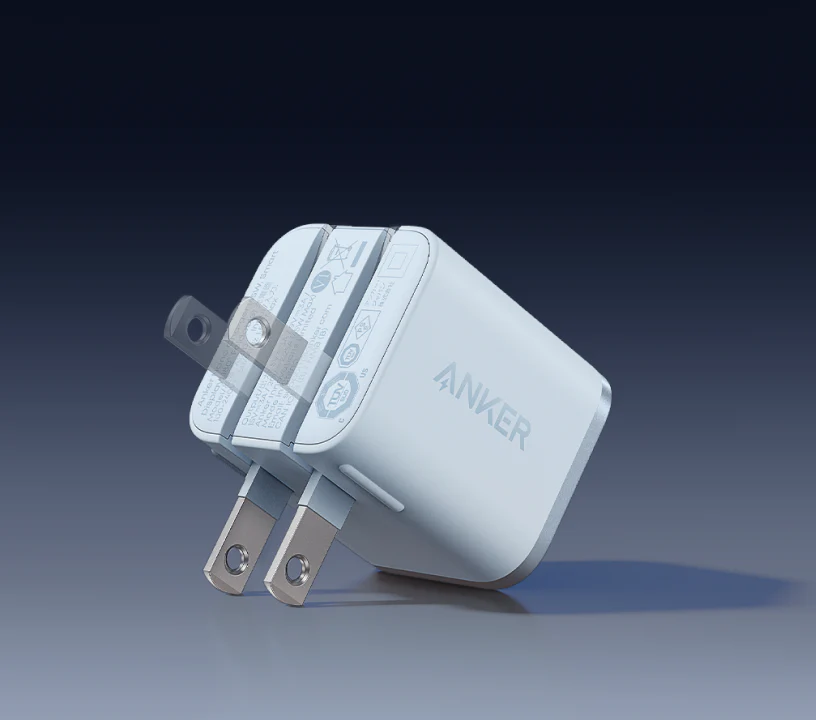
- a 180° foldable design
- compact travel-friendly hardware
- a more modern “charger as a tool” experience
The important word there is functional. The Anker does not just feel like a cheaper alternative to an official adapter. It feels like it is trying to give you more of the things a practical buyer can actually notice.
“If the goal is to buy one compact charger that feels more capable than its size suggests, the Anker makes the cleaner budget argument.”
The only warning: budget value depends on how you charge. If you constantly charge two low-power devices at once, Apple’s dual-port layout may save you from buying a second charger or carrying an extra adapter. In that case, the cheaper-feeling decision may not be the cheaper real-life decision.

For Quality-Focused Buyers, the Answer Is More Complicated
Quality-focused buyers should not automatically choose Apple, and they should not automatically choose Anker either.
The Apple adapter wins on emotional confidence. It feels like the safe, official, low-friction choice. It fits the Apple ecosystem mentality: simple, clean, quiet, conservative.
The Anker wins on functional confidence. It gives you more output, more feedback, and more travel flexibility. It feels engineered for people who want their accessories to do more than merely exist.
| Quality Priority | Better Fit |
|---|---|
| Official ecosystem feel | Apple 35W Dual USB-C |
| More charging power from one port | Anker Nano 45W |
| Fewer distractions | Apple 35W Dual USB-C |
| More useful feedback | Anker Nano 45W |
| Minimal desk aesthetic | Apple 35W Dual USB-C |
| Travel flexibility | Anker Nano 45W |
The real quality question is not “which one is better made?”
It is:
Which version of quality do you value more: quiet trust or visible capability?
The Simpler Setup Belongs to Apple
If your charging routine is basic, Apple’s adapter makes a lot of sense.
Two USB-C ports are not exciting, but they are useful in the most boring possible way. Phone and earbuds. iPhone and Apple Watch cable. iPad and power bank. Two devices, one brick, no thought.
That is where the Apple charger quietly wins.
The Anker Nano is simple in a different way: one device, more power, more information. But the smart display and single-port nature make it less “set it and forget it” for people who do not care about charging behavior.
Choose Apple if your routine looks like this:
- You often charge two smaller devices together.
- You do not care about wattage readouts.
- You prefer official-looking accessories.
- You want a charger that blends into the room.
- You are not trying to maximize charging speed for one larger device.
For the simplest household setup, Apple’s adapter still has a very reasonable case.

Demanding Use Favors the Anker Nano
Once the routine becomes more demanding, the Anker starts to pull ahead.
A 45W compact charger makes more sense when you are regularly charging a larger USB-C device, topping up quickly between tasks, or using one charger as your “main carry” adapter. The smart display also becomes more than a decoration if you actually care whether your device is drawing serious power or just sipping slowly.
This is where the Anker feels more intentional.
“The Anker is the better choice when charging becomes part of your workflow instead of just something that happens overnight.”
It suits people who move between desk, bag, couch, hotel, airport, and café. It also makes more sense for anyone who wants a single compact charger that can handle more than phone-only duty.
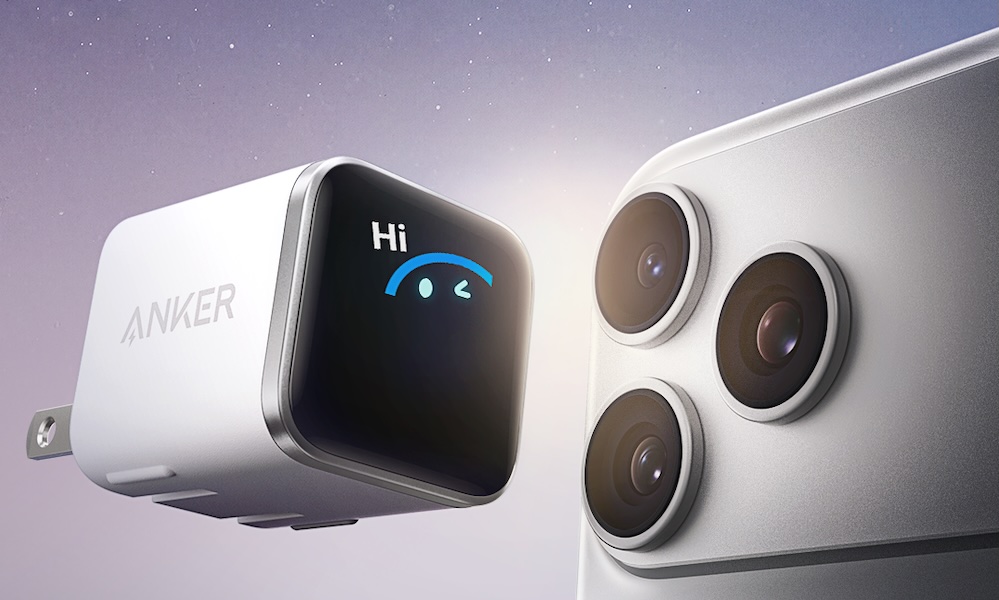
Where the Anker Wins Clearly
There are areas where the Anker Nano does not need a long argument.
It wins on single-device power
If you are charging one main device, 45W gives the Anker a stronger practical ceiling than Apple’s 35W compact adapter.
It wins on feedback
The display gives you immediate visual confirmation. Some people will call that unnecessary. Fine. They can go enjoy mystery electricity like it’s 2009. For the rest of us, feedback is useful.
It wins on travel behavior
The 180° foldable design is genuinely relevant for people who use chargers in awkward spaces: behind furniture, in tight outlets, hotel rooms, crowded extension strips, and travel adapters.
It wins for gadget-minded buyers
If you enjoy accessories that feel clever without becoming ridiculous, the Anker has more personality.
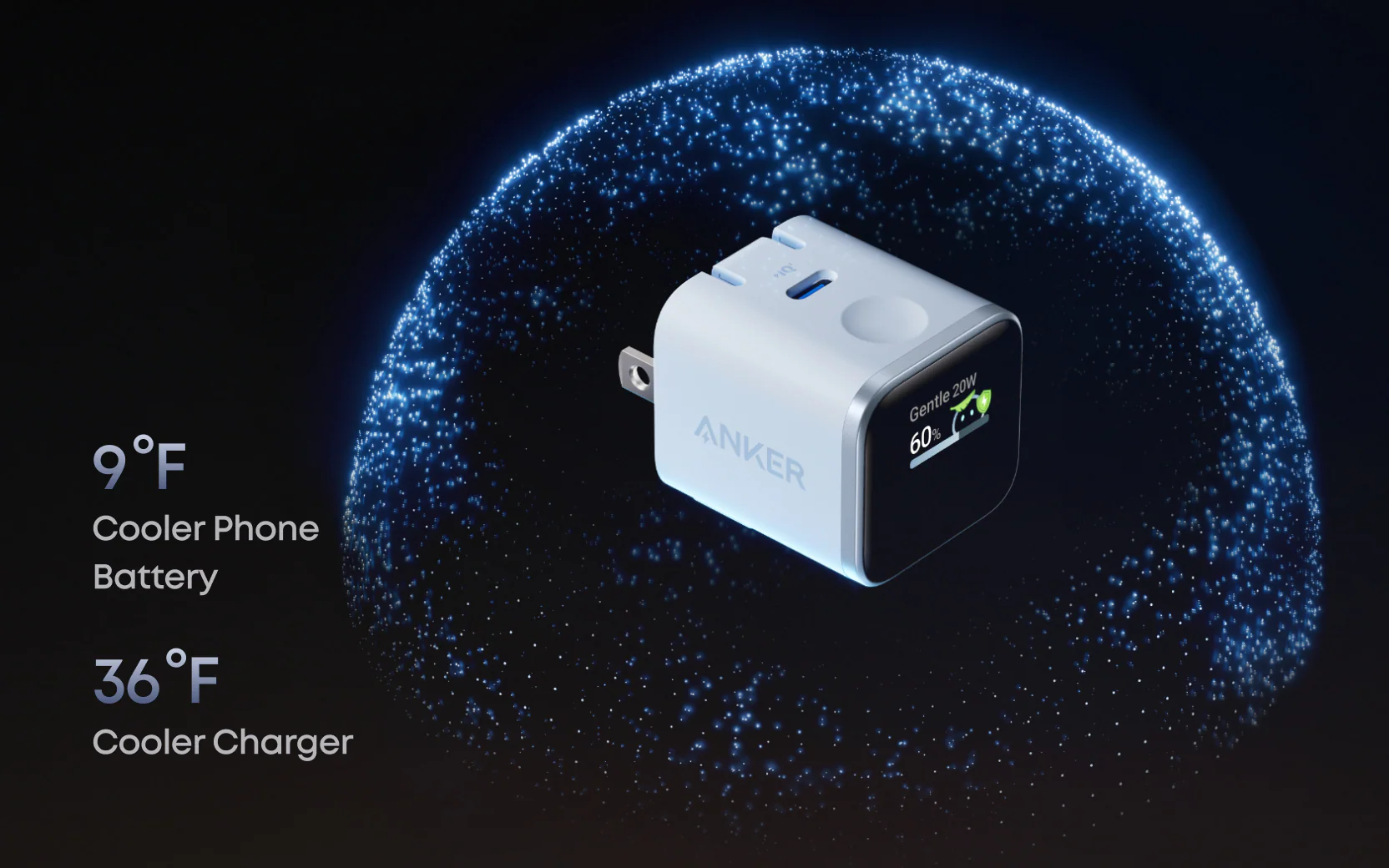
Where Apple Quietly Offers Better Judgment
Apple’s adapter is less exciting, but that does not make it weak.
Its biggest advantage is restraint.
It does not ask you to look at it. It does not turn charging into a mini-dashboard. It gives you two ports and stays out of the way. For a lot of buyers, that is not boring. That is exactly the point.
| Apple’s Quiet Advantage | Why It Matters |
|---|---|
| Dual USB-C ports | Better for two-device daily routines |
| Minimal design | Cleaner on desks and nightstands |
| Official accessory feel | Comforting for Apple-heavy buyers |
| No display | Less visual noise |
| Simple behavior | Easier for shared household use |
“Apple wins when the charger is supposed to be background infrastructure. Anker wins when the charger itself is part of the experience.”
That is the cleanest way to separate them.
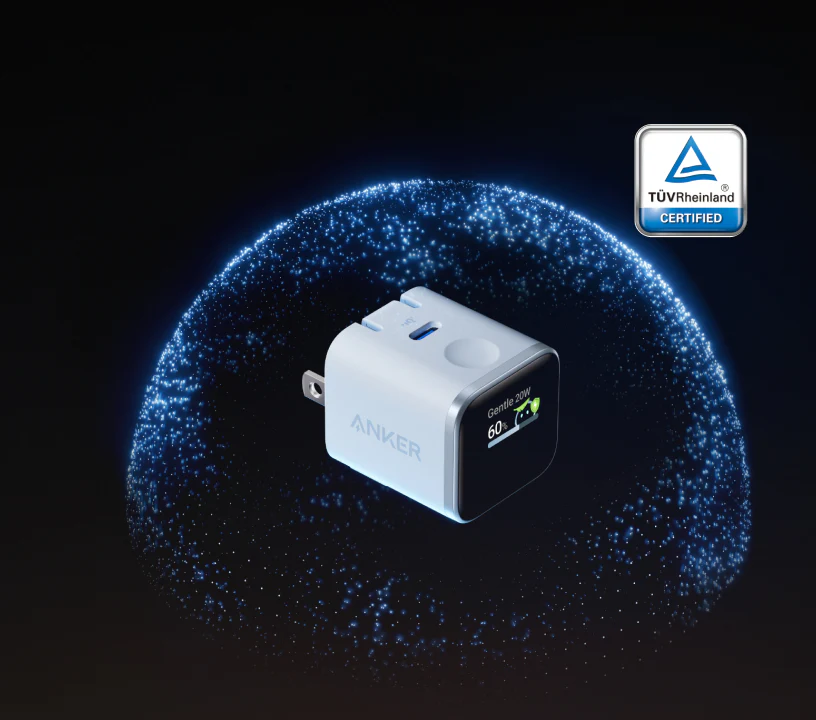
The Differences That Actually Matter
Some differences matter every day. Others only matter when you are staring at the product page too long.
Differences that matter in practice
- Single port vs dual port
- 45W vs 35W power ceiling
- display vs no display
- folding flexibility
- main-device charging vs multi-device convenience
Differences that matter less than people think
- Tiny design preferences after the first week
- Whether the display feels “cool” on day one
- Brand loyalty without a real use-case reason
- Spec comparisons that ignore how many devices you charge at once
The most important decision is not the number. It is the routine.

How the Decision Changes by Buyer Priority
| Buyer Priority | Smarter Pick | Why |
|---|---|---|
| Fast charging one main device | Anker Nano 45W | More power and clearer charging feedback |
| Charging two small devices | Apple 35W Dual USB-C | Dual-port convenience matters more |
| Travel flexibility | Anker Nano 45W | Foldable design and compact power are useful |
| Minimal desk setup | Apple 35W Dual USB-C | Cleaner, quieter, less visually active |
| Gadget enjoyment | Anker Nano 45W | Display adds personality and feedback |
| Shared family charger | Apple 35W Dual USB-C | Easier for anyone to use without explanation |
| Best functional value | Anker Nano 45W | More features in a compact body |
| Lowest mental effort | Apple 35W Dual USB-C | Plug in, forget it, move on |
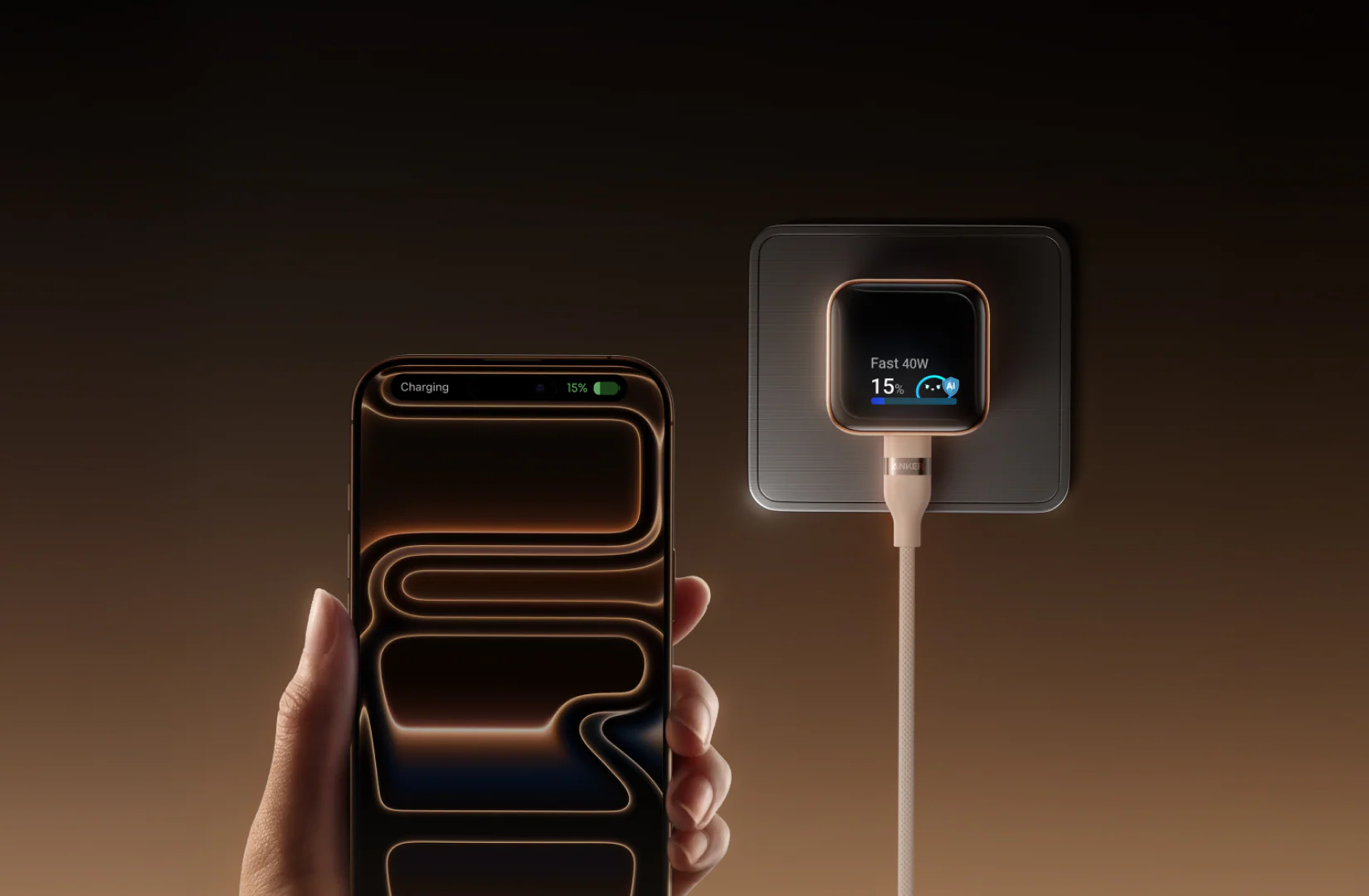
Is the Cheaper Option Actually Enough?
If the Apple adapter is the cheaper option in your market, then yes, it can absolutely be enough — especially if your charging life is mostly phone, earbuds, watch, and occasional tablet use.
But “enough” is not the same as “best.”
The Apple charger is enough when you want convenience more than capability. It is enough when your devices are not demanding. It is enough when two ports matter more than higher single-device output.
The Anker becomes the better buy when your charger has to feel more like a daily tool than a passive plug.
“The cheaper option is enough when charging is casual. It becomes less convincing when charging speed, flexibility, and feedback start to matter.”
Does the Pricier Option Earn Its Extra Cost?
If the Anker Nano costs more where you live, it earns the extra cost only for the right buyer.
It earns it if you will actually benefit from:
- the higher 45W output
- the smart display
- the adjustable foldable plug design
- using one charger for more serious daily charging
- carrying one compact adapter instead of several weaker ones
It does not earn it if you just want to charge a phone overnight. In that case, buying the more feature-rich charger is like hiring a bodyguard to protect a sandwich. Technically impressive. Not always necessary.
The display especially needs the right owner. Some buyers will appreciate it every day. Others will look at it twice, then never care again.
Which Buyer Is Better Served by Each Charger?
Buy the Anker Nano Charger 45W if:
- You want one compact charger for your main USB-C device.
- You value faster single-device charging.
- You like seeing charging output or status.
- You travel often or use awkward outlets.
- You prefer accessories that feel modern and functional.
- You are willing to give up a second port for a more capable single-port experience.
Buy the Apple 35W Dual USB-C Compact Adapter if:
- You often charge two devices at once.
- You prefer official-looking Apple accessories.
- You want the simplest possible setup.
- You do not care about charging data.
- You mostly charge smaller devices.
- You want a charger that visually disappears.
The Bottom Line: The Smarter Choice Depends on the Kind of Convenience You Want
The Anker Nano Charger 45W is the more interesting charger, the more capable single-device charger, and the better fit for buyers who want power, feedback, and travel flexibility in one compact adapter.
The Apple 35W Dual USB-C Compact Adapter is the calmer choice. It makes more sense for people who want two-port convenience, official simplicity, and a charger that does its job without asking for attention.
Neither one wins for everyone.
But viewed in real context, the recommendation is clear:
Choose the Anker Nano 45W if your priority is one smarter, stronger, more flexible charger. Choose Apple’s 35W Dual USB-C adapter if your priority is simple two-device charging with less visual noise.
For us, the Anker is the more compelling pick for the buyer who actually notices their charging setup. Apple is the better pick for the buyer who wants the charger to vanish into the background.
And that is the real decision. Not Anker versus Apple on a spec sheet.
It is active usefulness versus quiet convenience.
Explore the Anker Nano Charger (45W, Smart Display, 180° Foldable) Gallery
Every image from this article, gathered in one clean place. Tap any photo to open it larger.