
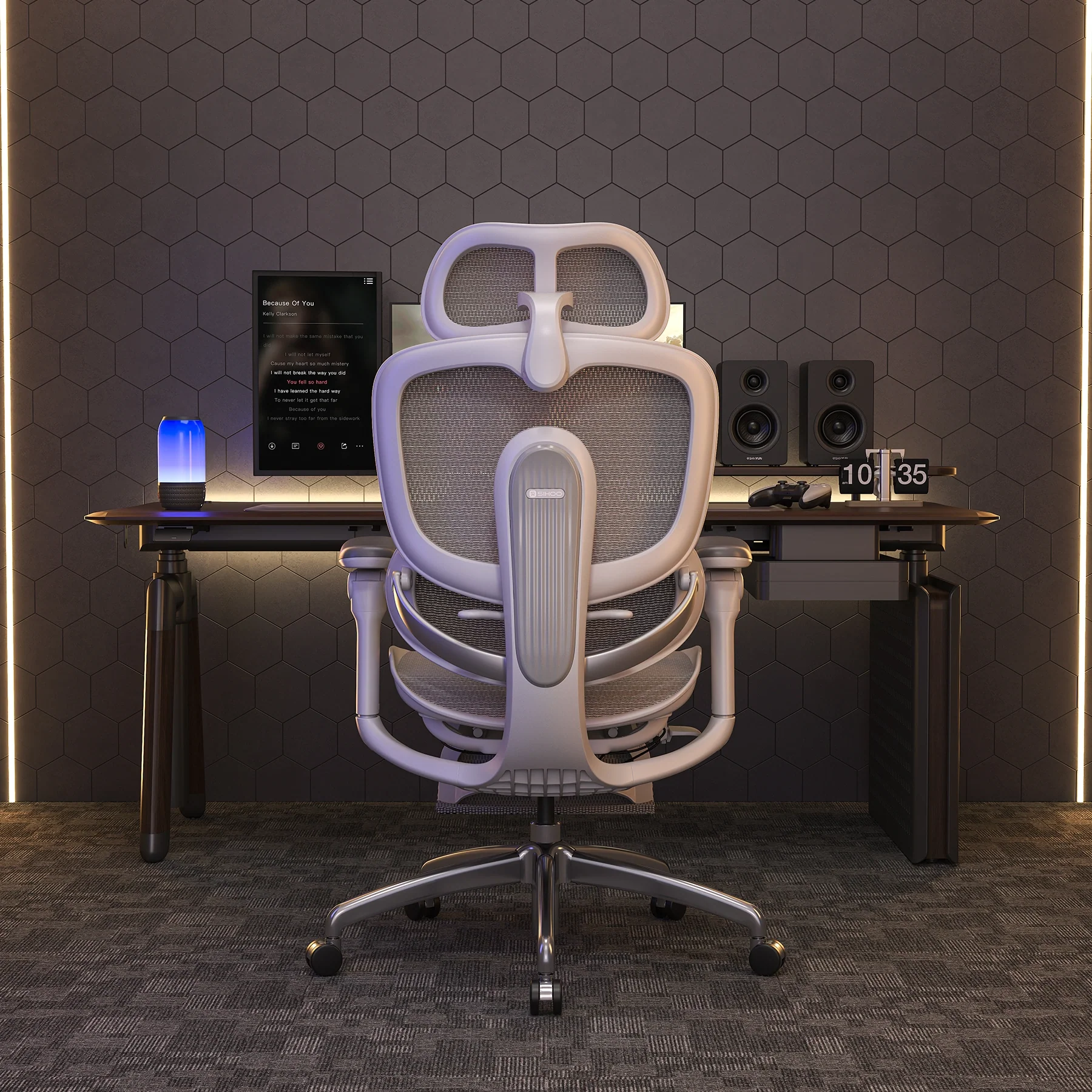
The Sihoo Doro C300 Pro is one of those office chairs that gets very close to being easy to recommend without hesitation. After spending real time with it across a mixed team, our verdict is simple: this is a genuinely comfortable ergonomic chair with standout lumbar support, strong adjustability, breathable all-mesh seating, and a premium feel that lands well above the usual mid-range office-chair crowd. The catch is that the 6D armrests can still be too eager to move, and that single issue keeps this chair from feeling truly polished. For anyone who prioritizes back support, airflow, and a chair that can adapt to different body types, the C300 Pro is a strong buy. For anyone who wants locked-in armrests and zero fiddling, it is harder to love.
Quick verdict
Best for:
People who want an ergonomic mesh office chair with excellent lower-back support, lots of adjustability, and enough range to suit different body types in a shared workspace or home office.
Avoid if:
You rely heavily on firm, stable armrests and hate readjusting them. Also skip it if you want the absolute smoothest rolling chair or you need a chair for very tall users who want lower arm positioning.
What we liked:
Dynamic lumbar support, breathable mesh, supportive seat, easy one-handle controls, strong fit range, premium look without gaming-chair gimmicks, comfortable for long workdays.
What disappointed us:
The armrests still move too easily, lumbar depth is not as tunable as we would like, the headrest can click loudly when it shifts, and the chair feels heavier and less glidy than some rivals.
Final verdict:
The Sihoo Doro C300 Pro is a very good ergonomic office chair with one very obvious flaw. If you can live with the armrests, the rest of the chair is good enough to make a lasting impression.
What we tested
We spent extended time with the C300 Pro in real work-from-home and office-style use, not just a quick sit-down and a few adjustment clicks. This was not a one-person chair review. We rotated it across people with noticeably different builds and preferences, including shorter users, average-height users, and a much larger tester who usually has trouble finding a chair that fits properly.
That matters with a product like this, because the whole point of the C300 Pro is adaptability. A chair that feels great for one person but frustrating for everyone else is not actually a great ergonomic chair. We wanted to know whether the Sihoo’s promise of adjustability translated into actual daily comfort across a team, and whether the chair still felt good after the honeymoon phase wore off.
The key confirmed specs are straightforward and useful:
- Seat depth: 16.81 to 17.76 inches
- Seat width: 20.28 inches
- Seat height range: 18.11 to 22.32 inches
- Maximum load: 300 lbs
- Materials: Mesh back and seat with PU-coated armrests
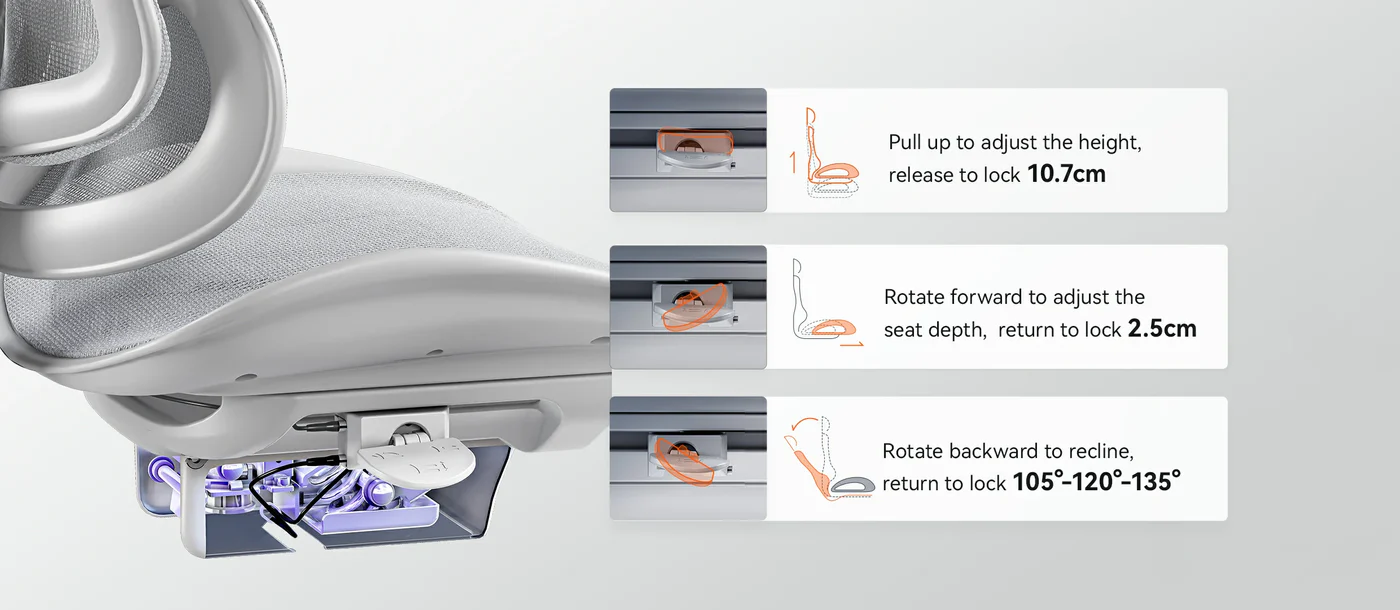
- Recline: 105°, 120°, and 135°
- Adjustments: Dynamic lumbar support, adjustable headrest, seat-depth adjustment, multi-direction armrests
On paper, that is a strong package. In practice, most of it holds up.
How we tested it
We used the Sihoo Doro C300 Pro the way an office chair is supposed to be used: full workdays, long desk sessions, posture shifts, leaning back between tasks, moving between focused typing and casual sitting, and letting different people dial it in to their own preferences.
We paid attention to the things that actually decide whether a chair stays in the room or gets replaced:
- How easy it is to assemble
- Whether the mesh stays comfortable over long sessions
- Whether the lumbar support feels supportive or intrusive
- Whether the adjustability feels helpful or excessive
- Whether the chair suits different heights and builds
- Whether small annoyances get worse over time
- Whether the chair feels worth its asking price after the novelty wears off
That last point matters. Plenty of ergonomic chairs make a strong first impression. Fewer hold up once you live with them.
Design and build quality
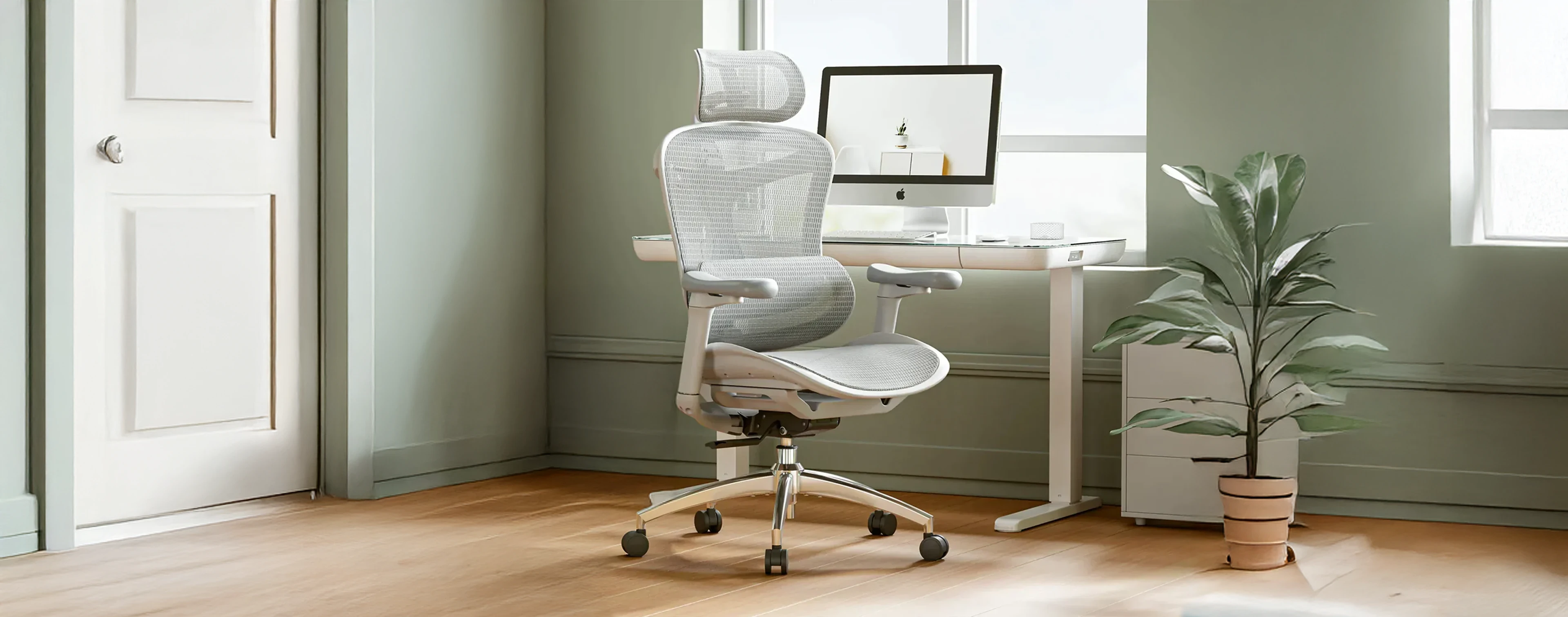
The first thing that stood out to us was that the C300 Pro does not try too hard. That sounds like faint praise, but it is actually one of its strengths.
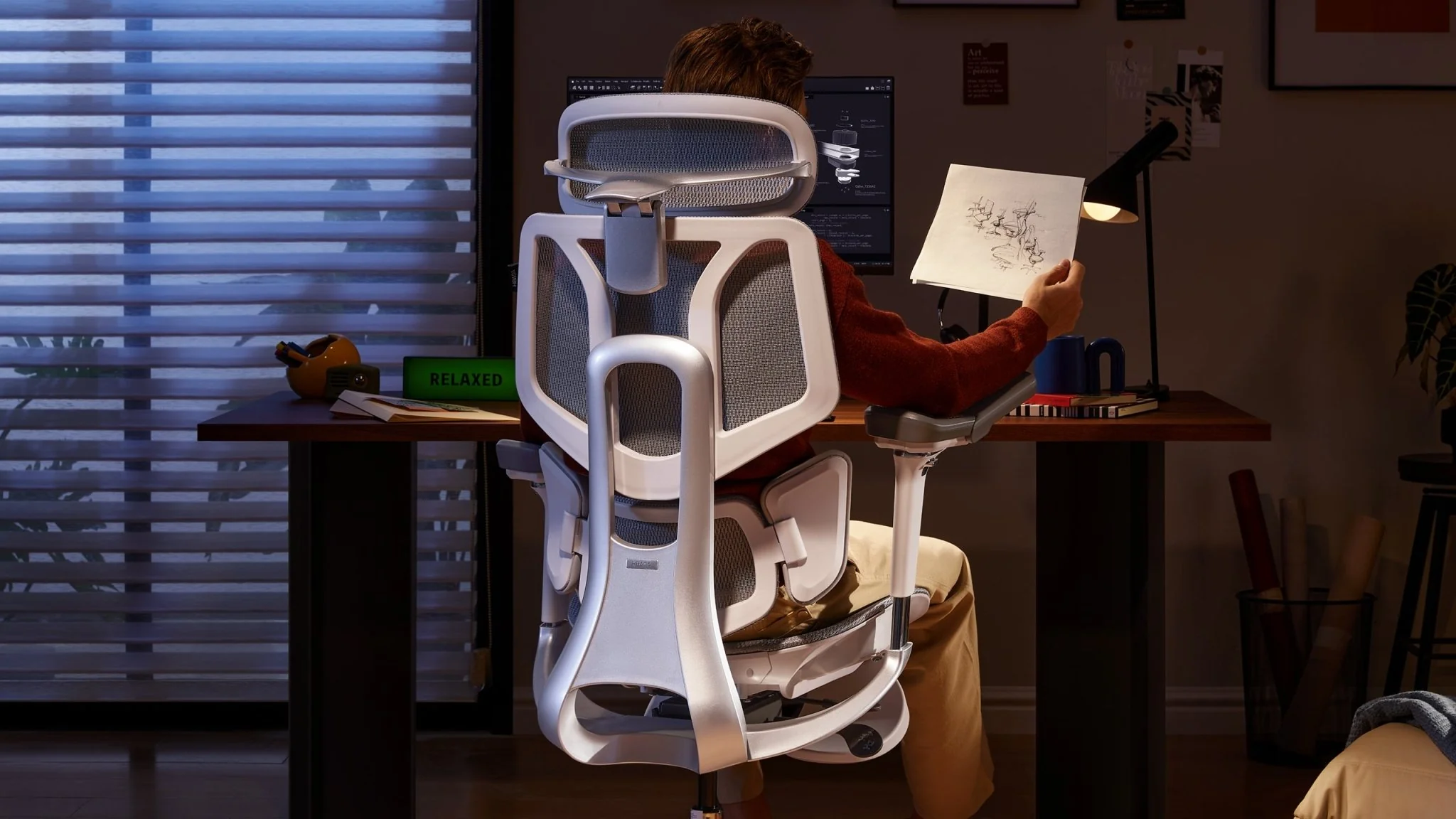
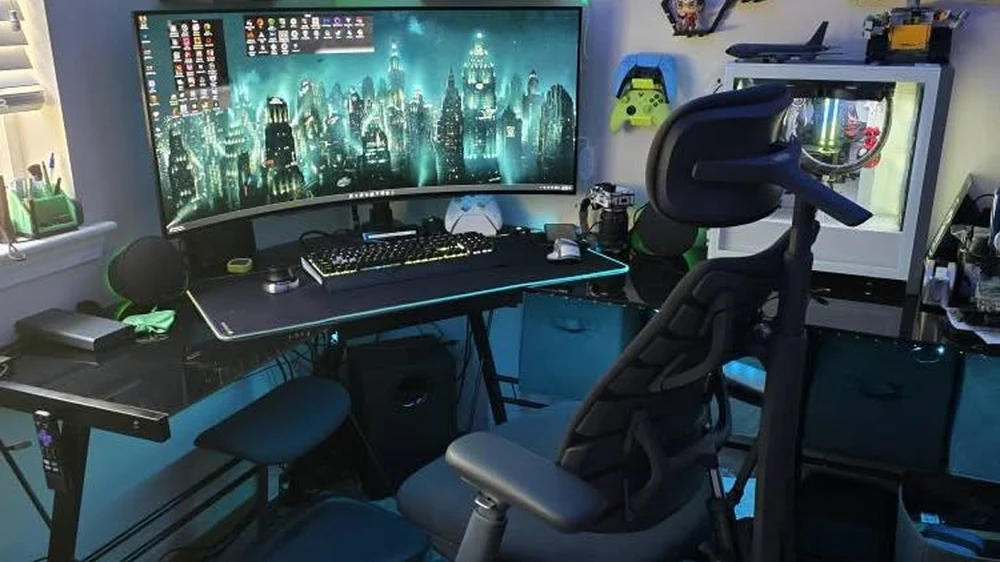
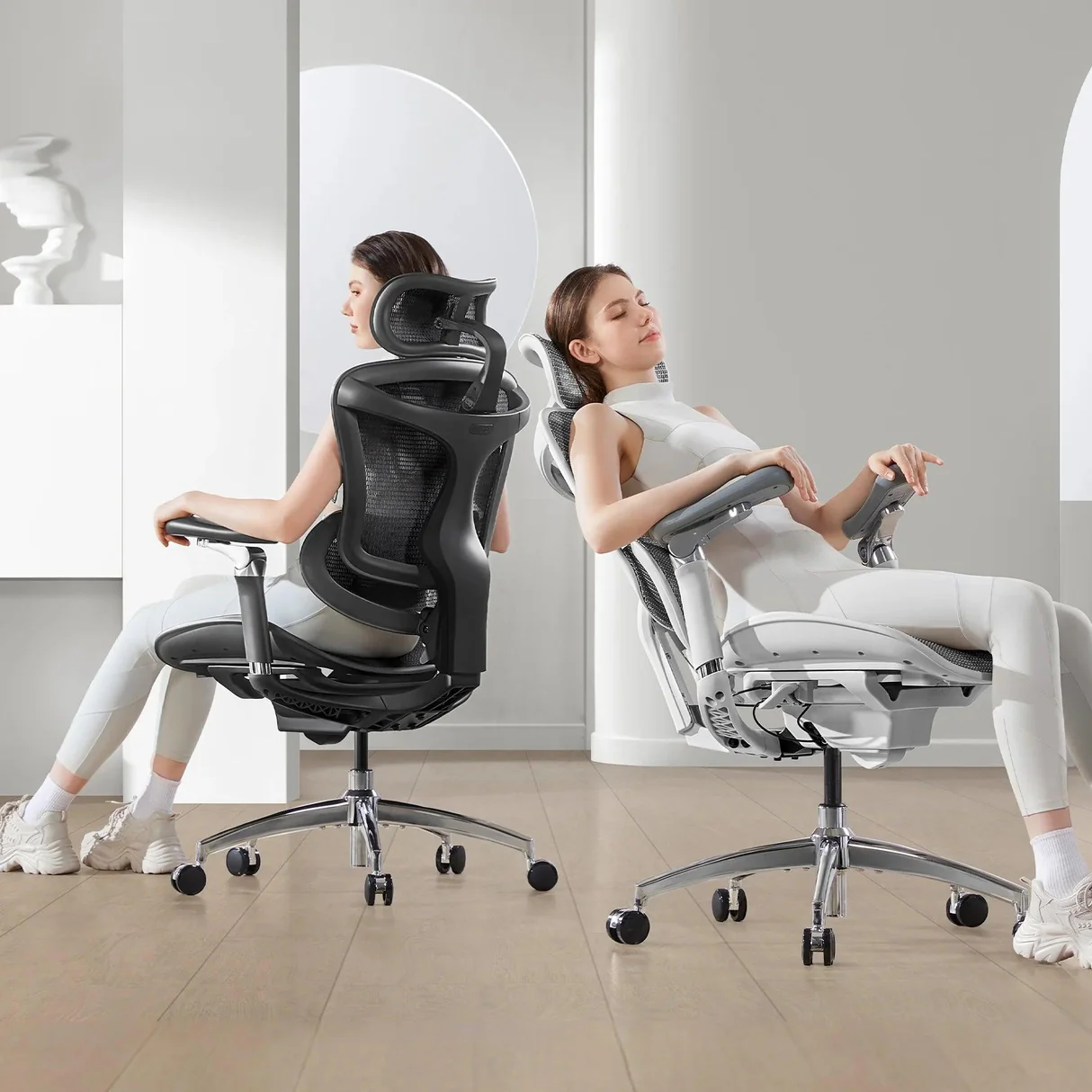
A lot of chairs in this price range make one of two mistakes. They either look dull and generic, like they were designed purely for procurement departments, or they swing too far into gamer-chair theatrics. The Sihoo sits in a better middle ground. It looks modern, slightly futuristic in profile, and premium enough to belong in a home office, shared workspace, or more polished office environment. It has visual personality, but not the kind that dominates a room.
We also liked that it avoids the usual fake-bucket-seat nonsense. This is not trying to look aggressive. It is trying to look ergonomic. That was the right call.
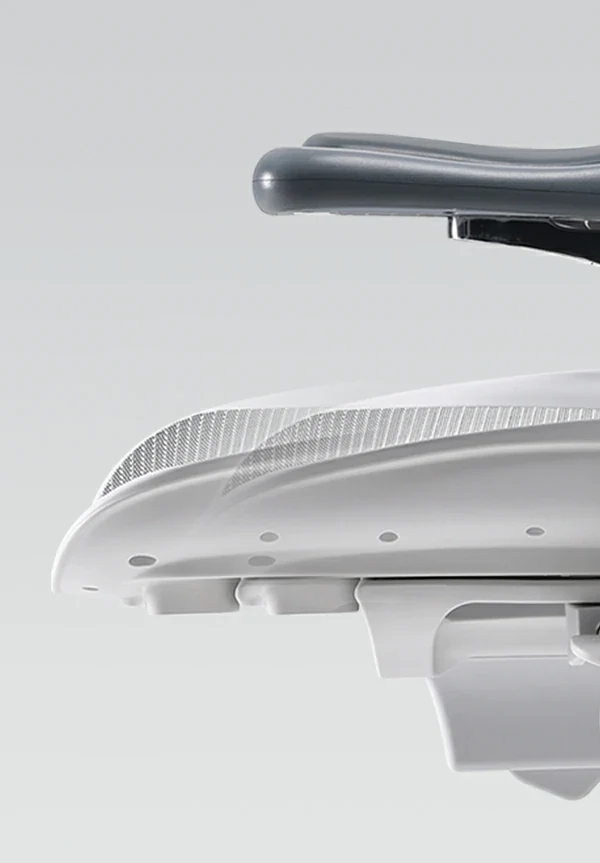
Build quality is another real strength. The base feels sturdy. The frame feels solid. The chair has weight to it, and while that slightly hurts mobility, it helps the overall impression of quality. The mesh does not feel flimsy or cheap. It has that lightly tensioned, supportive give you want from a serious mesh chair, rather than the plasticky slackness that makes cheaper models feel temporary.
The best word for the materials is balanced. The seat is not overly soft, which is good. A chair that feels pillowy for ten minutes can feel terrible after three hours. The C300 Pro stays supportive without becoming punishing. The backrest and lumbar assembly also feel like they were designed by people who understood posture, not just by people ticking boxes on an Amazon listing.
We also appreciated the practical design details. There is good spacing around the mechanism. Adjustments generally feel intuitive. Nothing about the core structure feels fragile. It is clearly meant to be used, not admired from across the room.
That said, there are two aesthetic caveats. First, the armrests look slightly more awkward than the rest of the chair. They do not ruin the design, but they are not as elegant as the seat and back structure. Second, the overall shape is a little unusual. We liked it, but it will not be universally loved. Conservative buyers who want a totally invisible office chair may find it a little more expressive than expected.
Still, overall, the design and build land firmly on the right side of premium.
Setup and first use
Assembly is not hard, but it is more involved than with some office chairs.
The C300 Pro arrives in pieces, and the box includes the usual core components, hardware, tools, and instructions. We appreciated the included tools more than expected, especially the handled wrench, which makes assembly far less annoying than it could have been. The instructions are good enough, and the packaging of the screws is more organized than what we normally see at this level.
Our experience with packaging itself was mixed. The internal parts were protected well, but one delivery left a worse first impression than it should have, with the outer box looking rough and clearly not surviving the trip gracefully. Fortunately, the chair itself was fine.
Build time depends on how comfortable you are with furniture assembly. We would say 30 to 60 minutes is realistic. A confident builder can do it alone, but having a second person nearby makes a few steps easier, especially when lining up larger pieces.
Once assembled, the chair immediately feels substantial. It is not a light chair, and you notice that before you even sit in it. That weight helps the premium feel, but it also explains why the C300 Pro is more of a trundle-around-the-room chair than a glide-around-the-room chair.
Our first sitting impressions were strong. The mesh felt supportive right away. The chair looked serious. The lower back support made itself known immediately. And then, almost just as quickly, the armrests reminded us that this chair has one recurring problem.
That became a theme.
Real-world performance
This is where the Sihoo Doro C300 Pro earns its reputation.
In daily use, the chair is simply very comfortable for long sessions. We had no trouble spending full workdays in it. It supports the kind of upright, focused posture you want when typing, but it does not become punishing when you lean back, pause, or shift around. The seat remains supportive. The backrest remains breathable. The lumbar support keeps doing its job without asking for attention every five minutes.
What we liked most is that the chair does not feel like it forces a single posture. Some ergonomic chairs over-correct. They make you feel pinned into one “correct” position, and that can become just as tiring as a bad chair. The C300 Pro is better than that. It encourages healthier sitting, but still lets you move.
One of our testers worked in it for entire days without hitting that usual point where you start thinking about another chair. That is a bigger compliment than it sounds. Office chairs fail in small ways long before they fail dramatically. A seat edge gets annoying. A hot spot develops. The lumbar starts feeling pushy. The arm angle feels wrong. We did not get much of that here outside the armrest issue.
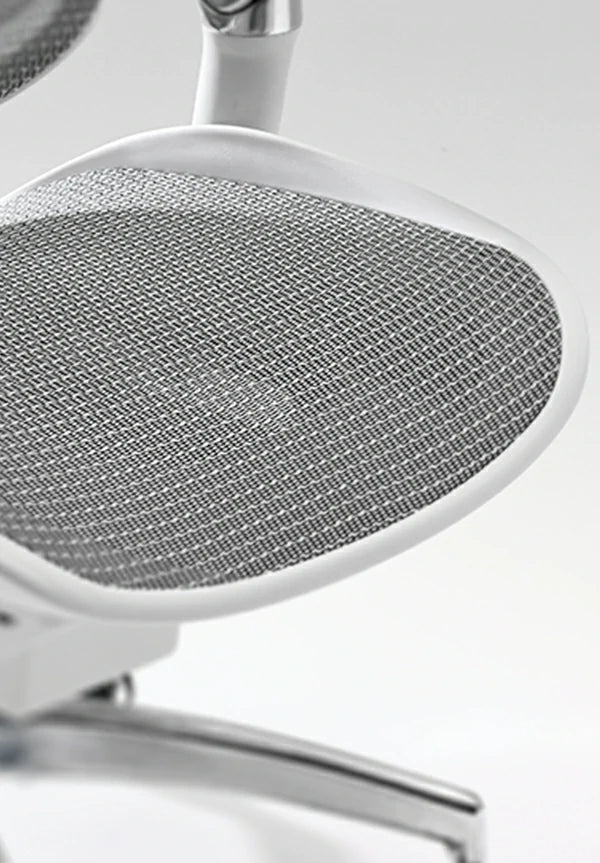
The mesh deserves special praise. It keeps airflow moving without making the chair feel cold or flimsy. On warmer days, that mattered. Anyone moving from padded leather or faux leather seating will notice the difference quickly. The C300 Pro feels less swampy, less sticky, and less fatiguing over time. It is simply easier to live with in a warm room.
The chair also feels durable enough for long-term ownership. We never got the sense that this was a chair built to impress for a month and then start developing play in the frame or looseness in the support structure.
In practical, day-to-day use, the C300 Pro feels like a chair built by people who understand how long desk work actually feels.
Use-case performance
For long workdays
This is the Sihoo’s best use case.
If your day involves hours of typing, meetings, editing, emails, spreadsheets, or any other desk-bound routine, the C300 Pro makes immediate sense. It gives you support without smothering you. It does not trap heat. It encourages better posture. And it has enough adjustment range that you can keep fine-tuning it instead of settling for “good enough.”
For mixed users in one office
This is where the chair surprised us.
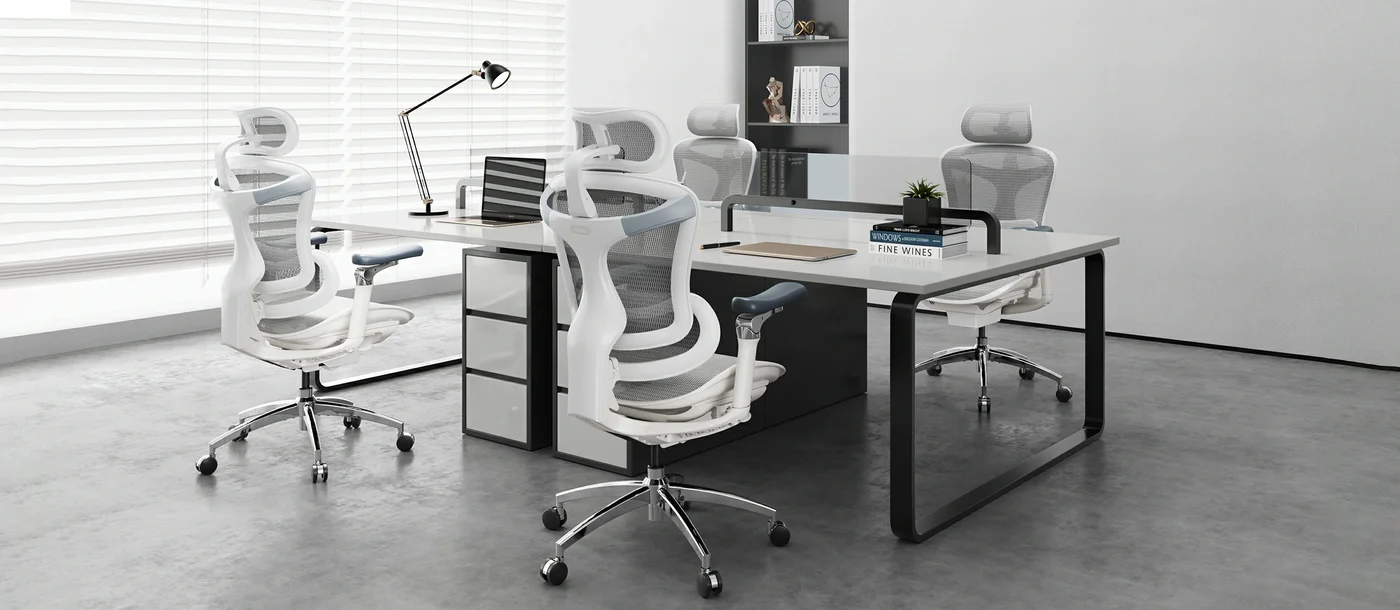
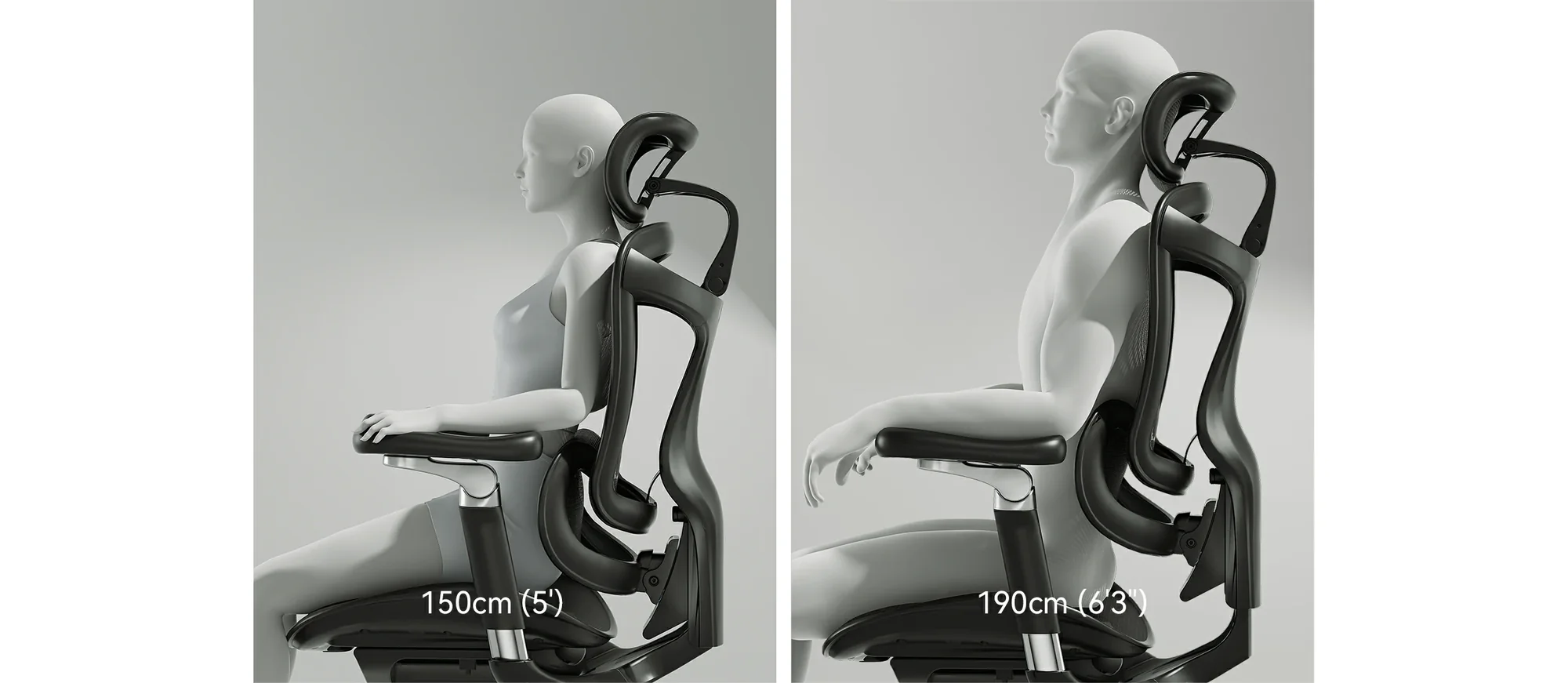
We tested it across a fairly wide range of body types, and the C300 Pro adapted better than expected. One larger tester around 6’4″ and 250 lbs got on with it particularly well, which is not something we say lightly because plenty of supposedly ergonomic chairs start feeling undersized or awkward for bigger users. The ability to pull the arms in without making the chair feel too narrow was genuinely helpful there.
On the other end, it also worked well for shorter users. That matters because a lot of chairs that accommodate bigger people end up feeling too tall or too deep for smaller frames. The C300 Pro avoids that better than many competitors.
We would still be cautious about very tall users who need lower arm positioning, because the armrest height can become the limiting factor. But across a normal mixed office environment, this chair has more fit range than most.
For reclining and casual use
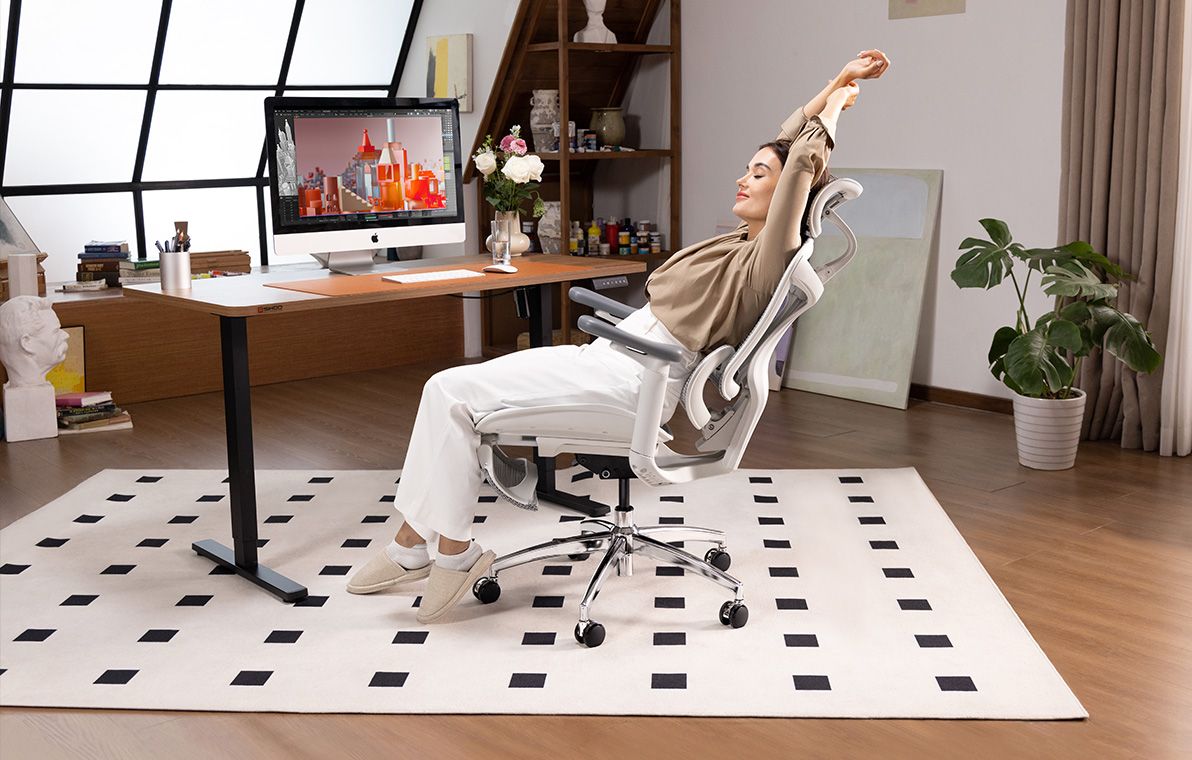
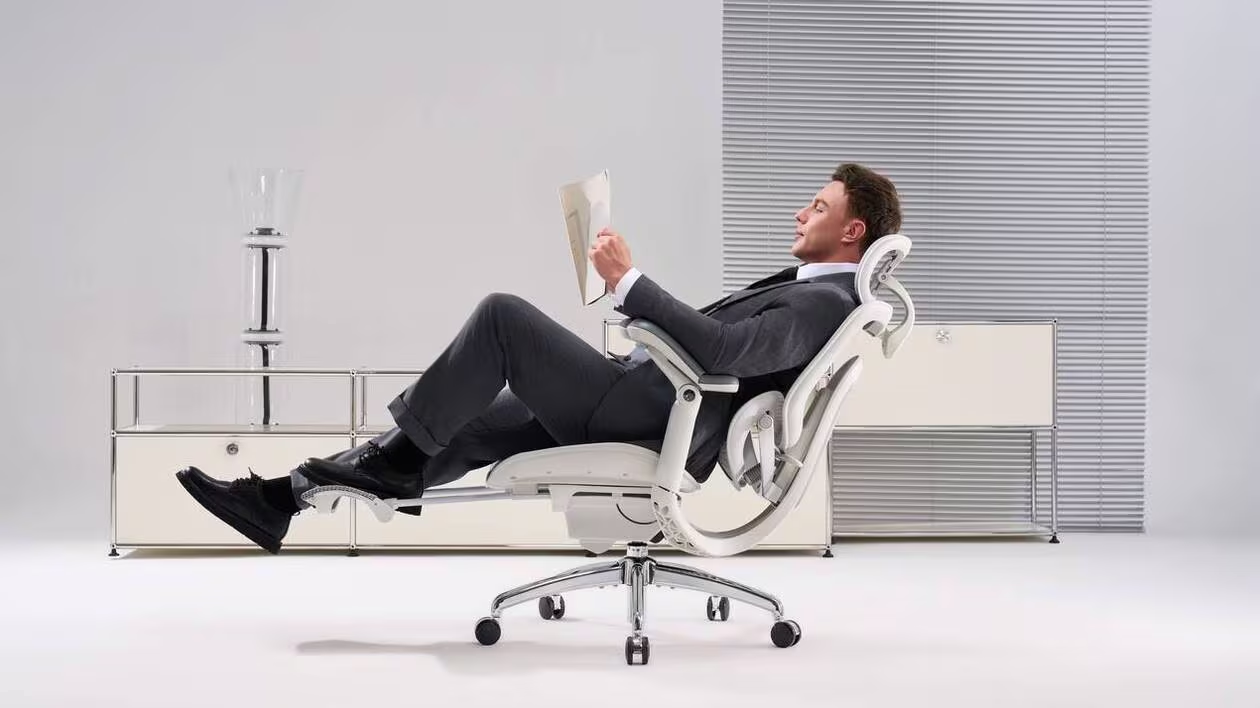
The chair reclines to 135 degrees, and that gives it more versatility than a strict task chair. We would not call it a lounge chair, obviously, but it is comfortable enough to lean back, think, take a breather, or shift into a less rigid posture between tasks.
The armrests’ tilting ability can actually help here. When you are not typing and just want forearm support while using a controller, holding a phone, or reading, the extra movement makes more sense.
So yes, the armrests are annoying. But they are annoying in a way that comes from too much freedom, not too little. That distinction matters.
Comfort and ergonomics
This is the reason to buy the chair.
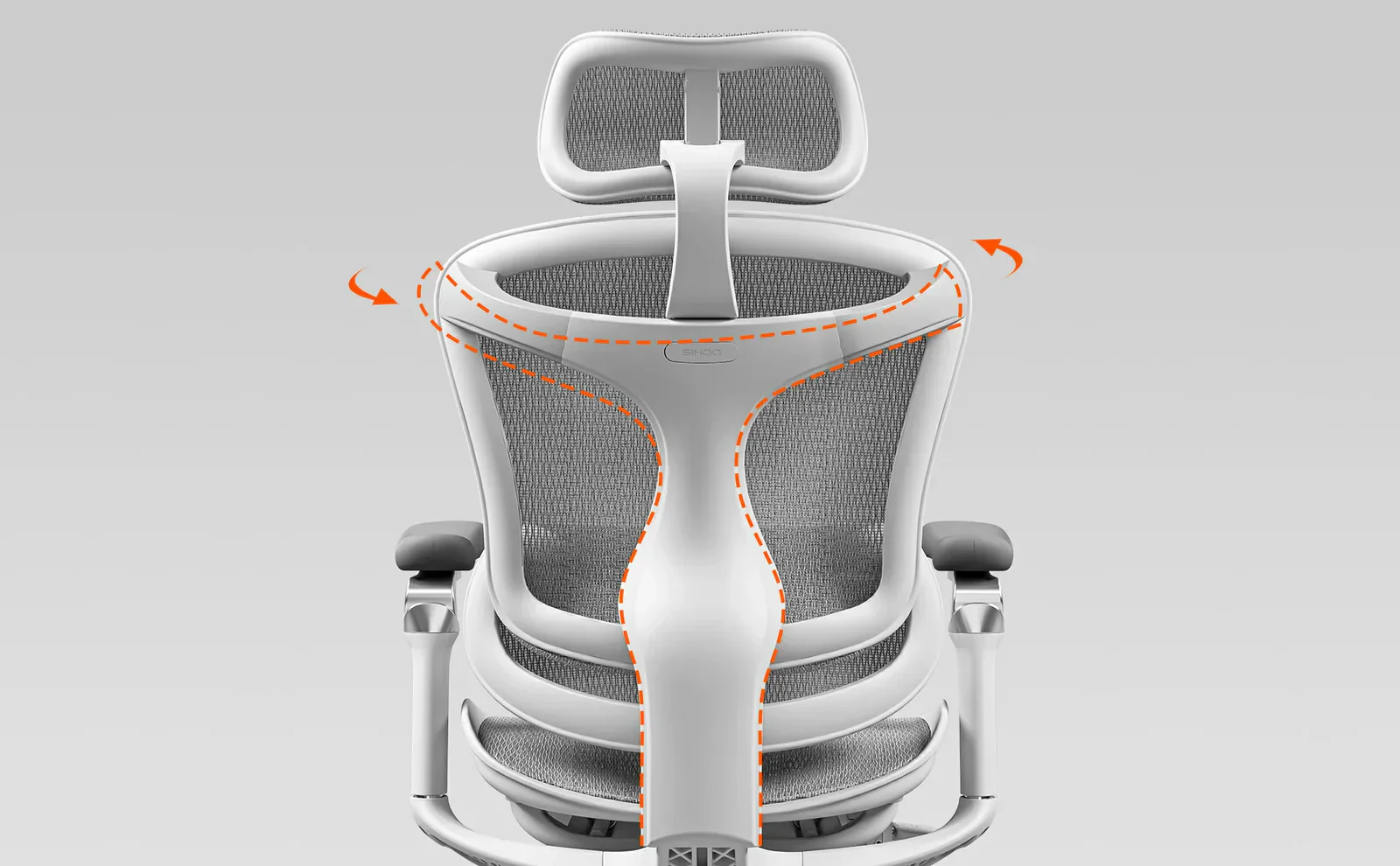
The dynamic lumbar support is the headline feature, and it deserves the attention. It is not the usual static lump in the lower back that either works for you or does not. It has some movement to it. It applies consistent support with a bit of spring and follows the body more naturally than rigid lumbar systems do.
What stood out to us was how “alive” the lumbar feels. It is present, but not hard. Supportive, but not like a plastic object jamming into your spine. For several testers, it immediately felt right. For others, it took a little adjustment, mostly because it behaves differently from more basic lumbar systems.
The best way to describe it is this: it keeps a light, constant counterpressure on your lower back. If you like feeling supported, it is excellent. If you prefer almost disappearing lumbar support, it may feel more assertive than expected at first.
The seat itself is also very well judged. It has enough give to feel comfortable, enough firmness to keep you properly positioned, and enough shape to feel supportive rather than flat. The sliding seat-depth adjustment is particularly useful because it lets you dial in thigh support without pushing your lower back away from the lumbar system.
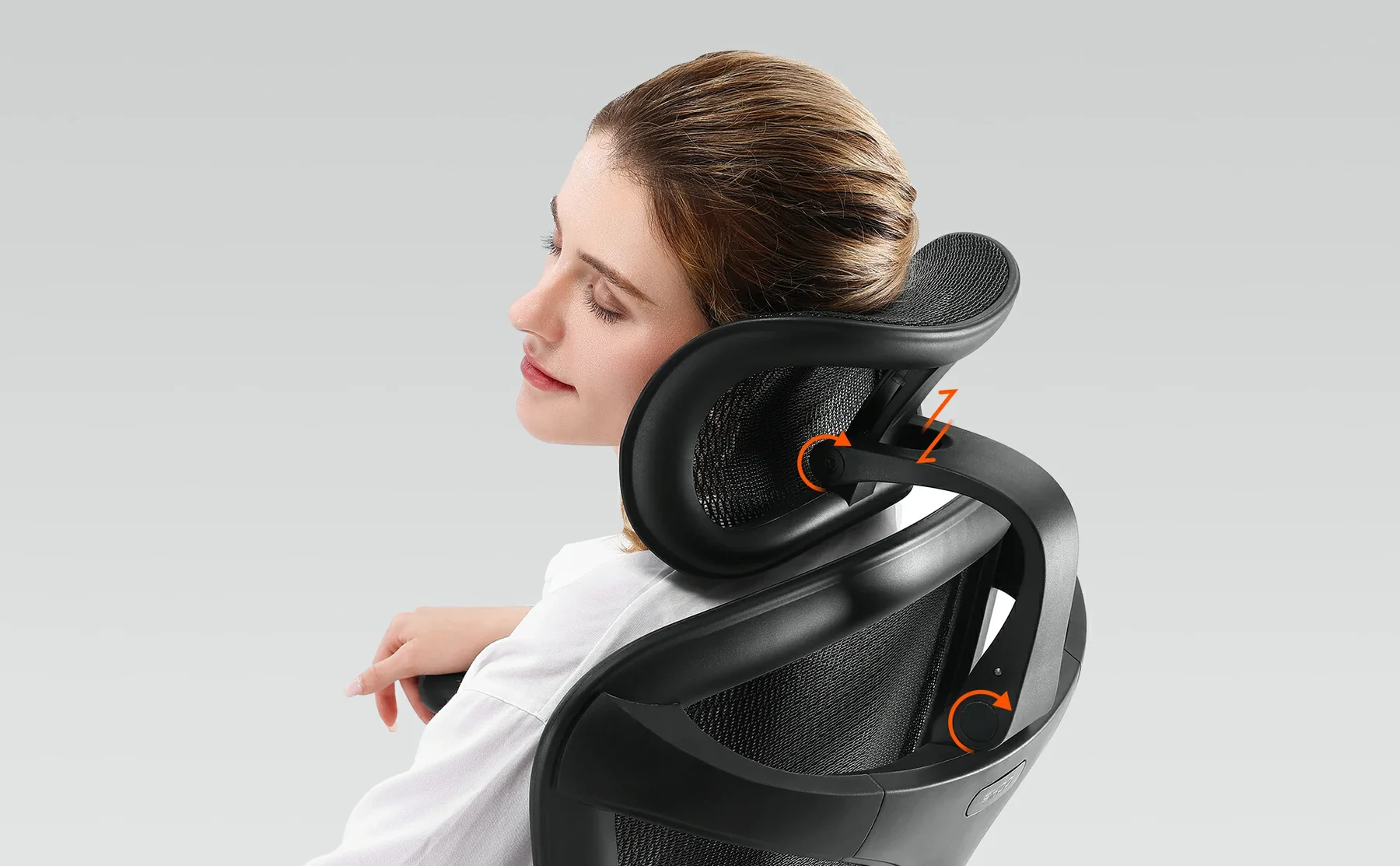
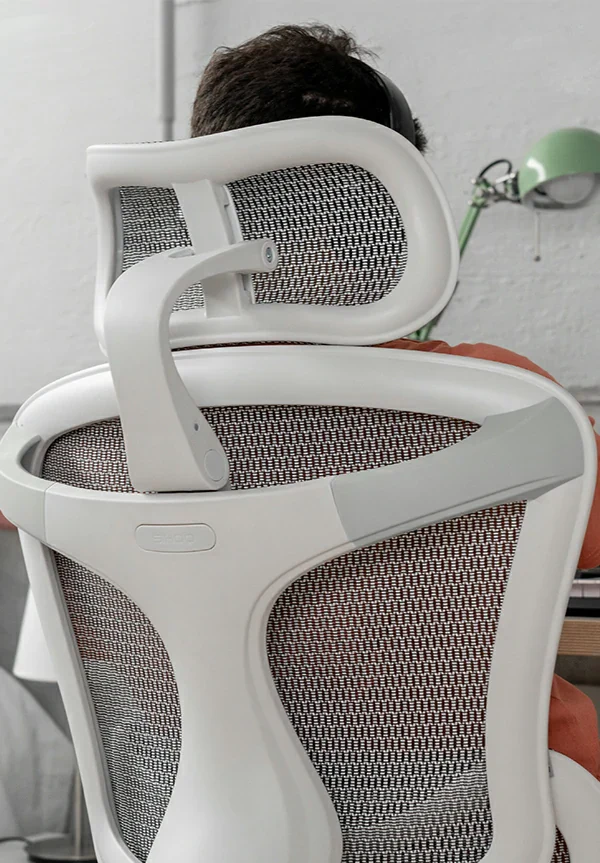
The headrest is another plus overall. It is adjustable enough to be genuinely useful instead of decorative. When upright, it stays mostly out of the way. When reclining, it becomes much more relevant. That is exactly what we want from a headrest.
And then there is the airflow. The all-mesh design is not just a spec-sheet talking point. It changes the daily experience. The chair stays cooler than cushioned alternatives, and that matters more the longer you sit.
We also noticed that the C300 Pro has a kind of “cradled” feel once adjusted properly. It does not swallow you, but it does support you in a more enveloping way than many cheaper office chairs. That feeling made a real difference for anyone who normally struggles with extended sitting.
If we judged the chair on comfort alone, it would score very highly.
Flaws and frustrations
Now the bad part, because there is one flaw we kept coming back to.
The armrests are too mobile.
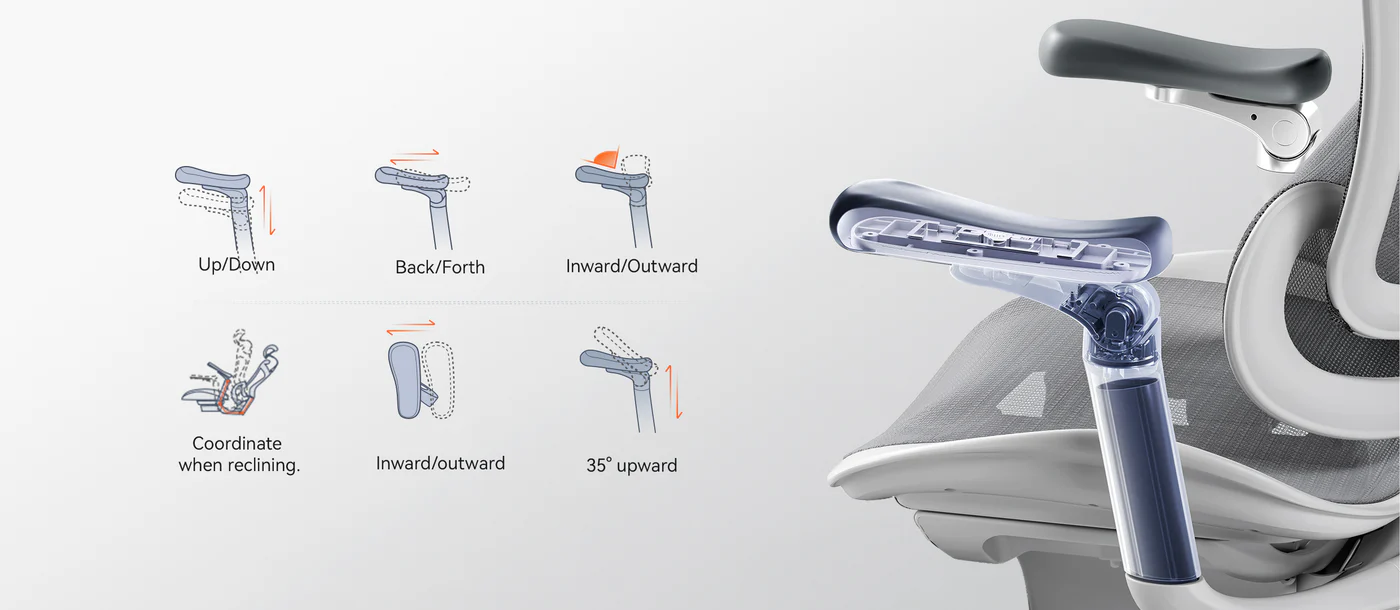
Yes, they are highly adjustable. Yes, they can move in more directions than most people will ever need. Yes, the broader range will appeal to some users. But in actual use, they are just too easy to knock out of position. That was not a one-time complaint. It kept happening.
Sit down a little off-center? They move. Brush them with your hip? They move. Shift around? They move. Drop a bag on the seat carelessly? They move. Every time this happened, we had the same reaction: why is there no lock?
This is not a dealbreaker for everyone. Some people will barely care. But if you use armrests heavily while typing, gaming, or settling into a consistent working posture, it gets old. Fast.
The second issue is lumbar adjustability. The lumbar support itself is very good, but the depth is not as tunable as we would like. You can adjust height by changing the backrest position, but you cannot fine-tune the lumbar protrusion the way you can on some more expensive chairs. The default behavior worked well for most of us, but if it does not suit your body, there is only so much you can do.
The third issue is smaller, but still worth noting: the headrest can click loudly when it shifts. This did not happen constantly, but when it did, it was more noticeable than it should have been.
We also found the chair heavier and less smooth to move than some alternatives. It rolls fine. It is just not especially nimble.
And while the chair adapts surprisingly well to different body types, we would not call it universal. Taller users may wish the armrests dropped a bit lower. Very broad users will want to pay close attention to fit. The C300 Pro covers a wide range, but not literally everyone.
Value for money
The C300 Pro sits in an interesting spot.
It is not a cheap office chair, and it should not be judged like one. But it also does not play in the painfully expensive tier where buyers expect perfection because they are spending absurd money. That gives it room to compete on something much more practical: how much ergonomic comfort it delivers before prices get ridiculous.
And here, Sihoo does well.
The chair feels premium enough to justify being above entry-level options. The mesh is better. The lumbar support is better. The fit range is better. The general design is smarter. The comfort over long sessions is clearly better than what most bargain chairs can manage.
Where the value gets trickier is when the Pro version is priced too far above the regular C300. In that situation, the upgrade becomes harder to defend because the armrest issue still exists, and the jump does not feel transformational enough to justify a huge premium.
So our view is simple:
- At a sensible mid-premium price, the C300 Pro makes a lot of sense.
- At a steep premium over the standard model, we start asking harder questions.
Still, in the broader ergonomic chair market, this remains a good-value chair because it gets the fundamentals right. It feels expensive where it should feel expensive.

Pros and cons
Pros
- Excellent dynamic lumbar support
- Very comfortable for long work sessions
- Breathable all-mesh design keeps heat down
- Strong fit range across different users
- Useful seat-depth adjustment
- Headrest is actually worth having
- Premium, modern design without gamer-chair silliness
- Solid build quality
- Easy enough to assemble
Cons
- Armrests move too easily
- No locking mechanism for the armrests
- Lumbar depth is not adjustable enough
- Headrest can click when it shifts
- Heavier and less glidy than some rivals
- Armrest height may not suit every taller user perfectly
Who should buy it
Buy the Sihoo Doro C300 Pro if you want a chair that prioritizes real ergonomic comfort over gimmicks.
This chair makes the most sense for people who spend long hours at a desk and want:
- Better lower-back support
- Cooler seating than padded leather or faux leather chairs
- Enough adjustability to dial in a proper fit
- A chair that works in a home office without looking dull or childish
- One chair that can suit more than one person in a shared workspace
We would especially point it toward people who already know they respond well to active, supportive lumbar systems. If that sounds like you, the C300 Pro has a lot to offer.
Who should skip it
Skip it if your relationship with armrests is serious.
If you want firm, stable, predictable arm support and hate the idea of readjusting them, this chair will test your patience. It is also not the best pick if you want a very simple chair with fewer variables to fine-tune. The C300 Pro rewards setup time, and not everyone enjoys that.
We would also be slightly cautious for very tall users who are picky about elbow positioning, and for buyers who mainly care about effortless rolling around a room.
Final verdict
The Sihoo Doro C300 Pro is a very good ergonomic office chair that would have been an easy favorite if Sihoo had just shown a little more discipline with the armrests.
That sounds harsh, but it is actually a compliment. We are hard on that flaw because the rest of the chair is strong enough to make it frustrating. The lumbar support is excellent. The mesh is comfortable and breathable. The seat support is very well judged. The overall fit range is better than expected. The design looks premium without trying too hard. And once properly adjusted, this is the kind of chair we were happy to work in for long stretches.
In other words, the C300 Pro gets the parts that matter most right.
So our verdict is this: if you can tolerate the overly mobile armrests, the Sihoo Doro C300 Pro is one of the better ergonomic mesh chairs in its class. It feels thoughtful, comfortable, and mature in the ways that count. It is not perfect, but it is very easy to understand why so many people end up genuinely attached to it.
FAQ
Is the Sihoo Doro C300 Pro comfortable for long hours?
Yes. That is one of its biggest strengths. We found it comfortable across full workdays, with especially strong support in the lower back and a seat that stays supportive without turning harsh.
Is the lumbar support actually good or just a marketing feature?
It is actually good. The dynamic lumbar system is one of the chair’s strongest features. It gives consistent support and feels more responsive than the rigid lumbar pieces used in many cheaper chairs.
Are the armrests really that annoying?
For some people, yes. They are not badly shaped and they do offer a lot of range, but they move too easily. If you like stable armrests, this will probably be your main complaint.
Does the mesh seat feel cheap?
No. The mesh is one of the better parts of the chair. It feels supportive, breathable, and durable rather than thin or plasticky.
Is it good for taller users?
It can work well for taller users, and we had a larger tester get on with it surprisingly well. That said, the armrest height may become the limiting factor for some people, so it is not an automatic yes for every tall buyer.
Is it good for shorter users?
Better than many chairs in this category, yes. The seat height and seat-depth adjustment make it more adaptable than a lot of mesh office chairs that only really suit average-height users.
Is the Sihoo Doro C300 Pro easy to assemble?
Fairly easy, yes. It is not prebuilt and it is not a five-minute job, but the instructions are clear enough and the included tools help. Expect around 30 to 60 minutes.
Does it roll smoothly?
Smoothly enough, but not brilliantly. The chair feels heavier than some alternatives, and that slightly affects how nimble it feels around the room.
Is it worth the price?
Usually yes, provided the price gap over the standard C300 is reasonable. The comfort, lumbar support, mesh quality, and adjustability make sense at a mid-premium level. If the Pro commands too large a premium, the value gets less convincing.
Who is this chair really for?
People who want a serious ergonomic office chair with excellent back support, better airflow than padded chairs, and enough adjustability to fit different bodies without drifting into ultra-expensive territory.
Explore the Full Gallery
Every image from this article, gathered in one clean place. Tap any photo to open it larger.