
The HBADA E3 Pro Ergonomic Office Chair 2026 Edition looks like the kind of chair that should solve a lot of problems. It is loaded with adjustments, it leans hard on ergonomic language, and it presents itself as a serious alternative to pricier office chairs. After spending real time with it, our verdict landed in the opposite direction.
This is not a hidden gem. It is a bulky, overcomplicated chair with shaky hardware, poor refinement, and too many moments where the whole experience feels cheaper than the price suggests. It may appeal to buyers who are drawn to feature lists and aggressive sale pricing, but we would not recommend it to anyone looking for a genuinely premium ergonomic chair.
Quick verdict
Best for: people who prioritize a long list of adjustments over polish, and buyers who are willing to tolerate quirks if they find it heavily discounted.
Avoid if: you want dependable build quality, stable armrests and headrest, reliable recline behavior, a tidy-looking mesh chair, or anything that feels truly premium for the money.
What we liked: the chair is highly adjustable on paper, the seat and back are breathable, the lumbar concept is ambitious, and the overall feature set sounds impressive before you actually live with it.
What disappointed us: assembly was frustrating, the headrest wobble is hard to ignore, the armrests feel loose and awkward, the recline lock inspires very little confidence, the footrest feels like an afterthought, and the whole chair looks and feels less refined the longer you spend with it.
Final verdict: the HBADA E3 Pro tries to win on quantity of features, but the quality behind those features never catches up. We would skip it.
What we tested
We spent time with the HBADA E3 Pro, including assembly, daily desk work, recline use, armrest adjustment, lumbar tuning, and the retractable footrest. We also paid close attention to the things that matter most over time with an ergonomic chair: how stable it feels, whether the adjustments actually stay where you put them, whether the chair gets more comfortable as you dial it in, and whether the overall build justifies the asking price.
This is important with a chair like this because the sales pitch is not subtle. The E3 Pro is supposed to be one of those chairs that can be endlessly tuned to your body. That only matters if the moving parts feel solid, the mechanisms behave consistently, and the extra complexity actually improves the workday rather than interrupting it.
That was not our experience.
How we tested it
We approached the E3 Pro like we would any office chair that claims to support long sessions: we assembled it ourselves, adjusted it repeatedly, used it at a standard desk, leaned back in it, shifted around naturally, worked in it, and tried to see whether the ergonomic story held up once the novelty wore off.
We paid attention to a few basic questions.
Does it feel sturdy when you first sit down?
Do the headrest, armrests, lumbar support, and recline lock behave like well-engineered parts, or like busy mechanisms trying to impress in a product photo?
Does the chair become more comfortable once you dial it in, or do you end up fighting it?
And maybe most importantly: does it feel like something we would want to keep using after the review period ends?
The answer to that last question was easy. No.
Design and build quality
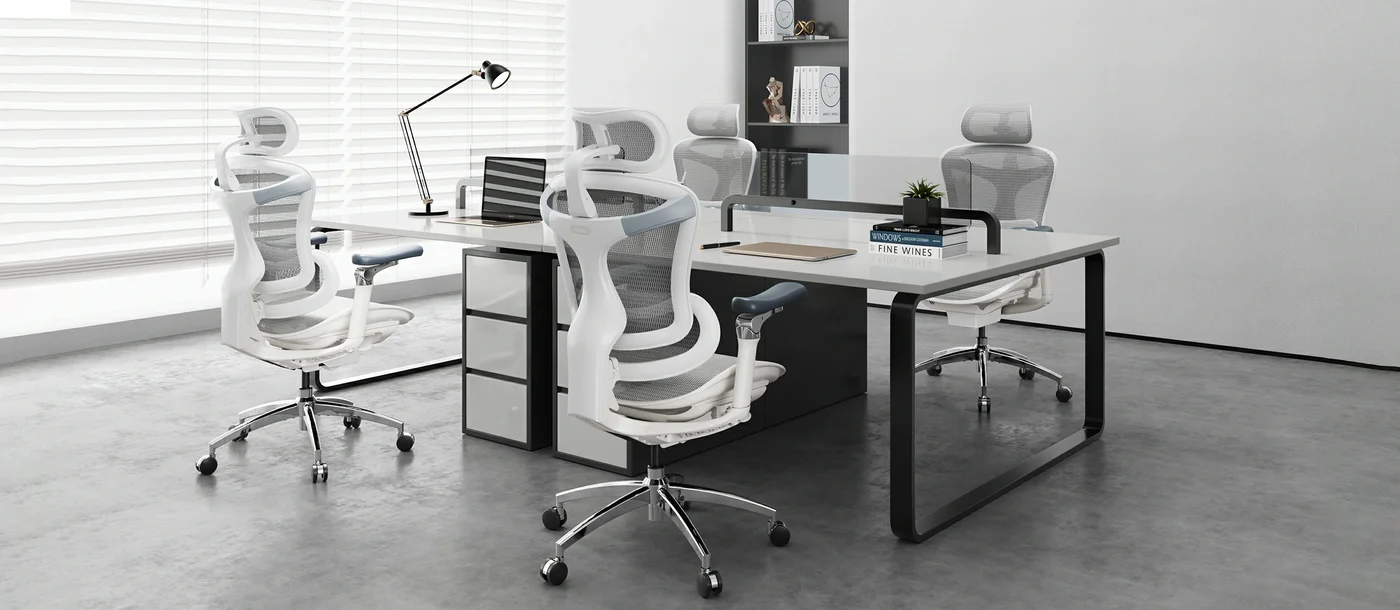
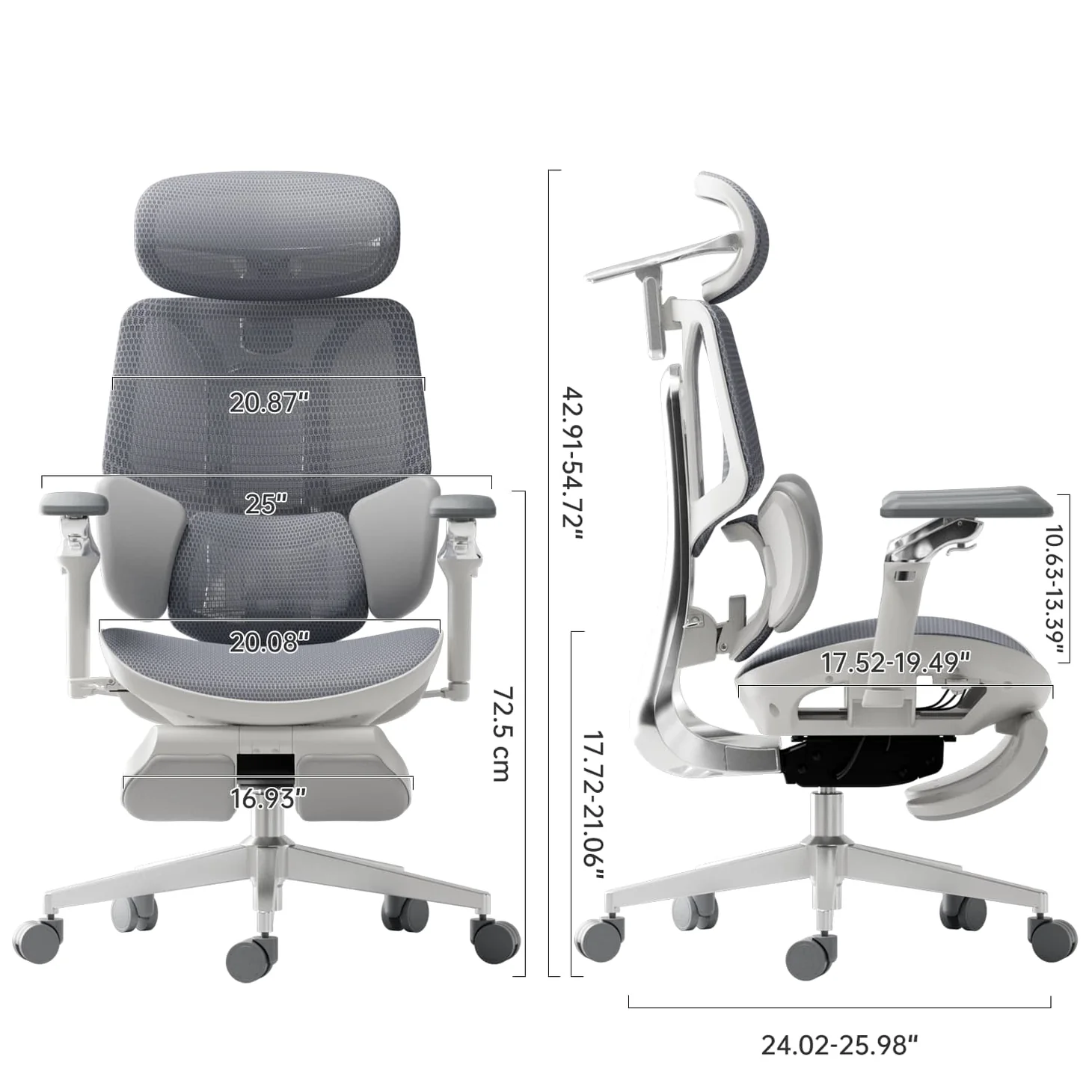
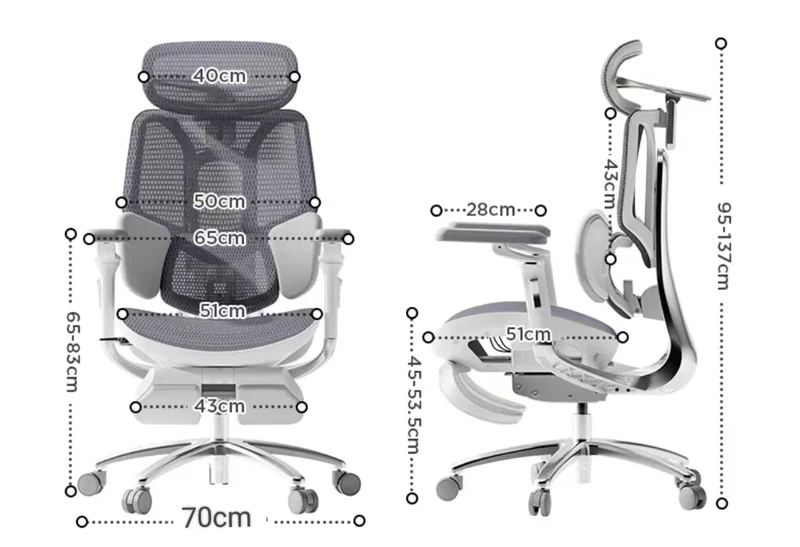
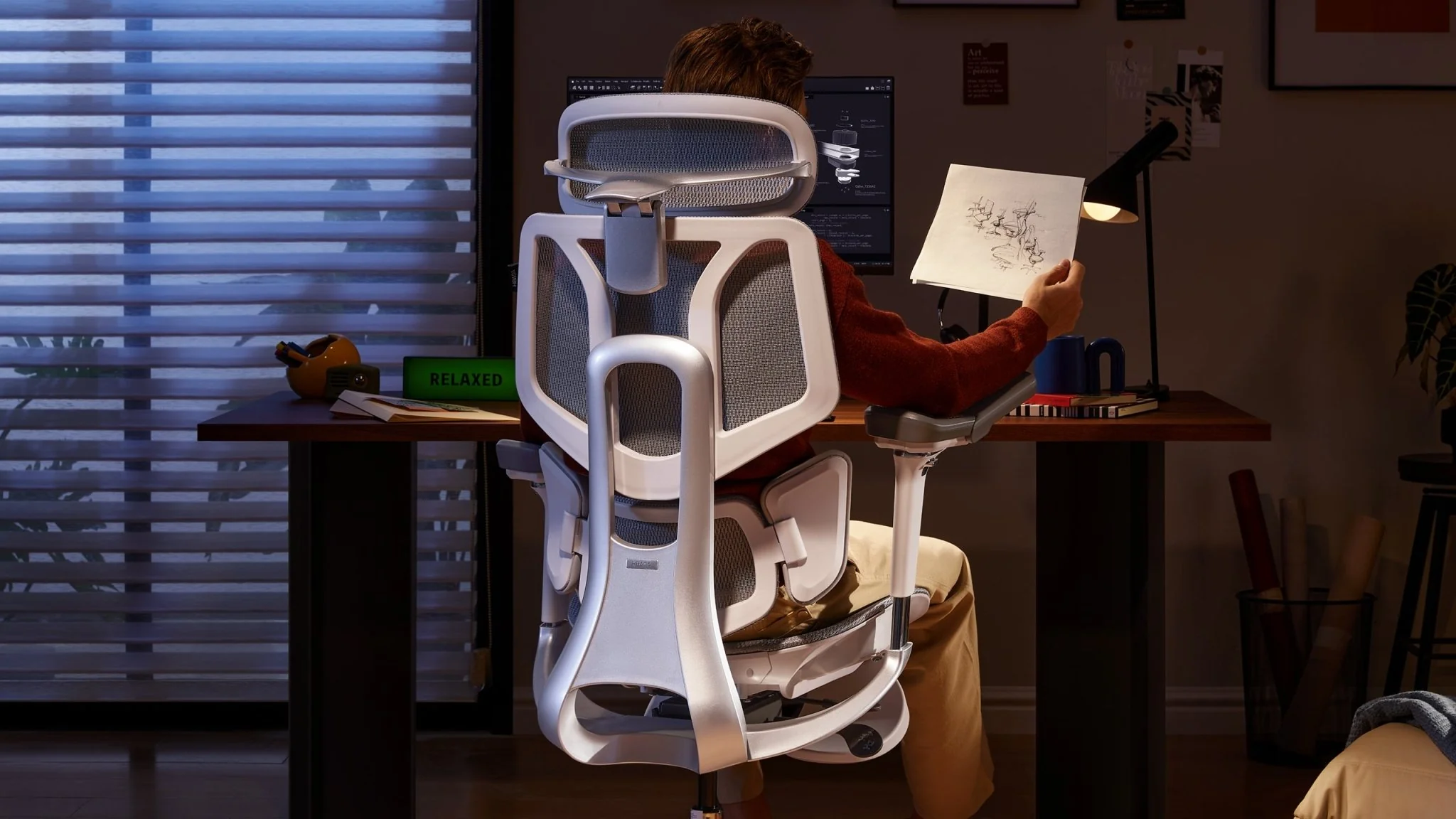
At a glance, the E3 Pro wants to look advanced. It has that modern ergonomic-chair silhouette, lots of visible articulation points, a mesh-heavy design, oversized arm structures, and enough moving parts to make the chair seem more premium than a typical mid-range office seat.
In person, the effect is less flattering.
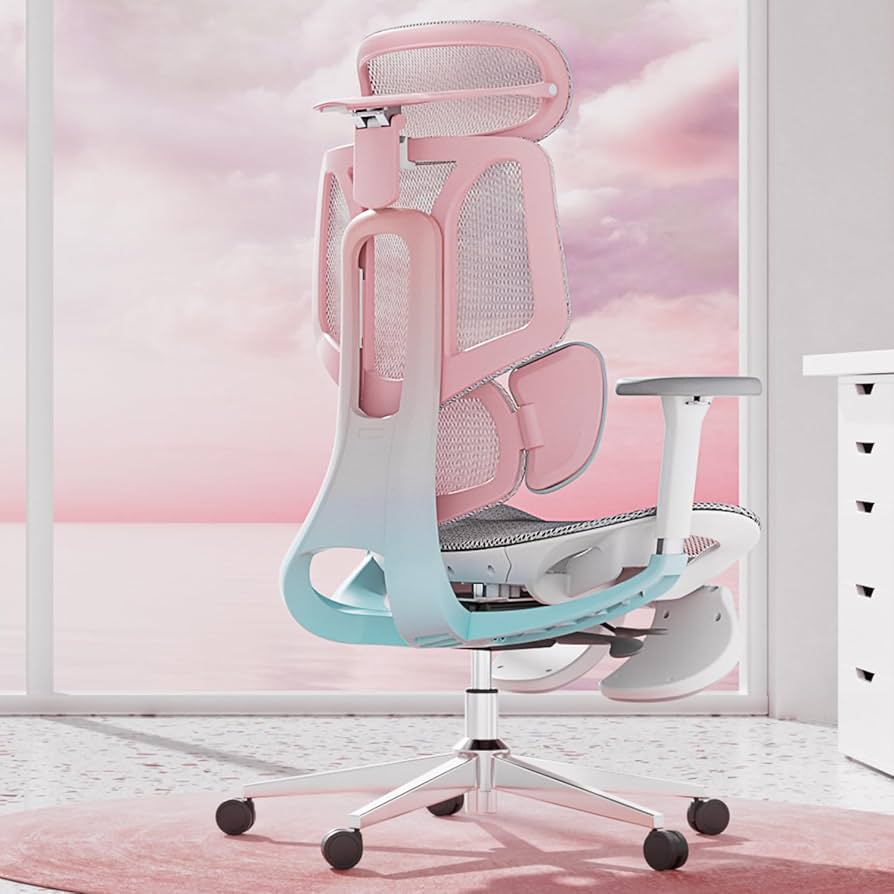
What stood out to us almost immediately was how little visual cohesion the chair has once you stop looking at it like a product photo and start looking at it like furniture you actually have to live with. The mesh does not create that clean, airy, high-end look that the best mesh chairs manage. Instead, it leaves too much of the underlying structure exposed. Screws, brackets, mismatched materials, plastic sections, and mechanical clutter are all more visible than they should be. Rather than feeling elegant, the chair feels overbuilt in the wrong places and under-refined in the ones that matter.
That matters more than it sounds. A lot of ergonomic chairs look technical, but the good ones still feel intentional. Here, the transparency of the mesh and the bulk of the frame make the E3 Pro feel busy and strangely unfinished. The white and grey styling only exaggerates that impression.
The other issue is that the chair never really feels tight and confidence-inspiring. Even before we get into specific problem areas, the general sense we had was that too many parts had a little too much play in them. That slight looseness becomes one of the defining impressions of the chair.
And once that happens, every adjustment stops feeling like a premium feature and starts feeling like another possible failure point.
Setup and first use
Assembly set the tone badly.
This was not one of those straightforward office-chair builds where the parts are intuitive, the instructions are clean, and you are sitting comfortably in half an hour. Putting the E3 Pro together was more annoying than it should have been, and more tiring than a chair at this price has any right to be.
Some parts were awkward to align, the instructions were not nearly as helpful as they needed to be, and the whole process felt more fiddly than premium. The headrest in particular was one of those parts that immediately made us question whether the people who designed the chair had really thought through the user experience from box to first sit.
By the time we finished assembly, we were already less patient with the chair than we would normally be. That is never a good sign. A chair does not need to be fun to assemble, but it should at least feel logical. The E3 Pro felt like it was asking for too much effort before it had earned any goodwill.
Then came the first sit, and instead of improving our mood, the chair mostly confirmed our concerns.
Real-world performance
Headrest: over-adjustable and underbuilt
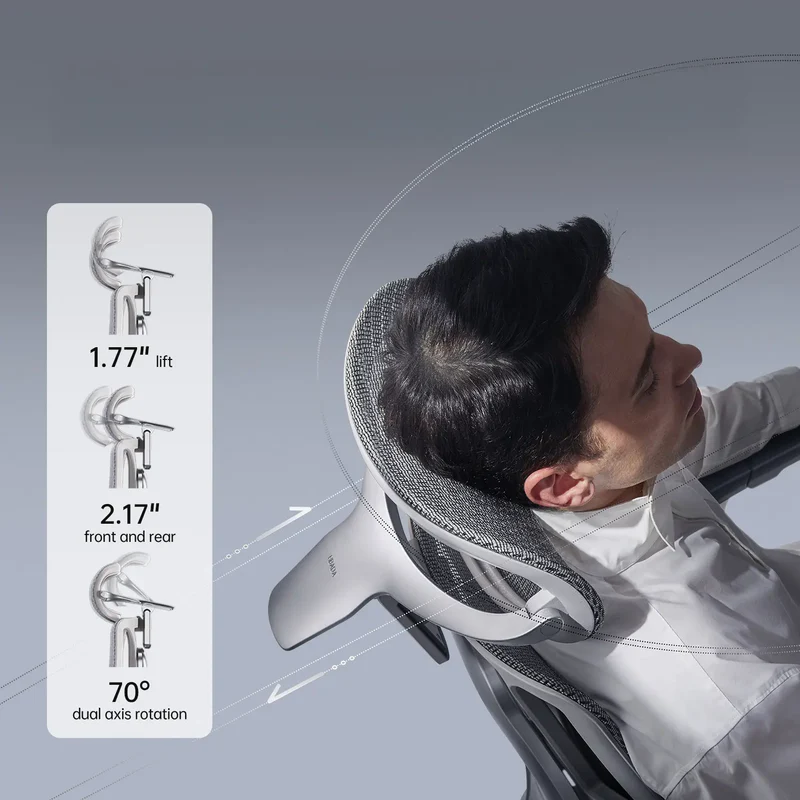
The headrest is one of the chair’s headline features, and in practice it became one of our least favorite parts of the entire experience.
Yes, it adjusts in multiple ways. Yes, you can move it around a lot. But what we noticed almost immediately was wobble. Not slight softness. Not a little flex. Actual wobble that makes the headrest feel loose and unfinished.
A headrest only works when it disappears into the experience. You lean back, it supports your neck and head naturally, and you stop thinking about it. The E3 Pro does the opposite. It reminds you constantly that it is a mechanism. It jiggles when it should feel settled. It never gives the impression of being locked in with conviction. Instead of comfort, you get movement.
That makes the chair feel cheaper every single time you use the headrest.
Lumbar support: a good idea with messy execution
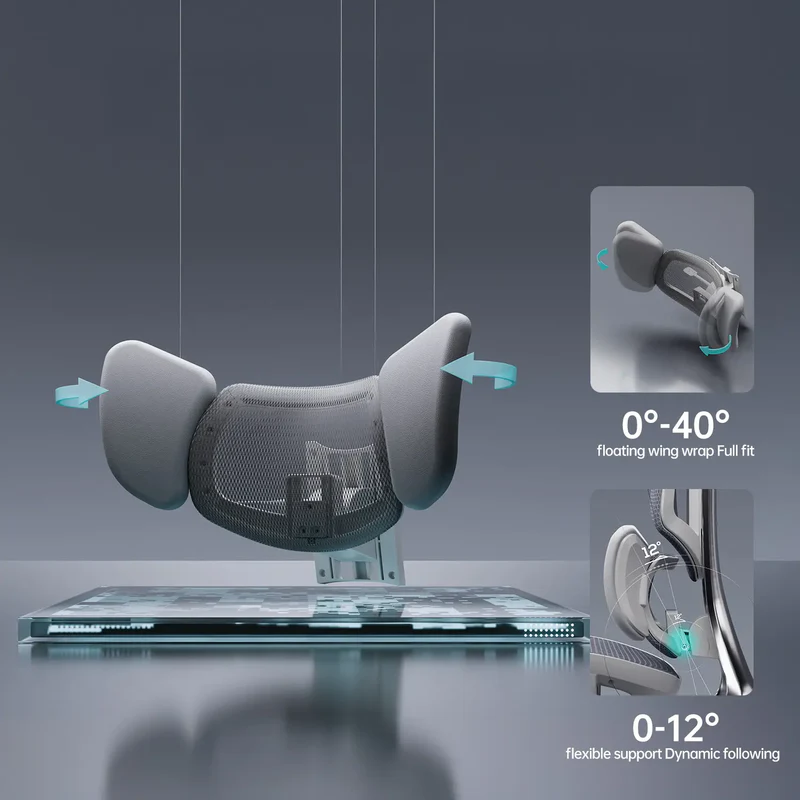
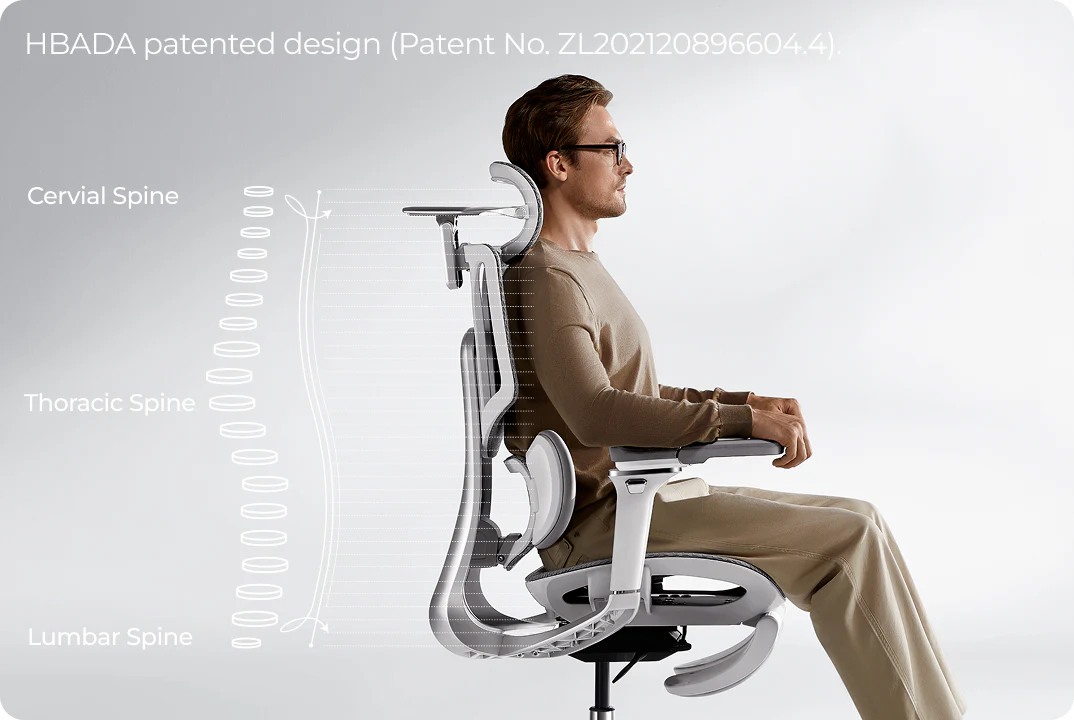
On paper, the lumbar system is one of the E3 Pro’s biggest selling points. The chair wants to be seen as highly supportive, highly adaptable, and serious about back comfort.
The problem is that a clever lumbar concept is not the same thing as a well-executed lumbar experience.
We could see what HBADA was trying to do here. The support is meant to feel dynamic and body-hugging rather than static and flat. In theory, that sounds promising. In practice, the lumbar section did not feel dependable enough. We had too many moments where it seemed to shift, settle oddly, or lose the clean, supportive feel it should have maintained.
What frustrated us most was that the lumbar did not feel like a silent, supportive foundation. It felt like another part we were monitoring. We would adjust it, sit back, move naturally, and then wonder whether it was still really where we wanted it. That is exactly the opposite of what a good ergonomic system should do.
The best chairs let you forget about the mechanics because the support feels stable and natural. Here, the mechanism never quite gets out of the way.
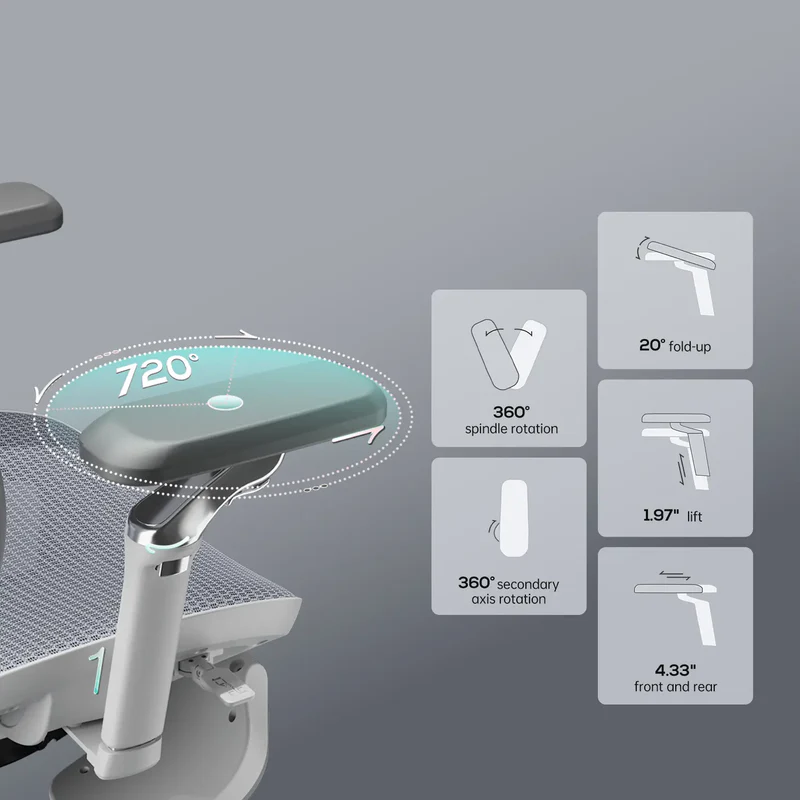
Armrests: one of the weakest parts of the chair
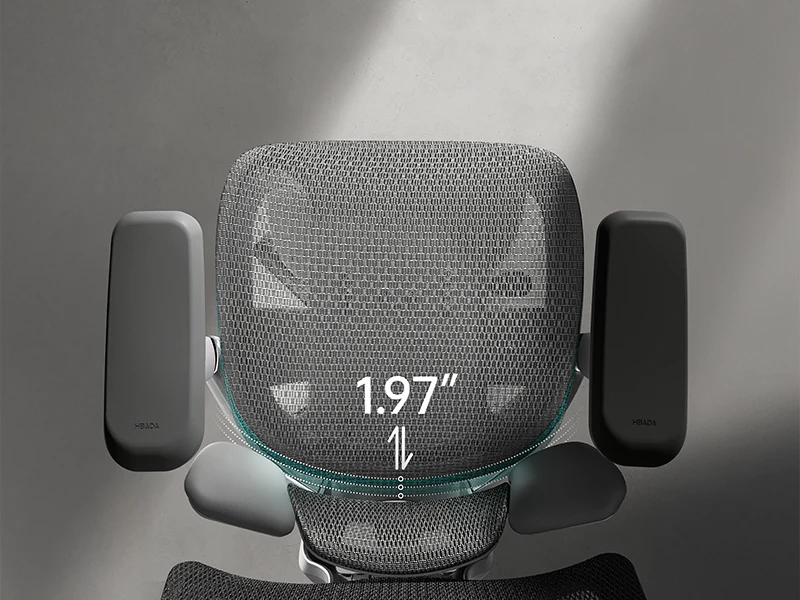
The armrests are ambitious. They move in multiple directions and clearly exist to make the E3 Pro look ultra-adjustable.
In daily use, they were one of the biggest reasons we stopped enjoying the chair.
The first problem is looseness. The second is positioning. The third is that the chair seems to assume that more armrest movement automatically equals better ergonomics. That is not true.
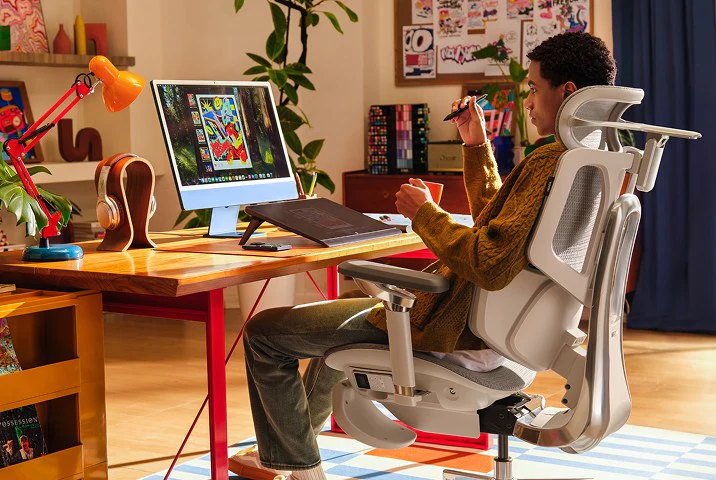
What we want from armrests is simple: they should feel stable, they should be easy to position, and once set, they should support natural desk work without constantly drawing attention to themselves. The E3 Pro’s armrests do not achieve that. They feel too easy to disturb, too eager to shift, and not as naturally placed for desk work as they should be.
We also found them too intrusive around the desk. They are large, they sit prominently, and they make it harder to forget about the chair and just work. In a product that is supposedly designed around comfort and daily usability, this becomes a serious flaw.
Loose armrests are not a small annoyance. They change how the entire chair feels. When the arm structures wobble, the whole product feels less planted.
That was absolutely the case here.
Recline and tilt lock: the trust problem
A chair does not need to be luxurious to feel trustworthy. It just needs to feel mechanically sound.
The E3 Pro struggled here too.
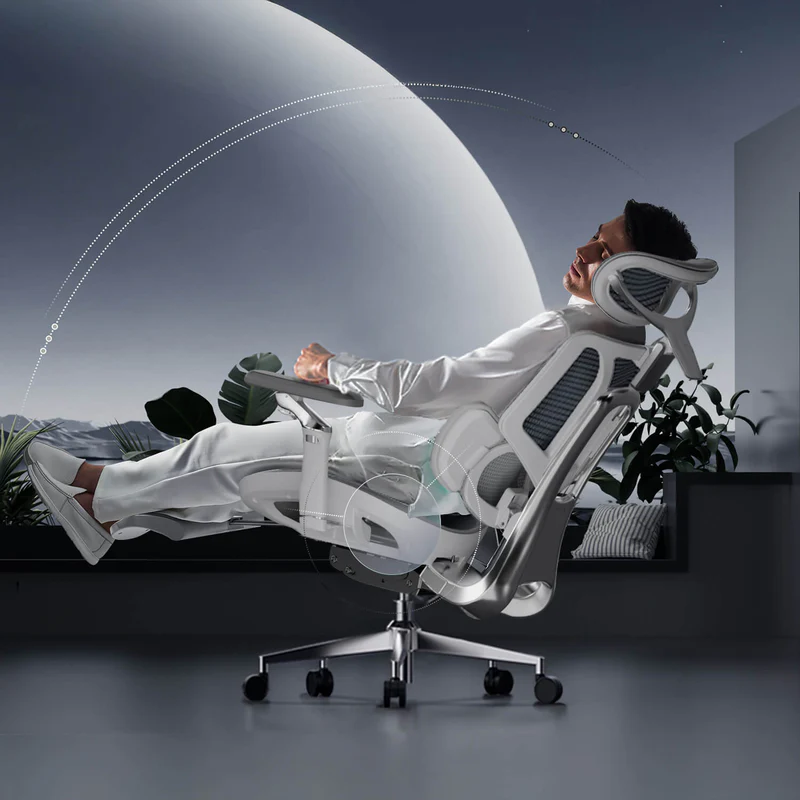
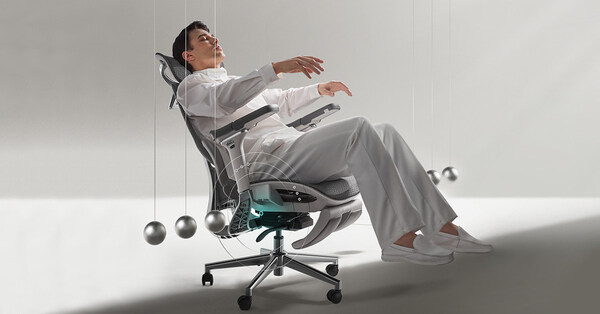
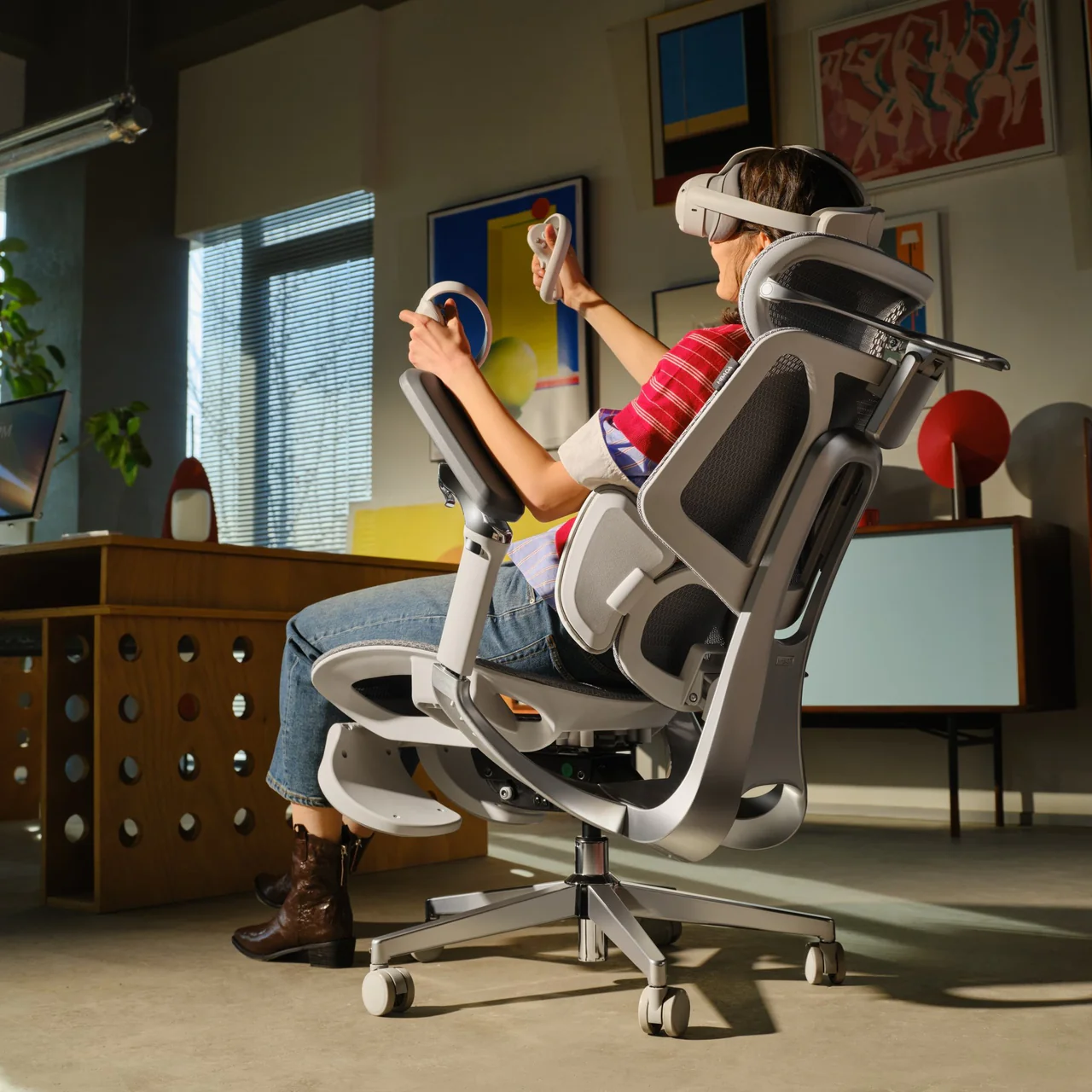
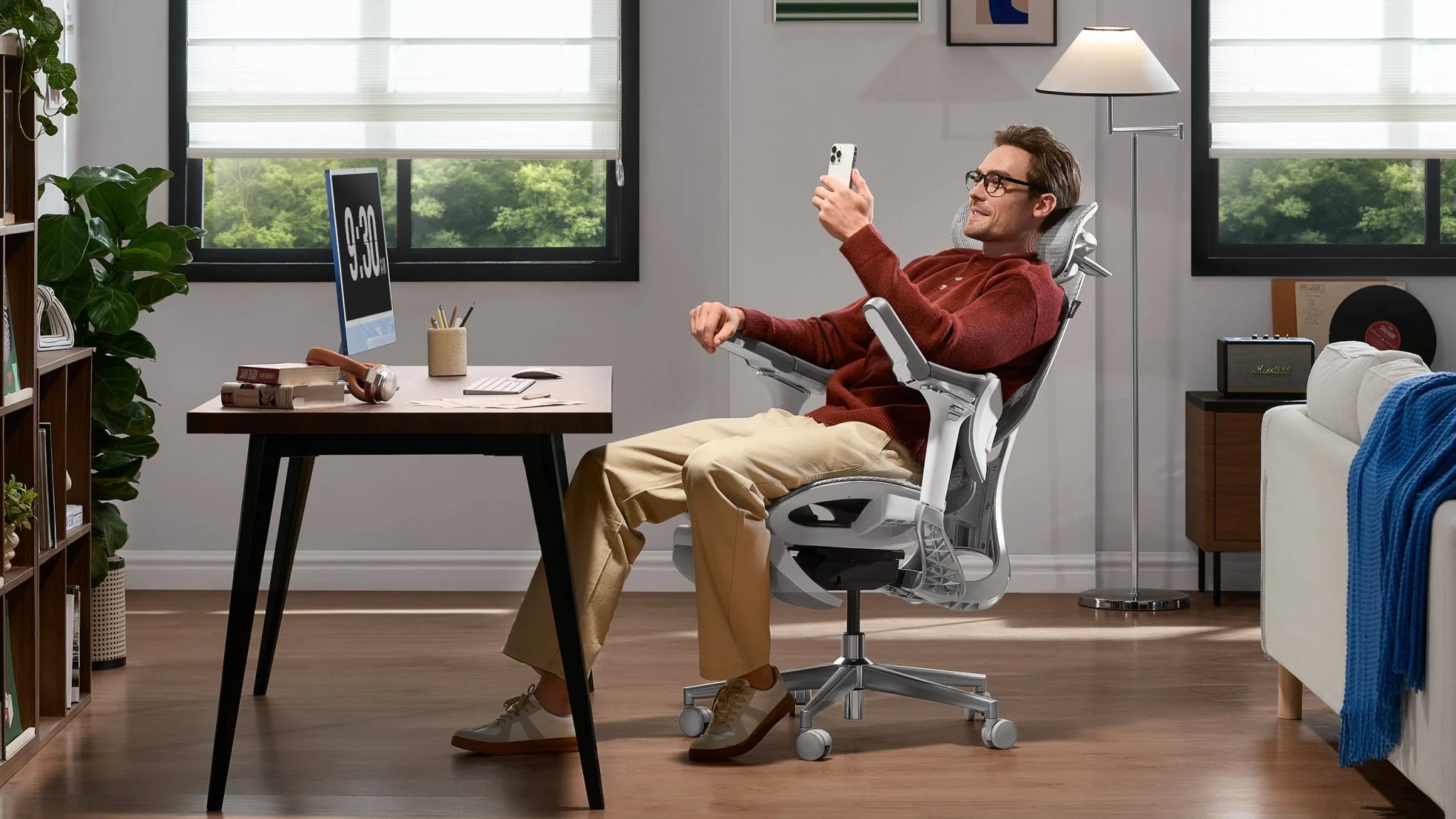
The recline function and lock points are supposed to add flexibility, but we never reached a point where we fully trusted the mechanism. There were too many moments where leaning back felt less secure than it should have, and where the lock behavior did not inspire the kind of confidence you want from a chair designed for long sessions.
That creates a strange tension in use. This is a chair that wants you to recline, experiment, shift posture, and use all of its ergonomic range. But when the mechanism underneath that promise feels inconsistent, you stop relaxing into the chair. You become more careful with it.
That should never happen in a chair marketed as supportive and premium.
Footrest: more gimmick than value
The retractable footrest is one of those features that sounds better in a checklist than it feels in real life.
We are not against footrests in chairs when they are well integrated. They can be a nice extra if the core chair is already solid. But here, the footrest felt like an add-on feature bolted to a chair that already had enough problems.
It slides out from under the seat and works in the most basic sense, but it never felt convincingly robust. We did not come away thinking it transformed comfort or made the chair more versatile in a meaningful way. We came away thinking it was one more part that made the whole product feel more complicated without making it feel better.
On a strong chair, a footrest can feel like a bonus. On the E3 Pro, it mostly felt like a distraction from bigger issues.
Comfort and long-session use
There is a frustrating thing about the E3 Pro: it is not entirely without comfort.
The mesh seat and back are breathable, and there are moments when you can feel the shape of what this chair wanted to be. With enough adjustment, you can get into positions that feel reasonably supportive. That is part of what makes the chair disappointing rather than merely cheap. There is a chair-shaped idea in here that could have been decent.
But in daily use, comfort was constantly undercut by instability and irritation.
A chair is not comfortable just because the materials breathe or the lumbar has movement. It has to feel settled. It has to feel predictable. It has to stop making you think about its flaws every time you lean back, shift your arms, or rest your head.
The E3 Pro never got there.
Over time, what stayed with us was not “this chair supports us well.” It was “this chair has too many ways to remind us it is not especially well made.”
That difference is everything.
Flaws and frustrations
If we had to sum up the E3 Pro in one sentence, it would be this: it is a chair that mistakes feature density for refinement.
That shows up everywhere.
The headrest moves too much but supports too little.
The armrests adjust in many ways but still do not feel right often enough.
The lumbar system sounds advanced but does not feel trustworthy enough in practice.
The recline function exists, but the confidence is not there.
The mesh keeps airflow moving, but it also exposes too much of the chair’s messy understructure.
The footrest exists, but adds more gimmick energy than genuine value.
And then there is the price. This is where the E3 Pro becomes hard to excuse. We can forgive a lot in a cheap chair. We can forgive compromises when the value is obvious. But the E3 Pro positions itself as something more serious. That means expectations go up.
So does scrutiny.
And under scrutiny, the chair comes up short.
Value for money
This is not a chair we would call good value unless the price falls low enough that you start judging it like a compromised budget experiment instead of a credible premium-office option.
At its usual sale pricing, it still feels too expensive for the execution on offer. We kept coming back to the same thought: if a chair wants to sell itself on ergonomics and sophistication, it has to feel more polished than this. The E3 Pro feels like the money went into adding motion and visual complexity, not into making those parts feel truly solid.
That is why the value proposition never clicked for us.
You are not paying for simplicity, trust, durability you can feel, or a clean user experience. You are paying for a lot of features, some of which sound better than they perform.
That is not the same thing.
Pros and cons
Pros
Breathable mesh design that keeps airflow moving during longer sessions.
Plenty of adjustments for buyers who enjoy fine-tuning every part of their chair.
Ambitious lumbar concept that at least aims higher than basic flat-back office chairs.
Footrest included on some versions, which may appeal to buyers who like extra lounging features.
Cons
Frustrating assembly that feels far less polished than it should.
Wobbly headrest that never feels properly confidence-inspiring.
Loose, awkward armrests that hurt daily usability.
Questionable recline-lock confidence under normal movement.
Messy visual design that exposes too much of the chair’s mechanical clutter.
Weak premium feel for the money.
Footrest feels like an afterthought rather than a real selling point.
Who should buy it
Honestly, not many people.
If you are a buyer who loves experimenting with chair adjustments, can live with looseness in the hardware, and can get the E3 Pro at a steep enough discount, you may still find some appeal in the sheer number of features here. There will always be someone who sees a headrest that moves in multiple directions, armrests that articulate all over the place, a dynamic lumbar system, and a footrest, and decides that the trade-offs are acceptable.
We are not that buyer.
Who should skip it
Most people looking for a real ergonomic upgrade should skip it.
Skip it if you want a chair that feels stable.
Skip it if you care about refined build quality.
Skip it if you hate wobble, looseness, noisy mechanisms, or overcomplicated hardware.
Skip it if you want something that feels premium rather than merely feature-packed.
And definitely skip it if you are comparing it in your mind to genuinely high-end ergonomic chairs. This is not in that class.
Final verdict
The HBADA E3 Pro Ergonomic Office Chair 2026 Edition talks a very big game. It promises support, adjustability, long-session comfort, and a premium ergonomic experience without premium-brand pricing. After spending real time with it, we think the gap between promise and reality is too wide to ignore.
There are chairs that win you over slowly because the comfort becomes clearer over time. The E3 Pro did the reverse. The longer we used it, the more obvious its weaknesses became. The wobble stopped feeling like a quirk and started feeling like the product. The armrests stopped feeling versatile and started feeling annoying. The feature list stopped sounding impressive and started sounding like camouflage.
Our take is simple: this chair is overhyped, under-refined, and not worth the asking price unless you are buying purely on discount and are ready to tolerate a long list of compromises.
We would pass.
FAQ
Is the HBADA E3 Pro actually comfortable?
It has moments of decent comfort, especially thanks to the breathable mesh and the amount of adjustability, but we would not describe the overall experience as comfortably refined. Too many mechanical annoyances get in the way.
Is the headrest good?
No. It is one of the weakest parts of the chair. It adjusts in many ways, but the wobble makes it feel much less premium than it should.
Are the armrests any good for desk work?
Not really. They are overcomplicated, too easy to disturb, and they do not feel as naturally supportive at a desk as a good set of armrests should.
Is the footrest worth paying extra for?
We would not buy the chair because of the footrest. It feels more like a bonus feature for the product page than a genuinely important part of the experience.
Does it feel premium for the money?
No. That is one of the main problems. It wants to compete on premium language and ambitious ergonomics, but the actual feel is too loose and under-refined.
Who is this chair best for?
A patient buyer who likes fiddling with chair settings and can accept mediocre refinement in exchange for a long feature list. That is a narrow audience.
Should you buy the HBADA E3 Pro?
We would not. There are too many compromises here, and they show up in the exact places where a good ergonomic chair needs to feel dependable.
Explore the Full Gallery
Every image from this article, gathered in one clean place. Tap any photo to open it larger.