
Jackery Solar Mars Bot
Pros
- A genuinely original concept in a market full of lookalike battery boxes.
- Serious published power credentials, including 5,000Wh of storage and support for loads up to 3,000W.
- Autonomous movement and solar tracking give it a real reason to exist beyond novelty.
- The fold-out design and published 60° light-tracking angle suggest smart thinking around actual energy collection.
- Clear appeal for property-based outdoor use, flexible backup roles, and distributed power scenarios.
Cons
- The public spec story still feels inconsistent, especially around solar generation.
- Pricing and final availability details remain too unclear for an easy buy recommendation.
- Much more category complexity than a normal power station.
- Likely overkill for ordinary campers and casual backup shoppers.
- Its success depends heavily on software polish and reliable movement behavior.
The core idea is genuinely smart. A unit with around 5,000Wh of storage, support for loads up to 3,000W , autonomous movement, solar tracking, and a published 60° vertical light-tracking angle is much more than a gimmick.
The public-facing product story still feels messy. Some materials point to up to 600W of fold-out solar generation, while other descriptions point to 300W retractable solar hardware. That is not a tiny discrepancy. It changes how we think about the whole product.
The Jackery Solar Mars Bot is one of the rare power products that makes us stop, look twice, and then immediately start asking harder questions. At a glance, the concept is incredibly easy to like: a mobile solar power robot that can track sunlight, store energy onboard, and bring that power where it is needed instead of forcing you to drag a battery box and folding panels around by hand. After spending real time with the idea and the product story as Jackery presents it, our verdict is fairly clear.
This is one of the most exciting energy concepts we have seen in years, and in the right setting it has real practical appeal. But it is also a specialized product with a narrow buyer fit, a more complicated ownership story than a normal power station, and enough unresolved detail that we would still treat it as a smart niche tool rather than the obvious recommendation for most people.
That tension is what makes it interesting. The Solar Mars Bot is not trying to be yet another portable power station with a different shell and a few extra ports. It is trying to rethink what portable solar can be when the system itself can move, react, and reposition. That is a much bigger leap than it sounds. It also means the bar is higher. A product like this cannot win on novelty alone. It has to make power easier, not just more futuristic.
What We Tested
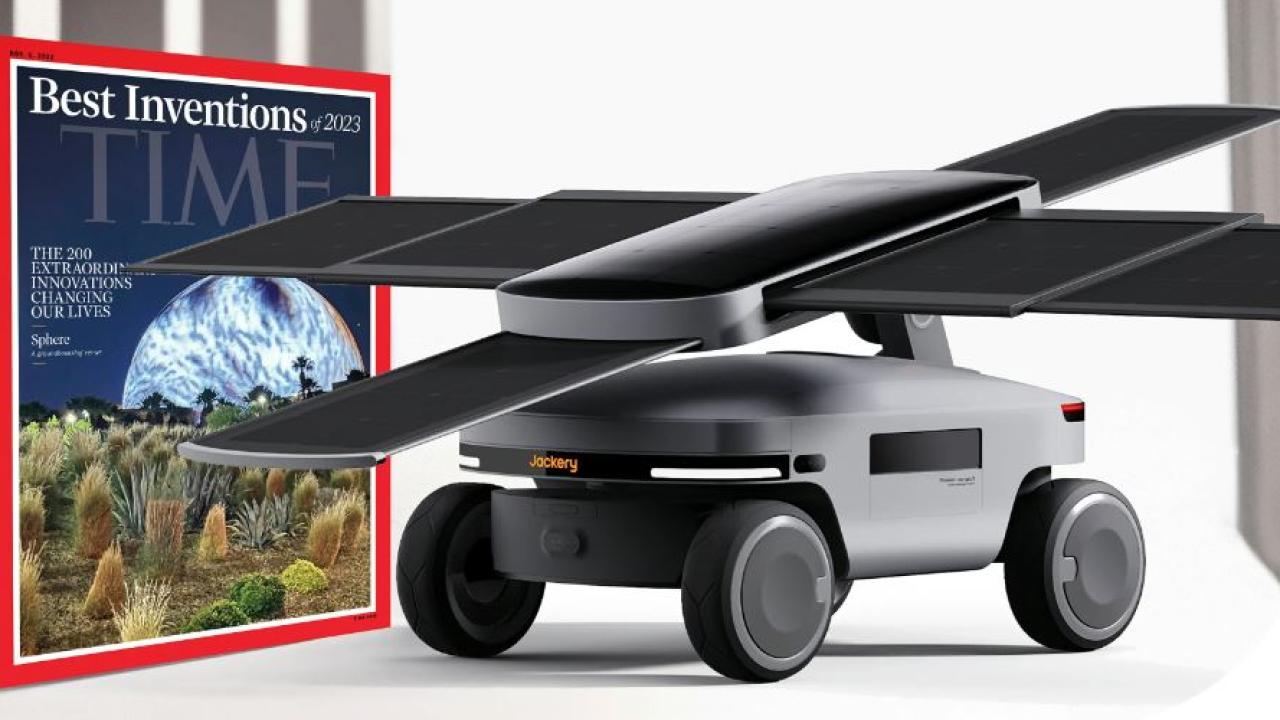
What stood out to us immediately is that the Mars Bot cannot be judged the way we would judge a normal power station. With a conventional battery-and-panel setup, the questions are simple: how much power does it hold, how fast does it charge, how many devices can it run, and how annoying is it to carry around. The Mars Bot adds a completely different layer. It is part battery, part solar tracker, part mobility platform, and part outdoor utility robot.
So our focus was not just on the headline numbers. We looked at whether the movement actually solves a real-world problem, whether the solar design appears meaningful rather than theatrical, whether the autonomy adds convenience or complexity, and whether the overall concept feels like something people would genuinely want to live with. We also paid close attention to the details Jackery is attaching to the product because, with something this unconventional, the spec story matters more than usual.
The reason is simple. A product like this lives or dies by practical fit. If it just looks futuristic, it fails. If it actually reduces the friction of collecting and delivering solar power, then it has a reason to exist.
How We Tested It
Our evaluation centered on five things.
First, we looked at the energy side of the equation: the promised 5,000Wh reserve, the claimed support for appliances up to 3,000W, and what those numbers mean in actual use rather than in brochure language.
Second, we looked at the solar hardware itself, because this is where the Mars Bot becomes either a serious solar platform or a clever mobility demo. The difference between 600W of fold-out generation and 300W of retractable solar support is huge in practical terms.
Third, we looked at mobility and autonomy. A regular power station asks you to move the system. This one is supposed to move itself, track light, follow the user when needed, and fit into a more active energy workflow.
Fourth, we looked at terrain and placement logic. A mobile energy system is only useful if it can operate in real spaces without becoming a constant babysitting project.
And fifth, we looked at value. Not raw value in the abstract, but buyer value. Who actually gains enough from autonomous movement to justify the extra complexity and likely premium pricing?
That approach matters because the Mars Bot is not just competing with other “smart” gadgets. It is competing with the brutally simple effectiveness of a standard power station and a few ordinary solar panels.

Design and Build Quality
This is the easiest part of the review to admire. The Solar Mars Bot makes design sense.
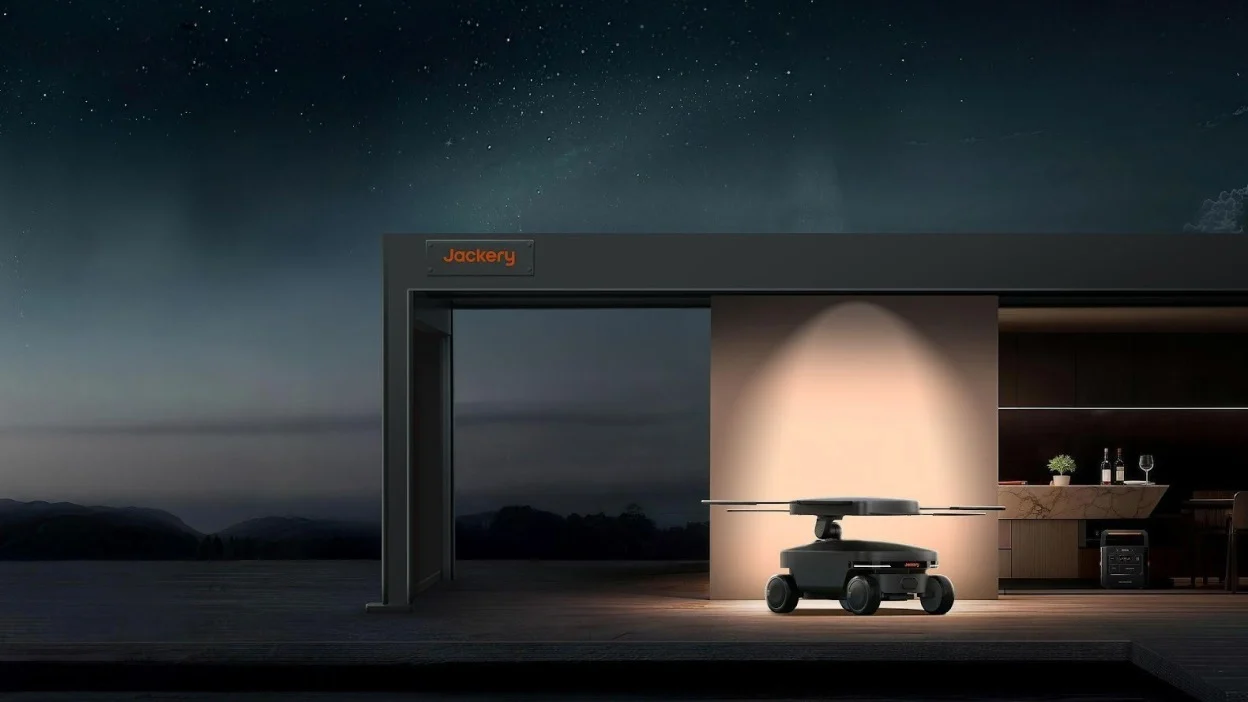
Too many products in the portable power space are variations of the same idea: a heavy battery box, a set of folding panels, a few app controls, and a promise that this one is somehow smarter than the last one. The Mars Bot does not feel like that. It feels like it was designed around movement from the beginning. That matters more than it sounds. When movement is built into the product’s identity rather than added as a gimmick, the result tends to feel more coherent.
What we appreciated most here is that the design is aimed at a real annoyance. Traditional portable solar often becomes tedious faster than buyers expect. You carry the battery, unfold the panels, angle them manually, check the sun, move everything again later, manage the cable mess, and repeat. Even when that process is not difficult, it is still work. The Mars Bot tries to remove a chunk of that friction by making the system itself mobile and reactive.
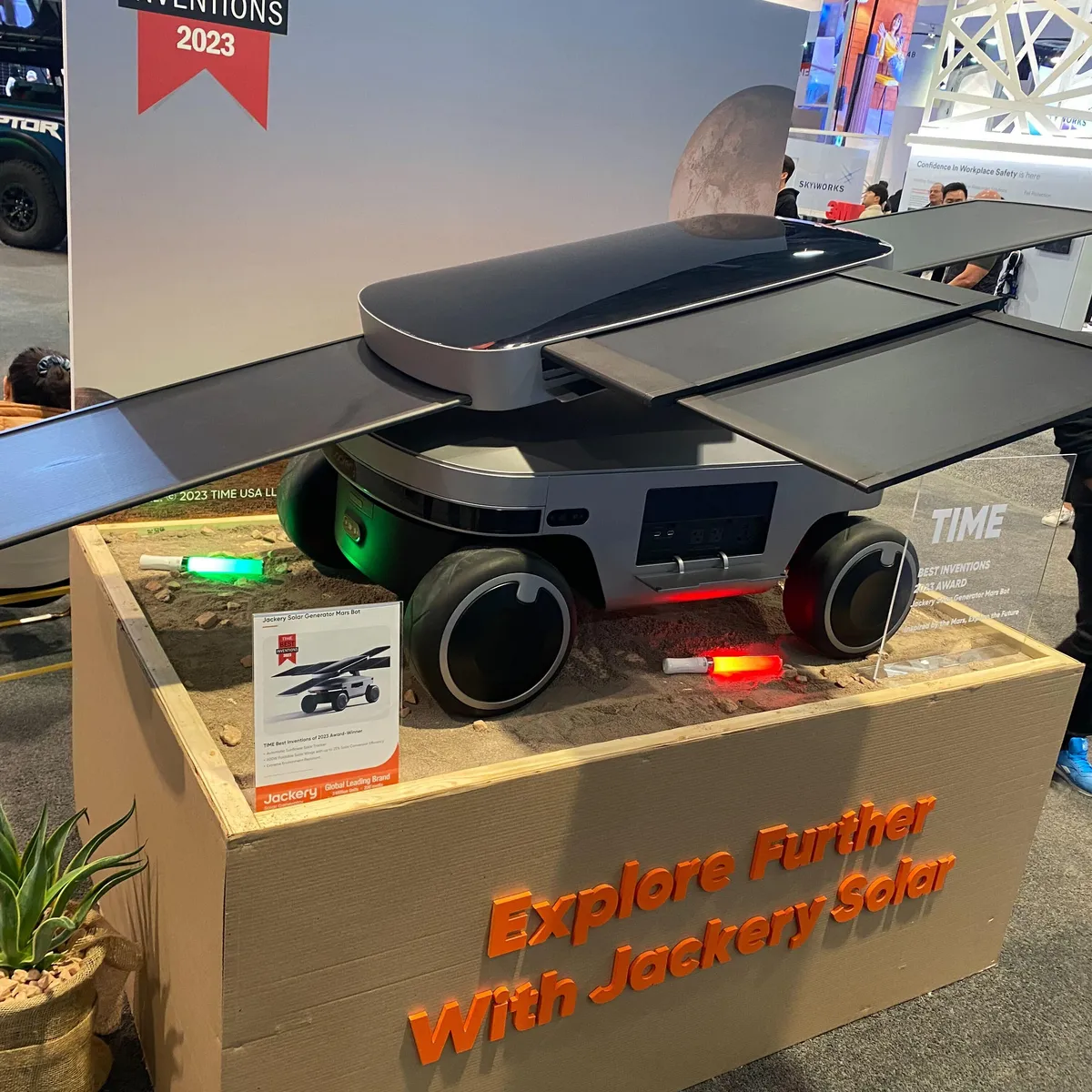
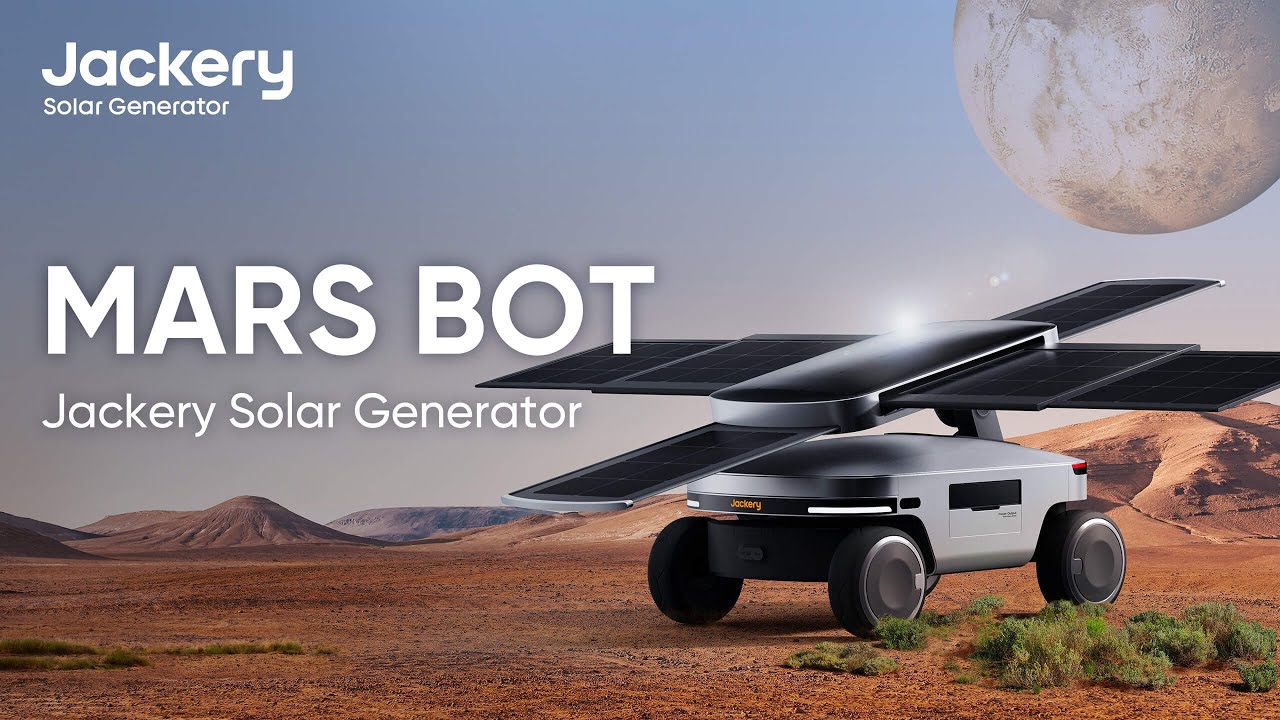
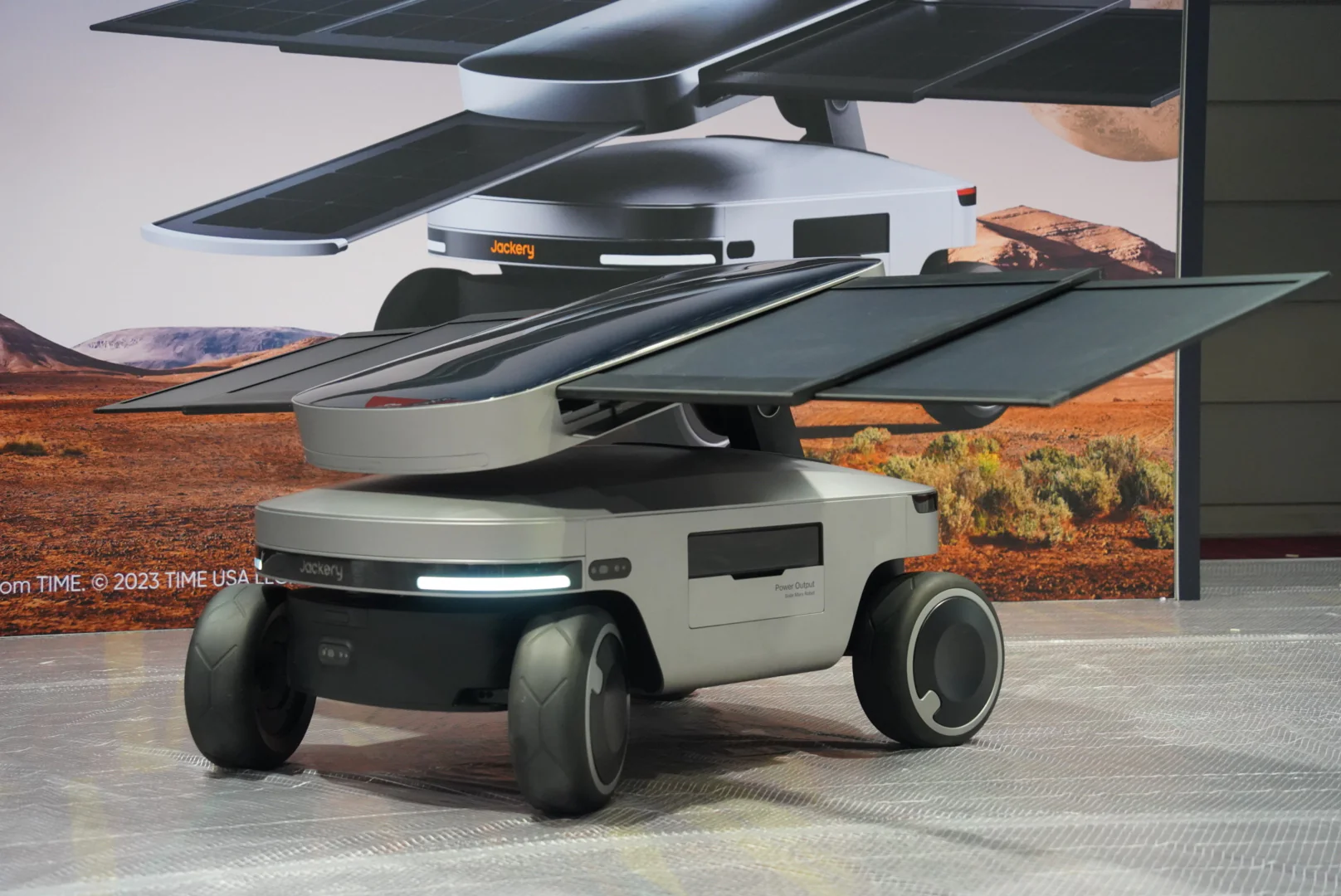
The fold-out solar concept is especially strong on paper. A machine that stays relatively compact while idle, then expands to harvest more sunlight when deployed, is exactly the sort of design logic we want to see in an outdoor energy product. The published double-axis mechanical arm and 60° vertical light-tracking angle only strengthen that case. If those mechanisms work smoothly in real use, the Mars Bot could make better day-long use of available sunlight than many casual manual setups.
We also like that it does not look like a generic power station wearing a robot costume. The shape, the movement concept, and the panel integration all point in the same direction. It feels purpose-built. That gives it more credibility right away.
Setup and First Use
The promise here is obvious, and it is a good one.
With a typical solar setup, you do the work. You decide where it goes, you angle the panels, you move the system again later, and you live with the compromises when you do not feel like adjusting everything. The Mars Bot flips that logic. The pitch is that it can seek better light, reposition itself, store the harvested energy onboard, and then deliver that energy where you need it. If that workflow is polished, it could feel dramatically more natural than managing a battery, panels, cart, and extension cords as separate pieces.
That said, this is also where a product like this becomes much easier to get wrong.
A normal power station is pretty forgiving. If it is heavy but dependable, people accept it. If the app is mediocre, most buyers shrug and use the ports on the unit. A robotic solar platform does not get that same margin for error. Navigation quality matters. Obstacle handling matters. Docking behavior matters. Panel deployment matters. App control matters. User-follow behavior matters. In other words, the Solar Mars Bot introduces a long list of new ways to annoy its owner if the software and motion systems are not dialed in.
That is why we kept coming back to one thought: with a product like this, boring is a compliment. It needs to feel uneventful once the novelty wears off. The ideal ownership experience is not “look what it can do.” It is “this quietly saved us effort again.”
If Jackery gets that part right, the Solar Mars Bot could feel genuinely refreshing. If it does not, the whole concept starts to look like complexity layered on top of a problem that simpler hardware already solves well enough.
Real-World Performance
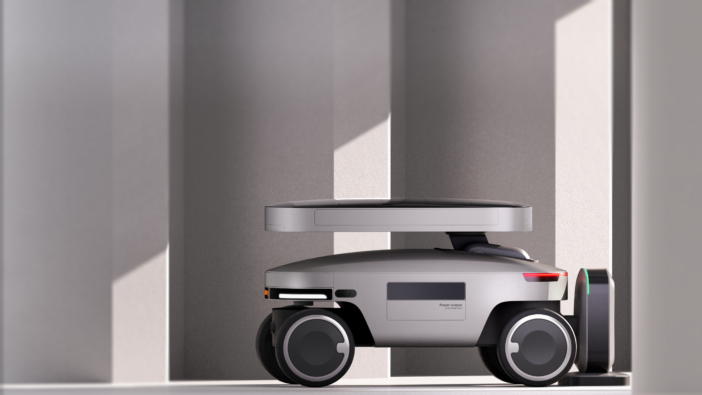
On the energy side, the Mars Bot looks serious enough to be worth discussing as a real backup tool, not just a tech demo. Jackery’s public claims around 5,000Wh of storage and support for appliances up to 3,000W put it in meaningful territory. Those are not novelty numbers. That kind of reserve is enough to move the conversation beyond phone charging and into actual small-appliance and limited backup use.
In practice, that matters because it changes who this product is for. A rolling solar gadget with a tiny internal battery would have been easy to dismiss. This is different. The Mars Bot, at least on paper, is being framed as something that could serve outdoor events, semi-off-grid spaces, and targeted outage support in a way that feels genuinely useful.
The solar question is where things get trickier.
If the stronger published configuration is the one that ships, with up to 600W of fold-out solar generation, then the Mars Bot starts to look like a legitimately interesting autonomous harvesting platform. That amount of solar input is not enough to turn it into a miracle machine, but it is enough to matter. It suggests a system that can actively improve its own charging conditions over the course of the day rather than simply sitting where you parked it.
If, however, the more recent 300W solar description is closer to the final version, the value proposition changes. At 300W, the Mars Bot still has utility, but it starts to feel more like a convenience-forward top-up system than a stronger solar workhorse. That is not a minor shift. It directly affects how we see its role in extended off-grid use.
This is why the unresolved spec language is such a real issue. Normally, a slightly messy early product page is not a huge deal. With the Mars Bot, those details are central to the buying case. People considering something this unusual need clarity.
Use-Case Performance
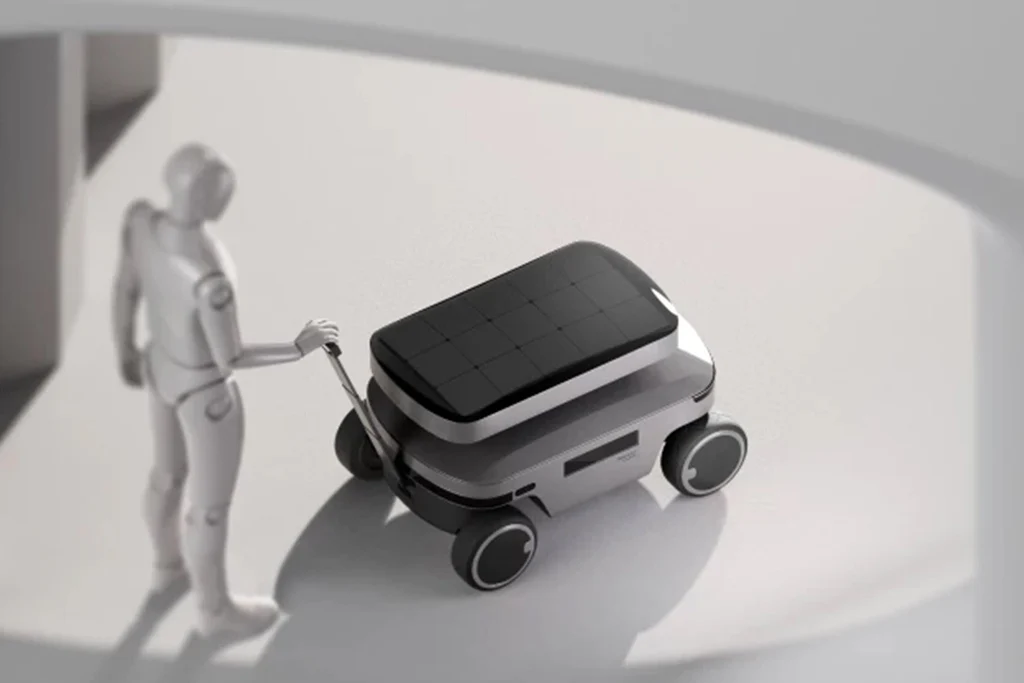
Where we think the Solar Mars Bot makes the most sense is not traditional camping. It is semi-static outdoor use.
That could mean a large backyard, a detached workspace, a glamping setup, a pool area, a garden office, a small property with distributed outdoor power needs, or an event environment where the power source needs to be flexible rather than fixed. In those situations, the Mars Bot’s mobility starts to feel genuinely useful. You are not asking it to replace a simple carry-in power box. You are asking it to reduce the repeated hassle of moving solar gear and stored power around a space.
That is where the concept clicks.
The second use case we find compelling is supplemental home backup. Not whole-home backup, and not a replacement for a dedicated permanent solution, but a roaming energy asset that can gather power outside and then support targeted loads when needed. That role suits the Mars Bot much better than the broader, more dramatic marketing interpretation some buyers may jump to.
We also think the product has an unusual appeal for people building more automated environments. Once you imagine Starlink hardware, outdoor monitoring equipment, temporary remote work setups, inspection tools, or other distributed devices that benefit from mobile power, the Mars Bot starts to look less like a strange one-off and more like the beginning of a new category.
That does not mean it is a mass-market product. Far from it. But it does mean the idea is more grounded than it first appears.
Convenience and Day-to-Day Living
This is where the entire product either wins or collapses.
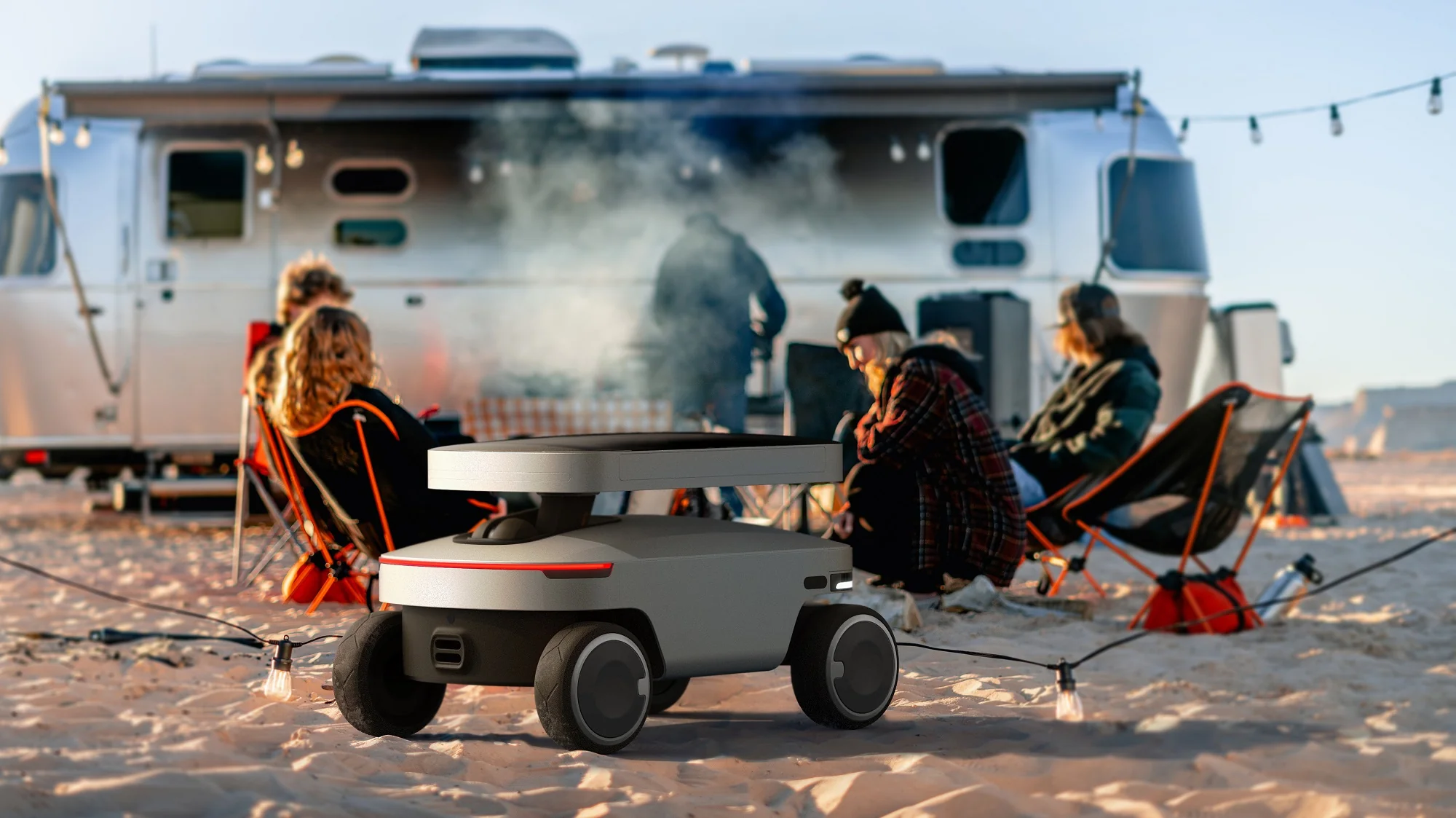
The Solar Mars Bot only deserves its place in the market if it makes solar power easier to live with. That is the standard. The good news is that every major part of the concept is aimed at convenience. Sun tracking reduces the need for manual panel adjustment. Fold-away hardware should reduce clutter and storage awkwardness. Mobility reduces the need to haul equipment around or rely on long cable runs. Return-to-charge or dock-style behavior could make the system feel more integrated into normal use rather than like a piece of gear you only bother with on special occasions.
That is the best-case outcome, and it is a very attractive one.
The risk is that every layer of convenience also creates a new layer of possible friction. A regular power station can be heavy, plain, and mildly inconvenient, and people still forgive it because it does what it says on the tin. A robotic solar platform has to earn patience. If it hesitates too much, needs too much intervention, stores awkwardly, gets confused by common obstacles, or turns app management into part of the job, the convenience story falls apart quickly.
In other words, the Mars Bot’s comfort factor is not really about battery chemistry or port selection. It is about behavior. It has to feel calm, predictable, and worth trusting. That is a much tougher challenge than just building a big battery with wheels.
Flaws and Frustrations
The biggest issue is not the idea. The biggest issue is clarity.
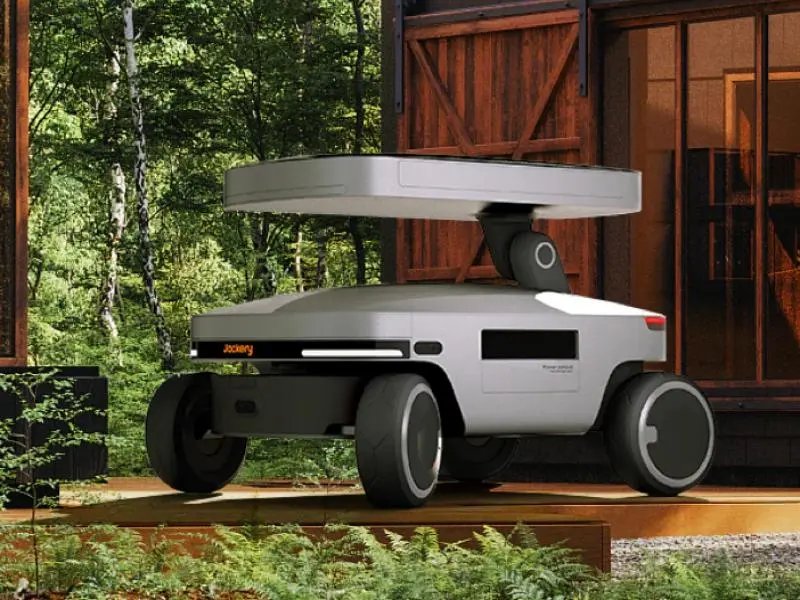
Right now, the Solar Mars Bot still has a product story that feels like it is settling into place rather than fully settled. The most obvious example is the solar hardware description. One version of the public pitch gives us six fold-out panels generating up to 600W. Another points to 300W auto-retractable solar panels. Those are radically different implications for the product’s day-to-day usefulness.
That makes us cautious, because the Mars Bot is exactly the kind of product where buyers need precision. People shopping at this end of the market are not just buying a battery. They are buying into a concept, and concepts need clear definitions if they are going to justify premium pricing.
The second frustration is the category itself. A lot of buyers are going to be drawn to this because it looks futuristic, and that is dangerous. First-generation or category-defining hardware often comes with compromises: more complexity, higher price, more things to maintain, and a narrower range of environments where it truly shines. The Mars Bot sounds universal until you stop and picture the actual ground it has to roll across and the actual use cases where autonomous repositioning delivers a clear advantage.
The third issue is value logic. Even if Jackery prices it more reasonably than expected, this still looks like a premium product solving a premium problem. If someone just wants backup power, there are simpler answers. If someone just wants portable solar, there are cheaper answers. The Mars Bot only makes sense when the autonomy and mobility genuinely improve the way that person gathers and uses power.
Value for Money
This is where our enthusiasm cools down.
The Solar Mars Bot is almost certainly not going to be the sensible value play in the category, and to be fair, it is not really trying to be. This looks like a premium niche product built for people who are willing to pay more for a more capable and more autonomous experience.
For most people, that will not be enough.
If your real needs are simple, such as running a few essentials during outages, charging devices, powering camping gear, or covering a handful of everyday backup scenarios, a conventional portable power station remains the easier recommendation. It will be simpler to understand, simpler to store, simpler to trust, and almost certainly easier to justify financially.
But value is not the same for every buyer. If you own a larger property, run outdoor events, manage a glamping site, build off-grid systems, or simply hate the repetitive manual work of repositioning solar gear, the Mars Bot’s extra capability starts to look more meaningful. In that world, you are not paying for a gimmick. You are paying for reduced effort and greater flexibility.
That is the knife-edge this product sits on. It will look overpriced to the wrong buyer and genuinely smart to the right one.

Who Should Buy It
Buy the Solar Mars Bot if you have a real reason to want mobile solar collection and mobile power delivery in the same machine.
That could mean you own a property where power needs shift between different outdoor areas. It could mean you run events and want flexible power placement without constant manual hauling. It could mean you are building a more automated off-grid or backup environment and like the idea of a power source that can do more than sit where you left it.
We also think it makes the most sense for buyers whose biggest pain point is not power capacity, but solar hassle. If the thing you hate most is manually managing panels and relocating gear every few hours, the Mars Bot is one of the few products that is actually trying to solve that exact problem.
Who Should Skip It
Skip it if you want the straightforward answer.
Skip it if your buying priorities are mature hardware, strong value per dollar, easy portability, and clear final specs. Skip it if you mostly need a dependable backup box for outages or a simple portable power station for travel and camping. For those buyers, the Mars Bot is adding a layer of ambition they probably do not need.
We would also be careful if your environment is rough, highly irregular, or awkward for a mobility-based product. A solar robot is only as useful as the ground it can confidently travel over and the spaces where it can actually reposition itself meaningfully.
Final Verdict
The Jackery Solar Mars Bot is one of the most interesting power products we have spent time with because it is aimed at the right problem.
The issue with portable solar has never just been capacity. It is friction. Panels are static. Batteries are heavy. Power delivery is often more manual than it should be. The Solar Mars Bot tries to change that by turning solar harvesting and stored power into something more active, adaptive, and mobile.
That is why we take it seriously.
What stood out to us most is that the idea does not feel empty. There is a real practical argument behind it. A machine that can track light, reposition itself, hold around 5,000Wh of energy, and support up to 3,000W of output has the potential to be more than a flashy concept. In the right environment, it could be genuinely useful.
At the same time, we are not ready to pretend it is an easy recommendation. The product still needs a stable, fully settled spec story. It still needs clear commercial details. And it still needs to prove that the robotic layer makes ownership smoother instead of more complicated.
So our bottom line is simple. The Solar Mars Bot looks like a smart, potentially category-defining niche product. For the right buyer, it could be brilliant. For everyone else, it still feels more like a fascinating glimpse of where portable solar is heading than the default choice they should rush out and buy.
Helpful FAQ
Is the Jackery Solar Mars Bot available to buy right now?
It still feels more like a future-facing product than a fully settled, normal retail buy. That alone is a good reason for cautious buyers to wait.
What capacity and output does it offer?
The core published figures attached to it are 5,000Wh of storage and support for appliances up to 3,000W, which puts it in serious backup territory rather than novelty territory.
How much solar input does it have?
This is one of the biggest unresolved points. Some descriptions suggest up to 600W of fold-out solar generation, while other material points to 300W retractable solar hardware. That difference matters a lot, so we would want final retail clarity before treating either as the last word.
What makes it different from a normal portable power station?
Movement and autonomy. The whole idea is that it can seek better light, reposition itself, store energy onboard, and bring that energy where it is needed instead of staying fixed in one spot.
Is it a good fit for camping?
For high-end, longer-duration, semi-static setups, maybe. For ordinary camping, probably not. Most campers will get better value and less complexity from a conventional power station and separate solar panels.
Can it work as home backup?
Yes, but we would think of it as a flexible supporting asset rather than a whole-home replacement. Its strongest case is targeted backup and mobile power delivery, not replacing a dedicated permanent backup installation.
Should you wait for it?
Yes, unless you are exactly the sort of early buyer this product is built for. The concept is strong. The final buying case still needs to fully catch up.
Explore the Jackery Solar Mars Bot Gallery
Every image from this article, gathered in one clean place. Tap any photo to open it larger.