



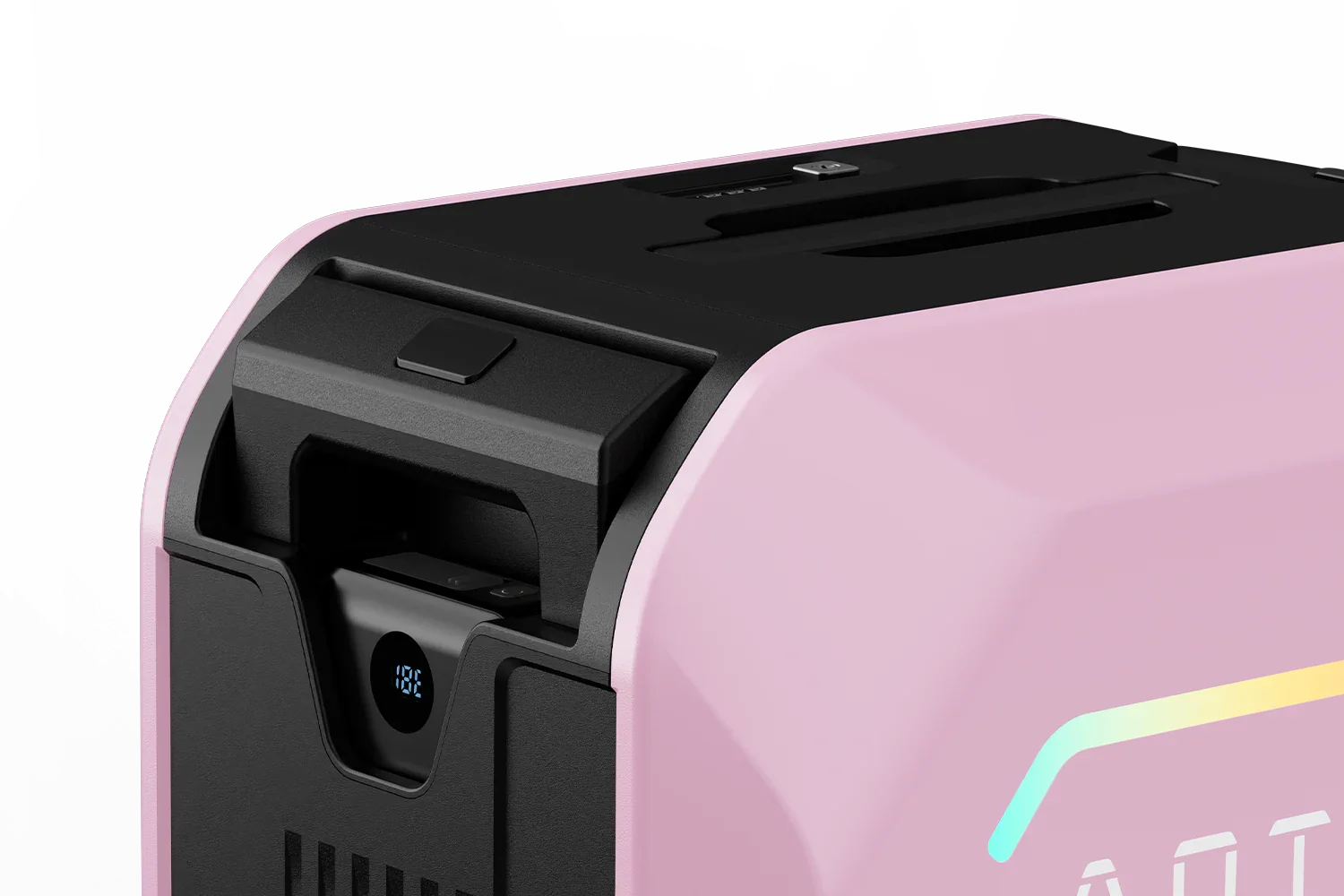
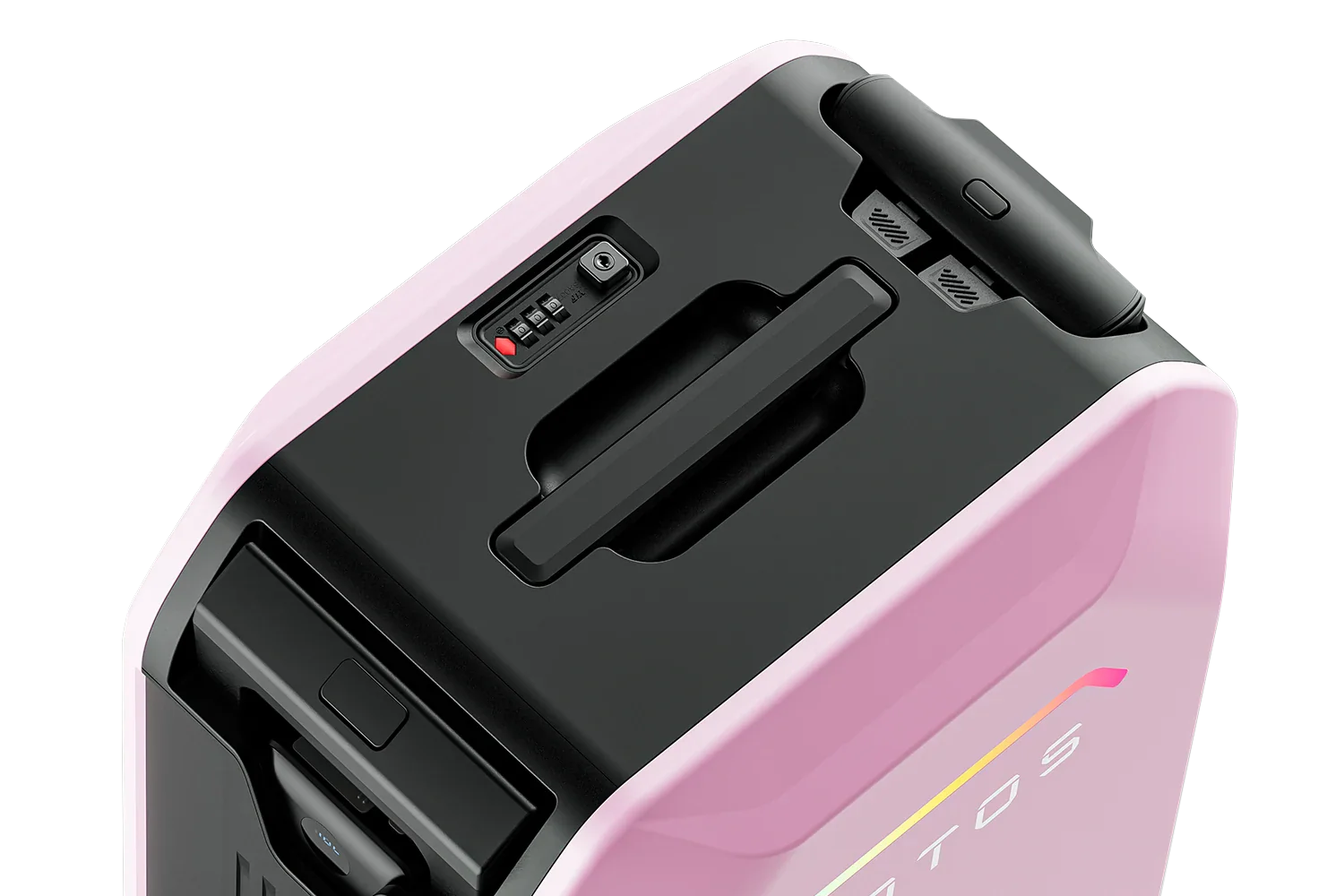
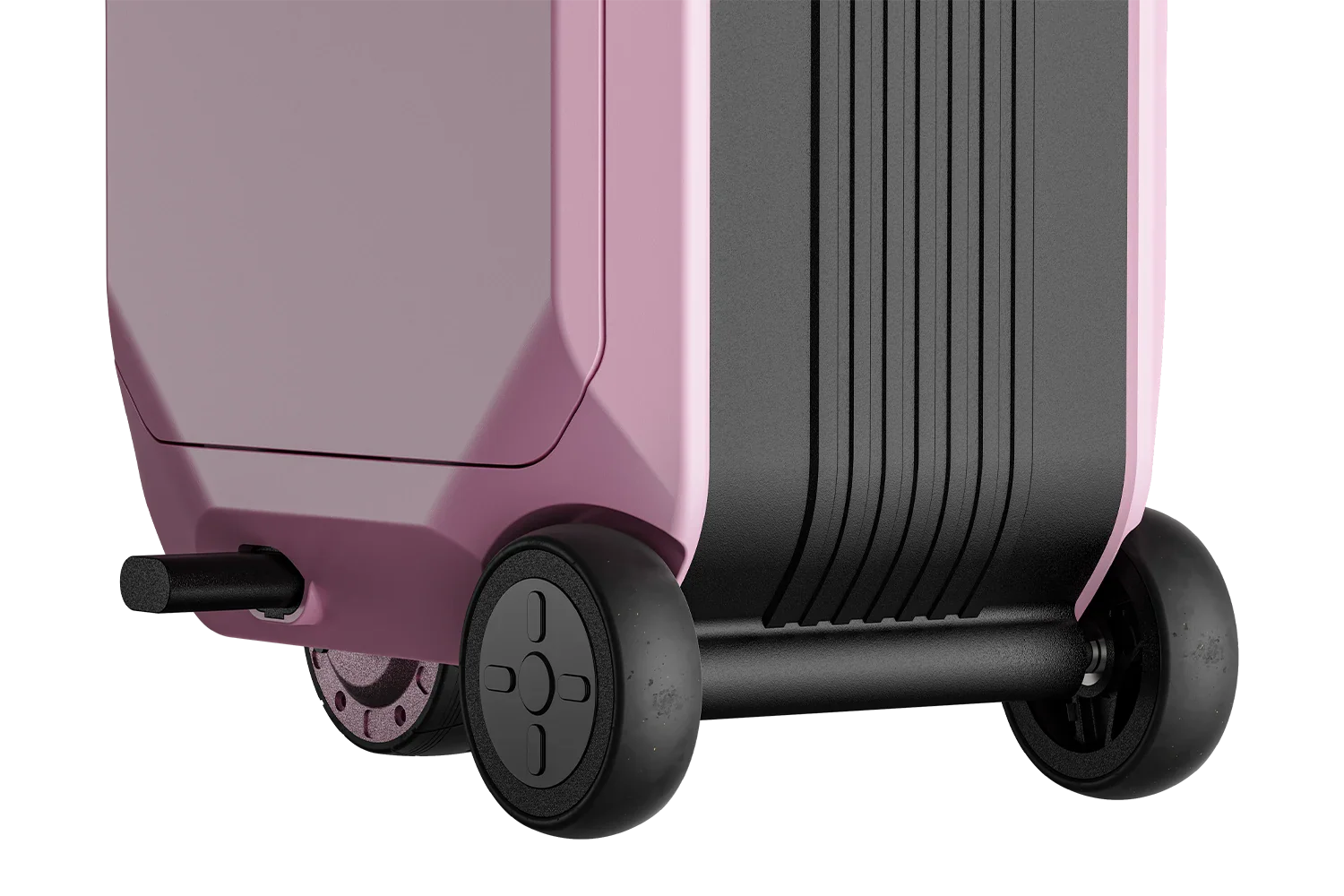
A smart rideable suitcase sounds like a product made for everyone who travels. In reality, the AOTOS L2 Smart Rideable Suitcase is much more specific than that.
It is not just luggage. It is not just a travel gadget. It sits in that strange middle space between mobility aid, airport convenience tool, lifestyle accessory, and conversation starter.
That makes the buyer match unusually important.
Because the right buyer may see it and think, finally, airport walking is less annoying. The wrong buyer may see the same product and think, why is my suitcase asking me to manage one more thing?
“The AOTOS L2 makes the most sense when you already know what airport friction feels like — long terminals, tired legs, tight connections, and too much walking with too much luggage.”
This is a product for a certain kind of traveler, not a universal upgrade.
The Short Version: Who the AOTOS L2 Is Really For
| Buyer Type | Match Level | Why |
|---|---|---|
| Frequent airport travelers | Strong | They benefit most from reducing walking fatigue |
| Tech-friendly travelers | Strong | They are more comfortable with the smart-luggage idea |
| Minimalist packers | Medium | It can work, but only if they accept the extra complexity |
| Style-driven buyers | Medium to strong | The novelty and visual presence matter here |
| Practical budget-focused buyers | Mixed | It needs to solve a real problem, not just look clever |
| Heavy-duty business travelers | Mixed | Depends on how demanding their routine is |
| Low-maintenance travelers | Weak | The rideable concept adds another layer to think about |
| Traditional luggage buyers | Weak | They may prefer a simpler suitcase that just rolls |
The AOTOS L2 is best understood as a comfort-and-convenience product, not a “better suitcase” in the traditional sense.
That distinction matters.
Who Will Feel Comfortable With It Immediately?
The easiest buyer match is someone who already dislikes the physical side of travel.
Not the destination. Not the planning. The actual movement.
Walking across large terminals. Dragging luggage between airport zones. Standing in long lines. Moving from parking to check-in, check-in to security, security to the gate, then doing it all again after landing.
That buyer understands the appeal instantly.
They do not need a long explanation. They see a rideable suitcase and immediately understand the promise: less walking, less dragging, less airport fatigue.
The best-fit buyer is likely someone who:
- Travels often enough for airport walking to become annoying.
- Packs in a controlled, predictable way.
- Enjoys clever travel gear.
- Does not mind drawing some attention.
- Values convenience over pure simplicity.
- Is comfortable using a product that feels slightly unusual in public.
“This is not luggage for someone who wants to disappear quietly into the airport crowd. It is luggage for someone who is fine with the product being noticed.”
That is not a negative. It is part of the match.
Who Will Feel Friction Early?
The wrong buyer is not necessarily someone who hates gadgets. It is someone who wants luggage to be invisible.
Some people want their suitcase to do one job: hold clothes, roll smoothly, survive travel, and stay out of the way.
For that buyer, the AOTOS L2 may feel like too much product.
The rideable element changes the relationship. You are no longer just pulling luggage. You are operating a small mobility device in a public travel environment. That means the buyer has to be comfortable with a little extra attention, a little extra awareness, and a little more responsibility.
The early friction will probably show up for buyers who:
- Prefer simple luggage with no learning curve.
- Hate being watched in public.
- Travel through crowded, chaotic terminals.
- Frequently deal with stairs, rough surfaces, or tight spaces.
- Want maximum packing flexibility.
- Expect every travel product to be completely effortless.
- Are impatient with anything that requires adjustment.
This is where the product separates curious buyers from compatible buyers.
A rideable suitcase is clever. But clever is not always the same as friction-free.
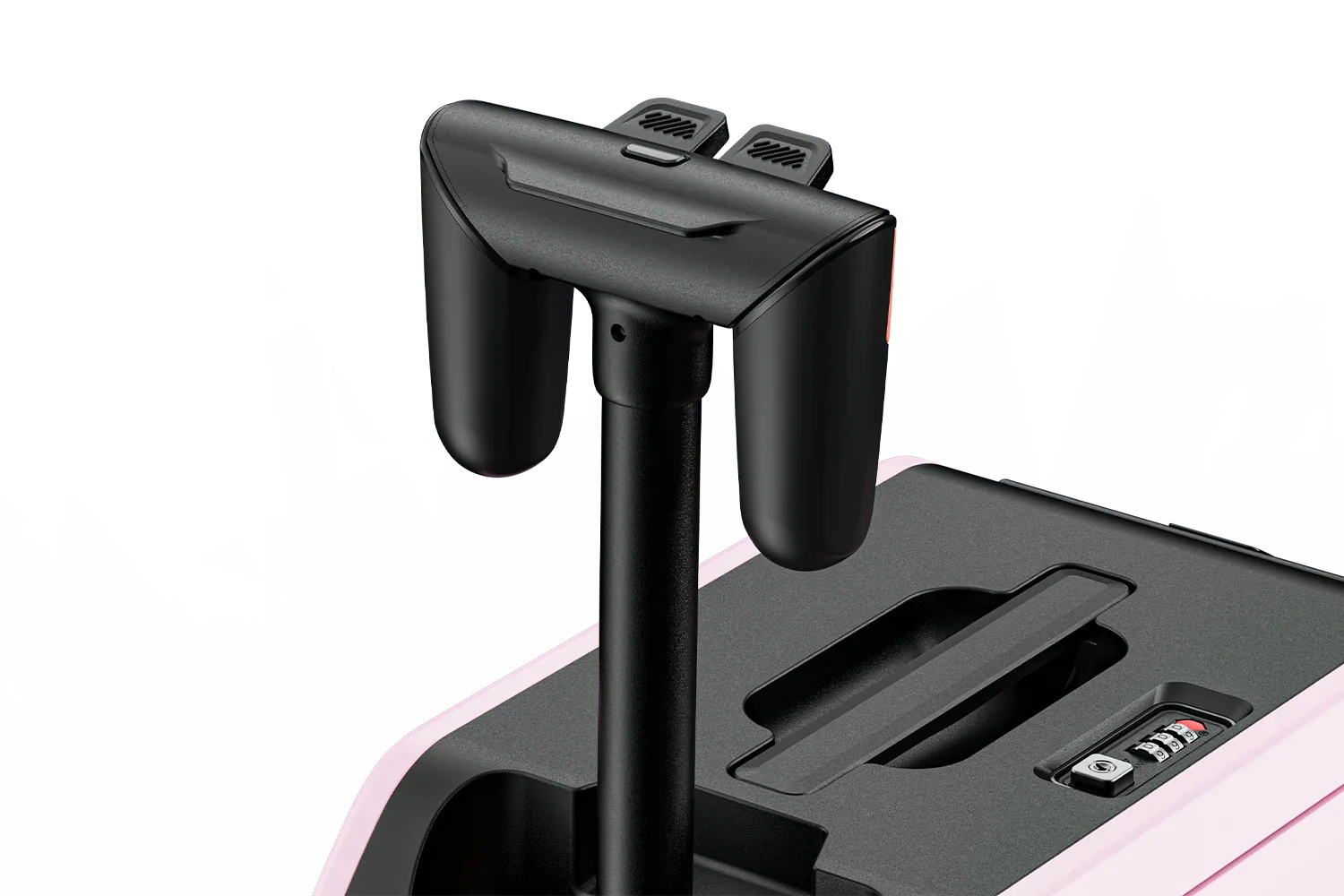
The Level of Expectations It Can Satisfy
The AOTOS L2 can satisfy a very clear expectation:
Make airport movement feel less tiring and more convenient.
That is the expectation it can carry well.
It is not the right product if the buyer expects it to be the ultimate luggage solution, the ultimate mobility device, the ultimate tech gadget, and the ultimate travel flex all at once. That is how disappointment happens.
| Expectation | Realistic Match |
|---|---|
| “I want less walking in airports.” | Strong match |
| “I want a fun travel gadget that is also useful.” | Strong match |
| “I want the simplest suitcase possible.” | Poor match |
| “I want something for every travel environment.” | Mixed match |
| “I want maximum luggage space and zero compromise.” | Weak match |
| “I want a premium-feeling travel convenience product.” | Potentially strong match |
The product makes the most sense when the buyer’s expectations are focused.
Not broad. Not magical. Focused.
“The AOTOS L2 is easier to appreciate when you judge it by one question: does it make moving through travel spaces easier for your body and routine?”
That is the cleanest test.
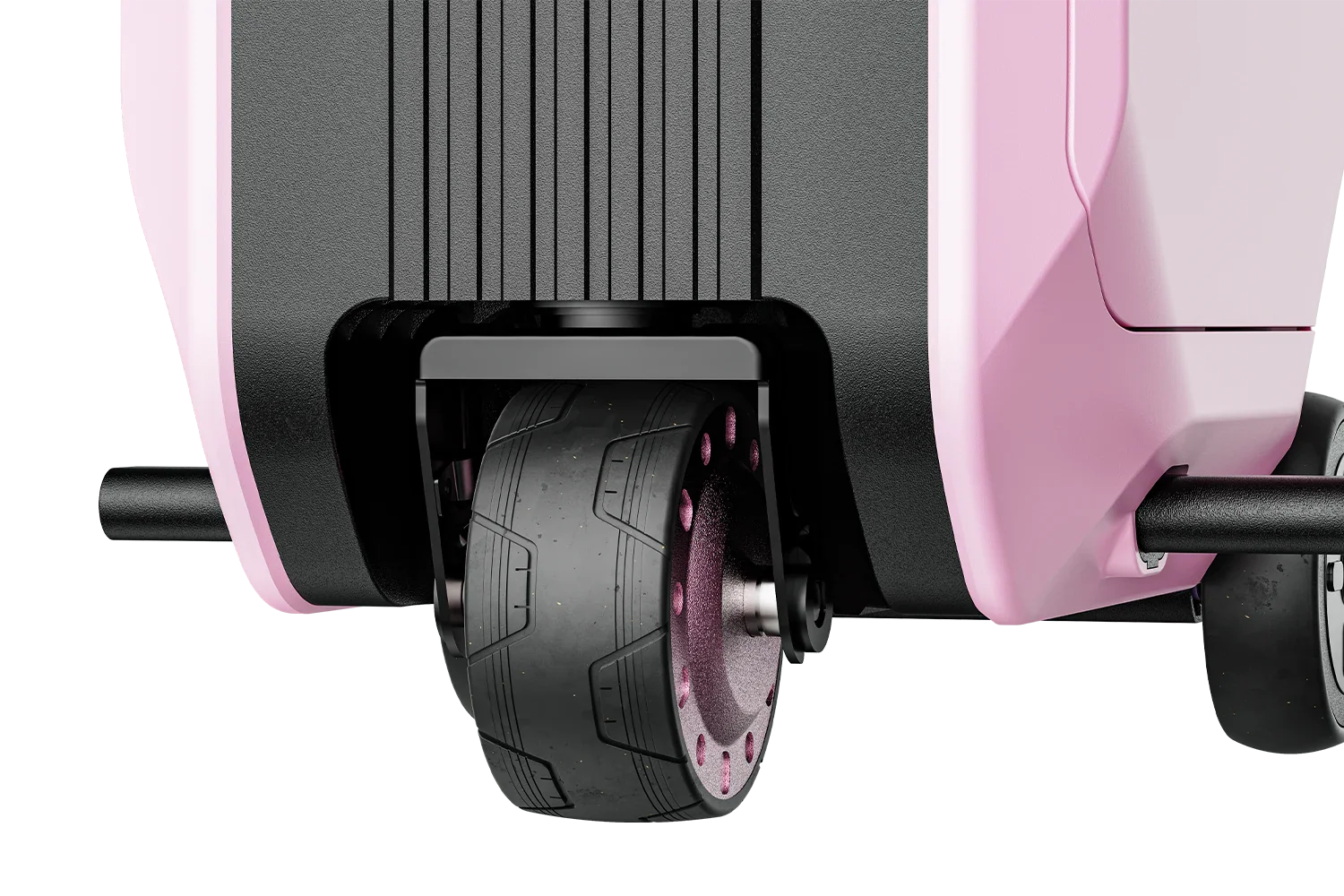
Practical Buyer, Enthusiast, Minimalist, or Style Buyer?
The AOTOS L2 does not belong cleanly to one buyer category. It overlaps several, but not equally.
Practical Buyers
A practical buyer can like it, but only if their travel routine justifies it. If they fly often, walk long terminal distances, or regularly feel tired before reaching the gate, the product has a practical case.
But if they travel twice a year and mostly take short, easy trips, it may feel like an expensive answer to a problem they barely have.
Enthusiasts
This is where the product fits naturally.
Travel-tech enthusiasts, gadget lovers, and early adopters will understand the appeal faster. They are more willing to accept that a product may require a short adjustment period before it feels natural.
Minimalists
This is the hardest match.
Minimalists usually want fewer moving parts, fewer decisions, and fewer dependencies. A rideable smart suitcase can feel like the opposite: more capability, but also more product to think about.
Style-Driven Buyers
There is a style argument here too.
A rideable suitcase has presence. It signals that the buyer likes modern travel gear and is not afraid of something visually different. For some buyers, that matters.
Performance-First Buyers
Performance-first buyers need to be careful.
If they define performance as luggage durability, capacity, packing efficiency, and rough-use toughness, a traditional premium suitcase may still feel more aligned. If they define performance as moving faster and with less physical strain through travel spaces, the AOTOS L2 becomes more relevant.
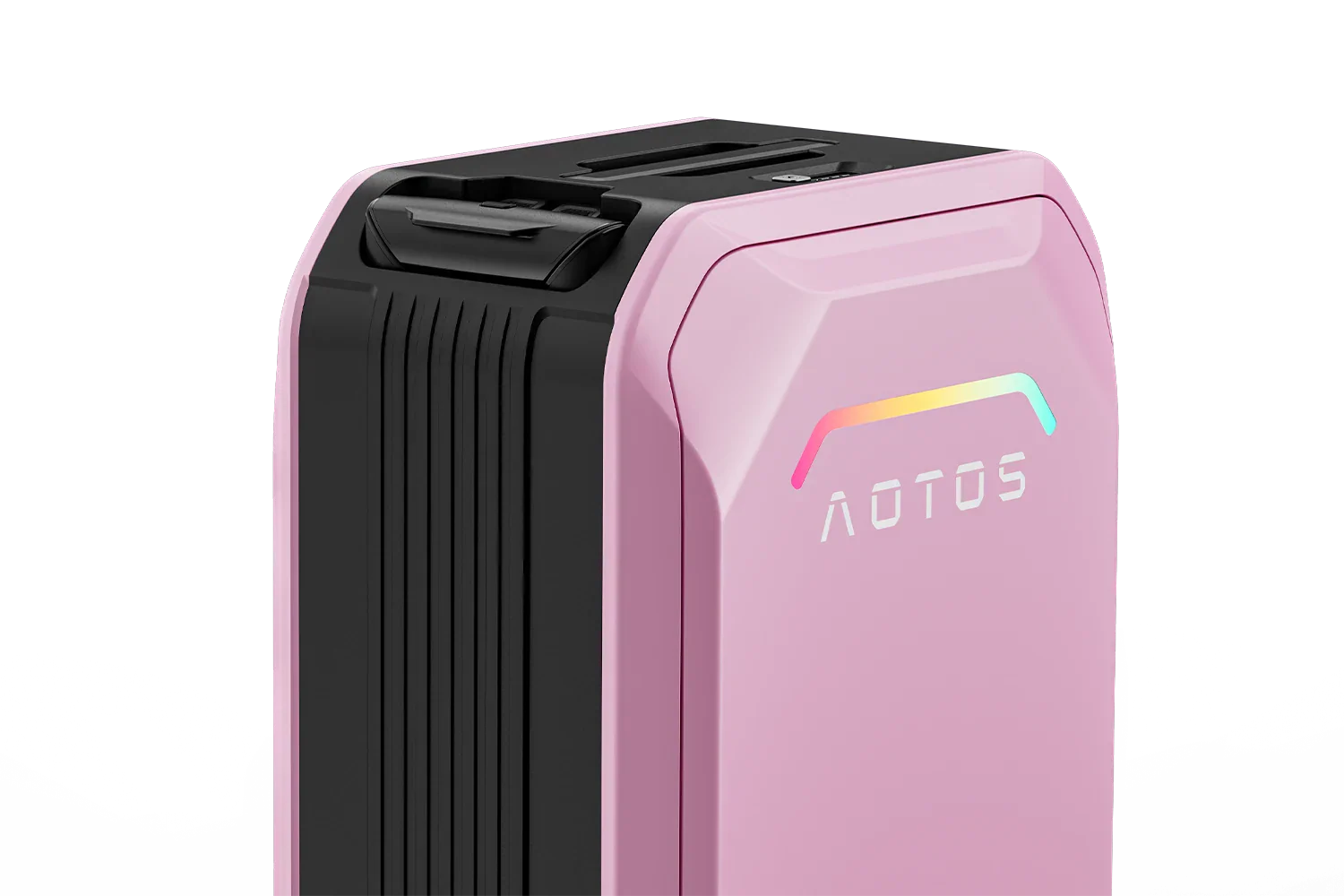
The Daily Routine That Naturally Fits the AOTOS L2
The best routine is not dramatic. It is ordinary frequent travel.
Think of someone who moves through airports often enough that small improvements matter.
They leave home with a planned bag. They arrive at the airport early enough not to panic. They move through large spaces. They may have a laptop bag or backpack with them. They value anything that reduces the physical tax of the journey.
The AOTOS L2 fits naturally into a routine like this:
- Home to parking or drop-off area.
- Airport entrance to check-in.
- Check-in to security.
- Security to gate.
- Gate changes or terminal transfers.
- Arrival terminal to baggage/exit/transport.
That is where the product’s logic becomes clear.
It is not trying to improve the hotel room. It is not trying to improve packing. It is trying to improve the boring travel movement in between.
“The ideal buyer is not buying drama. They are buying relief from the dull, repetitive walking that makes airports feel longer than they need to.”
That is the heart of the product.
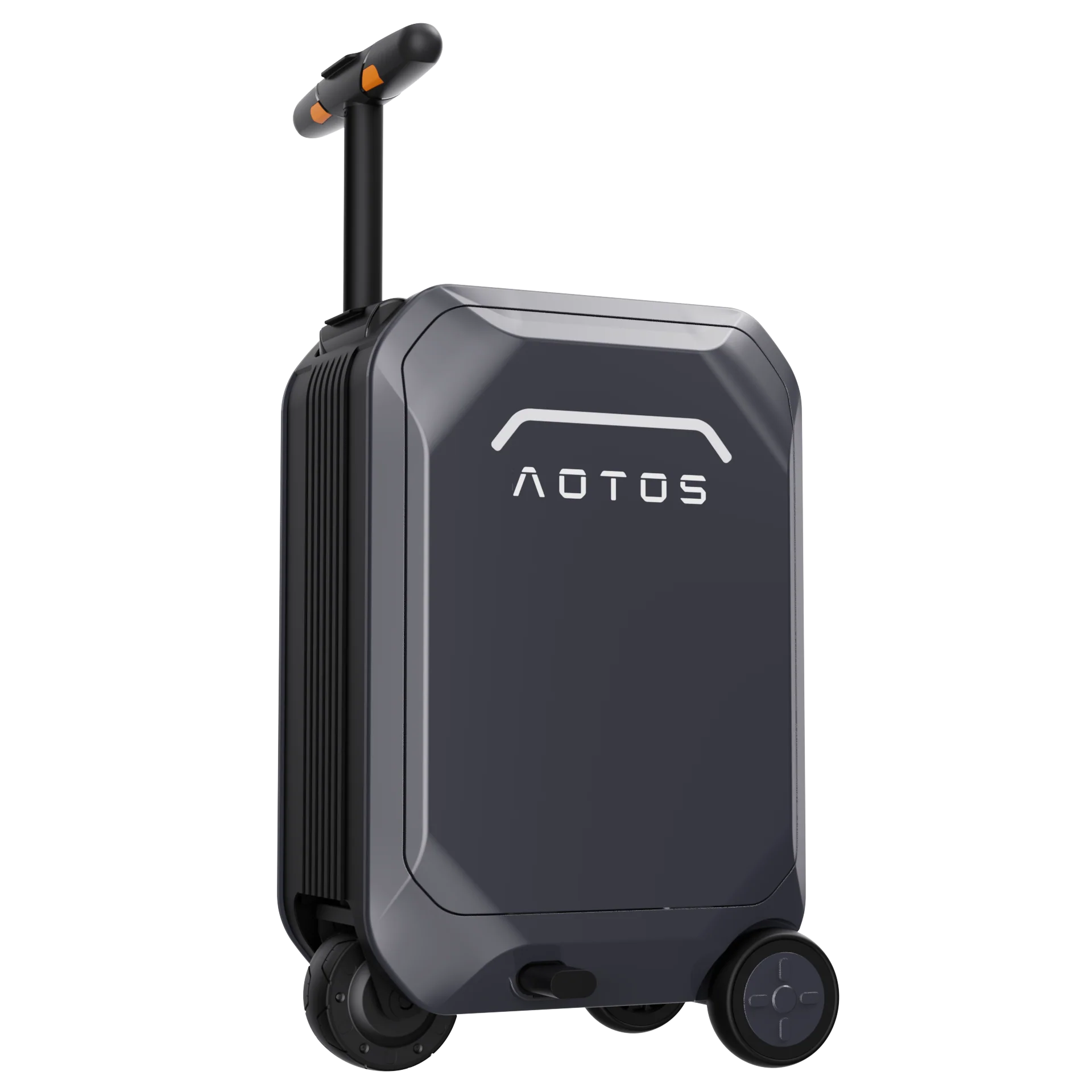
The Routine That Exposes the Mismatch Quickly
The mismatch appears when travel is messy, cramped, rushed, or highly unpredictable.
A rideable suitcase sounds great in a clean airport hallway. It becomes less obviously useful when the journey involves rough sidewalks, stairs, crowded boarding zones, tight elevators, uneven surfaces, packed trains, or constant lifting.
The wrong routine looks like this:
- Frequent stairs.
- Heavy public transport connections.
- Crowded terminals.
- Very short trips where luggage simplicity matters more.
- Travel with children where attention is already split.
- Travel that involves rough pavement or unpredictable surfaces.
- Trips where the suitcase must be lifted often.
In that routine, the AOTOS L2 may stop feeling clever and start feeling like something that needs extra accommodation.
That is the buyer-match line.
It works best when the environment supports it.
How Patient Does the Buyer Need to Be?
The buyer does not need extreme patience. But they do need some.
This is not a completely passive object. A normal suitcase can be understood instantly. You pack it, zip it, pull it. Done.
A rideable suitcase asks for a little more adaptation.
The buyer needs patience for:
- Getting comfortable with how it moves.
- Understanding when riding it makes sense and when pulling it is better.
- Managing public-space awareness.
- Accepting that not every travel moment is suitable for riding.
- Learning how it fits into their own airport rhythm.
The buyer who expects instant perfection may judge it too harshly.
The buyer who gives it a little room to become familiar is more likely to enjoy it.
“This is the kind of product that rewards the buyer who understands use-cases, not the buyer who expects every feature to feel natural in the first five minutes.”
That patience requirement is not a flaw by itself. It is part of the category.
Simplicity vs Control: Which Buyer Does It Reward?
The AOTOS L2 rewards the buyer who likes control over convenience, not pure simplicity.
That sounds strange, because the product is designed to make travel easier. But the way it makes travel easier is by adding capability. And added capability usually means added decisions.
You decide when to ride. When to pull. When to avoid using the rideable function. Where it makes sense. Where it does not.
A simplicity-first buyer may not enjoy that.
A control-friendly buyer probably will.
| Buyer Preference | AOTOS L2 Fit |
|---|---|
| “I want one simple suitcase that never asks me to think.” | Weak |
| “I like having more ways to move through travel spaces.” | Strong |
| “I want a clever tool for specific airport situations.” | Strong |
| “I hate extra features unless I use them constantly.” | Mixed |
| “I enjoy travel gear that feels modern and different.” | Strong |
This is not minimalism. This is optional convenience.
And the buyer has to like having that option.
Light Use, Steady Use, or Demanding Repetitive Use?
The AOTOS L2 feels best suited to steady use, not extreme use.
For light use, the value may be hard to justify unless the buyer specifically wants the novelty or has a personal reason to reduce walking.
For demanding repetitive use, the buyer needs to be realistic. A smart rideable suitcase is still luggage, and luggage lives in a harsh world: bumps, gates, queues, lifts, storage, handling, transfers, and uneven travel days.
The strongest fit is the middle:
- Regular travelers.
- Airport-heavy routines.
- Predictable trip types.
- Controlled packing habits.
- Moderate travel demands.
The buyer who travels often but not brutally is the sweet spot.
“The AOTOS L2 feels less like a road-warrior suitcase and more like a comfort upgrade for travelers who repeatedly face the same airport inconvenience.”
That is an important distinction.
It is not about being the toughest suitcase in the room. It is about making the right parts of travel feel less tiring.
The Ideal Environment for the AOTOS L2 Buyer
The product makes most sense in environments that are smooth, open, and organized.
Large airports. Long terminals. Wide corridors. Modern transport hubs. Hotel lobbies. Convention centers. Business-travel routes. Places where rolling movement is already natural.
The buyer probably has a travel environment like this:
| Environment | Fit |
|---|---|
| Large airport terminals | Strong |
| Smooth indoor travel spaces | Strong |
| Business travel routes | Good |
| Convention/event travel | Good |
| Crowded public transport | Mixed |
| Old streets and rough pavement | Weak |
| Trips with frequent stairs | Weak |
| Outdoor-heavy travel | Weak |
The AOTOS L2 is not equally useful everywhere.
That does not make it bad. It makes it specific.
And specific products are only smart when the buyer’s world matches them.
Careful Upgrade or Chasing the Best Possible Result?
This product is better for someone making a careful convenience upgrade than someone chasing the absolute best luggage performance.
A buyer chasing the “best possible suitcase” may focus on capacity, shell durability, wheel quality, handle feel, weight, organization, warranty, and long-term abuse resistance. In that frame, a rideable suitcase has to compete against very serious traditional luggage.
That may not be its strongest fight.
A better buyer is someone saying:
“My suitcase is fine, but airport movement is still annoying. I want a smarter way to handle that part.”
That is the right mindset.
The AOTOS L2 is not necessarily an upgrade from bad luggage to good luggage. It is an upgrade from passive luggage to active travel convenience.
That is a different purchase.
Priorities That Make It Feel Like a Smart Choice
The AOTOS L2 feels smartest when the buyer prioritizes comfort, movement, and novelty with purpose.
The strongest priorities are:
- Reducing walking fatigue
- Making large airports easier
- Adding convenience to repetitive travel
- Using modern travel gear
- Turning luggage into a mobility tool
- Making airport movement feel less physically draining
The weakest priorities are:
- Maximum packing volume.
- Lowest possible price.
- Total simplicity.
- Rugged traditional luggage performance.
- Zero public attention.
- Travel in rough or unpredictable environments.
The product makes more sense when the buyer says, “I want travel to feel easier.”
It makes less sense when the buyer says, “I want a suitcase I never have to think about.”
Those are two very different people.
The Buyer Most Likely to Regret It
The buyer most likely to regret the AOTOS L2 is the person who buys it because it looks cool, but does not actually have the lifestyle for it.
That buyer imagines smooth airport rides and effortless travel. Then real life appears: stairs, queues, crowds, awkward storage moments, people looking, situations where riding is not practical.
Regret is most likely when the buyer:
- Travels rarely.
- Values subtlety.
- Gets annoyed by learning curves.
- Wants traditional luggage behavior.
- Overpacks.
- Moves through difficult environments.
- Buys it mainly for novelty.
- Expects it to replace every normal suitcase need.
“The wrong buyer will not regret it because the idea is bad. They will regret it because the idea does not belong to their actual travel routine.”
That is the key.
A product can be clever and still be wrong for someone.
Focused Needs vs Broad Expectations
The AOTOS L2 is better for focused needs than broad expectations.
Focused need:
“I want to make airport walking easier.”
That is a strong reason.
Broad expectation:
“I want this to be the ultimate suitcase for every trip.”
That is where the product becomes harder to defend.
It is a specialized convenience object. The more focused the buyer’s reason, the better the match becomes.
| Buying Reason | Match Quality |
|---|---|
| “I hate walking long terminals.” | Strong |
| “I want a smart travel gadget with real use.” | Strong |
| “I need one suitcase for every possible trip.” | Mixed |
| “I want the most practical luggage for the money.” | Mixed to weak |
| “I want something fun but still useful.” | Strong |
| “I want zero compromises.” | Weak |
The right buyer does not need the AOTOS L2 to be everything.
They need it to solve one annoying part of travel well enough to matter.
The Right Buyer Profile
The clearest right buyer is a tech-comfort traveler.
Someone who travels through airports often, dislikes long walks with luggage, enjoys modern gear, and has enough patience to use the product in the right situations instead of forcing it everywhere.
The AOTOS L2 Is Best For Someone Who:
- Travels regularly through large airports.
- Wants less physical fatigue while moving through terminals.
- Likes clever travel products.
- Does not mind a visible, conversation-starting suitcase.
- Packs reasonably and predictably.
- Values comfort over pure minimalism.
- Understands that the rideable feature is situational.
- Wants a product that feels different from normal luggage.
That buyer is likely to enjoy the AOTOS L2 for what it is.
Not because it replaces every suitcase.
Because it changes one specific travel pain point.
The Wrong Buyer Profile
The wrong buyer is a traditional luggage purist.
Someone who wants maximum simplicity, quiet design, predictable behavior, and no extra layer between them and their trip.
The AOTOS L2 Is Not Ideal For Someone Who:
- Travels rarely.
- Wants the lightest, simplest suitcase possible.
- Dislikes attention in public.
- Frequently deals with stairs or rough surfaces.
- Needs maximum packing space and flexibility.
- Gets frustrated by situational features.
- Wants luggage to feel invisible.
- Judges every product mainly by practicality per dollar.
That buyer may see the rideable feature as unnecessary complexity.
And honestly, for their routine, they may be right.
Buyer Match Table: The Clean Decision
| Choose the AOTOS L2 If… | Skip It If… |
|---|---|
| Airport walking is a real annoyance for you | You rarely travel through large airports |
| You like smart travel gear | You prefer traditional luggage only |
| You want comfort and movement convenience | You want maximum simplicity |
| You are fine using a noticeable product | You dislike public attention |
| Your trips are predictable and controlled | Your travel is rough, crowded, or stair-heavy |
| You value novelty when it has a purpose | You hate features you will not use constantly |
| You want a focused airport convenience upgrade | You expect one suitcase to solve everything |
Final Verdict: Who the AOTOS L2 Actually Feels Built For
The AOTOS L2 Smart Rideable Suitcase is not best judged as a normal suitcase with a gimmick attached. It is better judged as a travel-comfort product built around luggage.
That makes its ideal buyer very clear.
It fits the traveler who sees airports as physically annoying, not just logistically annoying. It fits someone who wants movement to feel easier and who is comfortable using a product that looks and behaves differently from standard luggage.
It does not fit the buyer who wants every travel object to be silent, simple, traditional, and forgettable.
“The AOTOS L2 is not for the person asking, ‘Why would anyone need this?’ It is for the person who sees a long terminal walk and immediately knows why.”
That is the buyer match.
Not everyone needs it.
But for the traveler who hates dragging luggage across large travel spaces, the appeal is not hard to understand at all.
Explore the AOTOS L2 Smart Rideable Suitcase Gallery
Every image from this article, gathered in one clean place. Tap any photo to open it larger.