
A product like Bosch Cook AI sounds, at first glance, like the kind of kitchen upgrade that removes friction from cooking. The name alone promises confidence: smarter decisions, guided preparation, less guesswork, fewer ruined dinners, maybe even a calmer evening routine.
But this is exactly the kind of product where buyers should slow down.
Not because the idea is weak. Actually, the idea is attractive. A smarter cooking system can be genuinely useful for the right household. The problem is that “AI cooking” can make a product sound more effortless than real kitchens usually allow.
“The right question is not: can Bosch Cook AI cook? The better question is: will it fit the way you actually cook?”
This is not a review. This is the conversation you should have with yourself before money changes hands.
The First Thing to Verify: What Bosch Cook AI Actually Does
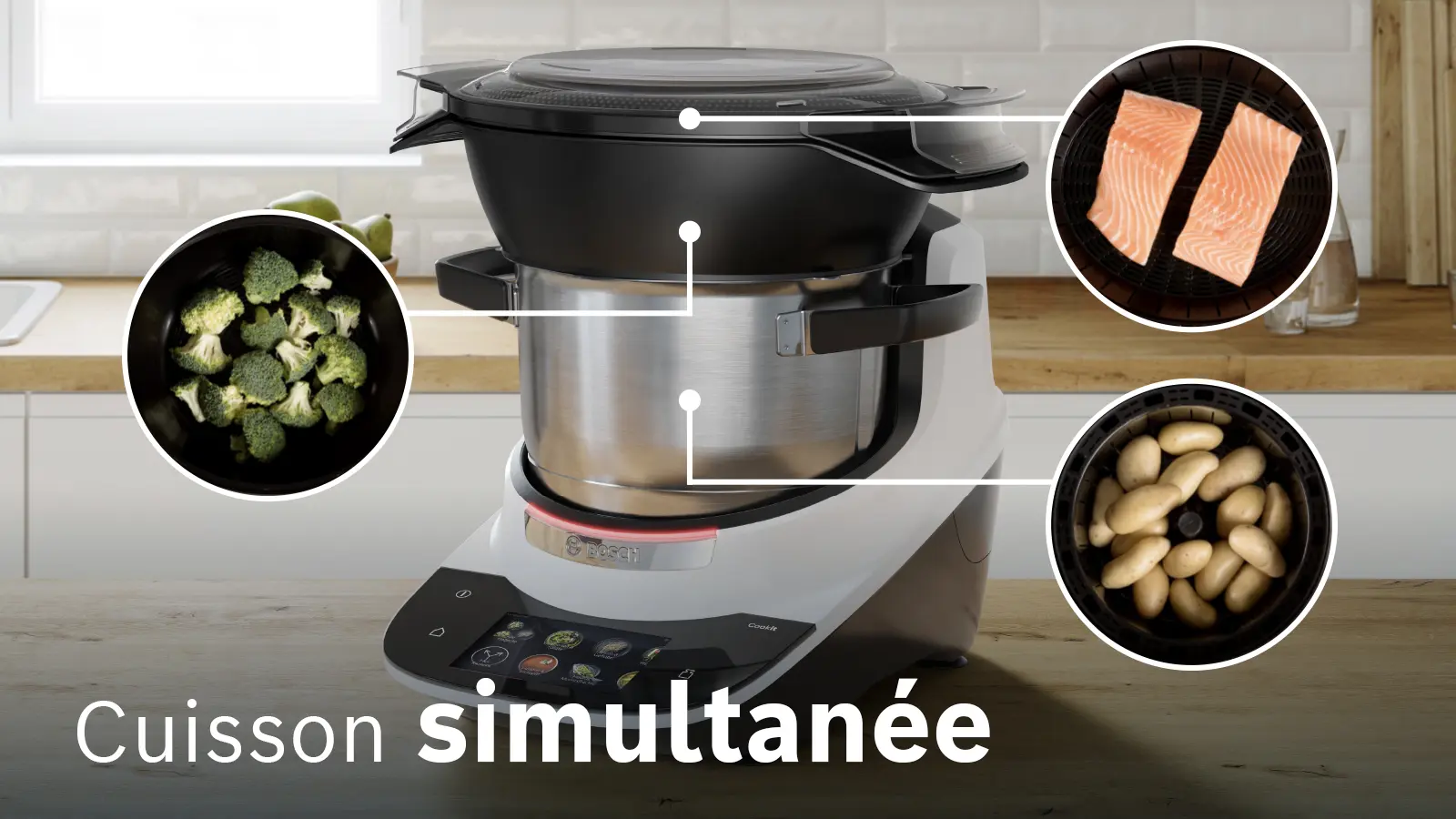
Before ordering, look carefully at the product page and separate the words that sound futuristic from the functions you will actually use.
Marketing around AI kitchen products often creates the impression that the machine will “understand” your food, your habits, your pantry, your family, your timing, and your taste. In reality, most smart cooking products still depend on clear user input, compatible recipes, correct setup, and realistic expectations.
Before You Buy, Check This Carefully
| What to Verify | Why It Matters |
|---|---|
| Exact cooking functions | Do not assume it replaces every appliance in your kitchen. |
| Recipe library or guided cooking support | The product is only as useful as the meals it can confidently help you prepare. |
| App or connectivity requirements | Some smart features may depend on Wi-Fi, phone pairing, updates, or account setup. |
| Kitchen space and placement | A product can be “compact” in marketing and still annoying on a real counter. |
| Cleaning process | Daily satisfaction often depends more on cleanup than cooking intelligence. |
| Accessories included | Make sure the box contains what you need from day one. |
| Regional availability of features | Smart features, recipes, languages, or app functions may vary by market. |
| Power and plug requirements | Boring detail, yes. Also the kind of boring detail that ruins the unboxing mood. |
The most expensive mistake is buying the dream version in your head instead of the actual version on the product page.
The Assumption That Could Lead to the Wrong Purchase
The dangerous assumption is this:
“If it has AI, it will make cooking easy.”
That is not always true.
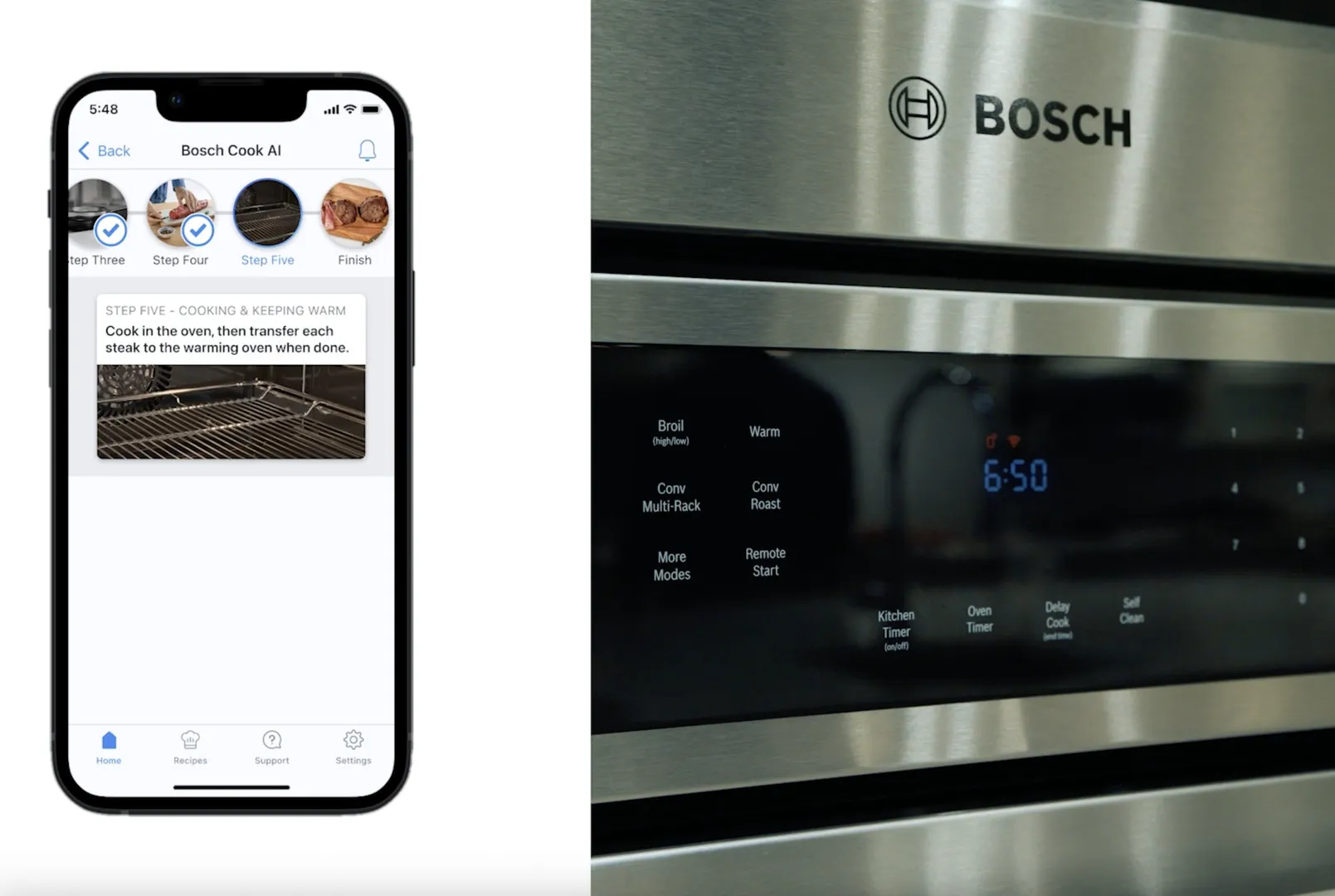
AI can help with timing, guidance, suggestions, automation, or decision support. But it does not automatically remove the realities of cooking: ingredients still need preparation, portions still matter, cleaning still exists, and taste is still personal.
A buyer who already enjoys structured cooking may love the guidance. A buyer who hates prep work may still feel disappointed, because no smart system magically washes vegetables, chops everything perfectly, clears the counter, and handles the dishes afterward.
What AI Can Help With vs. What It Probably Cannot Solve Alone
| AI May Help With | You Still Need to Handle |
|---|---|
| Guided cooking steps | Ingredient prep |
| Timing suggestions | Cleaning after use |
| Recipe confidence | Grocery planning |
| Reduced guesswork | Food texture preferences |
| More consistent results | Counter space and storage |
| Learning new meals | Deciding what your household actually eats |
This is where expectations need discipline. Bosch Cook AI may make cooking feel more guided, but it will not automatically make your kitchen life effortless.
The Marketing Language May Make It Sound Easier Than It Is
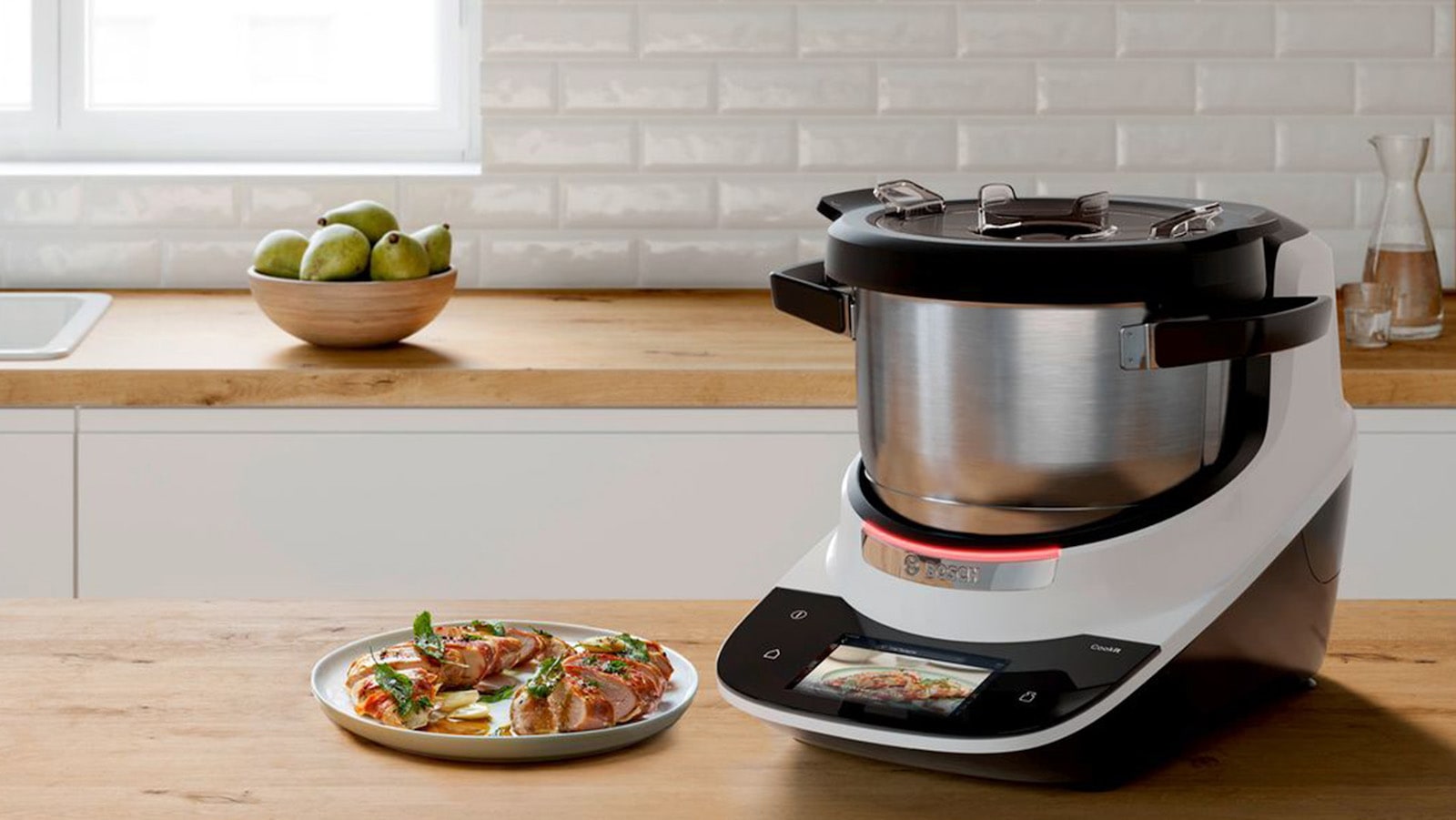
Words like smart, AI-powered, guided, automatic, and intelligent are persuasive because they make the product feel almost self-managing.
But smart cooking is still a partnership.
You may still need to:
- Select the correct recipe or mode.
- Measure ingredients properly.
- Follow preparation steps in the right order.
- Use compatible cookware, attachments, or accessories.
- Keep software updated.
- Learn the interface.
- Clean parts carefully after use.
“The machine may reduce uncertainty, but it does not remove responsibility.”
That is not a criticism. It is the reality of buying a kitchen product with intelligence layered on top of physical cooking. The food still has to behave like food. Sauces still reduce, dough still depends on ratios, and ingredients still vary.
A smart kitchen appliance is most satisfying when the buyer understands that it is a cooking assistant, not a private chef hiding in a box.
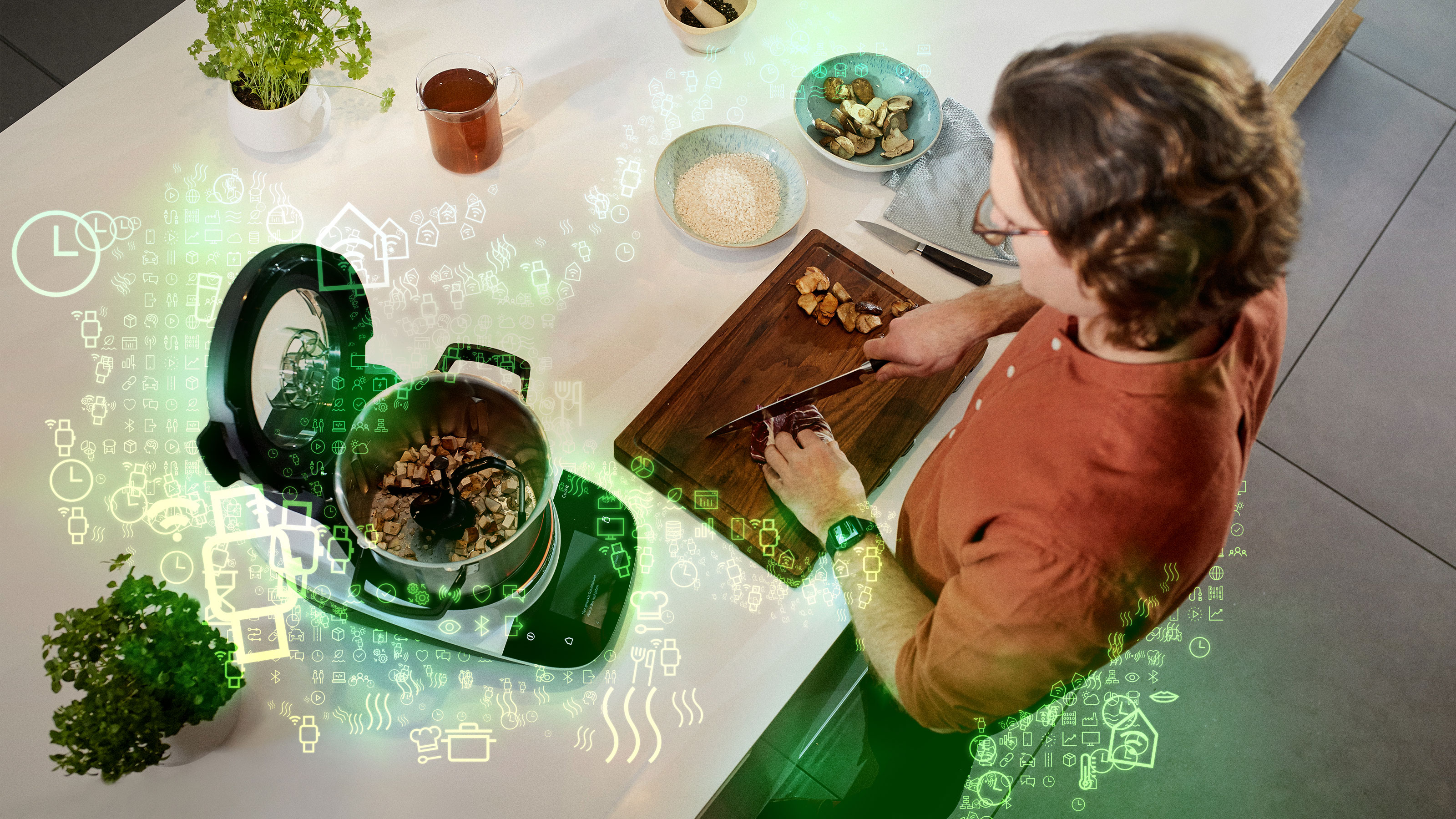
The Setup Condition That Decides Whether It Works as Intended
The most overlooked part of a smart kitchen product is not the AI. It is the setup.
For Bosch Cook AI to feel useful, your kitchen environment must support it.
That means checking:
- Is your Wi-Fi reliable where the product will sit?
- Do you have enough counter clearance?
- Is the appliance easy to access daily, or will it live in a cabinet of shame?
- Are the required accessories included or sold separately?
- Is the app available and fully usable in your region?
- Are the guided recipes relevant to the way you eat?
- Can everyone in the household understand the interface?
A product can be technically impressive and still become frustrating if the setup feels awkward.
The “Use It Every Day” Test
Ask yourself one simple question:
Can this product stay ready to use without making my kitchen feel more crowded?
If the answer is no, pause.
Kitchen tech fails when it adds a ritual before the cooking even begins. If you need to drag it out, reconnect it, search for parts, clean old residue, clear space, and relearn the controls every time, the AI feature becomes irrelevant. The friction wins. As usual, friction shows up wearing normal clothes and ruins the party.
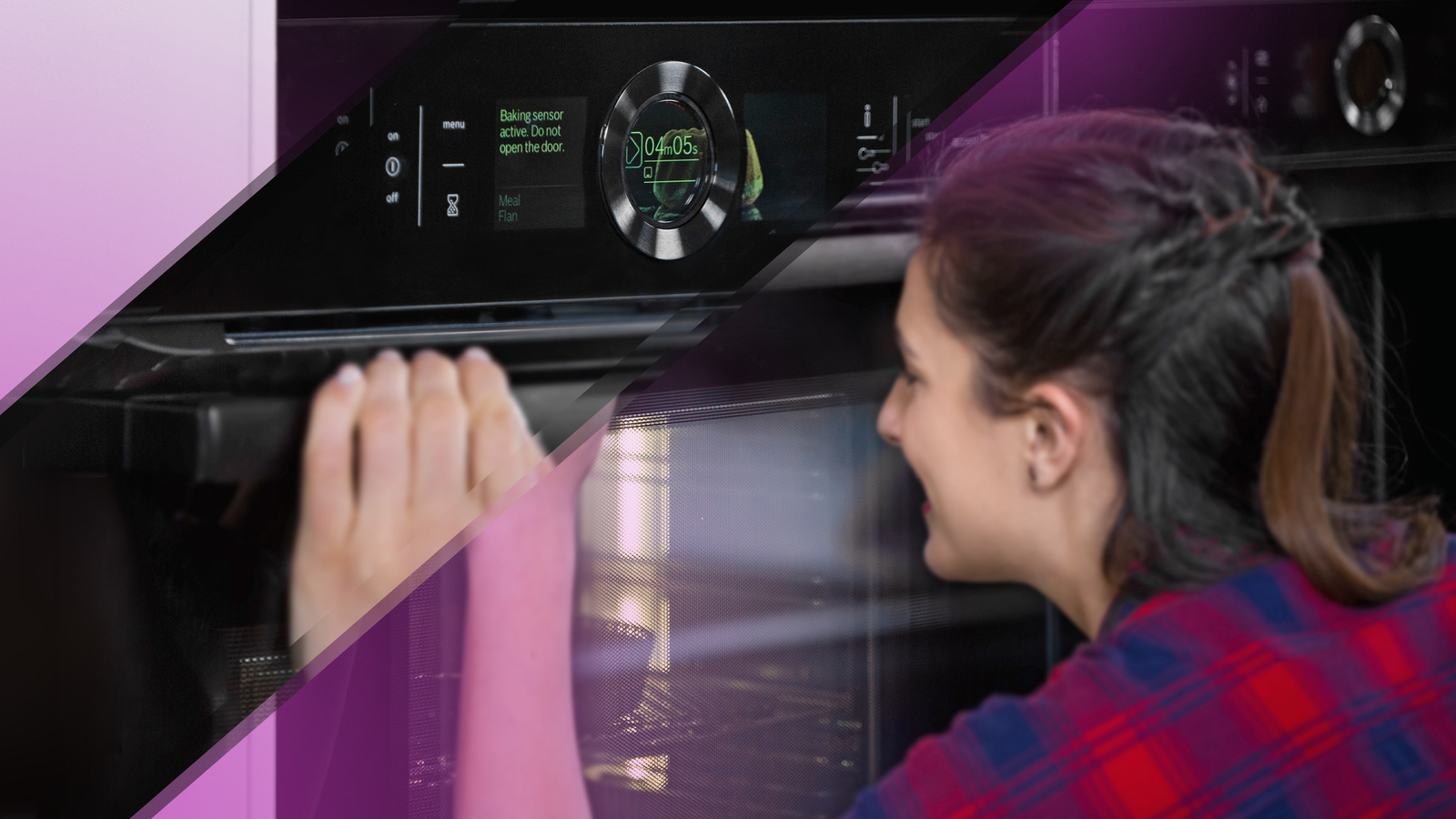
The Physical Requirement Buyers Often Miss
Smart cooking products are still physical appliances. That means the normal kitchen details matter more than the headline feature.
Before committing, look beyond the product beauty shots and think about:
| Requirement | Why It Can Affect Satisfaction |
|---|---|
| Counter footprint | If it takes prime space, it must earn that space often. |
| Storage height | Tall parts or lids may not fit under cabinets. |
| Bowl or chamber capacity | Too small for families, too large for solo cooking. |
| Noise level | Important in open kitchens or small apartments. |
| Steam and heat clearance | Placement matters near cabinets, walls, and outlets. |
| Cleaning access | Tight corners and delicate parts can make daily use annoying. |
| Part replacement | Long-term value depends on whether parts are easy to obtain. |
A beautiful appliance on a product page can become a daily irritation if it fights your kitchen layout.
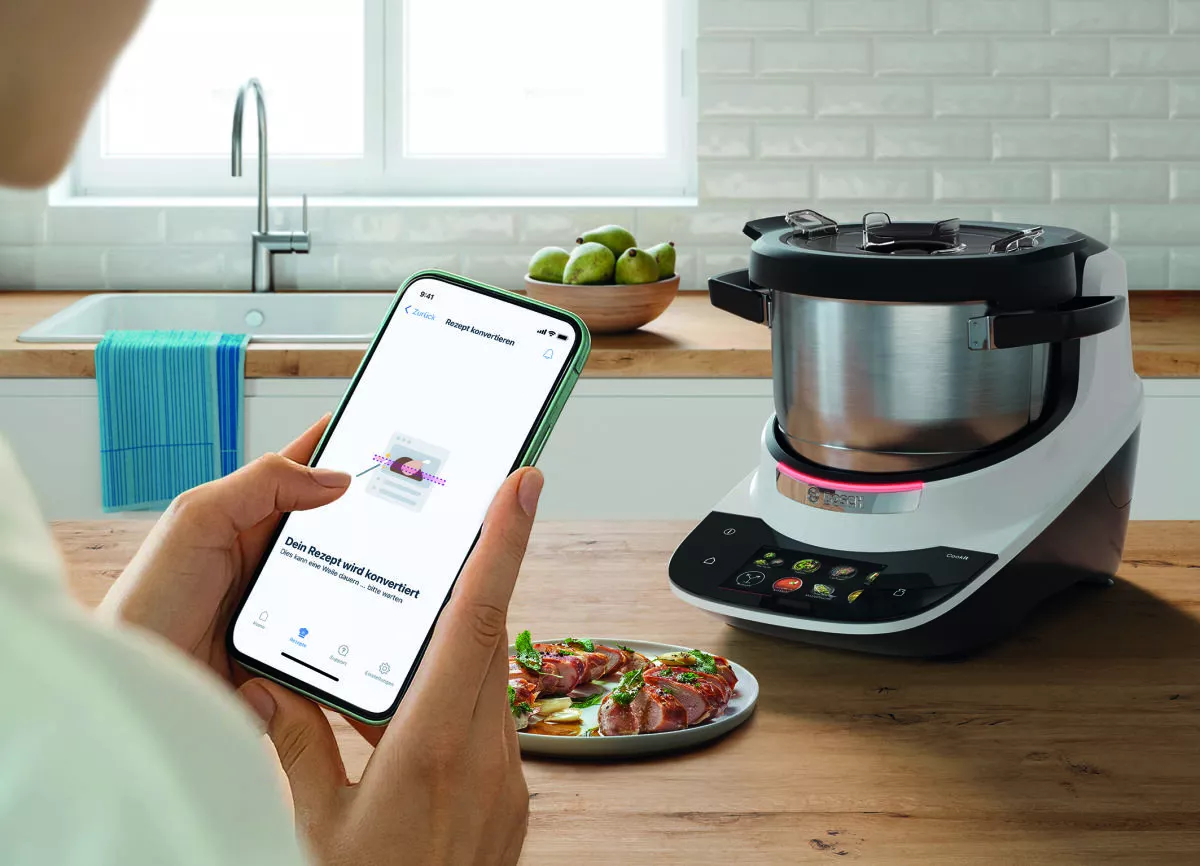
The Detail That Affects Satisfaction From Day One
The biggest day-one satisfaction factor is not usually the AI feature.
It is whether the first meal feels natural.
A product like Bosch Cook AI needs to make the first use feel guided, clear, and achievable. If the first setup asks too much, if the app pairing feels clumsy, if the recipes do not match your ingredients, or if the cleaning feels heavier than expected, the buyer can turn cold very quickly.
“The first dinner matters because it decides whether the product becomes a habit or a decoration.”
Before buying, try to imagine the first real use in your kitchen. Not the product video. Not the ideal family scene. Your actual kitchen. Your actual timing. Your actual patience level after work.
If the product needs a calm learning curve and you only cook when you are already tired, that matters.
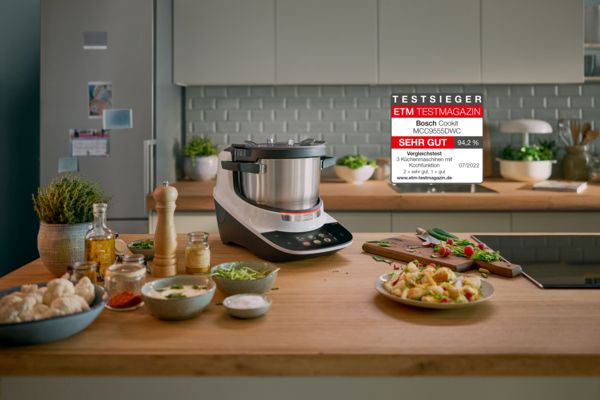
Do You Need Extra Parts, Accessories, or Subscriptions?
This deserves a second look before checkout.
Do not assume the purchase price includes the full experience. Check whether any of the following are required or strongly recommended:
- Additional cooking attachments.
- Replacement bowls, lids, blades, trays, or seals.
- Specific cookware or containers.
- App account registration.
- Paid recipe access or premium features.
- Filters, liners, cleaning tools, or maintenance parts.
- Extended warranty or protection plan.
- Compatible mobile device requirements.
Even when extras are optional, they can change the real cost of ownership.
Real Cost Checklist
| Cost Area | Question to Ask |
|---|---|
| Accessories | Will I need extra parts to cook the meals I actually want? |
| Maintenance | Are any parts consumable or likely to wear out? |
| App features | Are all smart functions included without ongoing fees? |
| Warranty | What happens if the main smart component fails? |
| Storage | Do I need a new place to keep the product and accessories? |
| Time | How much learning and cleaning does it require? |
The sticker price is not always the full price. The real price includes everything needed to make the product feel worth using.
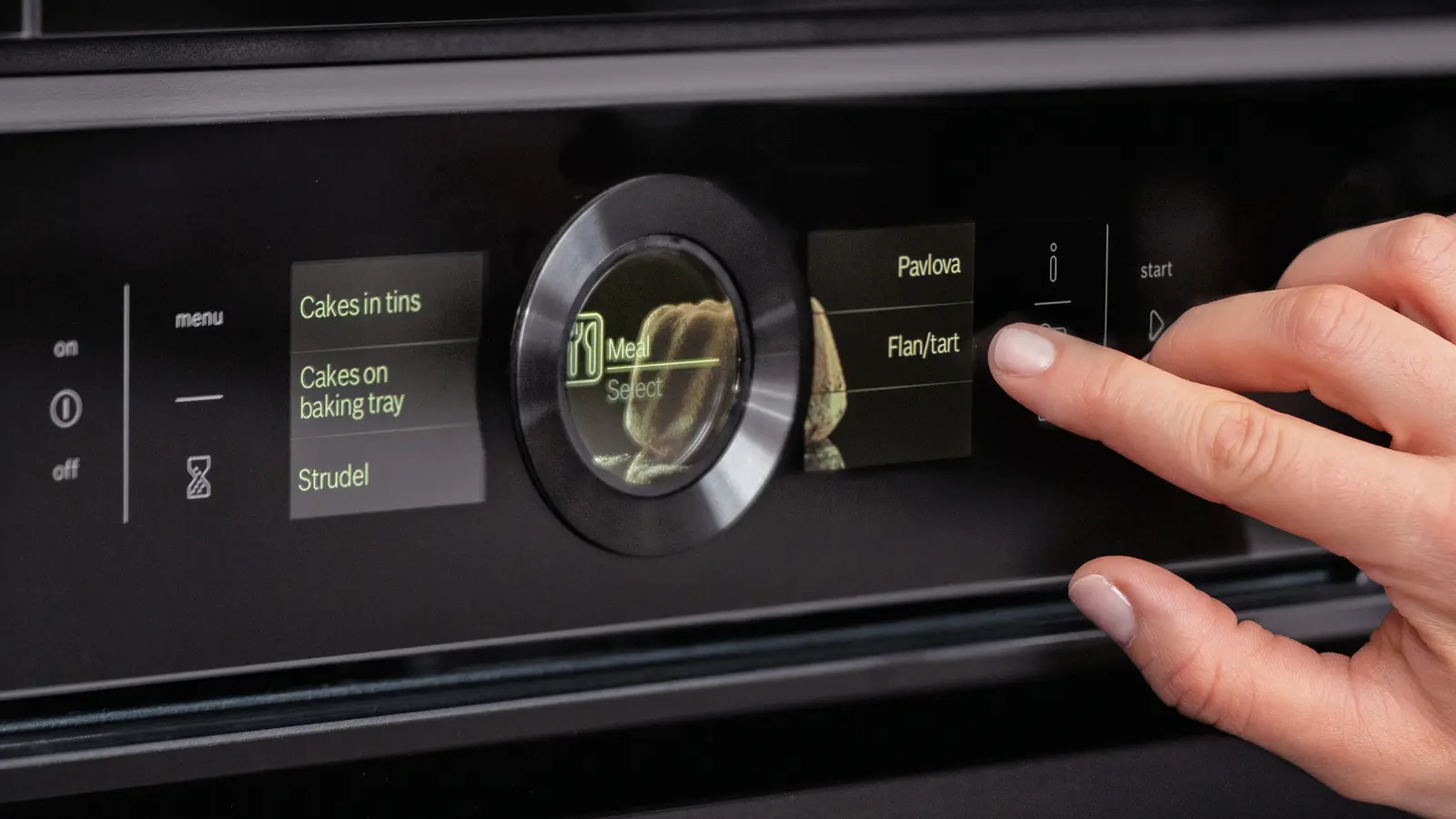
The Expectation You Should Lower Before Purchase
Lower the expectation that Bosch Cook AI will instantly make you a better cook.
It may help. It may guide. It may reduce mistakes. It may make certain dishes more approachable. But your cooking life will still depend on ingredients, planning, cleaning, and habit.
The buyer who expects transformation overnight may feel let down.
The buyer who expects structured assistance is more likely to appreciate it.
“The best smart kitchen products do not replace your judgment. They reduce the number of moments where you feel lost.”
That is a more realistic promise. And honestly, it is still valuable.
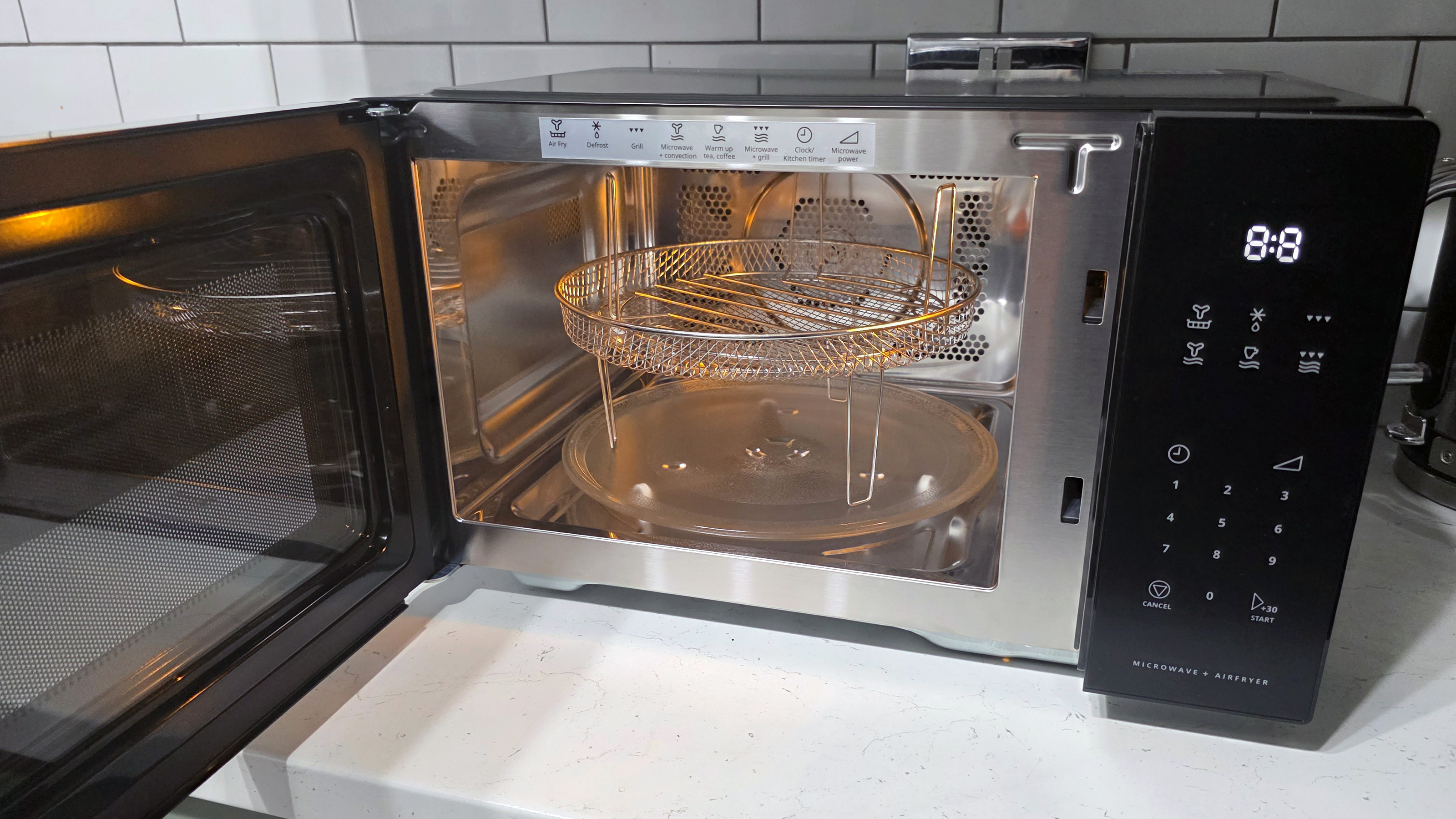
The Expectation That May Be Pleasantly Exceeded
Where Bosch Cook AI may surprise buyers is not in replacing cooking skill, but in reducing hesitation.
For many people, the barrier is not cooking itself. It is the uncertainty before cooking:
- What should I make?
- What order do I follow?
- How long should this step take?
- Is this texture normal?
- Am I overcooking it?
- Can I try something new without wasting ingredients?
If Bosch Cook AI provides a clearer cooking path, that can be more valuable than the “AI” label itself.
The pleasant surprise may be psychological: less decision fatigue.
That matters, especially for people who want to cook more often but get stuck before starting.
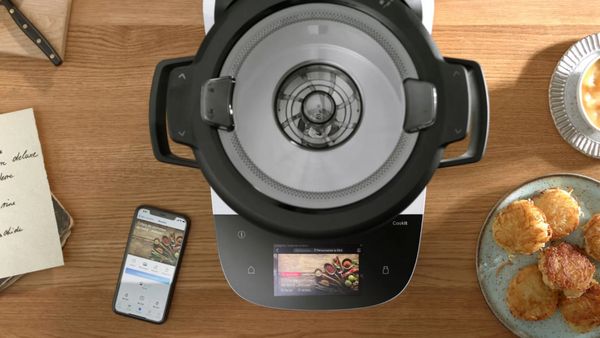
What Matters More Than the Headline Feature
The headline feature is AI.
But the buying decision should depend on something more practical:
Will this product reduce friction in the meals you already want to make?
That matters more than whether it sounds advanced.
A buyer should prioritize:
- Recipe relevance
Does it support the kind of food your household actually eats? - Daily convenience
Does it save effort, or just move the effort somewhere else? - Cleaning burden
Will cleanup feel acceptable after a normal dinner? - Capacity fit
Is it right for your household size? - Interface clarity
Can you use it without feeling like you need a training course? - Reliability of smart features
Does it still work well when connectivity or app features are not perfect?
The best kitchen appliance is not the smartest one. It is the one you use without negotiating with yourself first.
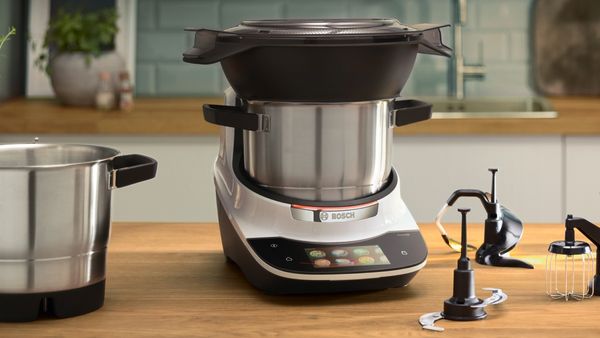
Who Should Pause Before Checking Out?
Bosch Cook AI may not be the right purchase for every buyer. Some people should think twice before ordering.
You Should Pause If…
| Buyer Type | Why You Should Reconsider |
|---|---|
| You hate following guided steps | A smart cooking system may feel restrictive instead of helpful. |
| You rarely cook at home | The product may not earn its space or cost. |
| You expect full automation | AI assistance is not the same as hands-free cooking. |
| You have limited counter space | Daily access matters more than occasional excitement. |
| You dislike app-based appliances | Setup and updates may become annoying. |
| You cook mostly by instinct | Guided systems can feel slower than your normal rhythm. |
| You are buying only because it sounds futuristic | That is how expensive kitchen objects become dust collectors. |
This product makes more sense for someone who wants structure, confidence, and guided consistency. It makes less sense for someone who wants a magical food robot. Sadly, the magical food robot is still busy being invented by marketing departments.
What Deserves a Second Look on the Product Page
Before buying, do not skim the product page like a normal shopper. Read it like someone trying to avoid regret.
Pay special attention to:
- Included accessories.
- Exact cooking modes.
- App requirements.
- Supported languages.
- Recipe availability.
- Cleaning instructions.
- Dishwasher-safe parts.
- Capacity and dimensions.
- Warranty coverage.
- Return policy.
- Replacement part availability.
- Photos showing real scale, not just studio angles.
- Any small print around AI, connectivity, or smart features.
The words that matter most are often not in the headline. They are in the specifications, compatibility notes, and “what’s in the box” section.
The Warning Sign Hidden Behind Attractive Selling Points
A smart cooking product can be attractive because it promises convenience, confidence, and modern design. But those same selling points can hide a warning sign:
If the product depends heavily on features you do not normally use, it may not change your habits enough to justify itself.
For example, if you never use cooking apps, rarely follow recipes, dislike cleaning multi-part appliances, and prefer simple stovetop meals, the AI layer may not rescue the purchase.
The product may be impressive. It may also be wrong for you.
“A great product can still be a bad purchase when it asks you to become a different kind of cook.”
That is the key before-you-commit lesson.
The Question Buyers Should Answer About Themselves
Before buying Bosch Cook AI, answer this honestly:
Do I want help cooking the way I already cook, or am I hoping this product will turn me into someone who cooks differently?
There is a big difference.
If you already want to cook more structured meals, try new recipes, reduce guesswork, and make the process feel more guided, this kind of product may fit beautifully.
If you are buying it because you dislike cooking entirely, be careful. It may reduce some friction, but it will not remove every part of the cooking process you dislike.
Self-Check Before Buying
| Ask Yourself | Good Sign | Warning Sign |
|---|---|---|
| Do I cook often enough? | Yes, several times a week | Rarely |
| Do I like guided recipes? | Yes, I appreciate structure | No, I prefer improvising |
| Do I tolerate cleaning appliances? | Reasonably | Absolutely not |
| Do I have counter space? | Yes, accessible space | No, already crowded |
| Do I want consistency? | Yes | I only want speed |
| Am I comfortable with smart setup? | Yes | I hate app-connected devices |
This is where the purchase becomes personal. Not emotional. Practical.
What Would Make It Feel Wrong Immediately After Unboxing?
The fastest route to regret is a mismatch between expectation and reality.
Bosch Cook AI could feel like the wrong purchase immediately if:
- It is larger than expected.
- Setup takes more effort than expected.
- The app experience feels necessary but not smooth.
- The included accessories feel incomplete.
- The first recipe does not match your normal eating habits.
- Cleaning looks more involved than you imagined.
- It does not replace the appliance you assumed it would replace.
- The AI feature feels more guided than automatic.
- Your kitchen does not have a comfortable permanent place for it.
That last point matters more than people admit. If you unbox it and immediately think, “Where am I supposed to put this?”, the relationship is already in trouble.
The Bottom Line: Buy the Workflow, Not the Buzzword
Bosch Cook AI should not be judged only by the promise of artificial intelligence. It should be judged by the daily cooking workflow it creates.
Before committing, verify the practical details: what it cooks, how it guides, what it needs, how it cleans, where it sits, what is included, and whether the smart features match your actual kitchen behavior.
If the product helps you cook meals you already want to make with less hesitation and more consistency, it could feel like a meaningful upgrade.
If you are expecting it to remove all effort, replace all skill, and transform your kitchen routine overnight, pause before checking out.
“The smartest purchase is not the one with the most intelligent feature. It is the one that fits your real life without needing a personality transplant.”
And that is the real before-you-commit test for Bosch Cook AI.
Explore the Bosch Cook AI Gallery
Every image from this article, gathered in one clean place. Tap any photo to open it larger.