
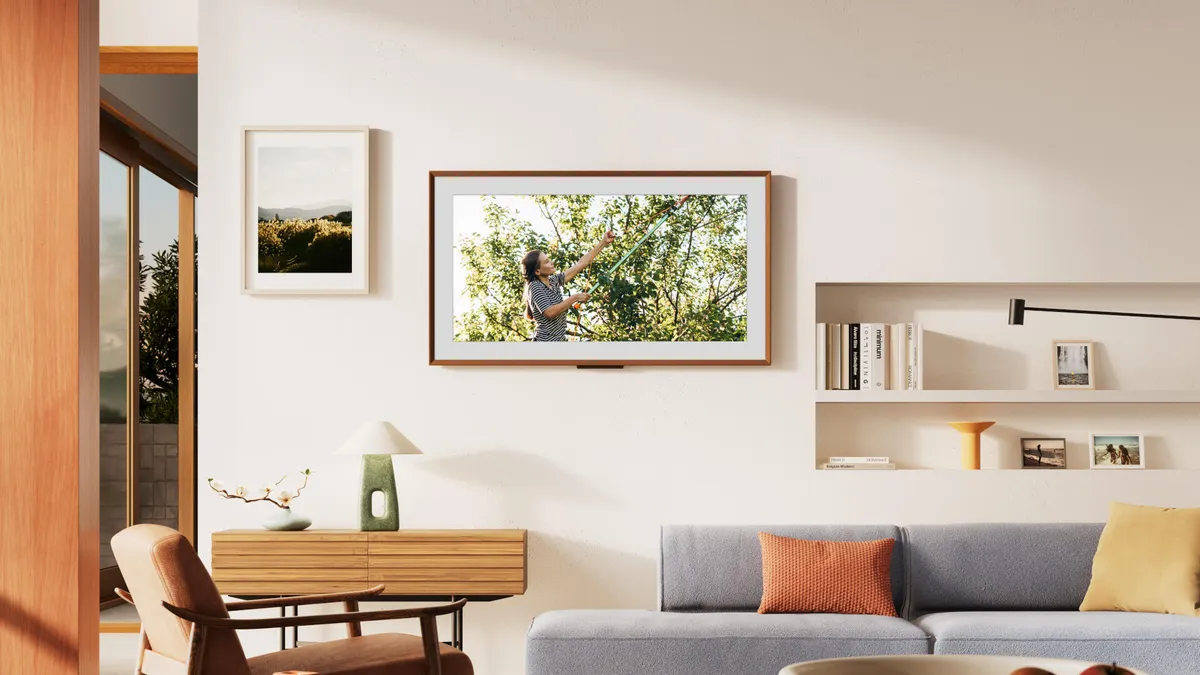
The Amazon Ember Artline is the kind of product that can make perfect sense in a showroom, on a product page, or in a carefully staged living room photo.
That is also exactly why buyers should slow down before ordering it.
This is not the sort of device you judge only by asking, “Does it look good?” Of course it looks good. That is the entire point. The better question is whether it will still feel like a smart purchase once it is on your wall, in your room, connected to your home setup, and living inside your daily routine.
“A product like this is not just a screen purchase. It is a room decision.”
The Big Question Before Buying the Amazon Ember Artline
Before committing, ask yourself one honest question:
Do I want a decorative smart display because it solves a real problem in my home, or because the idea of it feels more elegant than the reality may be?
That distinction matters.
The Ember Artline sounds like the kind of product built for people who want technology to disappear into the room instead of screaming for attention. But products in this category can disappoint when buyers treat them like regular TVs, tablets, art frames, or smart speakers — because they are usually none of those things perfectly.
They live in the middle.
And the middle is where expectations need discipline.
What You Should Verify Before Ordering
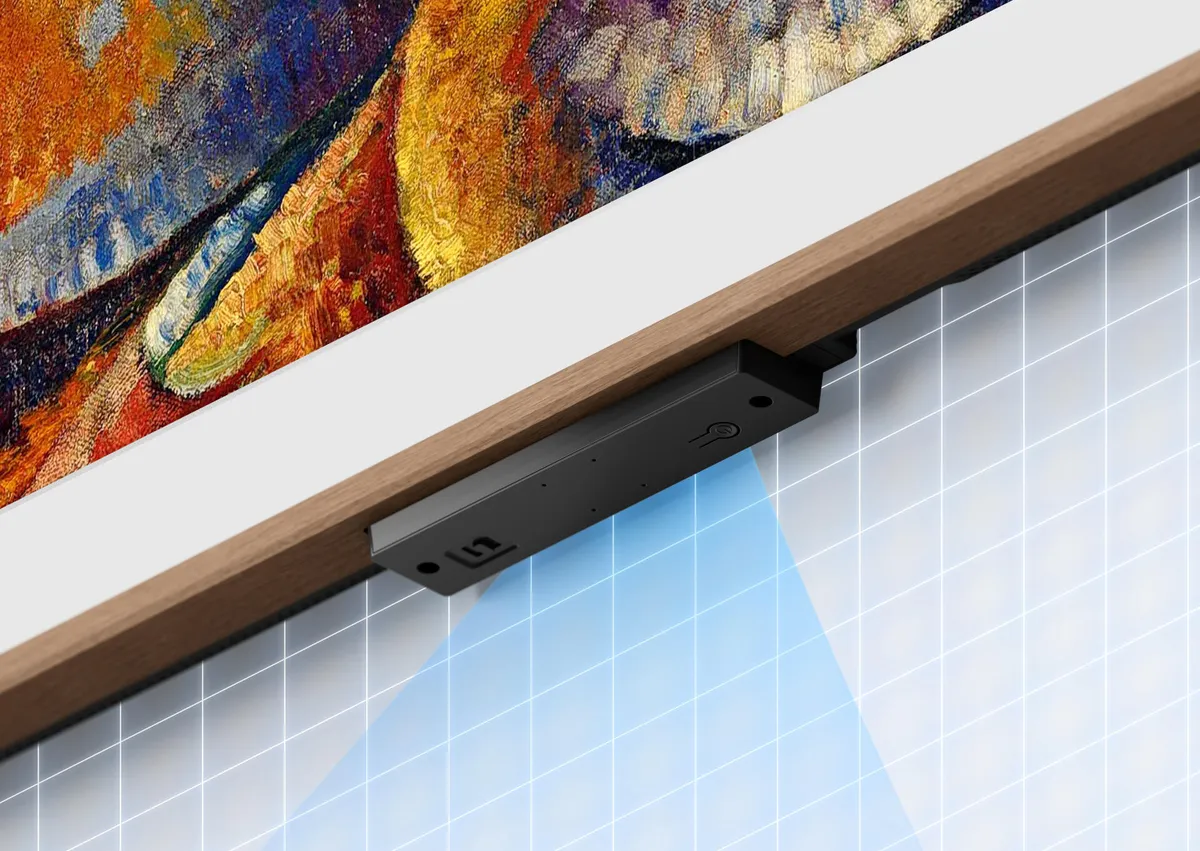
Here is the checklist we would go through before spending money on the Amazon Ember Artline.
| Before You Buy | Why It Matters |
|---|---|
| Wall space and viewing angle | A beautiful display in the wrong spot becomes expensive clutter. |
| Power access | Cable visibility can ruin the “art” illusion immediately. |
| Room brightness | Ambient displays live or die by how natural they look in daylight and at night. |
| Mounting requirements | Not every wall, rental, or furniture layout is friendly to this category. |
| Amazon ecosystem fit | The product makes more sense if your home already leans into Amazon services. |
| Content expectations | Art-style screens are only as satisfying as the content you actually want displayed. |
| Subscription or content limitations | The product page may not make the long-term content experience obvious enough. |
| Privacy comfort | Any smart home display deserves a second look here. |
| Who will use it daily | A beautiful device nobody interacts with becomes decorative guilt. |
“The worst version of this purchase is buying it for the fantasy room you do not actually live in.”
The Assumption That Could Lead to the Wrong Purchase
The biggest mistake is assuming the Amazon Ember Artline will behave like a normal screen that simply happens to look more stylish.
That expectation can break the experience.
A product like this should not be judged only by brightness, size, resolution, or smart features. Those things matter, but they are not the full story. What matters more is whether the Ember Artline fits the role you are giving it.
Are you buying it as:
- A digital art display?
- A subtle smart home control point?
- A decorative replacement for a blank wall?
- A living-room screen that should compete with a TV?
- A mood-setting object for guests and everyday ambience?
Those are different jobs.
And if you buy it for the wrong job, the regret will be fast.

The Expectation to Lower Before Purchase
Lower this expectation first:
Do not expect the Amazon Ember Artline to magically make your room look premium by itself.
It may help. It may finish a room nicely. It may look far better than a dead black rectangle when idle. But it cannot fix bad placement, visible cables, awkward furniture alignment, poor lighting, or a wall that was never meant to host a display.
This is where product marketing can be dangerous. It often makes the device look effortless because the room around it has already done half the work.
“The Ember Artline may be the final touch, but it should not be asked to do the job of interior design.”
The Setup Reality Buyers May Underestimate
The setup condition that matters most is not the app.
It is the room.
More specifically:
Can the device be placed where it looks intentional, has power nearby, avoids ugly cable exposure, and sits at a natural viewing height?
That sounds boring. It is also the difference between loving this type of product and resenting it after the first week.

The Physical Details That Deserve a Second Look
Before ordering, check:
- Where the nearest power outlet is.
- Whether the cable can be hidden cleanly.
- Whether the wall can support the mount.
- Whether sunlight will hit the screen directly.
- Whether the display will be too high, too low, or off-center.
- Whether the surrounding decor makes it look like art or just another screen.
- Whether you are willing to adjust the room around it.
This is not paranoia. This is how you avoid the classic smart-home mistake: buying the beautiful product first, then realizing your home does not want to cooperate.
What Marketing May Make Sound Easier Than It Is
The marketing language around products like the Ember Artline often leans into words like seamless, ambient, beautiful, effortless, and designed for the home.
Those words may be fair, but they can hide friction.
| Marketing Impression | Real-World Translation |
|---|---|
| Looks like art | Only if the content, frame, wall, and cable setup cooperate. |
| Smart home ready | Best if you already use compatible smart-home devices. |
| Ambient experience | Depends heavily on brightness, room lighting, and placement. |
| Easy setup | Software may be easy; physical setup may not be. |
| Premium home display | Premium feel depends on the whole room, not just the device. |
The Ember Artline may be elegant, but elegance is fragile. A single visible cable can destroy the illusion. So can the wrong wall height. So can content that feels repetitive after a few days.
What Matters More Than the Headline Feature
The headline feature may be the art-style design. But the real buying decision should be based on daily tolerance.
Ask yourself:
Will I still appreciate this after the novelty fades?
That matters more than whether it looks impressive on day one.
The best version of the Amazon Ember Artline is probably not a device you obsess over. It is a device that quietly improves the room. It becomes part of the background in a good way. It does not demand constant attention, and it does not create little annoyances every time you pass it.
That is the standard.
Not “wow.”
Quiet satisfaction.
“The best ambient tech is not the tech you keep noticing. It is the tech you stop fighting.”
Who Should Pause Before Buying the Amazon Ember Artline?
Some buyers should slow down more than others.
| Buyer Type | Should You Pause? | Why |
|---|---|---|
| You rent and cannot mount freely | Yes | Installation limits may ruin the experience. |
| You hate visible cables | Yes | You need a clean power plan before buying. |
| You expect TV-like performance | Yes | This may not be the right category for that job. |
| You do not use Amazon smart-home services | Maybe | The ecosystem advantage may matter less to you. |
| You constantly rearrange rooms | Maybe | Placement-sensitive devices dislike chaos. |
| You want subtle ambient decor | No, but verify setup | This is closer to the ideal buyer. |
| You already use smart displays and want something more refined | Likely yes | The upgrade may feel more natural. |
The buyer who should be most careful is the one who wants the Ember Artline to be both decor, TV, smart hub, photo frame, art gallery, and conversation piece all at once.
That is too much pressure for one product.
The Overlooked Detail That Affects Satisfaction From Day One
The first thing that may affect satisfaction is not performance.
It is whether the product looks intentional in your space.
A screen placed casually on the wrong wall can feel like tech pretending to be art. But when it is placed correctly, with balanced furniture, clean cable management, and the right content, the idea becomes much easier to believe.
That is why buyers should not ask only:
“Do I like the Amazon Ember Artline?”
They should ask:
“Do I have the right place for it?”
That is the more important question.
Extra Parts, Accessories, or Adjustments You May Need
Depending on your room, you may need more than the device itself.
Possible extras include:
- Cable management channel
- Better wall anchors
- Professional installation
- A nearby outlet solution
- Smart-home setup adjustments
- Content subscription or premium art access
- Lighting changes around the display
- Furniture repositioning
None of these are dramatic individually. Together, they can change the real cost and effort of ownership.
“The product price is not always the full price. Sometimes the room sends you a second invoice.”
What Could Pleasantly Exceed Expectations
The Ember Artline could exceed expectations if you buy it for the right reason.
Not as a replacement for everything.
Not as a magic wall upgrade.
Not as a spec-sheet trophy.
But as a calmer way to bring display technology into a room without making the room feel like an electronics aisle.
If the visual quality is strong, the interface stays simple, and the content feels tasteful, the product could become more valuable over time because it improves moments you do not usually think about: walking into the living room, hosting guests, changing the mood of a space, or keeping useful information visible without turning the room into a command center.
That is where this category can shine.

The Expectation That May Be Too Low
Some buyers may underestimate how much a well-designed ambient display can change the emotional tone of a room.
A normal blank screen feels dead when it is off. A good art-style display can soften that. It can make technology feel less like equipment and more like part of the home.
That is not a small thing if you care about atmosphere.
The Warning Sign Hidden Behind the Attractive Selling Point
The attractive selling point is obvious: it looks more beautiful than ordinary tech.
The warning sign is also hidden inside that same appeal:
You may forgive practical compromises because the idea feels premium.
That is dangerous.
A beautiful product still needs to earn its place. If setup is annoying, content feels limited, the display looks artificial in your lighting, or the ecosystem does not fit your home, the design alone will not save it.
Beauty can make a product more enjoyable.
It should not be used as an excuse to ignore friction.
The Product Page Details That Deserve a Second Look
Before checking out, look carefully at:
- Exact dimensions
- Mounting options
- Included accessories
- Cable length and power requirements
- Display brightness and finish
- Supported content sources
- Smart-home compatibility
- Voice assistant behavior
- Subscription language
- Return policy
- Warranty coverage
- Privacy controls
- Whether key features require other Amazon devices or services
This is where boring details protect you from expensive disappointment.
The Question Buyers Should Answer About Themselves
Before committing, answer this:
Am I buying the Amazon Ember Artline because I know exactly where it fits, or because I like the idea of being the kind of person who owns it?
That question may feel a little rude. Good. It should.
Because products like this are lifestyle-adjacent. They sell a feeling. They are not only solving a utility problem; they are suggesting a more polished version of your home.
That can be valid. We like polished homes. We like technology that behaves with a little restraint for once. Amazing concept. Humanity survived the era of giant black rectangles on walls and somehow asked for more rectangles.
But the purchase should still be honest.
If your space is ready for it, the Ember Artline may feel refined and natural.
If your space is not ready, it may feel like a very expensive reminder that product photos are professionally staged for a reason.
What Would Make It Feel Wrong Immediately After Unboxing?
The Amazon Ember Artline may feel like the wrong purchase immediately if:
- You cannot place it where it looks balanced.
- The cable is more visible than expected.
- The screen does not look natural in your room lighting.
- The setup requires more ecosystem commitment than you wanted.
- You expected it to behave like a full TV replacement.
- The art/content experience feels narrower than imagined.
- You realize nobody in the house actually cares about using it.
- It looks premium in isolation but awkward in the room.
That last one is the killer.
A product can be beautiful and still wrong for your home.
Our Buying Position: Commit Only If the Room Is Ready
The Amazon Ember Artline is the kind of product we would not buy impulsively. We would buy it only after choosing the exact wall, checking the outlet situation, understanding the content experience, and deciding what role it will play in the home.
That does not make it a bad purchase. It makes it a purchase that needs context.
Before You Commit: Final Decision Table
| Buy It If… | Pause If… |
|---|---|
| You want a more elegant ambient display. | You expect a traditional TV replacement. |
| You already live comfortably in Amazon’s ecosystem. | You use mixed platforms and hate ecosystem friction. |
| You have a clean wall and power plan. | You have no way to hide or manage cables. |
| You care about room atmosphere. | You mostly care about raw specs. |
| You understand the product’s role clearly. | You are buying based on staged lifestyle photos. |
| You are willing to adjust placement for the best result. | You want it to work beautifully anywhere. |
Bottom Line
The Amazon Ember Artline is worth considering if you want technology that feels calmer, more decorative, and more integrated into the home. But it is not a product to buy on aesthetic impulse alone.
Before you commit, verify the wall, the power setup, the ecosystem fit, the content experience, and your real expectations.
Because if everything around it is right, the Ember Artline could feel like a smart, tasteful upgrade.
If the setup is wrong, it may become exactly what it was trying not to be:
another screen that gets in the way.
Explore the Amazon Ember Artline Gallery
Every image from this article, gathered in one clean place. Tap any photo to open it larger.