

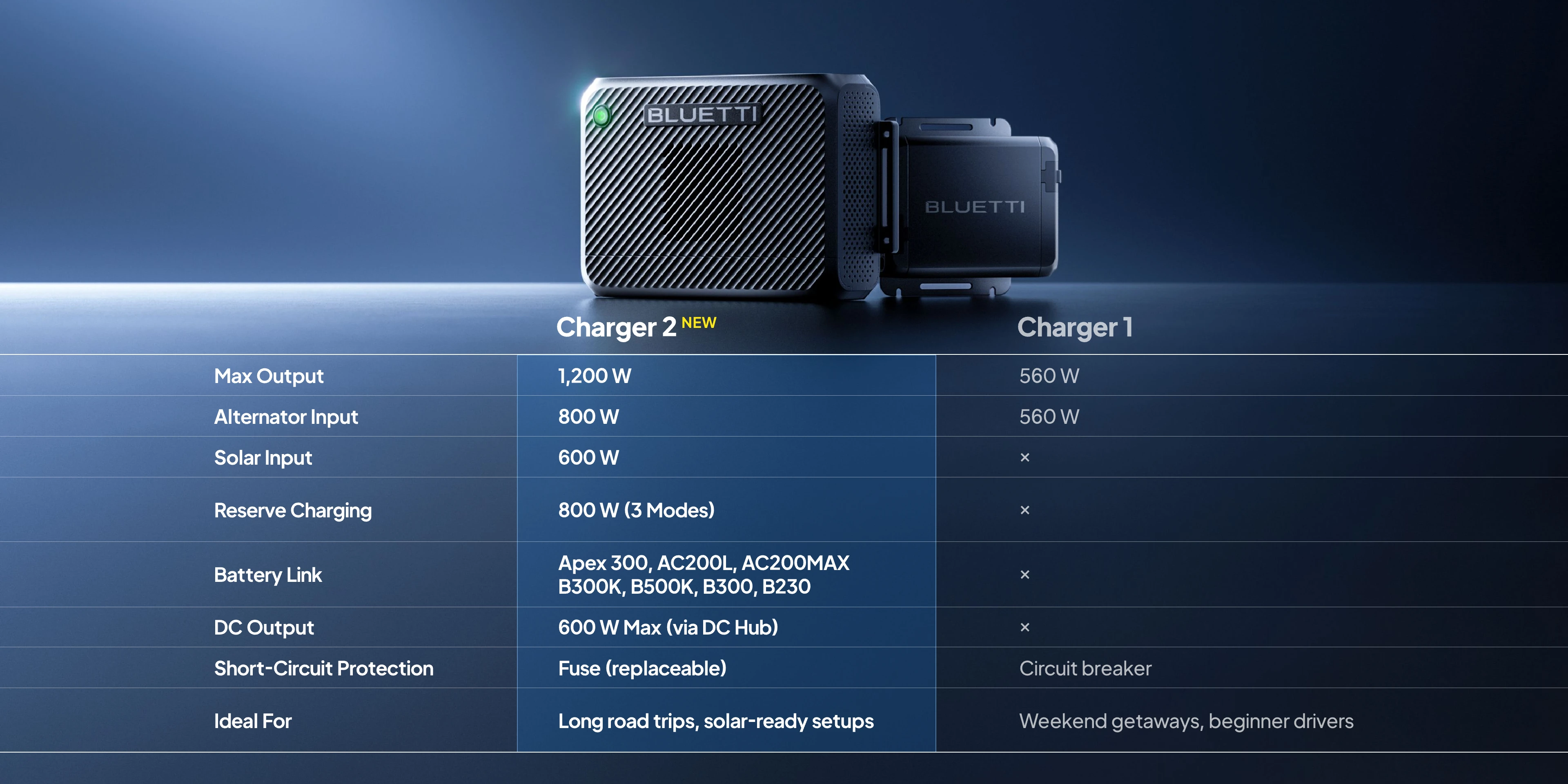
The BLUETTI Charger 2 sounds like the kind of accessory that solves a very specific modern problem: keeping a portable power station topped up while you are on the move. For van owners, campers, overlanders, mobile workers, and anyone who hates watching battery percentage fall during a trip, that idea is instantly attractive.
But this is exactly the type of product where the headline promise can feel simpler than the real-world setup.
“The BLUETTI Charger 2 is not just a charger you casually throw into your cart. It is part of a larger power setup, and that setup needs to make sense before the product does.”
This is not about whether the Charger 2 is interesting. It is. The real question is whether your vehicle, your power station, your usage style, and your patience for installation match what this product expects from you.
Below are the things we would slow down and check before buying.
The Main Thing to Understand First
The BLUETTI Charger 2 is best viewed as a vehicle-based charging upgrade, not a universal “plug it in anywhere and everything is solved” accessory.
That difference matters.
A wall charger is simple. A USB-C charger is simple. A vehicle charging system is not always simple, because it involves your car’s electrical system, your power station’s input limits, your wiring route, and the way you actually travel.
| Before You Buy, Ask This | Why It Matters |
|---|---|
| Is my power station compatible? | Not every power station accepts the same input range or connector style. |
| Is my vehicle suitable? | The charger depends on the vehicle power system working correctly. |
| Am I comfortable with installation? | This may not feel like a basic consumer plug-and-play accessory. |
| Do I need extra cables or adapters? | The box may not solve every setup requirement by itself. |
| Will I actually drive long enough to benefit? | Short trips may not deliver the charging experience you imagine. |
The Charger 2 makes the most sense when it is part of a planned mobile power system. If you are just trying to “charge faster in the car somehow,” pause before buying.
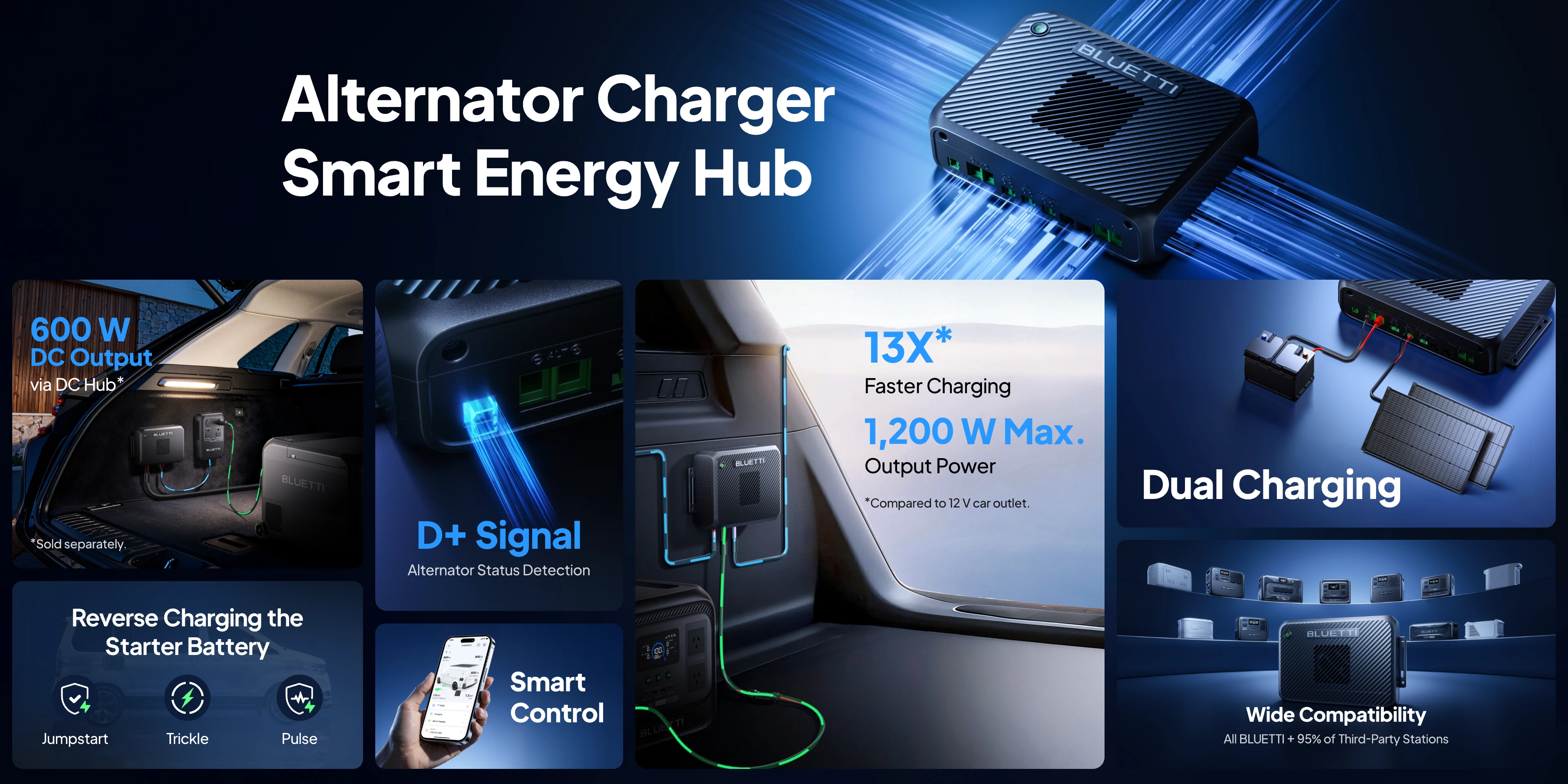
Verify Compatibility Before Ordering
The first mistake a buyer can make is assuming that because the product says BLUETTI, it will automatically work perfectly with every BLUETTI power station or every competing portable power station.
That is not how power products work. Boring, yes. Important, unfortunately also yes.
You should verify:
- Your power station model
- Supported input voltage range
- Maximum DC input wattage
- Connector type
- Whether the charger output matches what your unit can safely accept
- Whether any adapter cable is needed
- Whether using this charger affects other charging inputs
“The product page should not be skimmed here. The compatibility section is not decorative furniture. It is the part that tells you whether this purchase will feel smart or instantly annoying.”
This matters even more if you plan to use the Charger 2 with a non-BLUETTI power station. It may still be possible in some setups, but “possible” and “clean, safe, supported, and satisfying” are not the same thing.
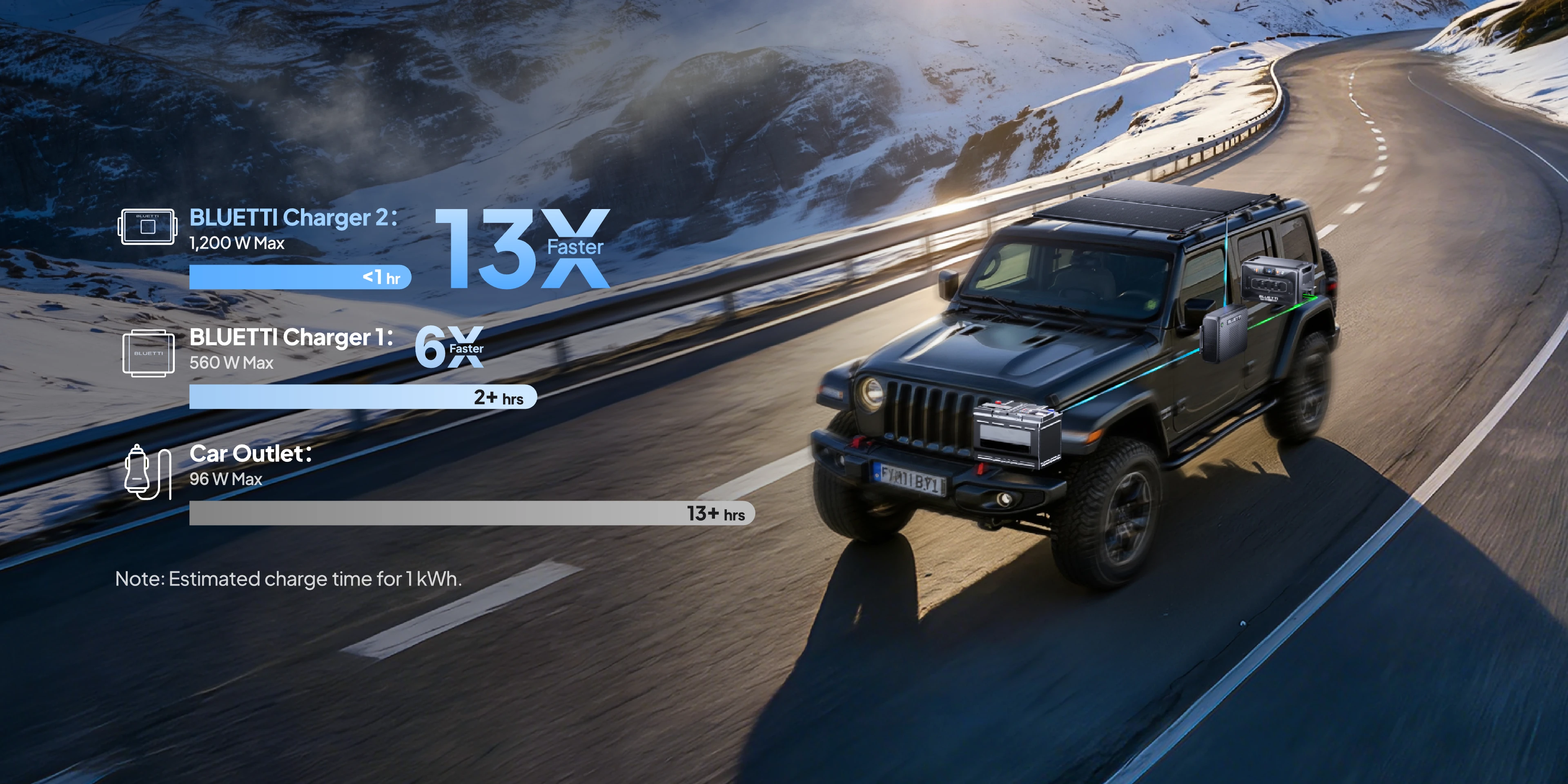
The Wrong Assumption: “It Will Charge Like a Wall Outlet”
This is probably the biggest expectation that needs correcting.
A vehicle charger can be powerful, but it is still dependent on your vehicle and your driving situation. It is not magic. If you drive for 12 minutes to the grocery store, you should not expect the same experience as someone driving across the country for six hours.
Where Expectations Need to Be Lowered
| Expectation | Reality Check |
|---|---|
| “It will fully charge my power station quickly every time.” | Only if the power station capacity, charger output, and drive duration line up. |
| “I can use it casually like a car phone charger.” | The setup is more involved than a 12V cigarette-lighter adapter. |
| “It removes the need for solar or wall charging.” | It may reduce dependence, but it does not automatically replace every charging method. |
| “Any car can handle it.” | Your vehicle’s electrical system still matters. |
The Charger 2 can be very useful, but buyers should think in terms of charging contribution, not guaranteed full recharge every time.

The Setup Condition That Determines Whether It Works as Intended
For this type of product, the setup is not a small detail. It is the product.
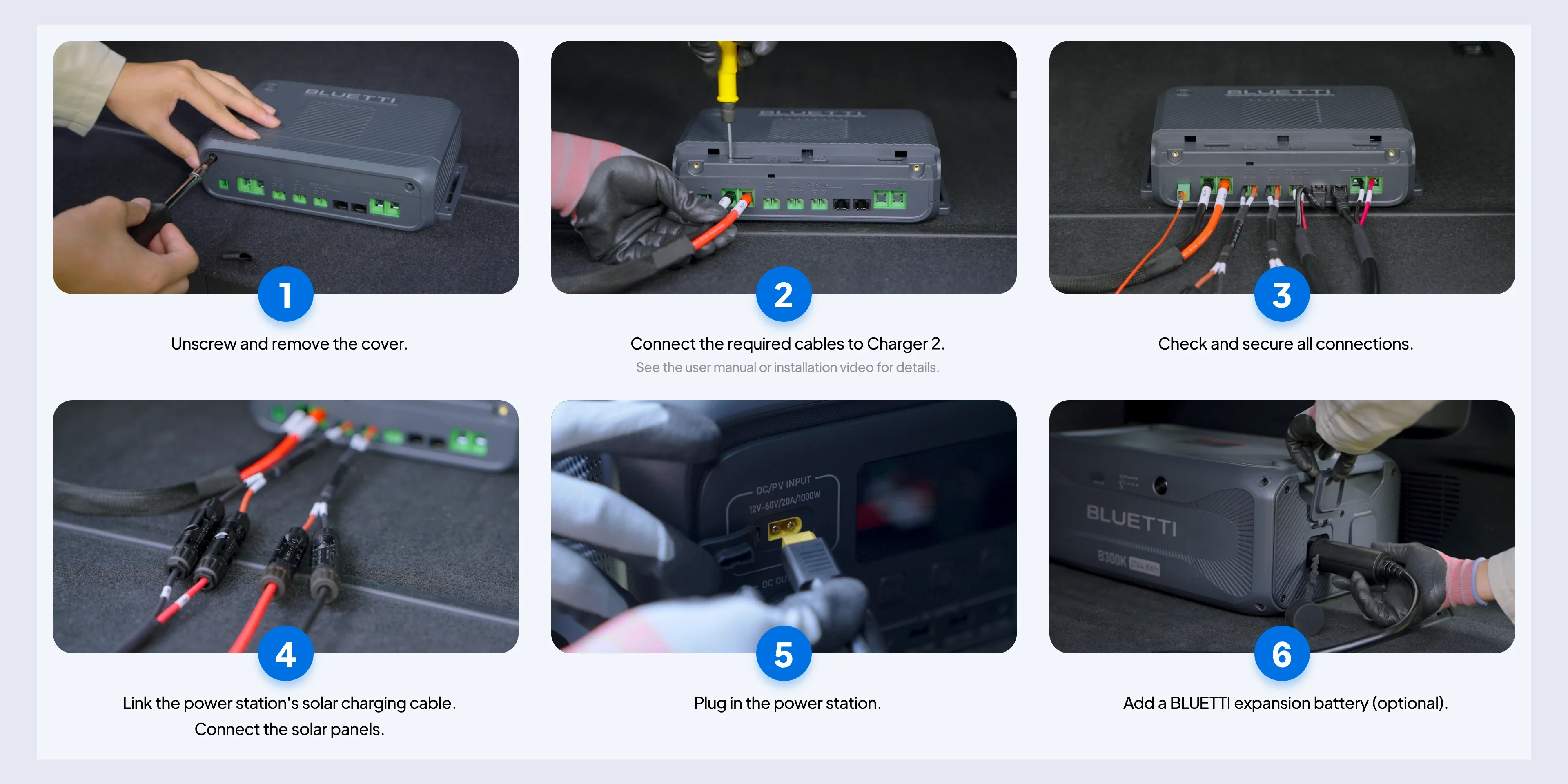
The Charger 2 depends on being installed and connected properly. That includes safe wiring, proper routing, correct fuse protection, and a setup that does not interfere with the way you use your vehicle.
This is where some buyers should immediately slow down.
If you are comfortable with vehicle electrical accessories, this may feel reasonable. If you are not, professional installation may be the smarter path.
“The Charger 2 may be marketed as a clean solution, but the clean experience only happens after the messy part has been handled correctly.”
The overlooked truth is that many buyers judge power accessories by wattage, but live with them based on installation quality.
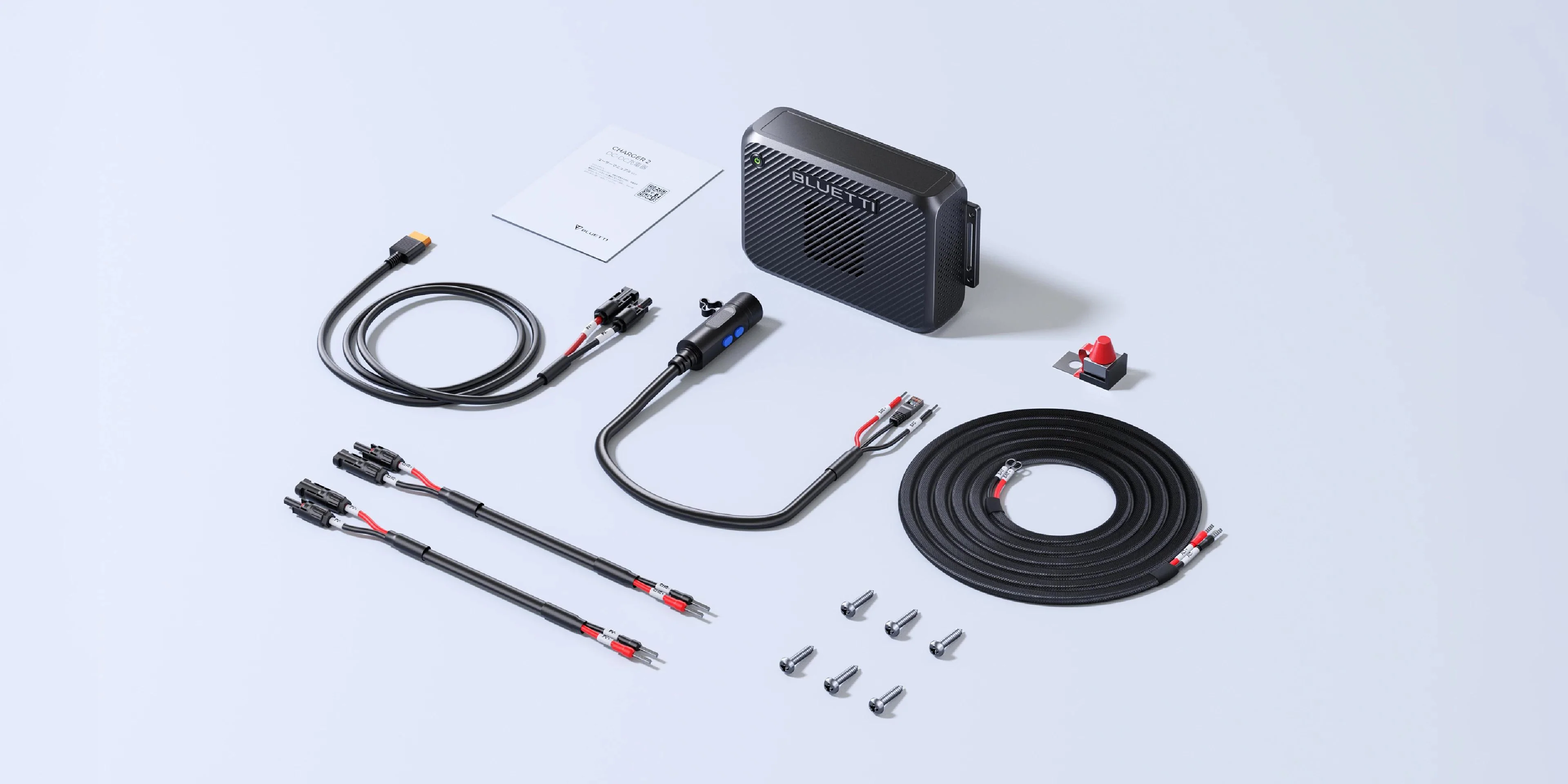
The Physical Requirements Buyers May Miss
The Charger 2 is not only a spec-sheet decision. It has to physically live somewhere in your setup.
Before buying, think about:
- Where the unit will be mounted or placed
- Whether the cables can reach cleanly
- Whether the cable path is safe from heat, sharp edges, moisture, and movement
- Whether the charger needs airflow
- Whether the setup will be permanent or removable
- Whether it creates clutter inside the vehicle
- Whether the power station will stay in one place while charging
This is especially important in smaller cars, compact SUVs, or temporary camping setups where space is already tight.
The “Day One Satisfaction” Detail
The detail that affects satisfaction immediately is not charging speed. It is how tidy and usable the setup feels after installation.
A powerful charger with awkward cable routing can feel worse than a slower setup that is clean, predictable, and easy to live with.
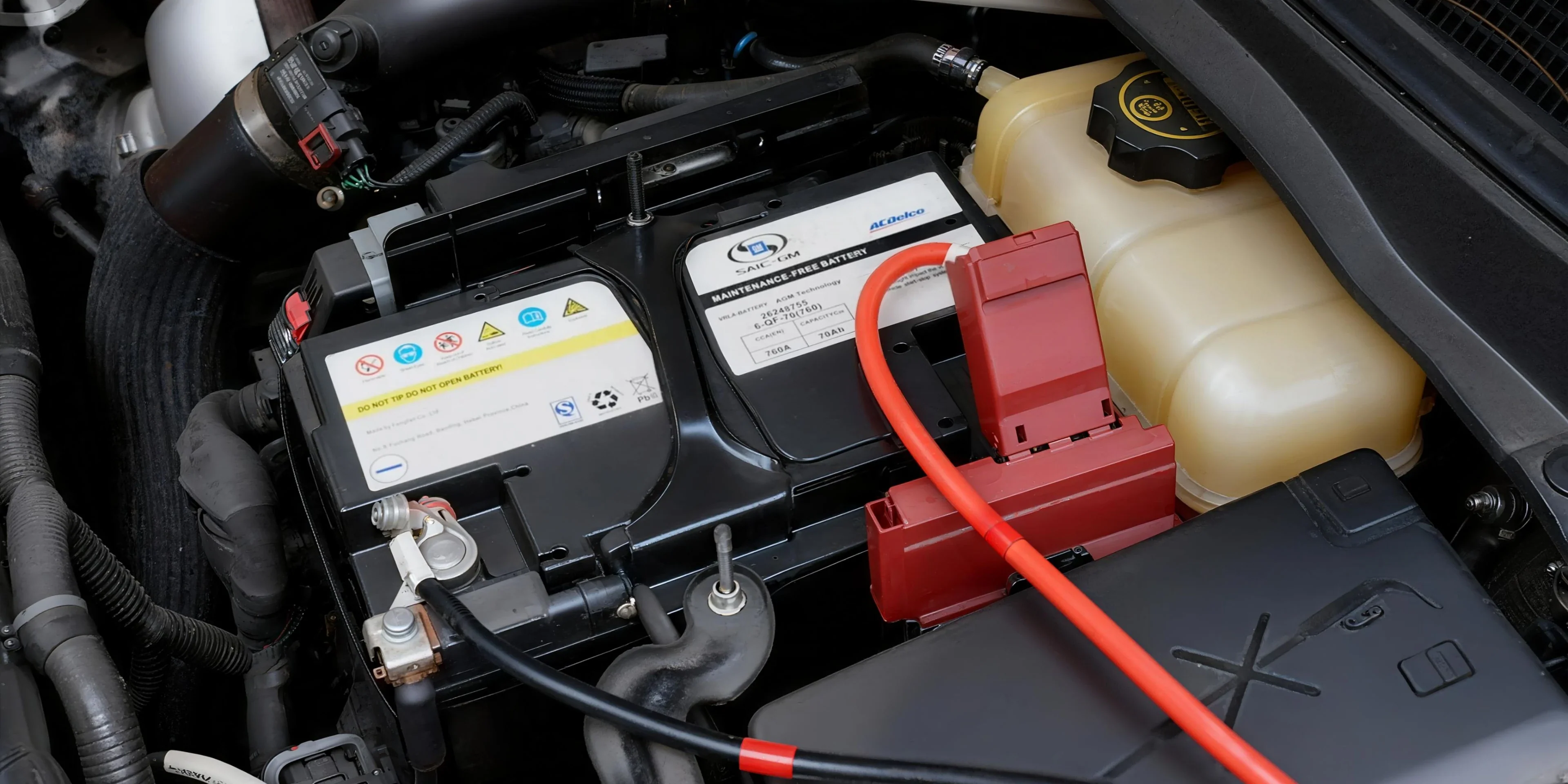
Check Whether Extra Parts Are Needed
This is one of the most important “before you commit” checks.
Depending on your vehicle and power station, you may need additional accessories, adapters, mounting hardware, cable extensions, or professional installation support.
| Possible Extra Need | Why It Could Matter |
|---|---|
| Adapter cable | Your power station may not use the exact connector you expect. |
| Mounting hardware | You may want a secure fixed installation. |
| Cable management | Loose cables in a vehicle get annoying quickly. |
| Fuse or protection components | Safe vehicle wiring should not be treated casually. |
| Professional installation | Worth considering if you are not confident with vehicle electrics. |
The Charger 2 may be the main product, but it may not be the entire project.
“The cheapest version of this purchase is not always the product price. It is the product price plus the parts needed to make it behave like the picture in your head.”
That is not a flaw. It is just the reality of vehicle power gear.
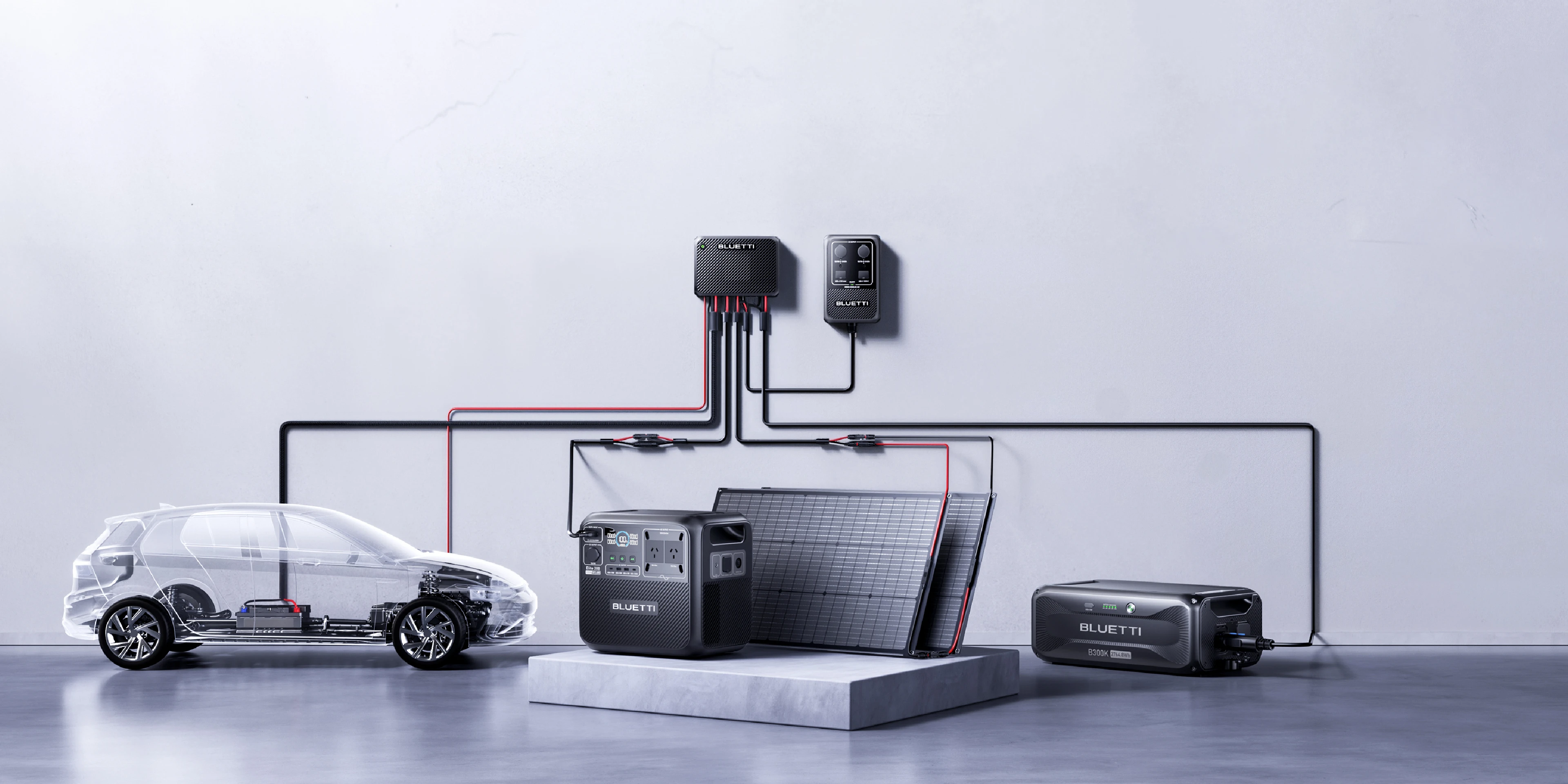
The Marketing May Make It Sound Easier Than It Feels
The appealing version of the story is simple: drive your vehicle, charge your power station, enjoy off-grid freedom.
The practical version includes more friction:
- Installation planning
- Compatibility checking
- Cable routing
- Heat and space management
- Understanding input limits
- Accepting that charging speed depends on driving time
- Possibly needing help from someone who knows vehicle electrical work
This does not make the Charger 2 a bad purchase. It makes it a purchase that rewards preparation.
The wrong buyer sees it as a quick accessory. The right buyer sees it as an infrastructure upgrade.
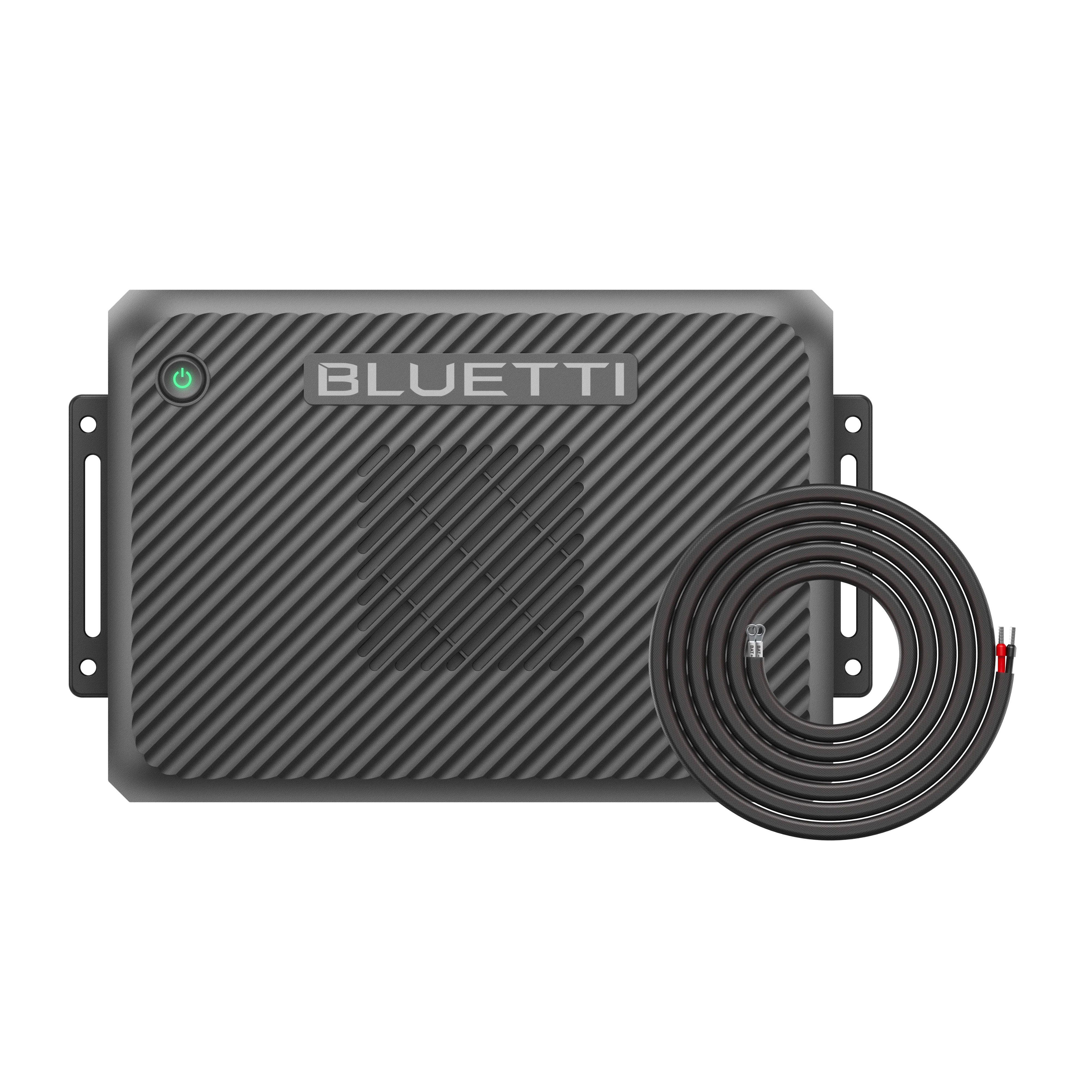
What Matters More Than the Headline Feature
The headline feature is charging power. That is what grabs attention.
But the better buying decision comes from looking at these factors first:
- Compatibility with your exact power station
- Suitability for your vehicle
- Installation difficulty
- Cable and space management
- How often you drive long enough to benefit
- Whether you need mobile charging more than solar or wall charging
In real use, the Charger 2 is only as good as the system around it.
A buyer who drives regularly, camps often, or works from a vehicle may get serious value from it. A buyer who only occasionally takes short drives may not feel the same payoff.
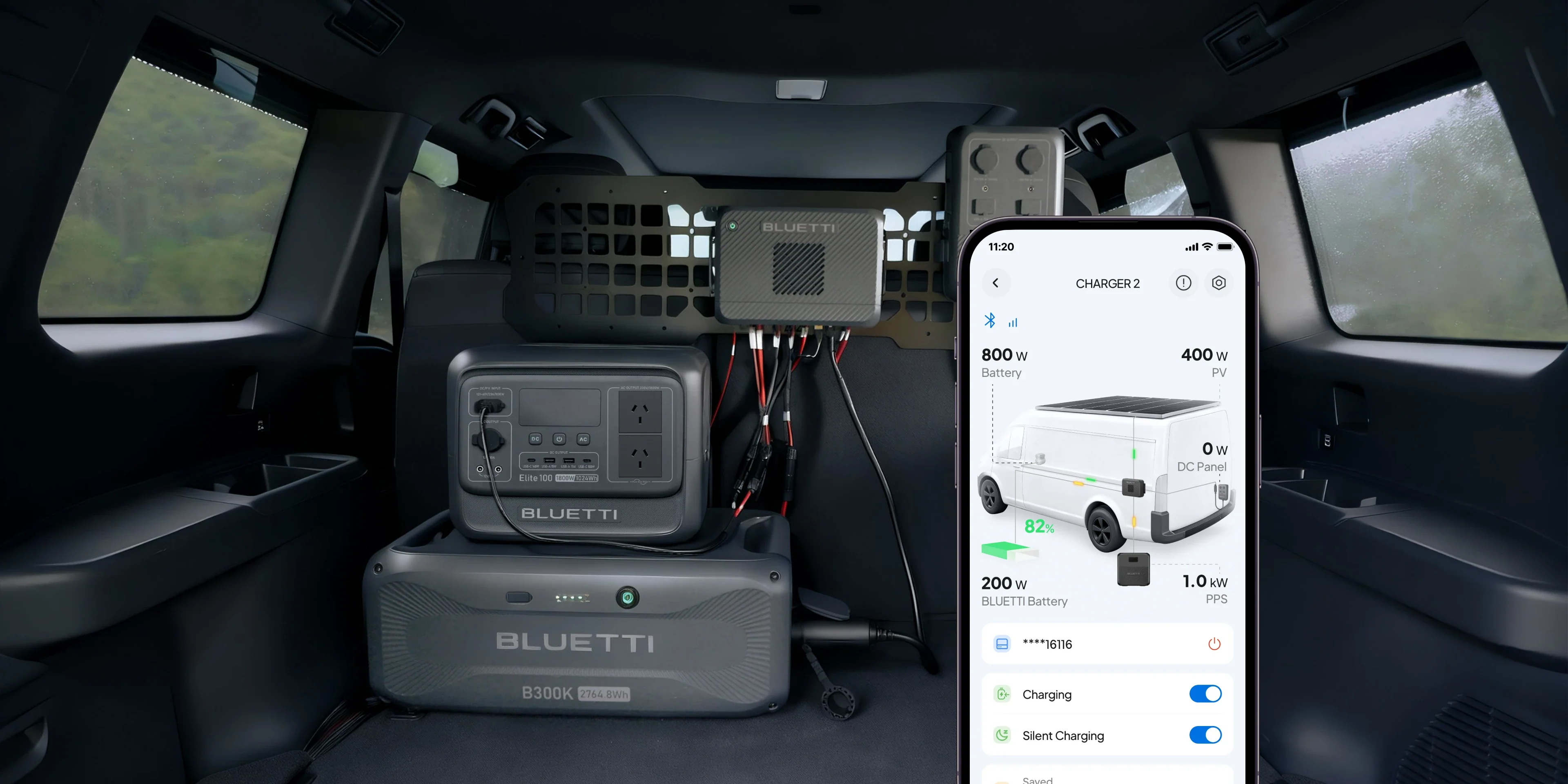
Who Should Pause Before Checking Out?
The Charger 2 is not equally sensible for everyone.
You Should Pause If…
| Buyer Type | Why You Should Reconsider |
|---|---|
| You only take short local drives | You may not charge enough to justify the setup. |
| You hate installation complexity | This may not feel simple enough. |
| Your power station already charges fast enough elsewhere | The upgrade may be less meaningful. |
| You are unsure about compatibility | Guessing here is how regret begins. |
| You want a fully portable, no-commitment accessory | This may feel too tied to the vehicle. |
This is not the kind of product we would recommend buying just because it looks useful. It should solve a clear problem you already have.

Who May Like It More Than Expected?
There is also a version of this purchase where expectations are pleasantly exceeded.
If you use a portable power station regularly and spend meaningful time driving, the Charger 2 can make your setup feel much more independent. Instead of planning every recharge around wall outlets or sunlight, your vehicle becomes part of your charging routine.
That can be a big deal.
“For the right person, the Charger 2 is not exciting because it charges. It is exciting because it turns driving time into recovery time for your power system.”
The buyers most likely to appreciate it are:
- Van life users
- Campers
- Road-trippers
- Mobile workers
- Overlanders
- People using portable fridges
- Photographers or drone users on location
- Anyone who already owns a serious power station and wants fewer charging gaps
For these users, the Charger 2 may feel less like an accessory and more like a missing piece.
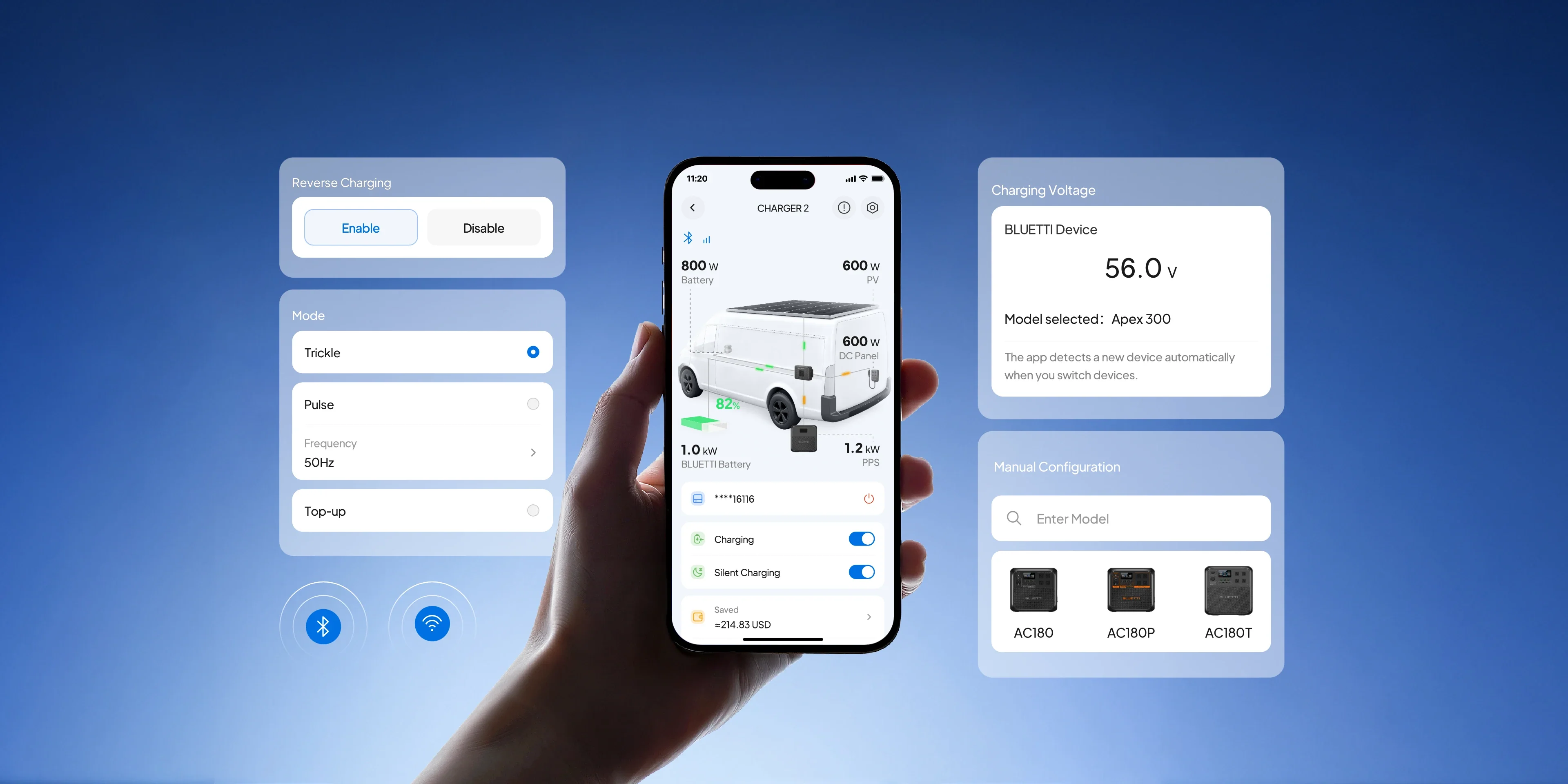
The Product Page Deserves a Second Look Here
Do not just look at the hero image and the wattage claim. Look closely at the details that actually determine whether it fits your life.
Recheck These Before Buying
| Product Page Detail | What to Confirm |
|---|---|
| Compatibility list | Your exact power station model is supported or safely usable. |
| Output specs | Your power station can accept the charger’s output. |
| Included cables | You know what is in the box and what is not. |
| Installation notes | You understand what the setup requires. |
| Vehicle requirements | Your vehicle power system is appropriate. |
| Warranty/support terms | You know what happens if compatibility or installation becomes an issue. |
This is one of those products where the fine print is not fine print. It is the buying guide.
The Warning Sign Behind the Attractive Selling Point
The attractive selling point is simple: faster, stronger charging while driving.
The warning sign is also simple: if your plan is vague, the product may disappoint you.
A vague plan sounds like:
- “I’ll just connect it somehow.”
- “It should work with my battery.”
- “I assume the cable is included.”
- “My car should be fine.”
- “I’ll figure out the install later.”
- “It says fast charging, so it will be fast enough.”
That is the danger zone.
The Charger 2 is best bought with a specific plan:
- This is my vehicle.
- This is my power station.
- This is where I will install it.
- This is how the cables will run.
- This is the charging speed I realistically need.
- This is how often I drive long enough to benefit.
Without that clarity, the product can go from clever upgrade to expensive “I’ll deal with it later” box.
The Question Buyers Should Answer About Themselves
Before committing, ask yourself one honest question:
“Do I need my vehicle to become a serious charging source, or do I just like the idea of that?”
That question cuts through a lot of marketing fog.
If you regularly use your power station away from outlets and your vehicle is part of your lifestyle, the Charger 2 may make excellent sense.
If you mostly use your power station at home, occasionally camp once or twice a year, or already rely comfortably on wall charging, solar, or spare battery capacity, it may be less urgent.
The product is not the problem. A mismatched use case is.
What Would Make It Feel Wrong Immediately After Unboxing?
The Charger 2 may feel like the wrong purchase quickly if you discover one of these after the box arrives:
- Your power station needs an adapter you do not have
- Your vehicle setup is more complicated than expected
- The cable length does not suit your layout
- You are uncomfortable installing it
- You do not have a clean place to mount or store it
- Your driving habits are too short to benefit much
- You expected a casual plug-and-play accessory
- You bought it for occasional use when a simpler charger would have been enough
That is the frustration this article is trying to prevent.
Our Before-You-Buy Verdict
The BLUETTI Charger 2 makes the most sense for buyers who already know they need stronger vehicle-based charging and are willing to treat the setup seriously. It is not a casual impulse accessory. It is a power-system component.
That distinction is everything.
| Buy It If | Think Twice If |
|---|---|
| You drive often and use a power station regularly | You only need occasional emergency charging |
| You want your vehicle to support off-grid power use | You expect a simple plug-and-play gadget |
| You have confirmed compatibility | You are guessing about your power station input |
| You are comfortable with installation or can get help | You do not want wiring, mounting, or setup planning |
| You need mobile charging more than another wall charger | Your current charging routine already works fine |
The Charger 2 can be a smart upgrade, but only when the rest of the system is ready for it.
“We would not tell every power-station owner to buy it. We would tell serious mobile-power users to study it carefully, verify the setup, and then decide.”
And that is the right way to approach this product: not with hype, not with fear, but with a clear look at how you actually live, drive, charge, and travel.
Explore the BLUETTI Charger 2 Gallery
Every image from this article, gathered in one clean place. Tap any photo to open it larger.