
The AOTOS L2 Smart Rideable Suitcase is the kind of product that makes ordinary luggage look painfully boring. It promises movement, convenience, and a little airport drama in the best possible way. A suitcase you can ride? Of course that sounds better than dragging one behind you like it still owes you money.
But this is exactly the type of product where the headline feature can distract from the real buying questions.
This is not just a suitcase. It is part luggage, part electric mobility gadget, part battery-powered travel accessory, and part public-space decision. That means the buying decision is more complicated than “Does it look cool?”
“The AOTOS L2 makes the most sense when you buy it with the right expectations. Buy it as a normal suitcase with a clever mobility bonus, not as a replacement for walking, airport carts, or common sense.”
The First Thing to Verify Before Ordering
Before you even think about checkout, verify the boring details. Yes, the boring details. They are the ones that decide whether this feels brilliant or immediately annoying.
| What to Check | Why It Matters Before You Buy |
|---|---|
| Airline battery rules | Smart luggage can trigger extra questions if the battery is not removable or clearly compliant. |
| Carry-on dimensions | A rideable suitcase may be bulkier than a standard carry-on. |
| Weight before packing | The motor, frame, wheels, and battery can reduce how much you comfortably pack. |
| Your airport habits | If you mostly travel through crowded airports, riding may be less useful than expected. |
| Surface conditions | Smooth terminals are friendly; rough sidewalks, curbs, carpets, and tight queues are not. |
| Charging routine | A smart suitcase is only smart when it is charged. Revolutionary stuff, we know. |
The biggest mistake is assuming that because it is a suitcase, it behaves like every other suitcase you have owned. It does not. It asks more from you before travel day.
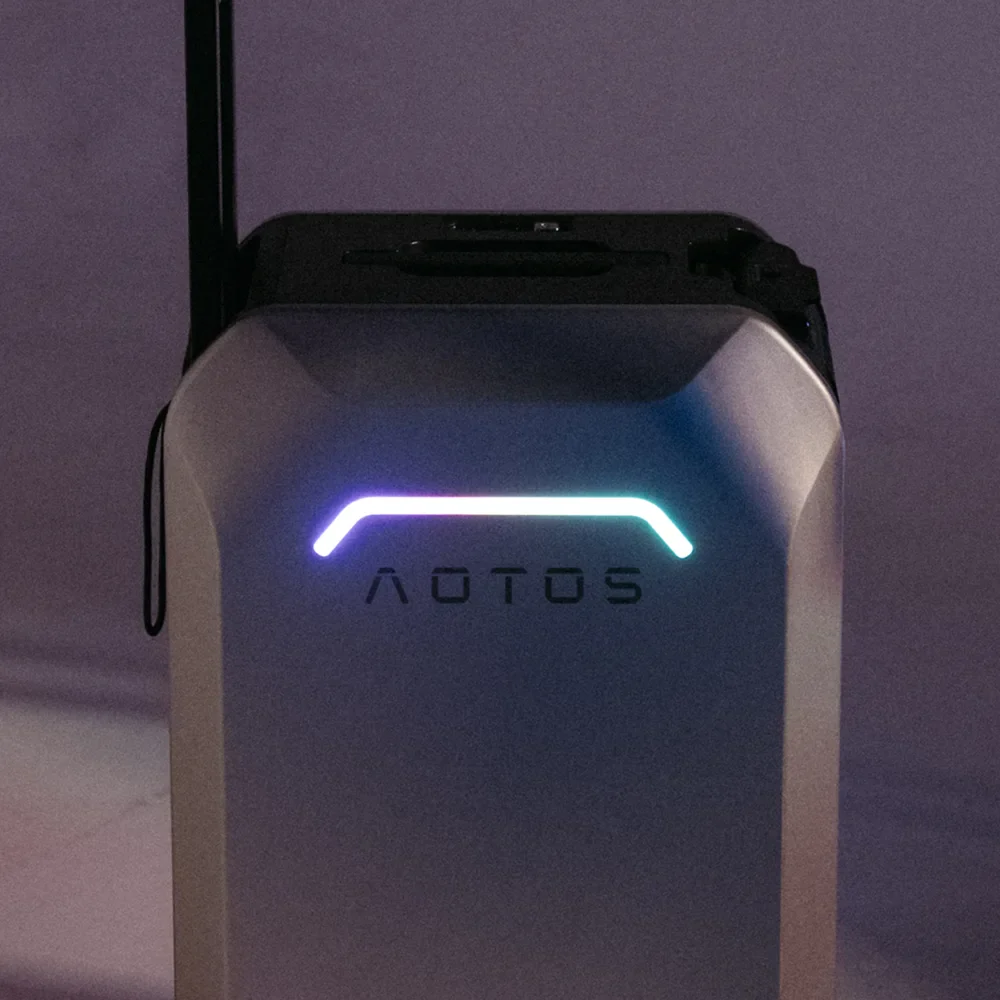
The Assumption That Could Lead to the Wrong Purchase
The dangerous assumption is simple:
“I’ll ride it everywhere.”
That is probably not how most people will use it.
The AOTOS L2 is more realistically useful in specific moments: long terminal walks, wide airport corridors, convention halls, hotel lobbies, or large stations where the space is open enough and the pace is relaxed enough. It is not ideal for every travel environment.
“The riding feature is not the whole product. It is the bonus feature. The suitcase still has to work as luggage first.”
If you buy it expecting a miniature airport scooter that also holds your clothes, you may be disappointed. If you buy it expecting a conversation-starting smart suitcase that can make certain travel moments easier, the expectation becomes much healthier.
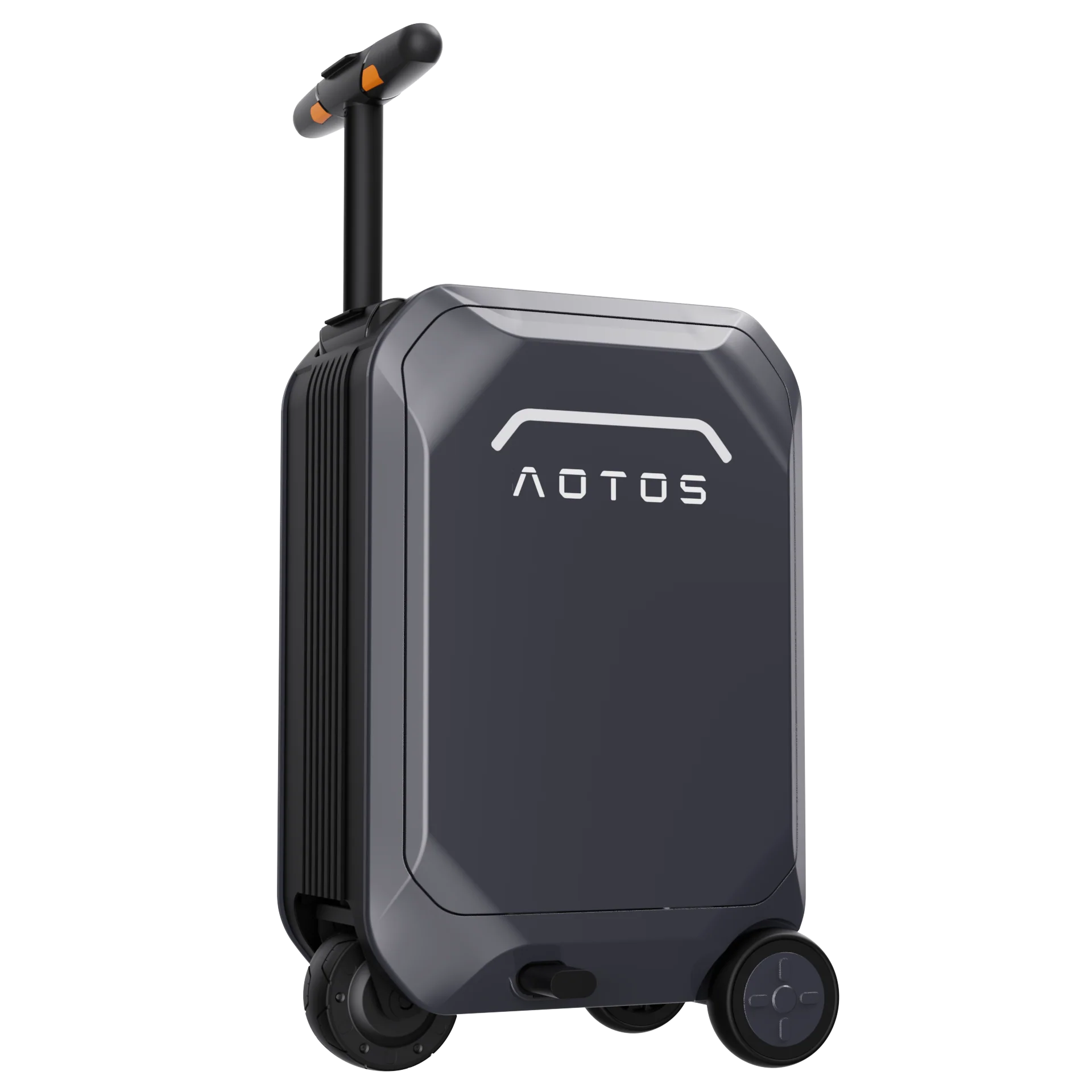
What the Marketing Can Make Sound Easier Than It Is
The marketing around rideable luggage often makes it feel effortless: sit, glide, arrive. Reality adds a few small inconveniences.
You still have to think about:
- Where you are allowed to ride it
- Whether the floor is smooth enough
- Whether the area is too crowded
- Whether the battery is charged
- Whether your packed weight affects handling
- Whether people around you are moving unpredictably
- Whether airport staff actually love the idea of adults quietly zooming through the terminal
That last one is not always guaranteed. Shocking, I know.
This does not make the product bad. It just means the AOTOS L2 belongs to a category where lifestyle fantasy and real travel behavior need to meet somewhere in the middle.
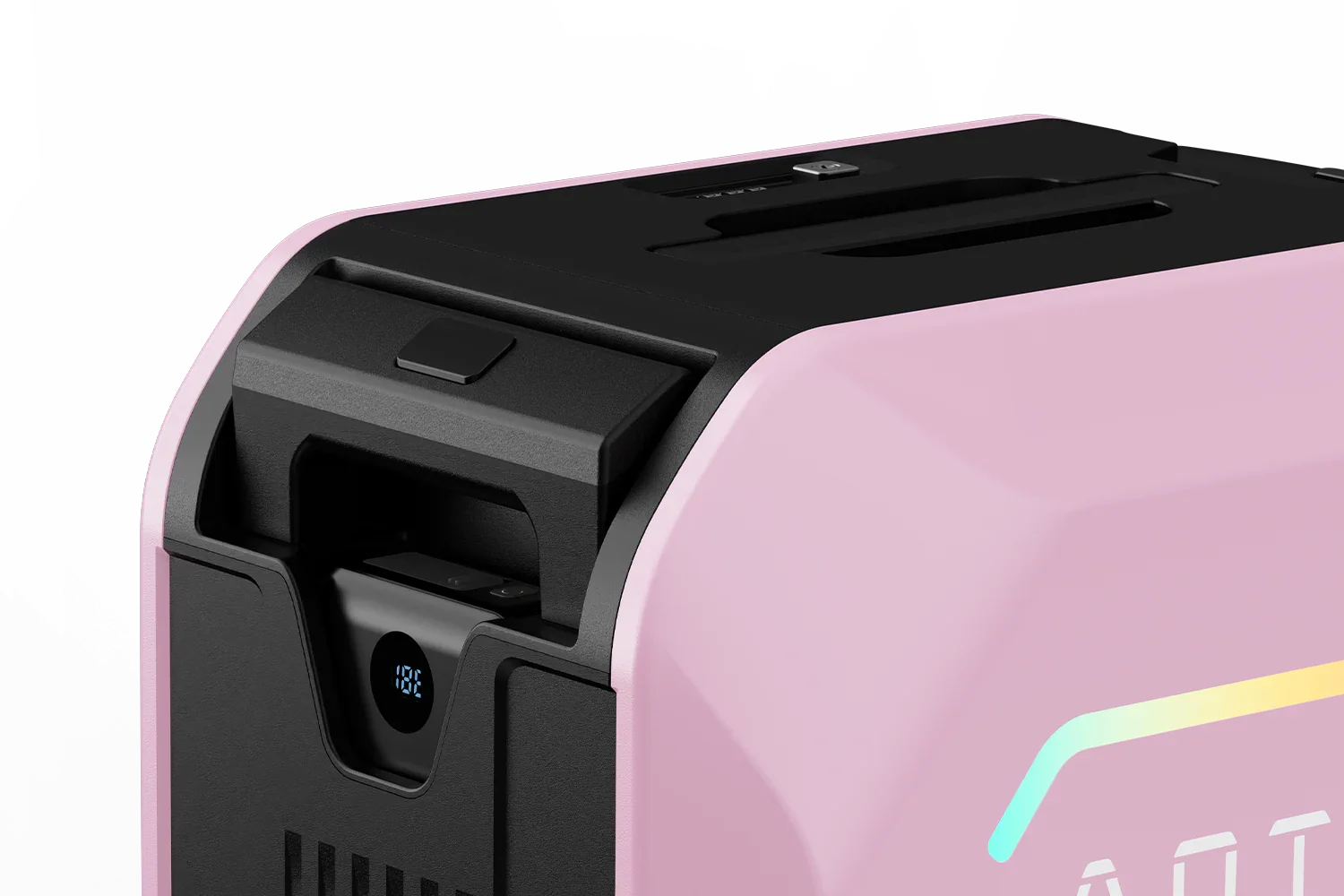
The Setup Condition That Determines Whether It Works as Intended
The AOTOS L2 depends heavily on one simple condition:
You need smooth, open, controlled spaces.
That is where rideable luggage makes sense. Airports with long corridors? Good. Large indoor venues? Good. Smooth hotel floors? Usually good. Busy boarding lines, uneven sidewalks, escalator areas, security checkpoints, and chaotic arrivals zones? Not so much.
| Travel Situation | How the AOTOS L2 Likely Feels |
|---|---|
| Long, quiet airport corridor | Useful and genuinely fun |
| Crowded terminal | More awkward than helpful |
| Smooth hotel lobby | Easy and natural |
| Rough outdoor pavement | Less comfortable |
| Security line | Just a suitcase again |
| Short weekend trip | More practical than for overpacked travel |
| Family travel with kids | Fun, but requires extra attention |
The product works best when your environment allows the rideable feature to breathe. When the space is tight, the suitcase becomes less “smart mobility” and more “please don’t hit anyone’s ankle.”
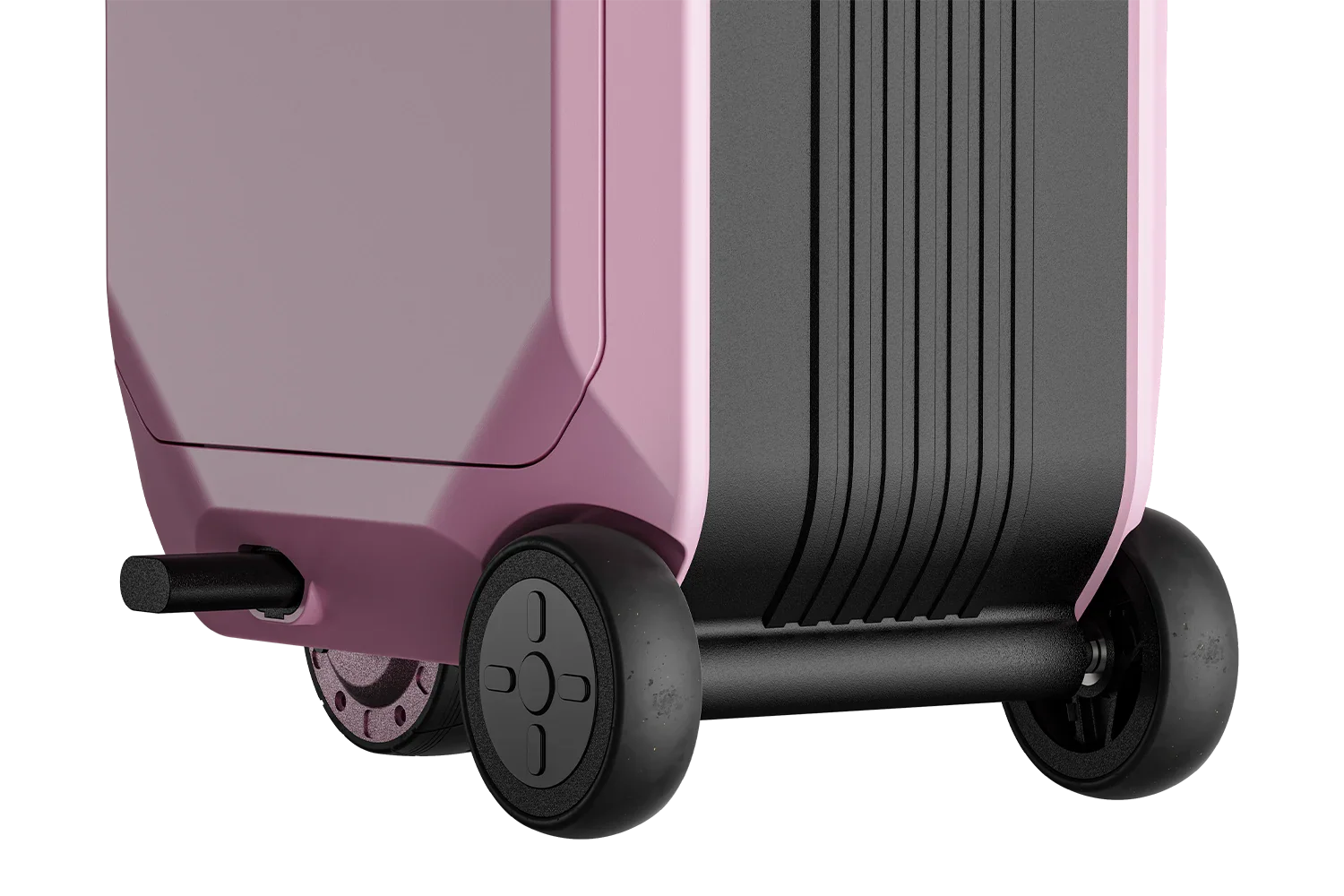
The Physical Requirement Buyers May Miss
The buyer also has to fit the product, not just the product fitting the buyer.
Rideable luggage has a practical body requirement: you need to be comfortable sitting on it, balancing on it, steering it, and getting on and off without making every airport camera your enemy.
This matters especially if:
- You are very tall and need a more natural seated position.
- You travel with heavy bags and expect the suitcase to carry both you and dense packing.
- You are uncomfortable with attention in public.
- You have mobility limitations that require something more stable than a novelty rideable suitcase.
- You often travel with backpacks, coats, duty-free bags, or extra carry-ons that affect balance.
“The AOTOS L2 is not just luggage you own. It is luggage you physically interact with. That changes the buying decision.”
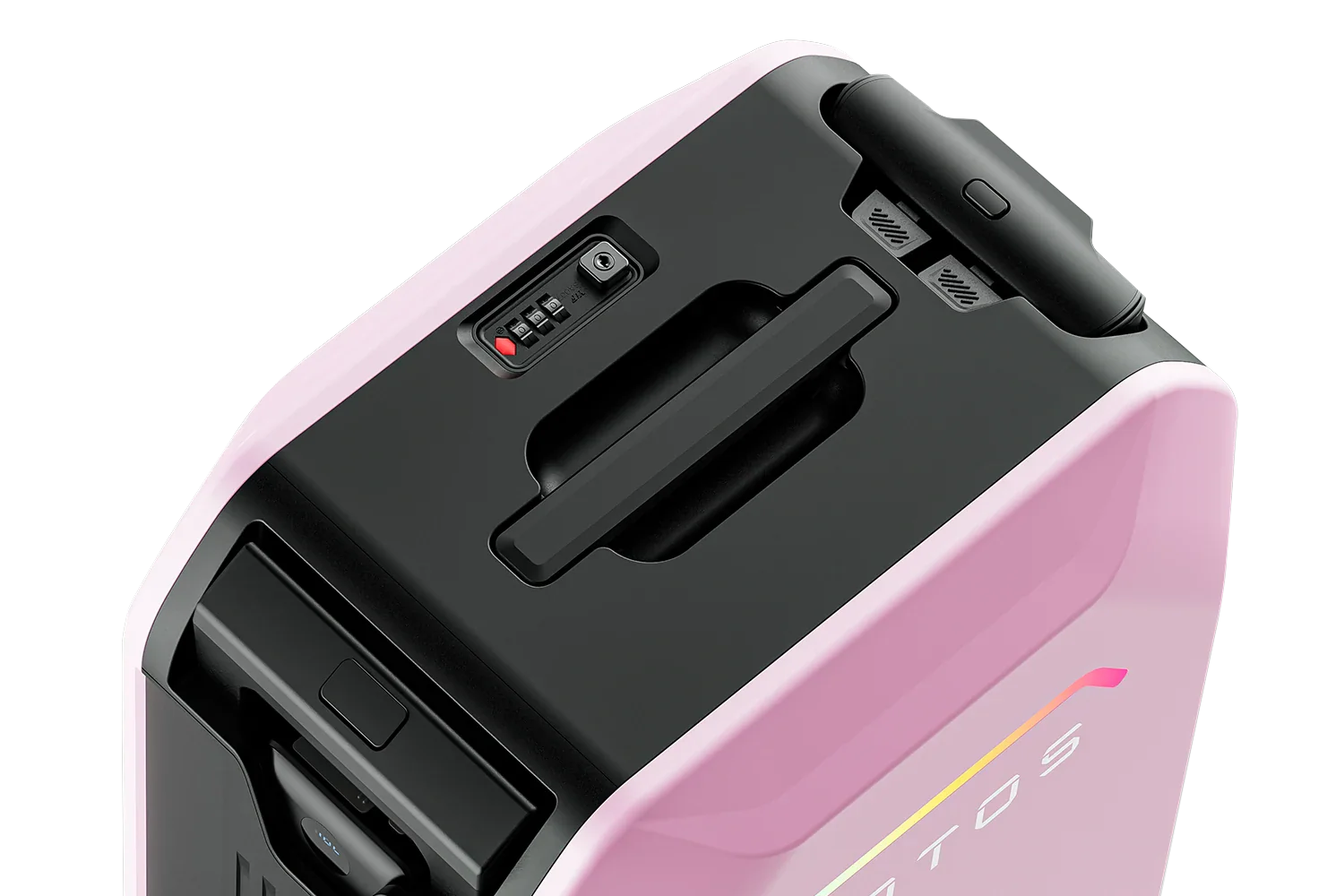
The Overlooked Detail That Affects Satisfaction From Day One
The first-day satisfaction will likely come down to storage compromise.
A traditional carry-on is mostly about internal space. A smart rideable suitcase has to give some of its body to the frame, battery, motor system, wheels, and structure. That means the interior may not feel as generous as a plain carry-on of similar outer size.
This is the classic smart-product tradeoff: the feature that makes it exciting is also the feature that may reduce its simplicity.
So before you buy it, ask yourself whether you are okay with potentially carrying less in exchange for moving differently.
| If You Care Most About… | You Should Think Twice About… |
|---|---|
| Maximum packing volume | A rideable suitcase may sacrifice interior space |
| Ultra-light travel | Smart components add weight |
| Zero maintenance | Battery products need charging and care |
| Quiet, invisible travel | This product attracts attention |
| Fast security flow | Battery luggage may require extra awareness |
| Long-term durability | More moving parts means more things to protect |
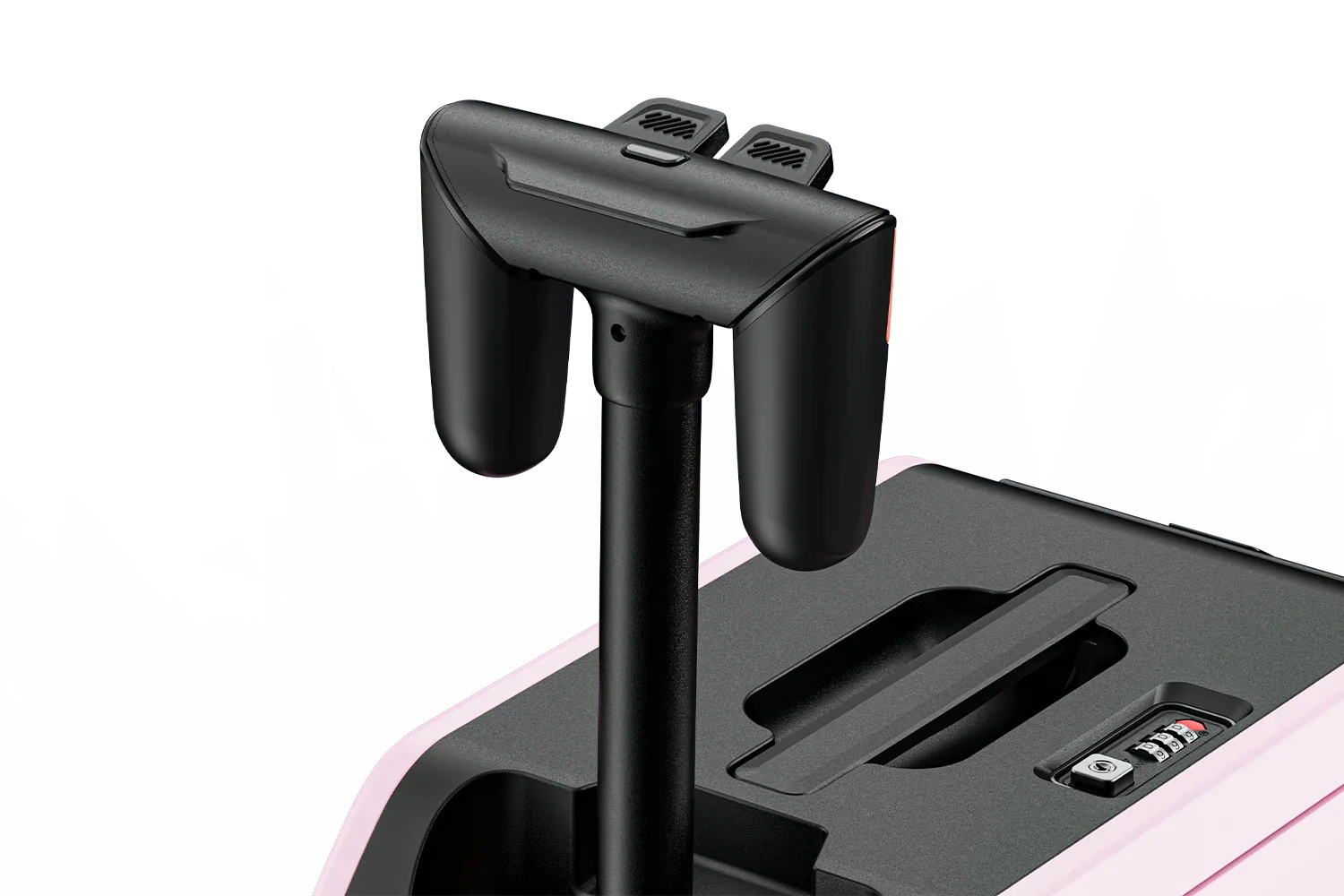
Are Extra Parts, Accessories, or Adjustments Needed?
You may not need extra accessories to use it, but you may want to prepare for the realities of owning smart luggage.
Useful things to think about:
- A charging habit before every trip
- A safe storage place at home
- A way to protect the exterior from scratches
- Understanding how the battery is accessed or removed
- Knowing what to do if the ride feature stops working mid-trip
- Leaving margin in your packing weight
- Checking whether your airline treats it comfortably as carry-on luggage
This is where smart luggage differs from normal luggage. A regular suitcase can sit forgotten in a closet and still work months later. A smart suitcase wants a little more attention. Nothing dramatic, just enough to punish the buyer who refuses to read anything before traveling.
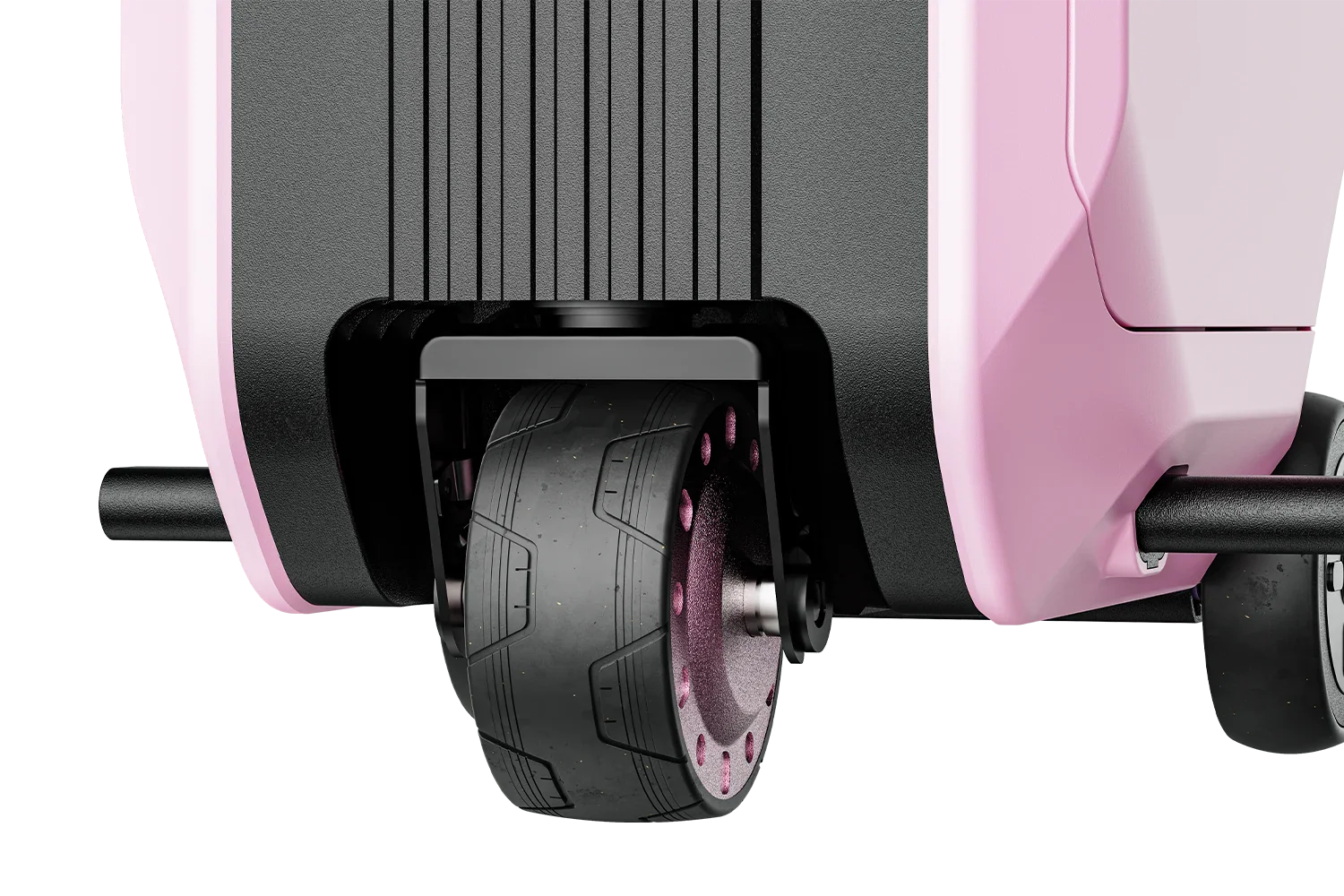
The Expectation That Should Be Lowered Before Purchase
Lower this expectation:
“It will make every trip easier.”
It will not. Some trips will barely benefit from the rideable feature. If your airport walks are short, your travel style is minimalist, or you usually move through crowded areas, the AOTOS L2 may spend most of its life acting like a stylish regular suitcase.
Also, do not expect it to replace thoughtful packing, comfortable shoes, or basic travel planning. It is a convenience upgrade, not a magic portal from gate A to gate Z.
“The AOTOS L2 does not remove travel friction. It changes where some of that friction appears.”
Instead of dragging your suitcase, you may think about battery, surfaces, space, rules, weight, and public comfort. For the right buyer, that tradeoff is acceptable. For the wrong buyer, it becomes annoying fast.
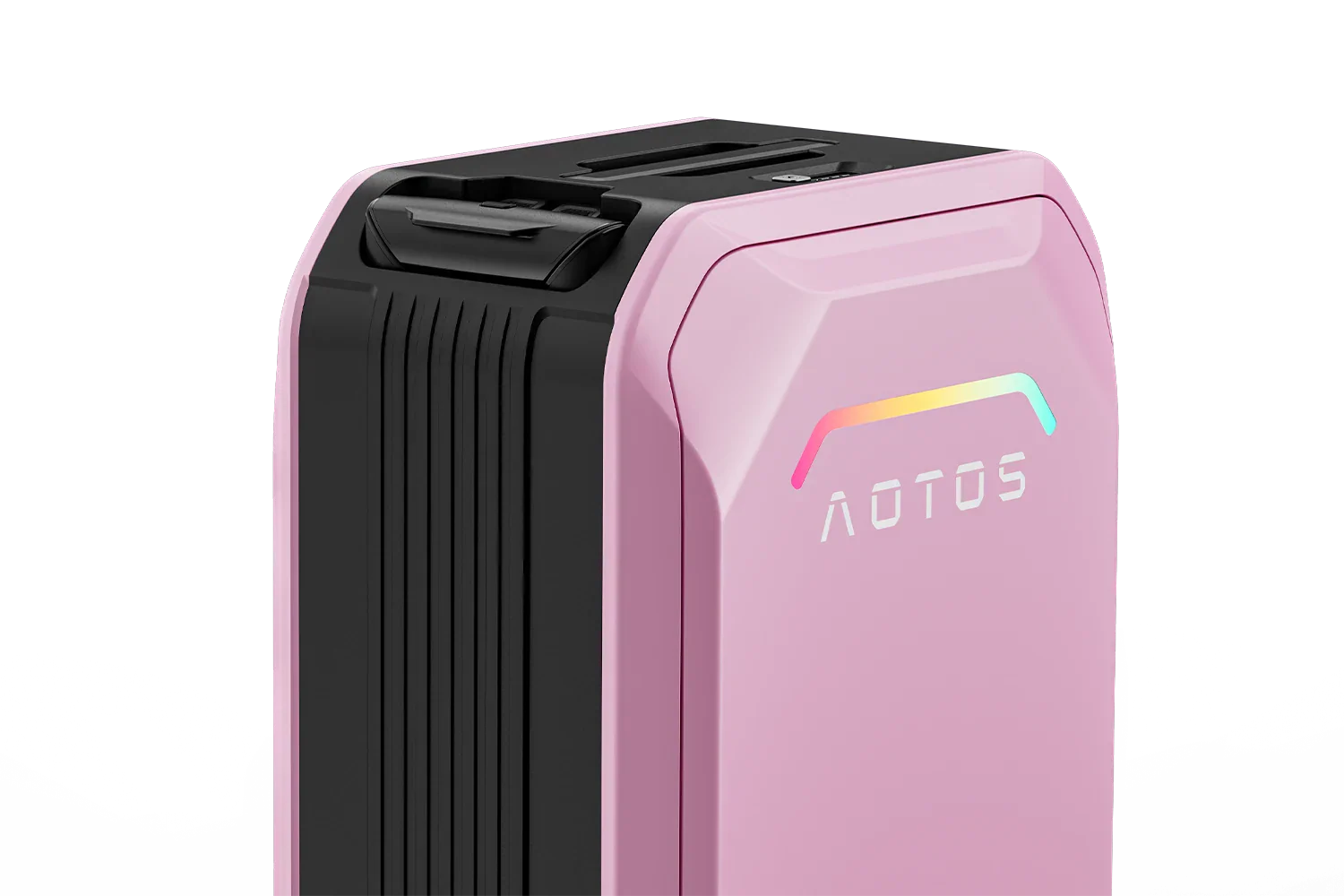
The Expectation That May Be Pleasantly Exceeded
Now for the positive side: the AOTOS L2 may feel more useful than expected during long, boring walking stretches.
That is where this product can surprise you. Not because it transforms travel into a luxury experience, but because it turns one of the most irritating parts of travel — endless terminal walking — into something easier, faster, and frankly more amusing.
There is also the emotional factor. Some products are useful because they solve a practical problem. Others are useful because they make a routine feel less miserable. The AOTOS L2 sits somewhere between those two.
It may also be especially appealing for:
- Travelers who regularly use large airports
- Tech-forward buyers who enjoy unusual gear
- Commuters moving through big stations or terminals
- People attending expos, conferences, and large indoor events
- Buyers who like luggage that stands out immediately
What Matters More Than the Headline Feature
The headline feature is riding. But the buying decision should be based on something less glamorous:
Will it still be a good suitcase when you are not riding it?
That question matters more than the motor.
A smart rideable suitcase still needs to handle the basics:
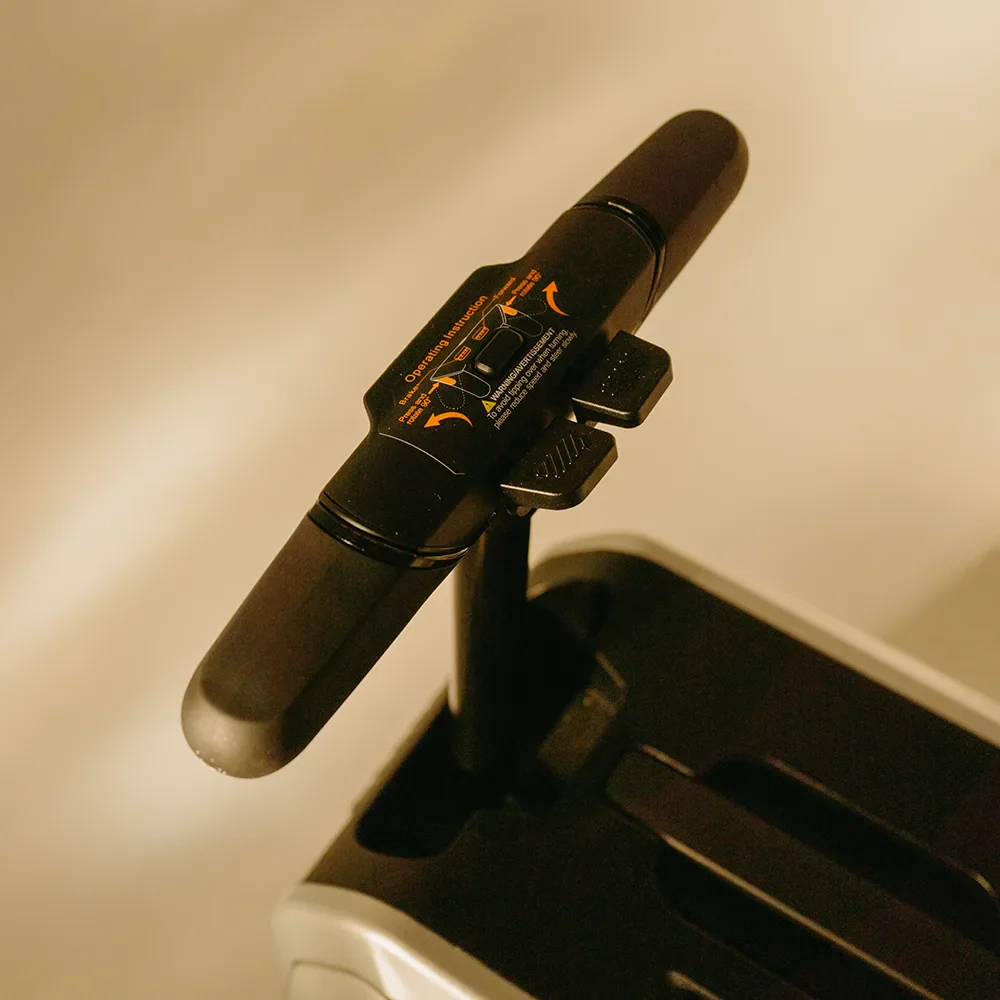
- Easy rolling when used normally
- Reliable handle and steering feel
- Practical interior layout
- Stable standing position
- Durable shell and zippers
- Comfortable weight when lifted
- Sensible battery handling
- Smooth transition between riding and pulling
If those basics are not enough for your travel style, the riding feature will not rescue the purchase.
“A smart suitcase is only impressive after it proves it can still do suitcase things well.”
Who Should Pause Before Checking Out?
The AOTOS L2 is not for everyone, and that is fine. Not every product needs to be universal. Some buyers should pause before buying it.
You should reconsider if:
- You want the lightest possible carry-on.
- You travel mostly with budget airlines and strict baggage rules.
- You dislike charging devices before trips.
- You often pack your suitcase to the absolute limit.
- You move through crowded airports where riding would be impractical.
- You prefer invisible, low-attention travel gear.
- You want luggage with as few failure points as possible.
- You expect the riding feature to work naturally in every public space.
You are more likely to appreciate it if:
- You enjoy smart travel gadgets.
- You regularly face long terminal walks.
- You travel light enough to accept storage tradeoffs.
- You like products that combine function with novelty.
- You are comfortable using unusual gear in public.
- You understand that the ride feature is situational, not constant.
What Deserves a Second Look on the Product Page
Before buying, slow down and inspect the product page carefully. Do not just look at the glossy riding photos.
Pay extra attention to:
| Product Page Detail | Why It Deserves a Second Look |
|---|---|
| Battery information | You need to know how it is charged, accessed, and handled for travel. |
| Dimensions | Confirm it fits your airline and personal carry-on expectations. |
| Weight | Smart luggage can feel heavier than normal luggage before packing. |
| Load capacity | Make sure the riding feature suits your body and packing style. |
| Wheel design | Wheels decide whether it feels smooth or clumsy. |
| Interior photos | Check if storage layout matches how you pack. |
| Warranty or support | Smart luggage has more components than regular luggage. |
| Return policy | If the fit or feel is wrong, you want options. |
The product page may tell you everything you need to know, but only if you read it like a buyer rather than a person hypnotized by the phrase “rideable suitcase.”
The Warning Sign Hidden Behind Attractive Selling Points
The attractive selling point is obvious: it is fun, futuristic, and more interesting than normal luggage.
The warning sign is also obvious, but easier to ignore:
More features mean more dependency.
A normal suitcase depends on wheels and a handle. The AOTOS L2 adds battery management, motor behavior, charging, rider comfort, balance, and travel-policy awareness. This gives it more personality, but also more ways to become inconvenient.
That is the tradeoff.
If you enjoy that kind of product, great. If you want luggage that disappears into the background and never asks anything from you, this may not be the cleanest choice.
The Question Buyers Should Answer Before Committing
Here is the question that matters:
Do you want a better suitcase, or do you want a more interesting travel experience?
Those are not always the same thing.
If your answer is “I want the most practical suitcase possible,” a conventional premium carry-on may be the smarter buy. It will probably be lighter, simpler, and more storage-focused.
If your answer is “I want travel gear that makes long walks easier and adds some fun to the process,” then the AOTOS L2 becomes much easier to justify.
“The right buyer will forgive the extra complexity because the experience feels worth it. The wrong buyer will notice the complexity before they enjoy the feature.”
What Could Make It Feel Like the Wrong Purchase Immediately After Unboxing?
The AOTOS L2 could feel wrong immediately if one of these things happens:
- It feels heavier than you expected.
- The interior looks smaller than your usual carry-on.
- The riding position feels awkward.
- You realize you do not actually travel through places where riding makes sense.
- The battery rules make you nervous before flights.
- You dislike the attention it attracts.
- The product feels more like a gadget than dependable luggage.
- You expected effortless travel and instead got another device to manage.
That does not mean the product fails. It means the buyer-product match was wrong.
The Better Way to Think About the AOTOS L2
Think of the AOTOS L2 as smart luggage for a specific kind of traveler, not as the obvious future of all luggage.
It is best for someone who wants travel gear with personality, accepts some practical compromises, and understands that the riding feature is situational. It is not ideal for someone who values maximum packing space, minimum weight, and zero maintenance above everything else.
Before You Commit: Final Buying Checklist
Before ordering, answer these honestly:
- Do I travel through large enough spaces to use the ride feature?
- Am I comfortable riding luggage in public?
- Have I checked battery and airline rules carefully?
- Can I accept less simplicity than a normal suitcase?
- Is the storage space enough for how I pack?
- Will I remember to charge it before trips?
- Would I still like it if I only rode it occasionally?
If the answer to that last question is no, pause.
Because the AOTOS L2 should not be purchased only for the fantasy version of travel. It should be purchased because the real version of your travel life gives it enough room to make sense.
Bottom Line: Buy the AOTOS L2 for the Right Reason
The AOTOS L2 Smart Rideable Suitcase is not a boring carry-on with a gimmick slapped onto it. It is a more ambitious travel product that can feel clever, useful, and genuinely enjoyable in the right situations.
But it is also not the suitcase for buyers who want pure simplicity. The rideable feature brings convenience, but it also brings conditions. Smooth floors. Open spaces. Battery awareness. Airline checks. Weight tradeoffs. Public comfort.
Buy it because you understand those tradeoffs and still want the experience.
Do not buy it because the idea looks fun for ten seconds on a product page.
“The AOTOS L2 is most rewarding when you treat it as a smart travel companion, not a miracle machine. It can make the right trips better — but only if your real travel habits match what it was built to do.”
Explore the AOTOS L2 Smart Rideable Suitcase Gallery
Every image from this article, gathered in one clean place. Tap any photo to open it larger.