
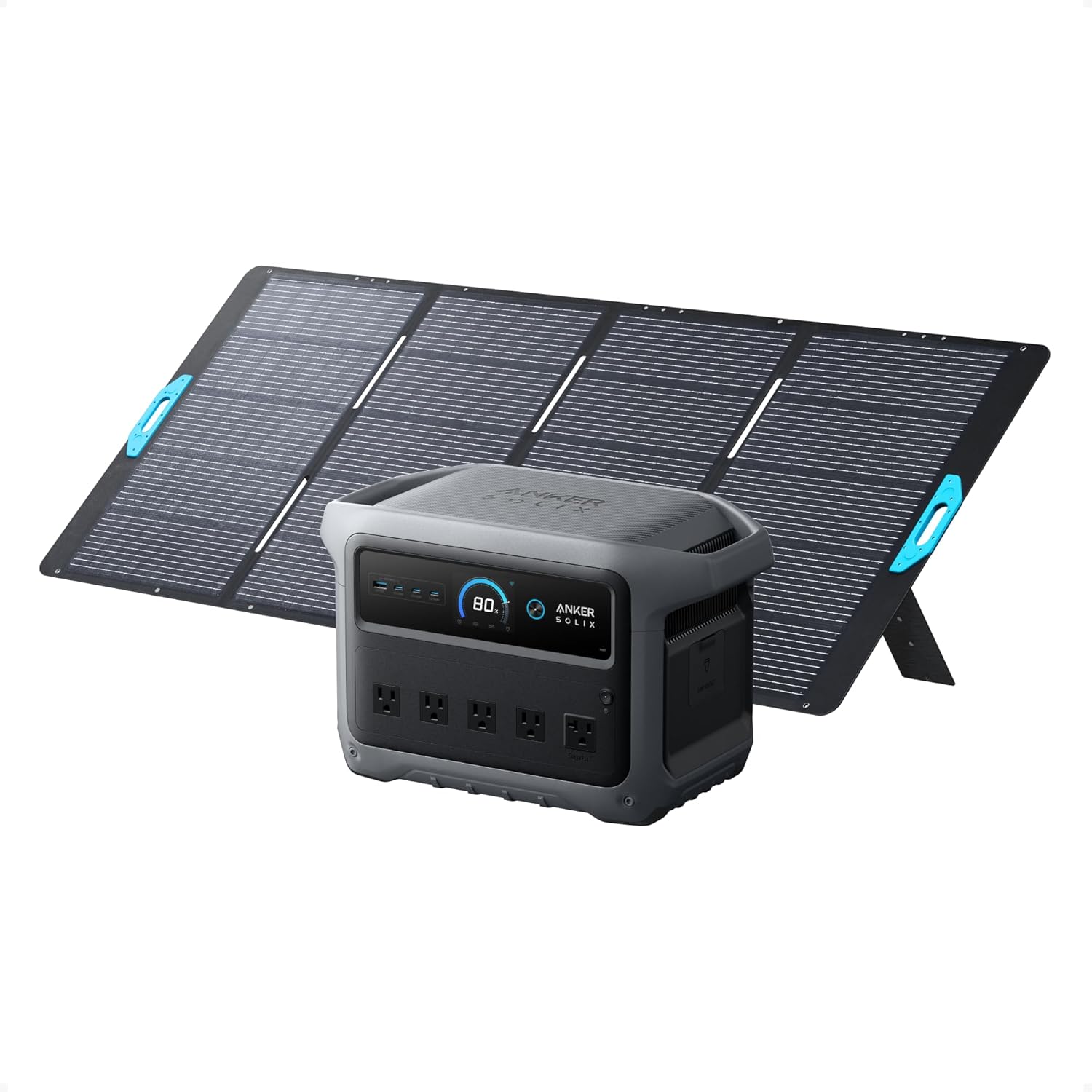
The Anker SOLIX C1000 Gen 2 is not really fighting the entire portable power station market. The more realistic cross-shop is the EcoFlow DELTA 2. That is the decision many buyers are actually making once they narrow the field to a serious, modern, roughly 1kWh unit that feels big enough for meaningful use but still small enough to move without turning the purchase into a miniature home-energy project.
That matters, because the real decision here is not about who can stack the prettier feature list. It is about what kind of ownership experience makes more sense once the early excitement fades.
The Anker feels like the stronger standalone object. The EcoFlow feels like the smarter expandable plan.
And those are not the same thing.
The Obvious Alternative Buyers Are Actually Considering
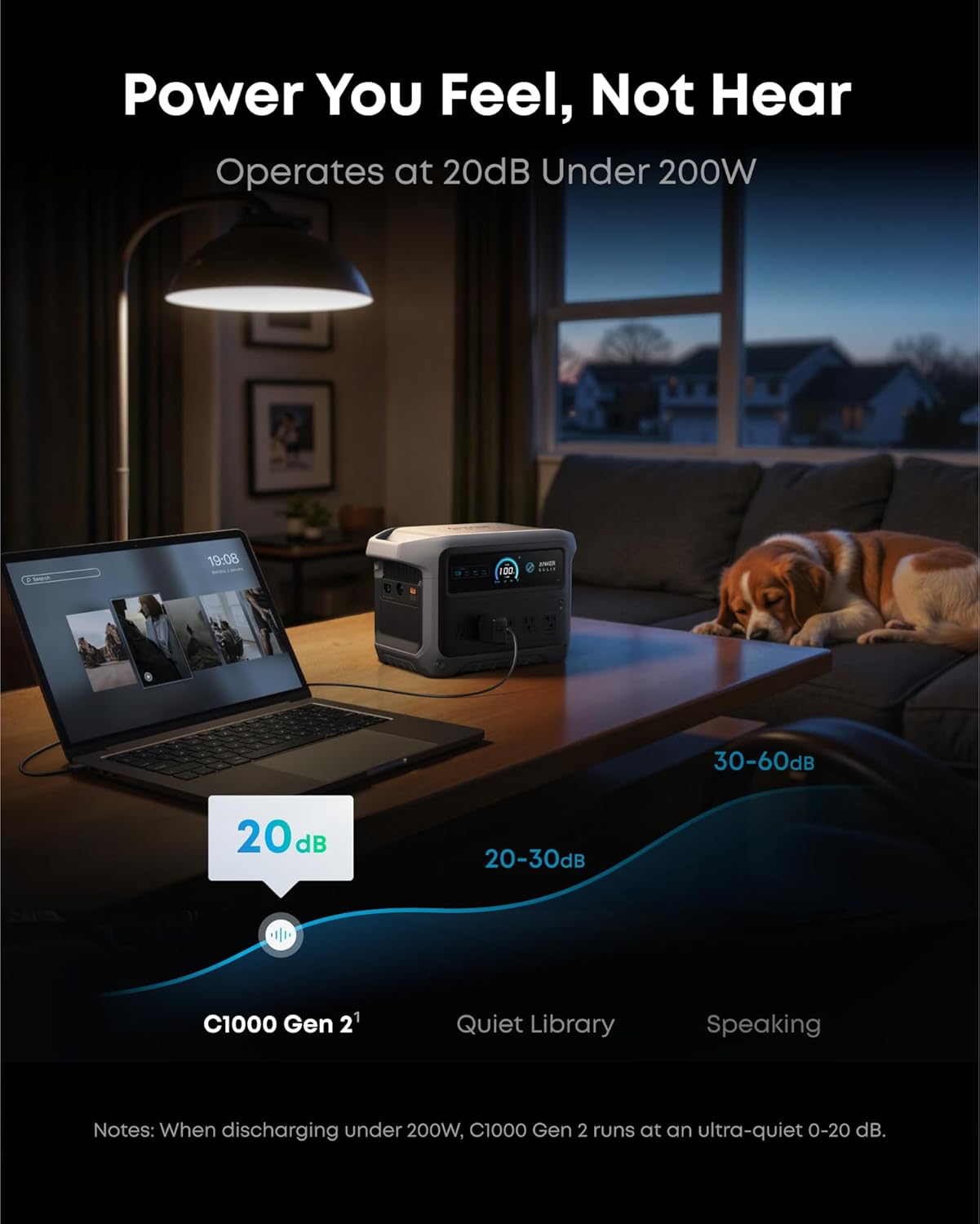
When someone lands on the Anker SOLIX C1000 Gen 2, they are usually not comparing it to a tiny weekend power bank or a giant emergency backup tower. They are comparing it to something like the EcoFlow DELTA 2 because both live in the same serious-buyer zone:
- enough battery to matter
- enough output to feel capable
- fast charging
- modern app-era positioning
- pricing high enough that the decision deserves judgment
That is why these two end up in the same decision. They are aimed at the buyer who wants one credible portable power station and wants to choose well the first time.
The Biggest Difference Is Philosophical, Not Technical
The most important difference between these two choices is not a single spec. It is the product philosophy.
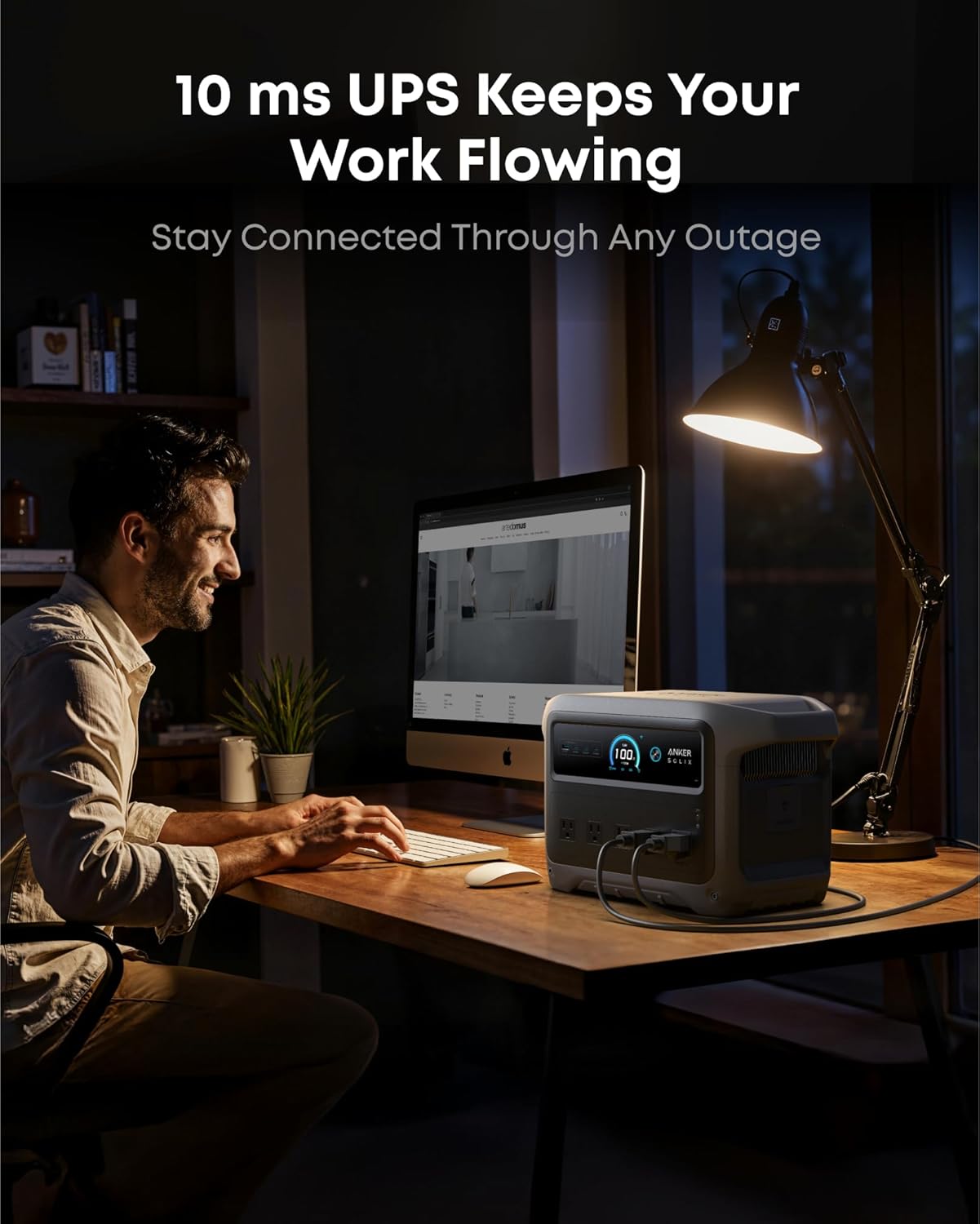
The Anker SOLIX C1000 Gen 2 feels built around the idea of a finished tool. It wants to be the unit you buy, carry, use, recharge, store, and trust without needing to think much further.
The EcoFlow DELTA 2 feels built around the idea of an expandable system. It makes more sense for the buyer whose first purchase is not necessarily the final shape of the setup.
That philosophical split changes everything.
| Question | Anker SOLIX C1000 Gen 2 | EcoFlow DELTA 2 |
|---|---|---|
| What does it feel like? | A refined all-in-one unit | A strong core for a broader setup |
| Best mindset | “I want one excellent box” | “I may want this to grow” |
| Ownership style | Simpler, more contained | More strategic, more expandable |
| Emotional pitch | Immediate usability | Long-term flexibility |
Which One Feels Smarter for Budget-Focused Buyers?
This depends on what kind of budget buyer we are talking about.
If the budget buyer means:
“I want the most satisfying one-box purchase without being pushed into future spending.”
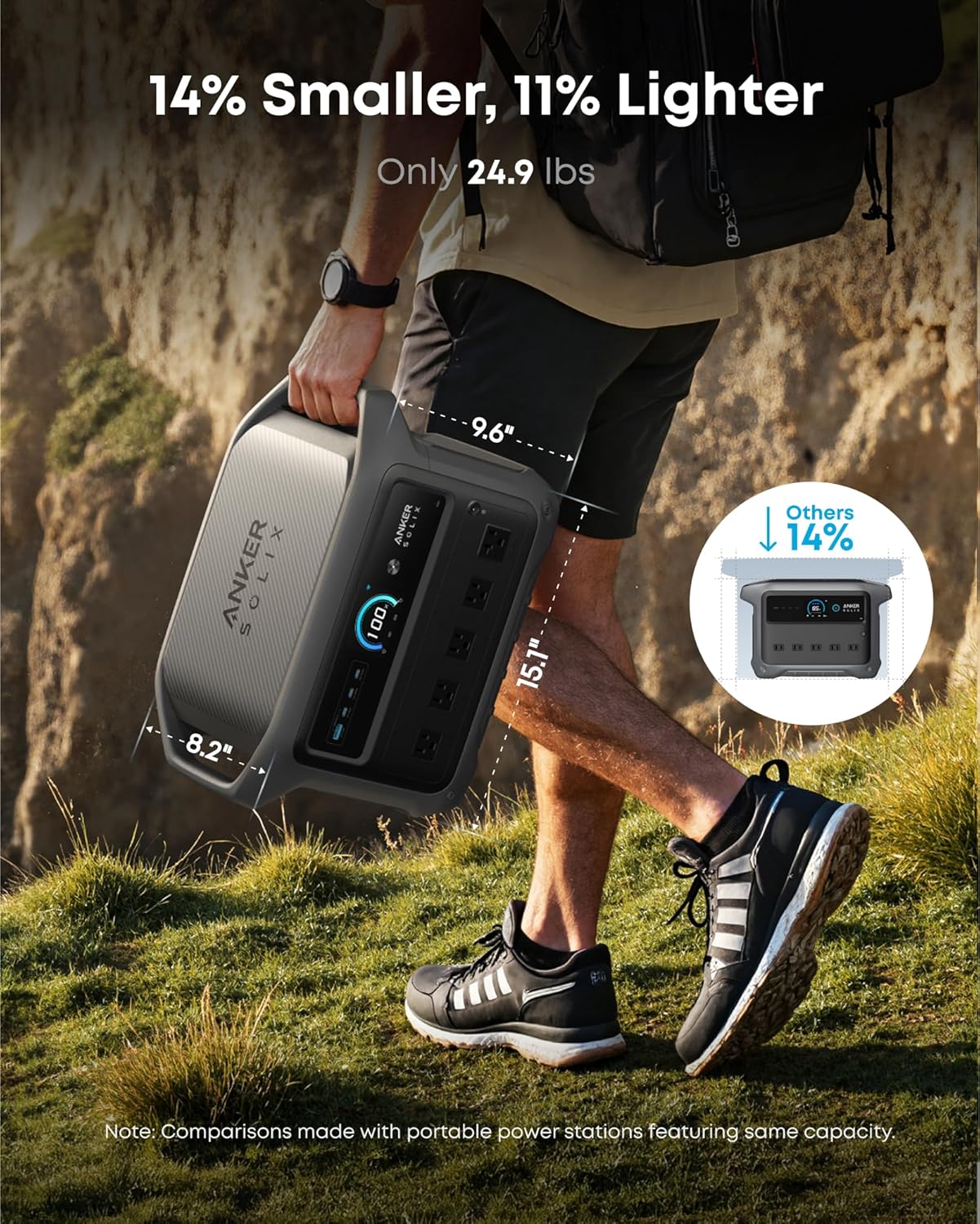
Then the Anker SOLIX C1000 Gen 2 feels smarter. It gives the impression of a more resolved purchase. You are less likely to feel that the product is inviting a second decision right after the first one.
If the budget buyer means:
“I care about avoiding regret, rebuying, and outgrowing the product too soon.”
Then the EcoFlow DELTA 2 starts looking smarter. A product that can grow may protect the buyer from making a second expensive move later.
So the budget answer is not universal. It changes based on whether the buyer is optimizing for today’s spending or tomorrow’s replacement risk.
Which One Feels Smarter for Quality-Focused Buyers?
Quality-focused buyers also split into two camps.
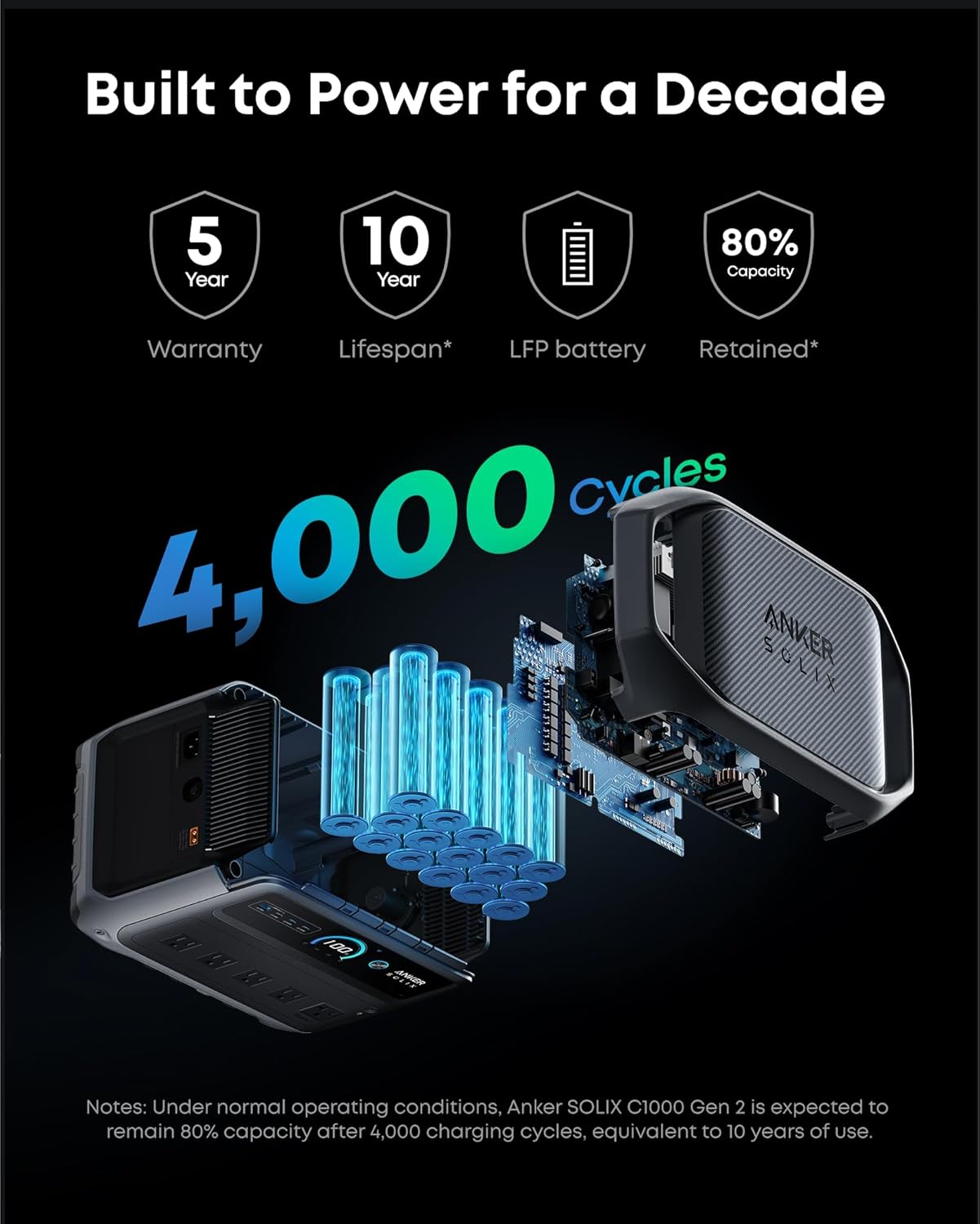
The first group defines quality as refinement of the object itself. They care about whether the product feels resolved, polished, compact, and satisfying in regular use. For them, the Anker has the stronger case.
The second group defines quality as strength of the overall decision. They care about whether the purchase remains intelligent as needs evolve. For them, the EcoFlow can feel more mature.
That is why this comparison becomes more interesting the closer you look. The Anker may feel like the higher-quality product in the hand. The EcoFlow may feel like the higher-quality plan in the long run.
Which One Suits the Simpler Setup Better?
This is where the Anker SOLIX C1000 Gen 2 becomes especially persuasive.
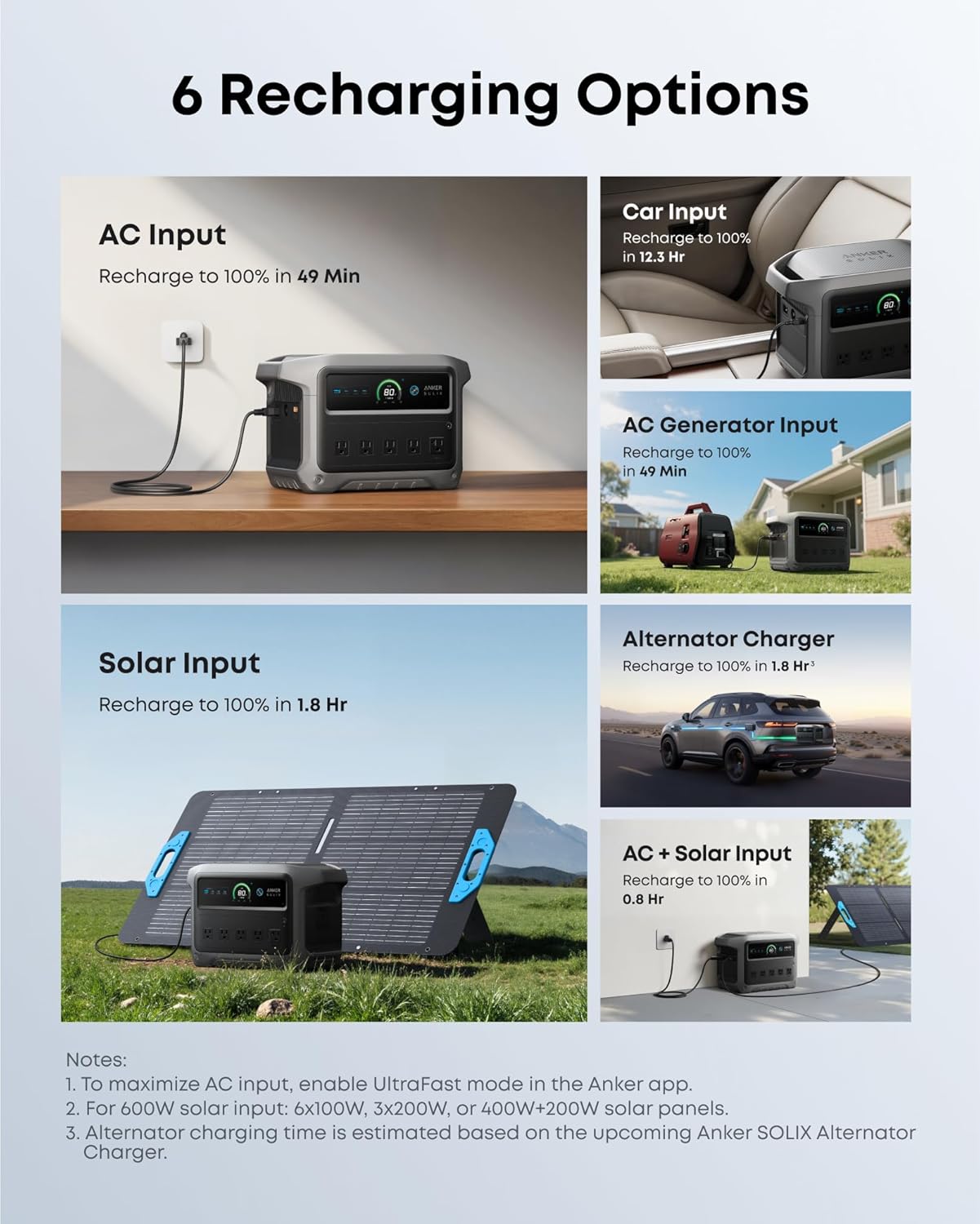
If the goal is a clean, simple ownership experience, Anker makes more sense:
- easier to think of as a self-contained purchase
- more natural for grab-and-go use
- better aligned with buyers who do not want system planning
- stronger for households that just want reliable portable backup without turning the decision into a hobby
The Anker fits the buyer who wants the answer to be:
“Buy it, charge it, use it, done.”
The EcoFlow is still easy enough, but it quietly introduces a different mentality. Even when used simply, it carries the logic of future expansion. For some buyers that is reassuring. For others it is just extra mental clutter.
Which One Makes More Sense for Demanding Use?
This is where the EcoFlow DELTA 2 starts to look stronger in a more serious way.
Demanding use is not just about power. It is about what happens when ordinary needs stop being the whole story.
If the buyer expects:
- longer outages
- heavier reliance
- broader emergency use
- a future where capacity planning matters more
then the EcoFlow’s expandable logic becomes more convincing.
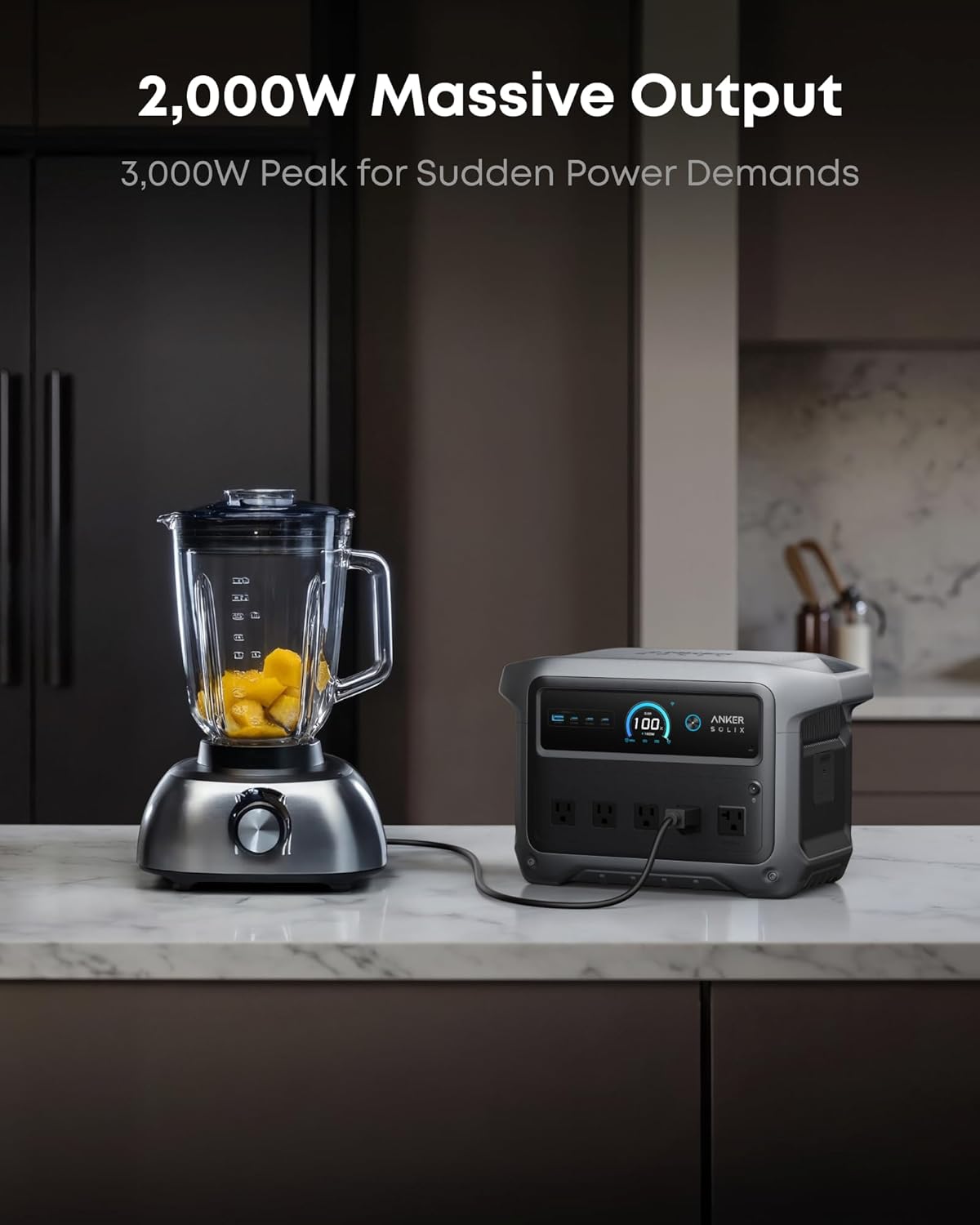
The Anker still makes sense for demanding users who want strong performance in a fixed compact form. But the EcoFlow feels more appropriate for the buyer whose needs may become less casual and more infrastructural.
Where Anker Wins Clearly Without Debate
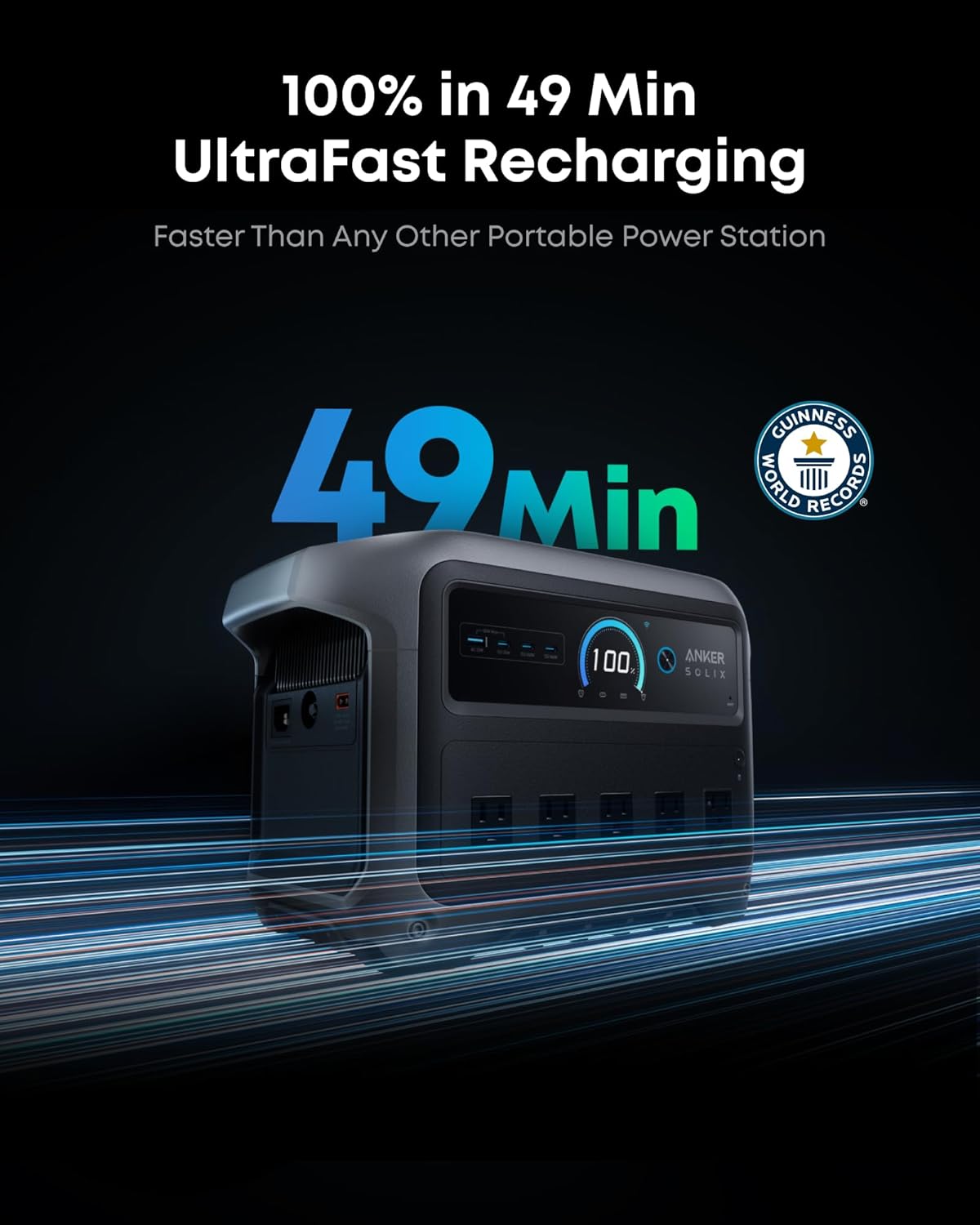
There are a few areas where the Anker SOLIX C1000 Gen 2 simply feels like the cleaner answer.
Anker wins clearly in:
- standalone simplicity
- portable all-in-one appeal
- buyers who want fewer future decisions
- people who value a product that feels complete on day one
- ownership that feels less like entering an ecosystem
This is not a minor victory. For many buyers, this is the whole point of spending real money on a portable power station in the first place.
Where EcoFlow Quietly Offers Better Overall Judgment
The EcoFlow DELTA 2 wins in a quieter, less flashy way.
It may not always feel like the more elegant object in a direct emotional sense, but it often feels like the more strategic answer once the buyer asks a harder question:
What if my use case grows six months after I buy this?
That is where EcoFlow often offers better overall judgment. It is not always the more immediately attractive decision. But it can be the one that ages better for buyers whose expectations rise over time.
That makes it a more thoughtful pick for buyers who do not trust their first-use scenario to remain their only use scenario.
Which Differences Matter in Practice — and Which Barely Matter at All?
This is where buyers need discipline.
The differences that really matter:
- whether you want a fixed standalone unit or an expandable system
- whether simplicity or long-term flexibility matters more
- whether your usage is mostly occasional or potentially growing
- whether portability and compact ownership are central
- whether future-proofing matters enough to justify compromise now
The differences that barely matter for most buyers:
- tiny spec advantages that never change real use
- feature checklist padding
- marginal bragging rights that sound important but do not alter ownership
- paper differences that disappear once the unit is sitting in a closet, car trunk, office, or backup corner of the house
In practice, buyers often overweight the wrong details because they are easy to compare. The real decision here is more personal than technical.
How the Decision Changes Depending on Buyer Priorities
This is not one comparison with one answer. It changes depending on what the buyer is really trying to solve.
| Buyer Priority | Better Fit |
|---|---|
| “I want the cleaner standalone purchase.” | Anker SOLIX C1000 Gen 2 |
| “I want the simpler setup.” | Anker SOLIX C1000 Gen 2 |
| “I want long-term flexibility.” | EcoFlow DELTA 2 |
| “I may expand later.” | EcoFlow DELTA 2 |
| “I hate overbuying.” | Anker SOLIX C1000 Gen 2 |
| “I hate rebuying.” | EcoFlow DELTA 2 |
| “I want something that feels finished now.” | Anker SOLIX C1000 Gen 2 |
| “I want something that remains smarter later.” | EcoFlow DELTA 2 |
That is the real lens. Not “Which one is better?” but “Better for which priority?”
Is the Cheaper Option Actually Enough?
The cheaper option is enough if the buyer’s real use case is honest and stable.
If the buyer only needs:
- portable household backup
- charging security
- light appliance support
- outdoor or travel flexibility
- one strong unit with no deeper system ambitions
then the cheaper option can absolutely be enough.
But “enough” becomes a trap when buyers pretend their future will remain as limited as their present. If there is a realistic chance they will want more runtime, broader use, or system growth, then the cheaper option may only be enough for now, which is not always the same thing as enough.
Does the Pricier Option Earn Its Extra Cost in a Meaningful Way?
A pricier option only earns its extra cost when the extra money changes the quality of the decision, not just the appearance of it.
The more expensive side earns its cost if it meaningfully gives the buyer:
- better long-term logic
- less chance of outgrowing the purchase
- stronger fit for demanding scenarios
- more confidence that the purchase will stay relevant
If those things matter, then yes, the premium is meaningful.
If the buyer is never going to use that extra logic, then the higher price is just buying theoretical intelligence instead of practical value.
That is the danger of overbuying in this category. Many people pay for future-proofing they will never actually use.
Which Buyer Is Better Served by Each Side?
The buyer better served by the Anker SOLIX C1000 Gen 2
- wants a premium-feeling standalone purchase
- values simplicity over expansion
- wants the cleaner “buy once, use now” experience
- prefers a power station that feels finished rather than modular
- is buying for real life, not for hypothetical escalation
The buyer better served by the EcoFlow DELTA 2
- thinks in stages and future use cases
- is willing to trade some simplicity for better system logic
- wants room to grow
- sees this purchase as part of a longer backup strategy
- cares less about pure neatness and more about broader ownership judgment
The Real Recommendation Once Both Are Viewed Honestly
The Anker SOLIX C1000 Gen 2 is the smarter recommendation for the buyer who wants the better standalone answer. It feels more complete, more self-contained, and more naturally satisfying for the person who wants a capable portable power station without being pulled into a second layer of decision-making.
The EcoFlow DELTA 2 is the smarter recommendation for the buyer who wants the better expandable answer. It makes more sense for people whose needs may stretch, whose tolerance for future system planning is higher, and whose purchase logic is built around long-term flexibility rather than immediate neatness.
Bottom Line
If you want the product that feels more sensible as a compact, finished, high-confidence purchase, choose the Anker SOLIX C1000 Gen 2.
If you want the product that feels more sensible as a starting point for broader backup ambitions, choose the EcoFlow DELTA 2.
That is the real decision. Not better versus worse.
Standalone clarity versus expandable judgment.
And once the comparison is framed that way, the smarter choice becomes much easier to see.
Explore the Anker SOLIX C1000 Gen 2 Gallery
Every image from this article, gathered in one clean place. Tap any photo to open it larger.