
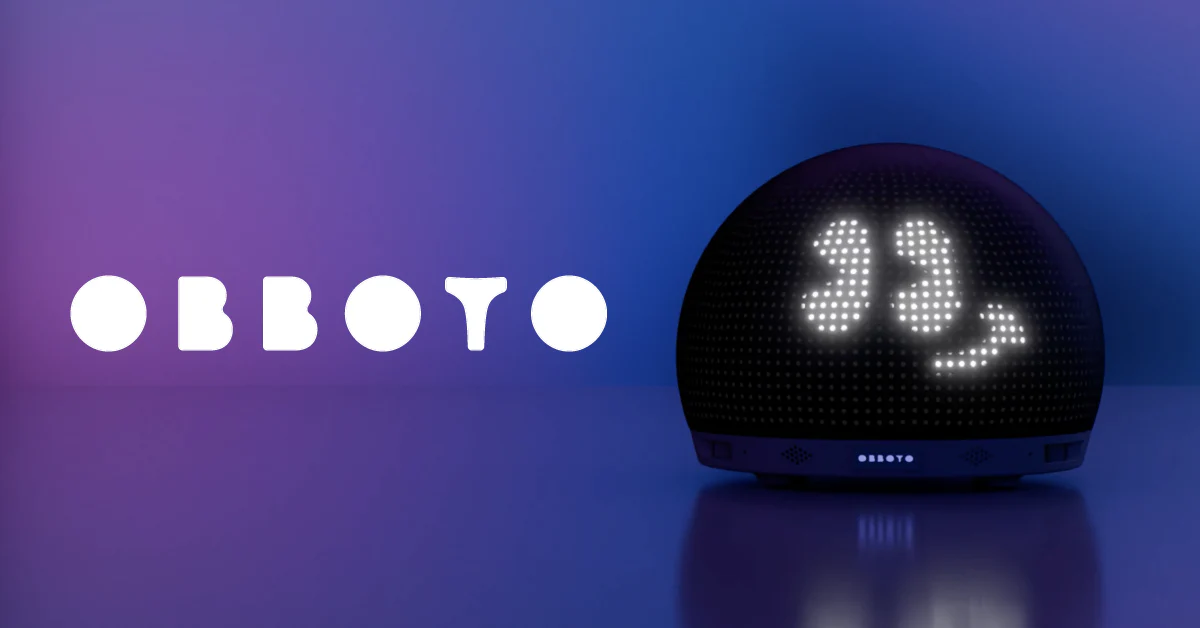
The SwitchBot Obboto AI-Powered Globe Desk Light makes a very clear choice, and that choice is the whole story.
It is not trying to win on raw lighting value. It is trying to turn a desk object into a small emotional presence: something decorative, expressive, slightly playful, and much more character-driven than a normal lamp. That is the main benefit it is clearly chasing. And it is also the source of the product’s biggest compromise.
Because once a desk light starts behaving like a companion, a display object, and a mood device, it quietly stops competing on the old terms. It becomes less about how well it lights a desk and more about how strongly it changes the feeling of the desk.
That is the real trade here.
The short version
| What it gets right | What it gives up |
|---|---|
| Strong visual identity | Pure lighting practicality |
| More personality than a normal desk lamp | Simplicity of purpose |
| A desk presence that feels fun and modern | Some seriousness and restraint |
| Decorative value even when not being “useful” | Clean value-for-money logic |
| A more emotional kind of tech appeal | A clearer functional justification |
The Obboto makes sense if you want your desk light to feel alive. It makes less sense if you just want a really good desk light.
What the product is clearly trying to improve
Most desk lights solve a familiar problem: visibility.
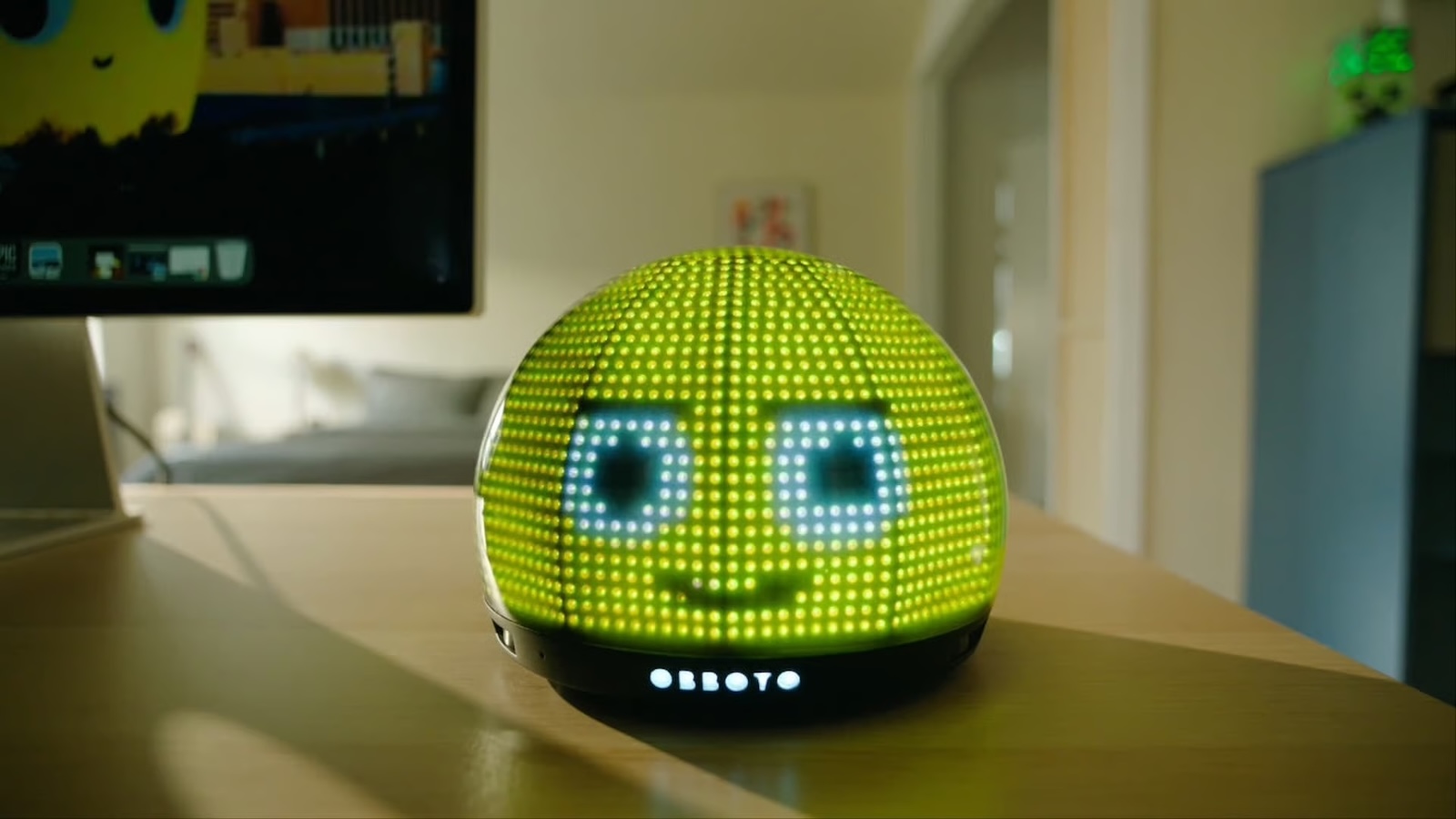
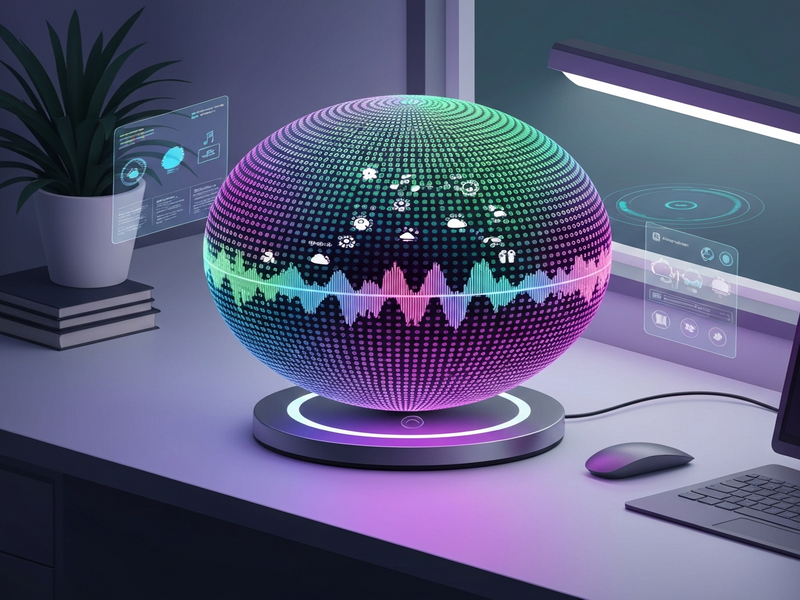
The Obboto is reaching for something slightly different. It wants to improve the emotional atmosphere of a desk. It wants to make a workspace feel less sterile, less generic, and less like a surface full of hardware. That is a more modern product ambition than people sometimes admit. A lot of desk gear now sells not just function, but mood, presence, and identity.
And in that sense, the Obboto’s direction is smart.
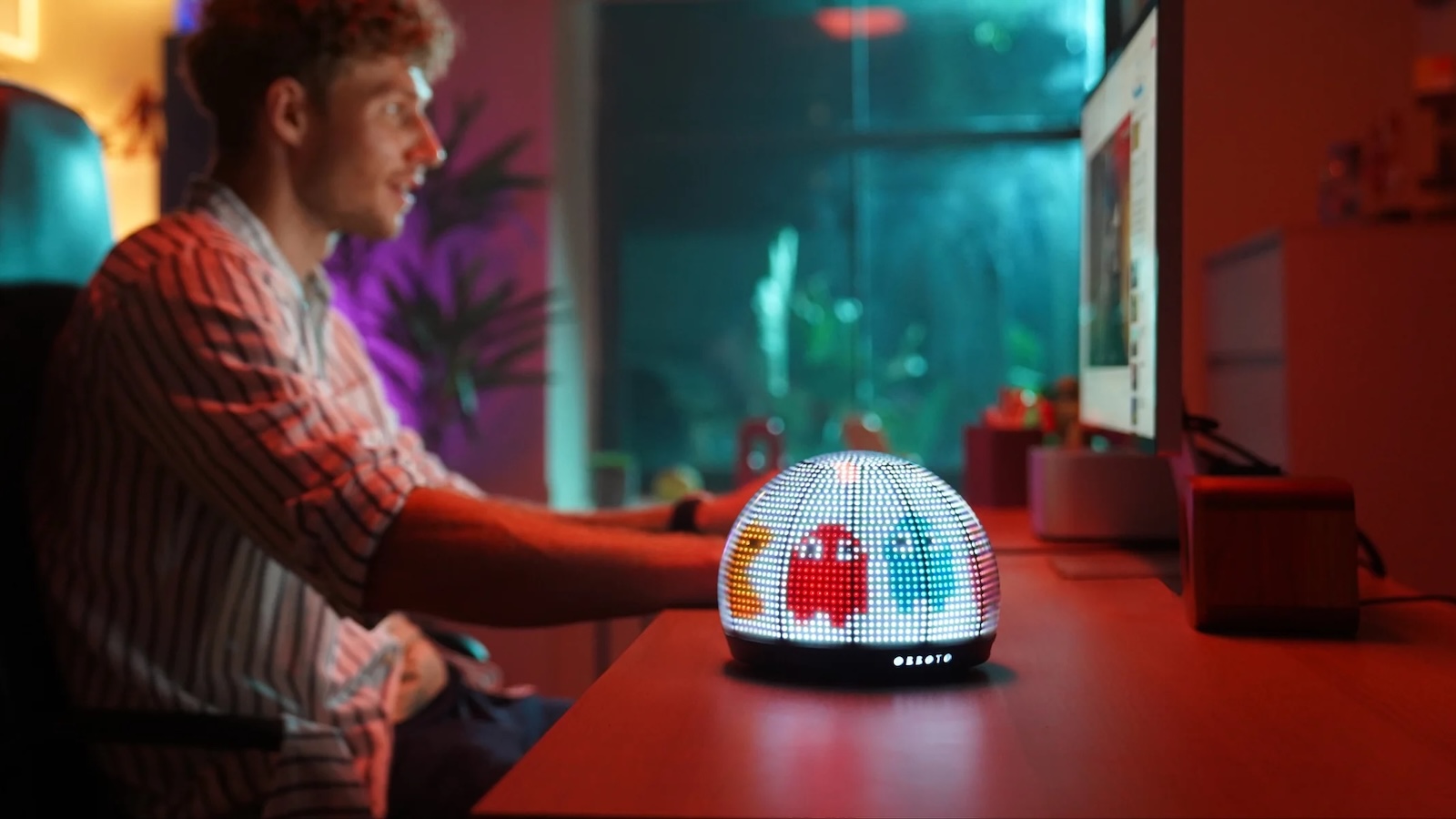
A plain lamp can illuminate a keyboard. A product like this tries to do something broader: soften the room, animate the setup, make the desk feel more personal, and turn lighting into a visible part of the environment rather than a background utility. For buyers building a desk around visual pleasure, aesthetic coherence, or a more playful daily routine, that is not a fake benefit. It is real.
The problem is that this benefit is not free.
The compromise attached to that main benefit
The more a product prioritizes presence, the less it usually prioritizes purity of function.
That is the compromise here.
A globe-shaped, expressive, AI-forward desk object is almost automatically less direct than a simple task light. It is less likely to be the cleanest answer to focus lighting. Less likely to disappear into the workflow. Less likely to deliver the kind of immediate practical confidence people expect from something with “desk light” in the name.
It may brighten the desk. It may improve ambience. It may even be genuinely enjoyable. But the product’s center of gravity is clearly not ruthless utility. It is experience.
For some buyers, that sounds exciting.
For others, it is exactly where the logic starts weakening.
What the buyer is effectively paying extra for
With products like this, the extra money usually goes toward non-basic value.
Not light alone. Not brightness alone. Not even convenience alone.
You are paying for things like:
- visual character
- novelty
- interactivity
- custom mood
- the feeling that your desk setup has a point of view
- a more expressive version of smart lighting
That can absolutely be worth paying for. But it is still important to say it clearly: buyers are not paying only for illumination. They are paying for the performance of illumination as an experience.
That distinction matters because it changes the standard.
A normal desk lamp can justify itself through usefulness. The Obboto has to justify itself through a combination of usefulness, charm, and atmosphere. That is a harder argument to win, because charm is more subjective and atmosphere is easier to overvalue during the buying phase than during real ownership.
What the buyer quietly gives up to get that advantage
The silent sacrifice is clarity.
Not visual clarity. Buying clarity.
With a more traditional desk lamp, the value equation is usually simple: brightness, adjustability, comfort, footprint, controls, and build. You know what the object is for.
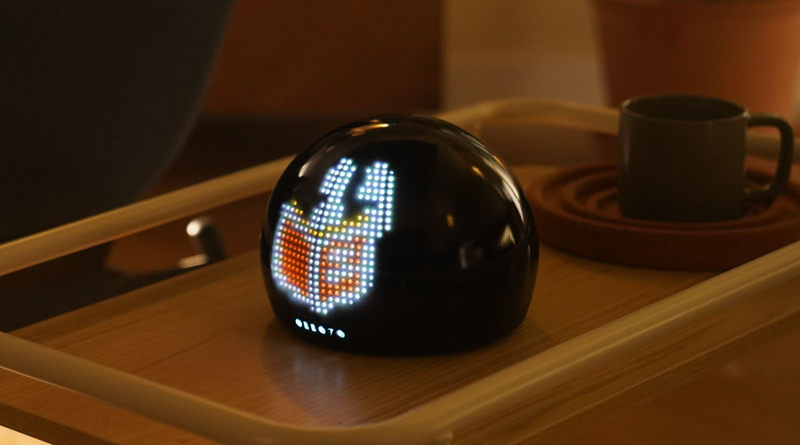
With the Obboto, the product goal becomes more blended. It is a light, but also an object. It is desk gear, but also desk décor. It is practical, but also theatrical. It is supposed to help, but also delight.
That blending is attractive, but it comes with a cost: the buyer has to tolerate a less clean answer to the question, “What exactly am I paying for?”
That is where some smart-looking products start to wobble.

Is the trade intentional or badly balanced?
This trade feels intentional, not accidental.
That matters. The Obboto does not look like a product that accidentally became decorative. It looks like a product designed from the start to make the emotional part of ownership more visible. The brand seems to understand that some people want their desk tech to feel less corporate and less anonymous.
So the issue is not confusion in design direction. The issue is whether that direction was judged well enough.
And here the answer is mixed.
The choice is sharp. The identity is clear. The product seems to know what kind of attention it wants. That is a strength. But once a product leans this hard into charm and personality, it also has to avoid becoming over-designed relative to its core job.
That is the line it has to walk.
What feels overbuilt — and what feels under-supported
What feels overbuilt
The most overbuilt part appears to be the expressive layer.
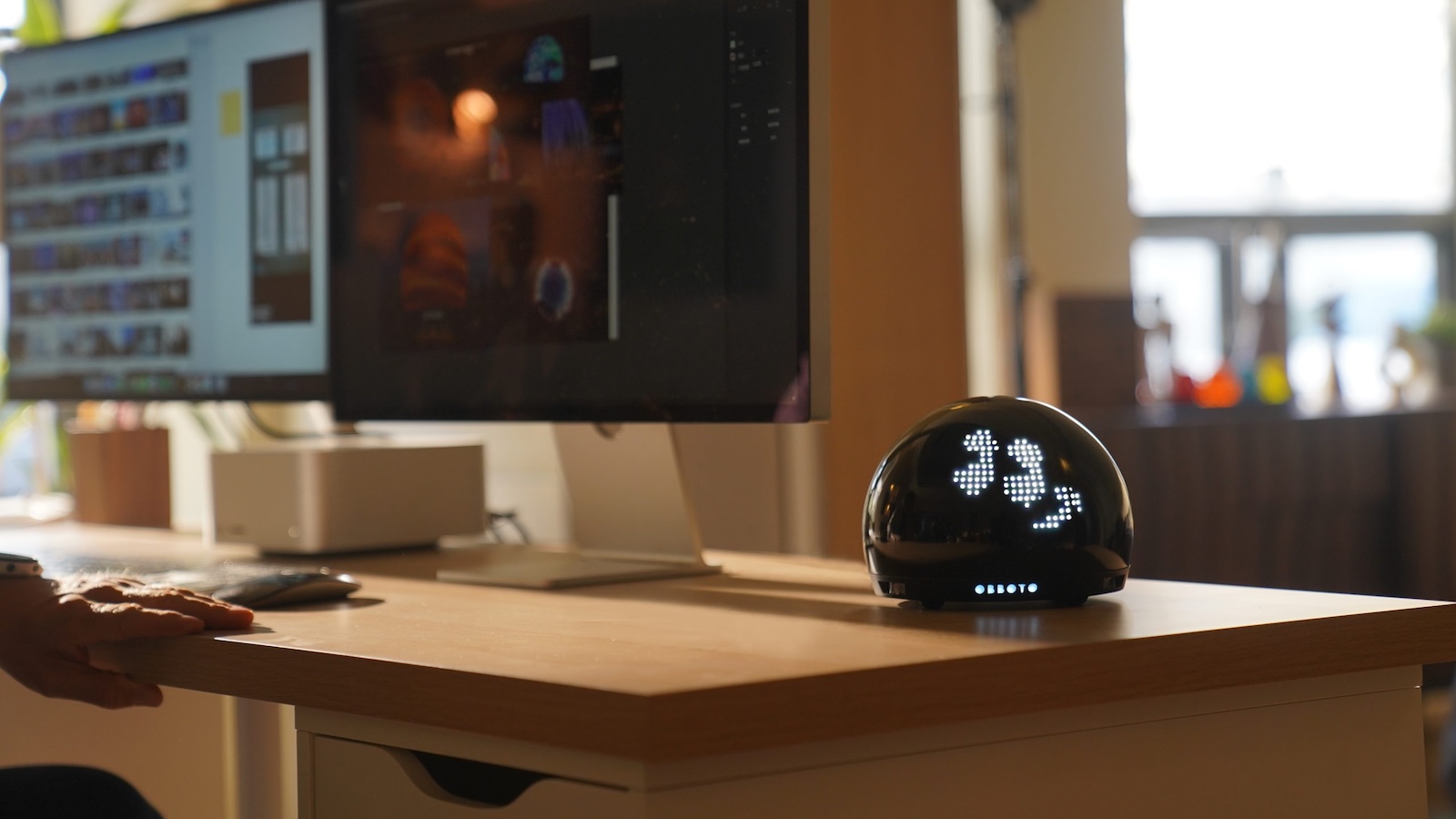
That includes the personality-first side of the product: the visual identity, the globe form, the emotional framing, the animated or responsive qualities, the “more than a lamp” idea. None of that is inherently bad. In fact, it is what makes the product interesting.
But it is also the part that risks becoming heavier than the actual need.
A lot of people want a desk to feel better. Far fewer need their lamp to act like a tiny digital presence.
What feels under-supported
The under-supported side is the old-fashioned task-light argument.
That is where the trade starts to show. When a product tries to be delightful first, it sometimes leaves the straightforward questions slightly less answered:
- How well does it serve normal desk habits?
- How naturally does it fit a focused workspace?
- Does it improve concentration, or mainly decorate it?
- Does it simplify the desk, or add another layer of behavior to it?
Those are not fatal questions. But they matter more than the marketing mood around a product like this sometimes suggests.

What priority the product is really choosing
The Obboto is not mainly prioritizing raw quality, speed, or simplicity.
It is prioritizing looks and emotional convenience.
That sounds contradictory, but it is not.
It is trying to make the desk feel nicer without asking the user to become a lighting enthusiast. It wants aesthetic impact without demanding complex taste. It wants visible personality in a form that feels approachable and friendly rather than design-snobbish.
That is a clever commercial position.
The problem is that once looks and emotional effect become the lead priority, the entire value of the product changes. You stop judging it as hardware alone. You start judging it as an object that must earn space through vibe.
And vibe is one of the least stable forms of value. It feels powerful at first. It can feel thinner later.
Does the compromise show up immediately or later?
Some of it shows up immediately.
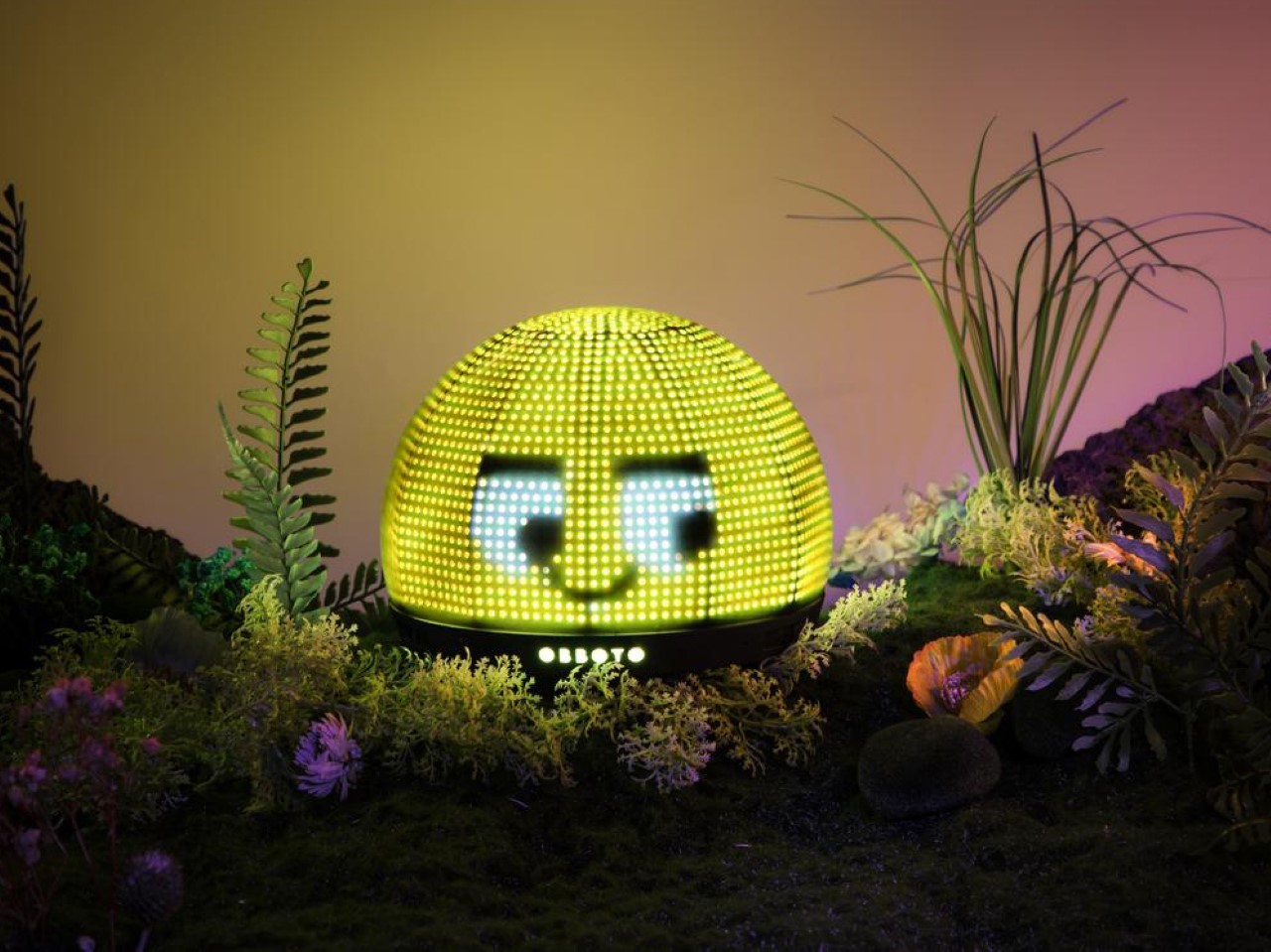
The moment you look at the product, you can tell this is not a stripped-down utility lamp. The design itself tells you that.
But the deeper compromise probably appears later.
At first, the Obboto’s strength is obvious: it has novelty, visual charm, desk personality, and the kind of object-level appeal that makes a setup feel more memorable. Later, the buyer starts asking harder questions:
- Is this improving the desk every day, or just making it more interesting?
- Is it helping me work, or helping me decorate the idea of working?
- Do I still appreciate the personality once it becomes familiar?
That is where many aesthetic tech products face their real test. The first impression is usually generous. The long-term standard is harsher.
Which strength is strong enough to justify the weakness?
The strongest justification is simple:
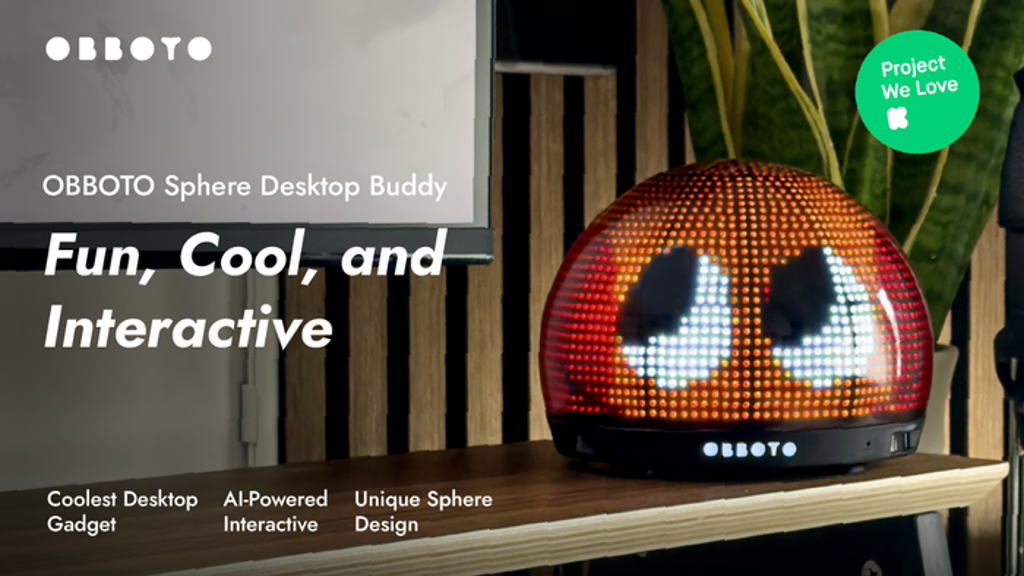
It can make an ordinary desk feel meaningfully less dead.
That is not trivial. A lot of workspaces are visually bleak. A product that adds softness, playfulness, or a sense of companionship can genuinely improve how a setup feels to live with. For the right buyer, that improvement is not superficial. It affects mood, attachment, and even willingness to spend time at the desk.
If someone values that highly, then the Obboto’s main strength may be strong enough to justify its practical compromises.
Especially for:
- aesthetic desk builders
- people who like expressive tech
- users who treat their workspace as a personal environment, not just a work surface
- buyers who are bored by normal desk lights
For those people, the Obboto’s weakness may be acceptable because the core strength is exactly what they wanted.
Which weakness is serious enough to cancel the strength?
The biggest weakness is this:
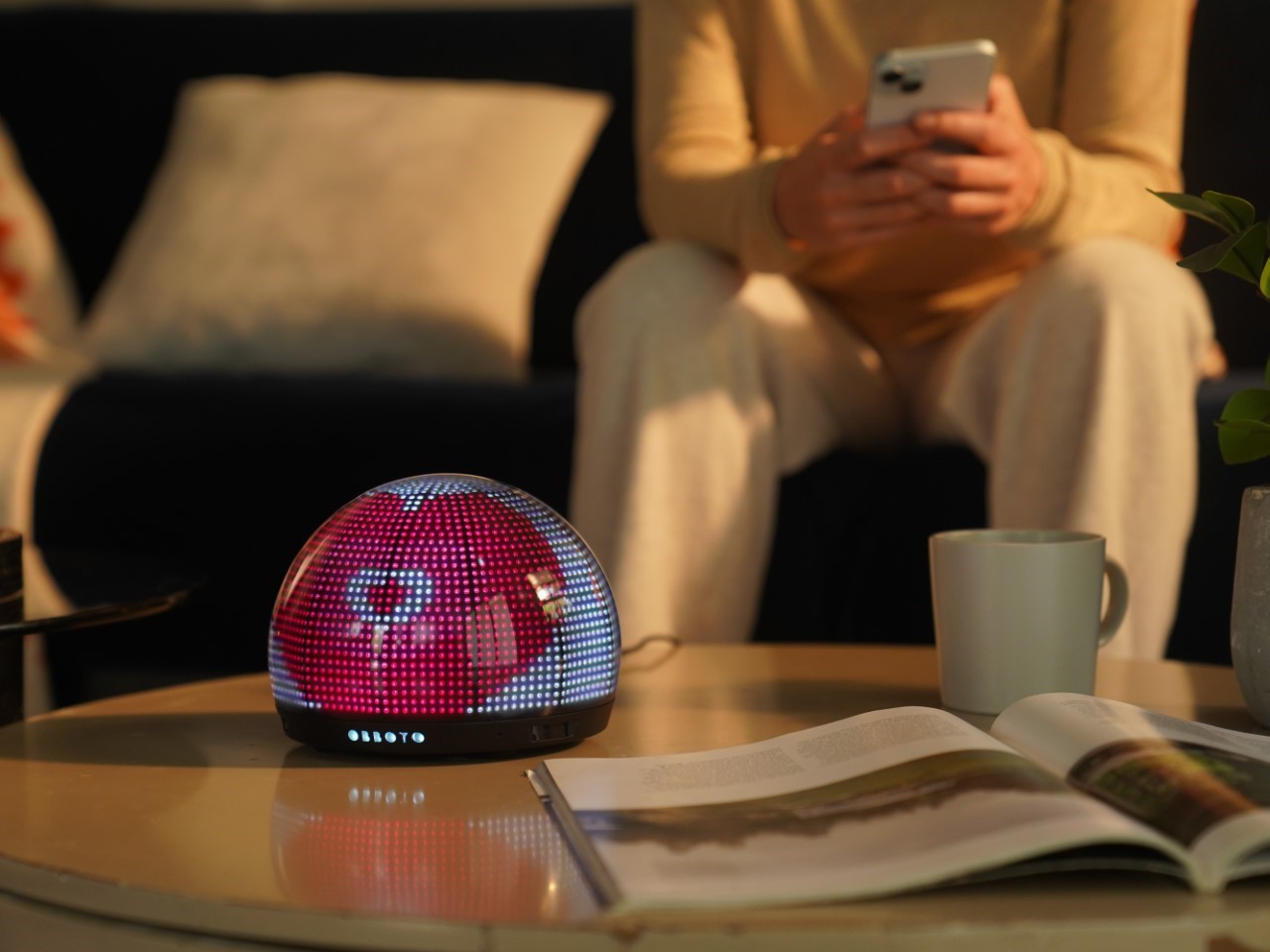
It risks being more lovable as an idea than necessary as a product.
That is the danger.
If a buyer mainly wants:
- strong task lighting
- clean ergonomics
- minimal distraction
- sharp value-for-money
- an object that disappears into work rather than performing around it
then the Obboto’s appeal shrinks fast.
For that buyer, the personality becomes fluff, the globe form becomes secondary, and the emotional framing starts to feel like extra packaging around a simpler need. At that point, the weakness absolutely can cancel the strength.
Does it feel optimized for one purpose or stretched across too many?
This is where the Obboto becomes especially interesting.
It does feel optimized for one clear modern purpose: making desk lighting more expressive and emotionally alive.
But it also flirts with being stretched across too many roles:
- lamp
- mood object
- decorative tech piece
- interactive companion
- smart desk accent
- ambient display
That stretch is not necessarily a failure. But it creates pressure. The more roles a product claims, the easier it becomes for buyers to expect too much from it. And once expectations scatter, disappointment becomes more likely.
The smartest version of this product is the one understood narrowly: not as a main light, not as serious productivity hardware, but as a high-character ambient desk object that also happens to light the space.
Seen that way, the design makes more sense.
How the trade compares with what buyers usually expect at this level
At this level, buyers usually expect one of two clean stories:
- A premium task light that earns its price through function, adjustability, and comfort.
- A decorative smart light that earns its price through atmosphere and style.
The Obboto sits in between those stories.
That can be a strength because it feels fresher than a generic lamp. It can also be a weakness because hybrid products are harder to judge. They do not always feel obviously expensive for the right reason.
Compared with what buyers often expect, the Obboto feels more personality-heavy and less function-pure. That is not automatically worse. But it does mean the buyer needs better self-awareness before purchasing.
This is not really a “best desk light” proposition.
It is a best desk mood object for the right kind of buyer proposition.
That is narrower. But also more honest.
Final balance: smart, acceptable, or poorly judged?
The final balance feels smart for a specific buyer, acceptable for a broader buyer, and poorly judged for a strictly practical buyer.
That is the cleanest way to put it.
Smart
If you want your desk to feel warmer, stranger, more personal, and less like a slab of equipment, the Obboto’s trade makes sense. It is choosing atmosphere over purity, and that is a valid choice.
Acceptable
If you like the idea of expressive desk tech but still care about some practical value, the product may still work — but only if you accept that part of the price is going toward feeling, not just function.
Poorly judged
If you want straightforward desk-light logic, this is the wrong shape of value. The compromise will feel visible, and probably too visible.
Bottom line
The SwitchBot Obboto AI-Powered Globe Desk Light is not most interesting when treated as a lamp. It is most interesting when treated as a decision about what kind of desk you want to live with.
What you gain is character, mood, and a much more expressive form of light.
What you quietly lose is the clean, undeniable practicality that makes ordinary desk lights easy to justify.
That is the trade.
And like most real tradeoffs, it is not about whether the product is good or bad. It is about whether you want your desk light to help the room or be part of the room’s personality.
The Obboto clearly chooses the second path. For the right buyer, that is exactly why it works. For everyone else, that is exactly why it may not.
Explore the SwitchBot Obboto AI-Powered Globe Desk Light Gallery
Every image from this article, gathered in one clean place. Tap any photo to open it larger.