
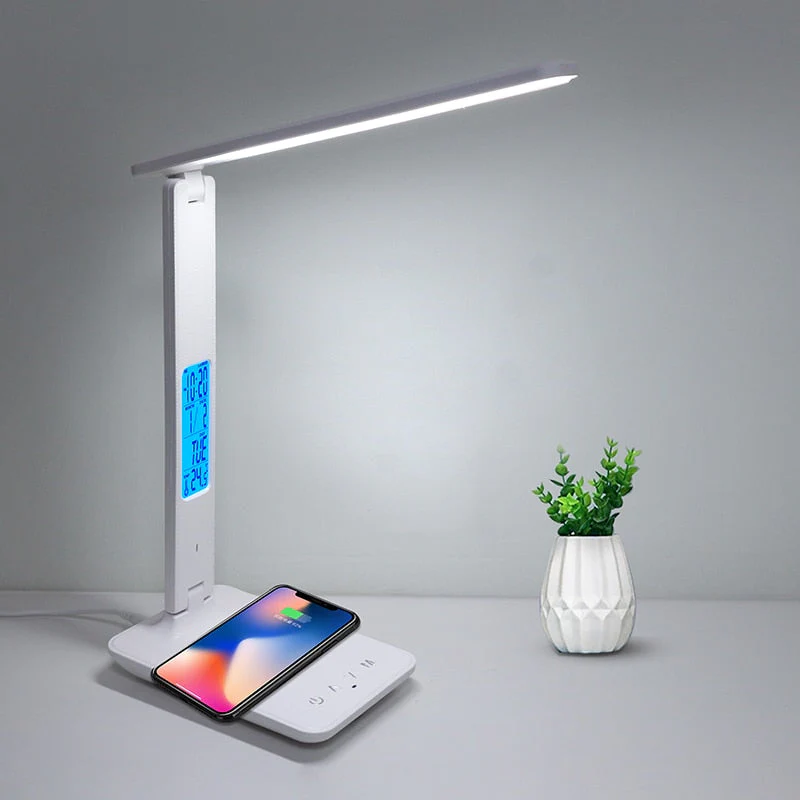
Most desk lamps try to do one job well enough and then get out of the way. The ProtoArc Smart Desk Lamp is chasing something more ambitious than that. It is not really selling light alone. It is selling the idea that your workspace should react to you.
That is the product’s biggest strength. It is also the product’s biggest risk.
Because once a desk lamp stops being just a lamp, buyers are no longer judging it only on brightness, adjustability, and comfort. They are judging it on how well the whole idea holds together. And that changes the value equation immediately.
At a Glance: What You Gain vs What You Quietly Lose
| What ProtoArc is clearly trying to deliver | What that likely costs you |
|---|---|
| A desk lamp that feels context-aware instead of manually managed | More dependence on software, setup, and ecosystem logic |
| A smarter ergonomic workspace, not just a brighter desk | Less standalone clarity and less immediate buying confidence |
| Reduced daily friction through adaptive behavior | More unanswered questions about basic lamp fundamentals |
| A premium, system-level office idea | A higher bar for execution, value, and trust |
The real tradeoff here is simple: ProtoArc is trying to make the desk lamp more intelligent than usual, but in doing that, it risks making the buying decision less straightforward than it should be.
The Main Benefit the Product Is Clearly Chasing
The most important thing to understand about this lamp is that its main promise is not raw lighting power. It is adaptive usefulness.
That sounds like marketing language until you strip it down. Then it becomes easier to respect. Desk work changes constantly. You sit. You stand. You type. You read. You shift posture. You move from focused work to looser work. The room changes through the day. Traditional desk lighting rarely keeps up with any of that unless you keep adjusting it yourself.
So the ProtoArc idea is appealing because it tries to remove that low-level maintenance.
This is what makes the product more interesting than the average smart lamp. Many “smart” lights add convenience in shallow ways. They give you app controls, scenes, routines, or color tricks. ProtoArc’s idea feels more serious. It treats lighting as part of work ergonomics, not just part of the room.
That is a smart priority.
The Compromise Attached to That Benefit
The compromise is that the lamp stops being easy to judge on its own.
A normal desk lamp can win on obvious things. Is the light pleasant? Does it reach the right area? Is it easy to position? Does it stay where you put it? Does it take up too much space? That is the clean old-fashioned test.
But the ProtoArc Smart Desk Lamp asks for a different kind of trust. It asks the buyer to believe in the larger logic first.
That means the lamp’s value is no longer resting only on light quality. It is also resting on:
- software behavior
- automation restraint
- ecosystem integration
- ease of control
- whether the smart layer feels invisible or intrusive
That is a much heavier burden for a desk lamp to carry.
So yes, the concept is smarter. But the buying confidence is weaker, because the product now has more ways to disappoint.
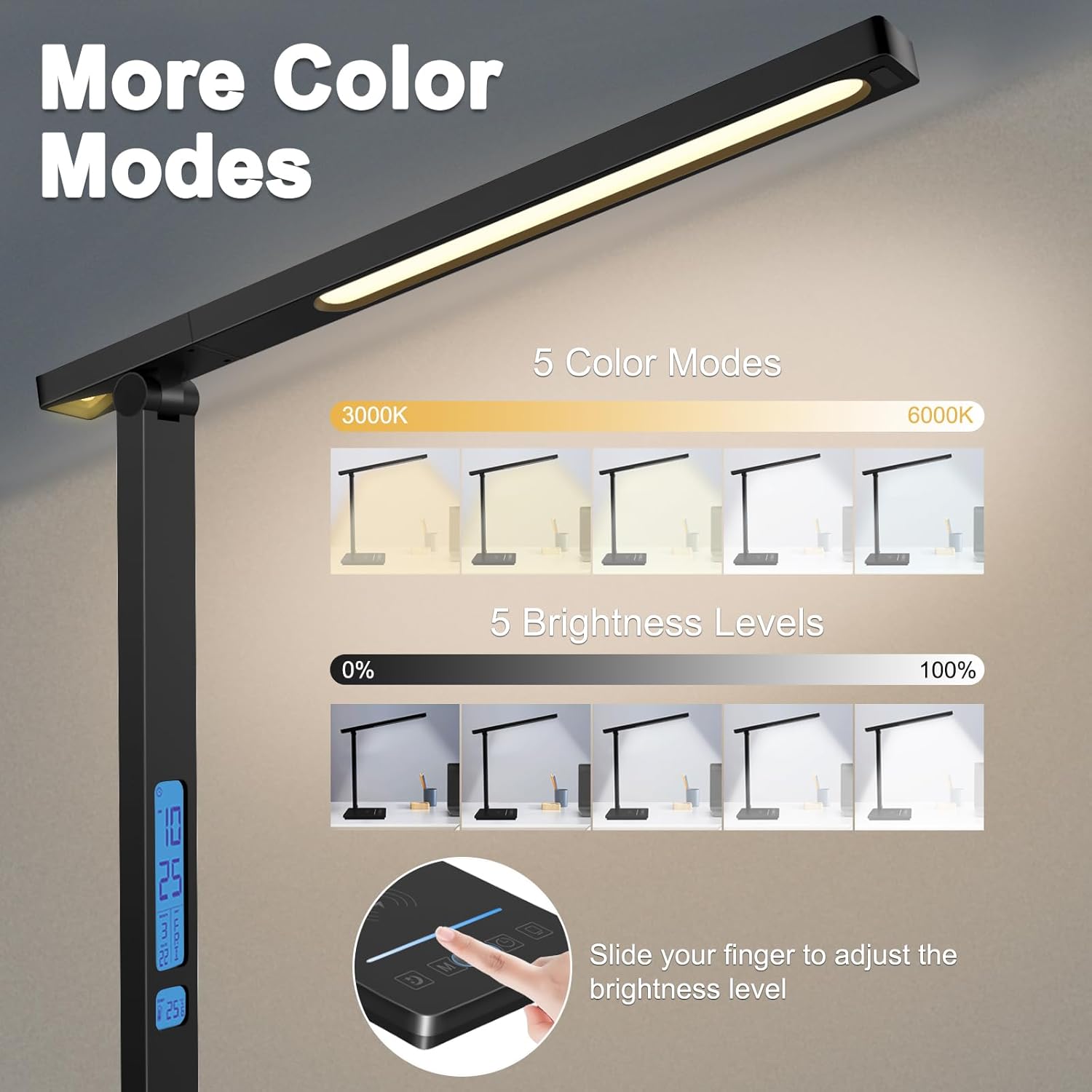
What the Buyer Is Effectively Paying Extra For
With this kind of product, the buyer is not just paying for hardware.
They are paying for:
- context-awareness
- automation logic
- a more coordinated desk experience
- the promise of fewer manual corrections
- a premium “workspace system” philosophy
In other words, the extra value is not only in what the lamp is. It is in what the lamp is supposed to understand.
That can be worth real money when it works. A lamp that automatically matches the actual rhythm of work could absolutely feel more valuable than one that only gives you static brightness steps and a touch panel.
But this is also where smart office products become dangerous. Buyers often end up paying not for proven usefulness, but for the possibility of usefulness.
And possibility is not the same thing as ownership satisfaction.
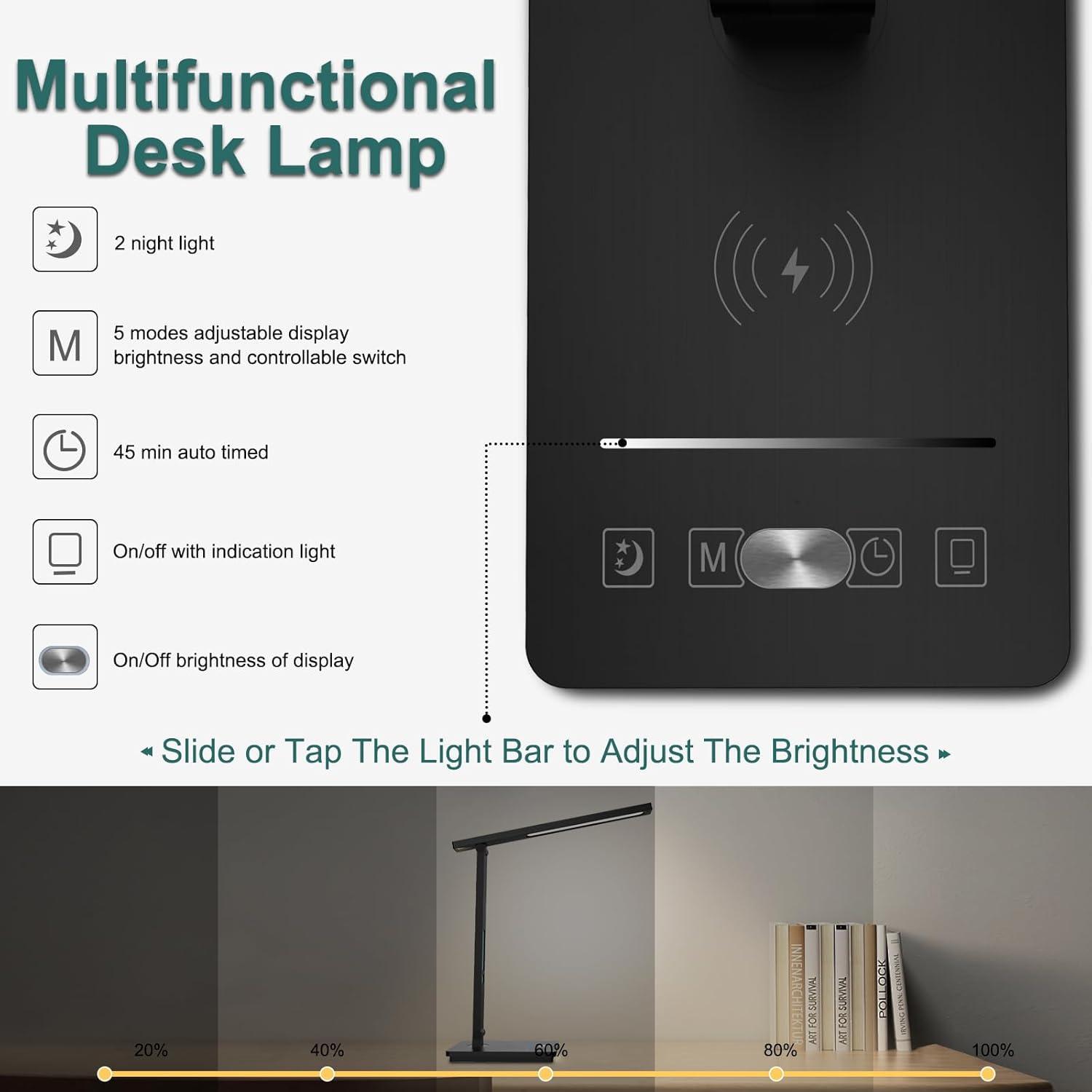
What the Buyer Is Silently Giving Up
To get that “smarter workspace” advantage, the buyer may be giving up several quieter comforts that matter more than brands admit.
1. Standalone simplicity
A simple desk lamp is easy to understand. This one appears to be more meaningful when seen as part of a bigger office logic.
2. Immediate clarity
The more intelligent a product becomes, the more buyers need clear answers about how it behaves. If those answers are not obvious up front, hesitation replaces excitement.
3. Frictionless control
Smart products always risk doing one annoying thing: making a basic action feel overmanaged. A lamp should not require a relationship.
4. Easy value comparison
Once a product is partly about ecosystem thinking, it becomes harder to compare against ordinary desk lamps at the same level. Buyers stop asking, “Is this a good lamp for the money?” and start asking, “How much of this value depends on everything around it?”
That is a much more dangerous question.
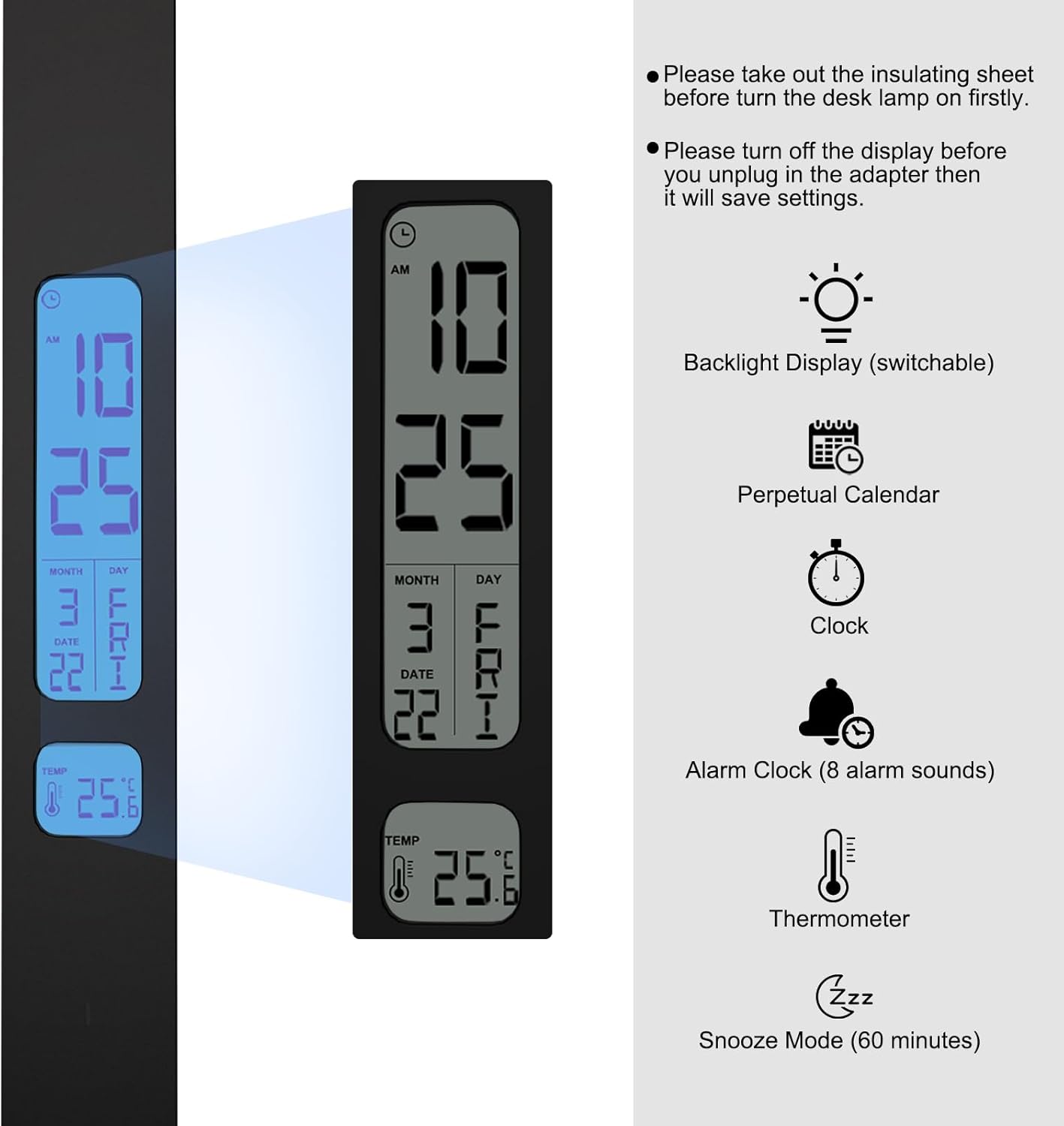
Where the Product Feels Overbuilt
The idea layer feels overbuilt relative to the product’s visible certainty.
That is not the same as saying the product is badly designed. It means the ambition currently seems more developed than the proof.
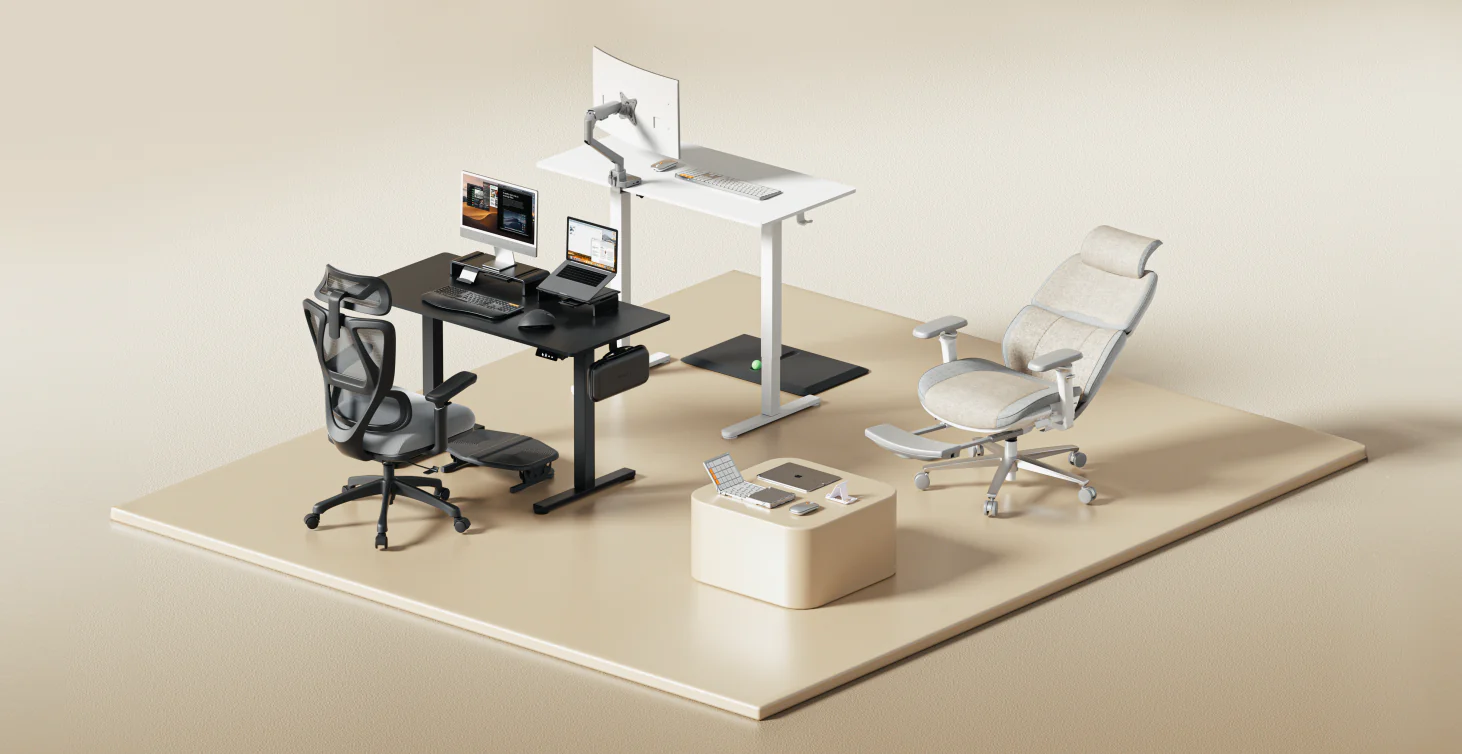
ProtoArc clearly understands that the desk is not a pile of unrelated gadgets. That part feels modern, coherent, and well judged. The lamp’s place inside a broader ergonomic setup makes sense. In fact, it makes more sense than many flashy smart-light products that exist just to feel futuristic.
But the product concept is currently carrying a lot of the emotional weight.
The pitch is strong. The logic is strong. The systems thinking is strong.
That can be impressive.
It can also be a warning sign.
Because when the concept feels more finished than the object itself, buyers are often being asked to admire the direction before they can fully trust the execution.
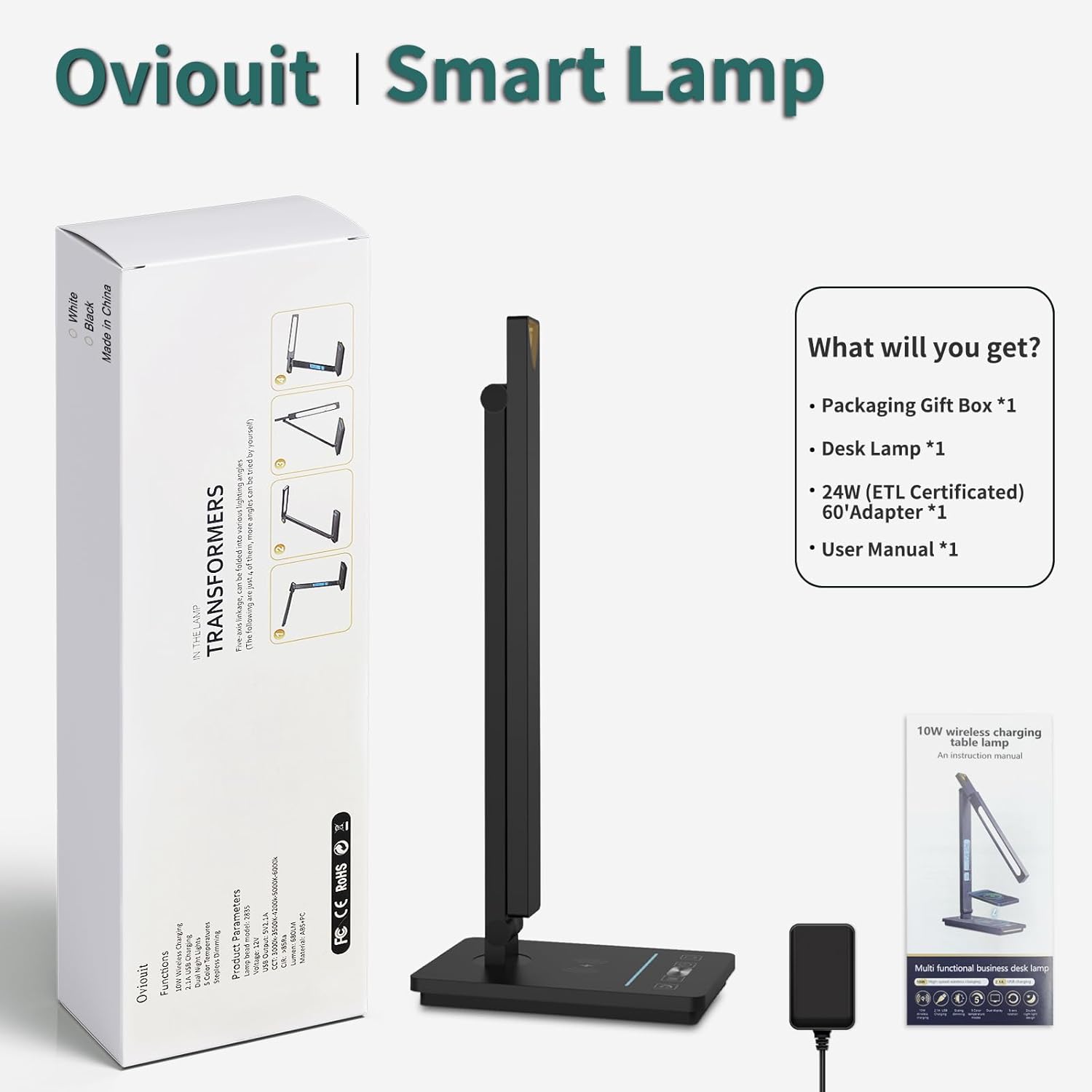
Where the Product Feels Under-Supported
The under-supported part is the ordinary lamp reality.
And with desk lighting, the ordinary reality is everything.
A desk lamp lives or dies on boring details:
- beam shape
- glare control
- useful coverage
- brightness behavior
- dimming smoothness
- color-temperature usefulness
- physical adjustability
- stability
- how naturally it fits around a monitor, keyboard, paperwork, and daily movement
Those are not side details. Those are the whole job.
The ProtoArc Smart Desk Lamp becomes harder to love if any of those basics feel secondary to the intelligence story. Because buyers can forgive a simple lamp for being simple. They do not forgive a premium smart lamp for being awkward.
What the Product Seems to Prioritize Most
If you strip away the branding noise, this product appears to prioritize convenience through intelligent comfort.
Not looks first.
Not raw performance first.
Not decorative mood first.
Not minimalist simplicity first.
The center of gravity seems to be this: make the workspace behave more helpfully without the user needing to keep correcting it.
That is a respectable priority.
It also instantly changes the product’s value.
Because now the lamp is not competing mainly against beautiful lamps or cheap lamps. It is competing against manual hassle. It is trying to win by making your day smoother, not merely brighter.
That is a stronger ambition.
It is also much harder to execute well.
How That Priority Changes the Product’s Value
When convenience is the core promise, buyers become less forgiving about inconsistency.
A lamp built mainly around design can get away with being slightly impractical if it looks exceptional. A lamp built around pure value can survive being plain if it is dependable and cheap. A lamp built around comfort can survive limited flair if it feels easy to live with.
But a lamp built around smart convenience has almost no margin for behavioral annoyance.
If it overreacts, it fails.
If it interrupts, it fails.
If it makes users second-guess their settings, it fails.
If it works beautifully only in a full branded setup, it narrows its own appeal.
That is why the ProtoArc tradeoff matters more than usual. Its strength and weakness come from the exact same decision.
Is the Compromise Obvious Right Away or Only Later?
The strength is visible early. The weakness shows up later.
The appealing part arrives almost immediately: this sounds like a more grown-up use of smart office technology than the usual gimmicks. It feels targeted at a real problem. That earns attention fast.
The compromise is slower.
It appears only after the initial admiration wears off and the practical questions begin:
- Is this excellent as a lamp, or only interesting as an idea?
- Is the smart layer quiet, or needy?
- Is this useful alone, or mainly valuable inside a bigger ProtoArc desk story?
- Is the trade actually improving ownership, or just making the product more elaborate?
That is why this product can make a sharp first impression while still leaving a cautious final one.
Which Strength Is Strong Enough to Justify the Weakness?
The best strength here is coherent purpose.
The lamp does not feel like it is trying to be smart just for the sake of it. It seems to be trying to solve a specific ergonomic problem: the mismatch between how we work and how static most desk lighting still is.
That strength is real.
For buyers building a serious home office, that may be enough to justify a lot. Especially if they already think in systems: posture, sit-stand rhythm, task switching, reduced friction, cleaner workflow. For that audience, the product may feel smarter than most alternatives before it is even fully finished.
That is not nothing. That is the core of the case for it.
Which Weakness Is Serious Enough to Cancel the Strength?
The biggest weakness is uncertain trust at the basics level.
A smart desk lamp can survive being ambitious. It cannot survive feeling under-proven where daily use actually happens.
If buyers start suspecting that the intelligence is more mature than the lamp itself, the product becomes fragile. And for many people, that will cancel the appeal immediately.
Especially for buyers who want one thing above all else: a reliable, well-resolved desk lamp that does not need explaining.
Those buyers are not looking for a concept. They are looking for confidence.
And this product, by design, makes confidence a slower sell.
Does It Feel Optimized for One Clear Purpose?
Yes — but only if you accept that the purpose is not simply “desk lamp.”
It feels optimized for a narrower and more modern goal:
a responsive ergonomic workspace tool
That is a sharper purpose than most smart lighting products have. So in one sense, the product feels focused.
But it also carries a second risk: once you start mixing lighting, posture logic, software, desk behavior, and system-wide adaptation, a product can begin to feel stretched across too many goals if the integration is not extremely well handled.
So the answer is slightly uncomfortable:
It feels optimized in theory.
It could feel overextended in practice.
How the Tradeoff Compares With What Buyers Usually Expect at This Level
At this level, buyers usually expect one of three things:
- a beautiful premium desk lamp
- a highly practical task lamp
- a smart lamp with familiar app-based convenience
ProtoArc is aiming somewhere more specific than all three.
That helps it stand out. It also makes it easier to disappoint, because buyers cannot lean on familiar expectations. They have to decide whether this different kind of value is real enough to deserve patience.
That is why the tradeoff feels sharper than average. This is not a product saying, “We made the usual thing a bit better.” It is saying, “We think the category should behave differently.”
That is bold. Bold products need cleaner proof than safe ones.
Final Balance: Smart, Acceptable, or Poorly Judged?
The final balance feels smart in intention, conditional in value, and still slightly fragile in judgment.
What ProtoArc gets right is the part many brands never even reach: it has chosen a tradeoff that is intellectually defensible. The product is trying to improve something real. It is not solving an invented problem. It is not adding “smart” features just to decorate a spec sheet. That already puts it ahead of a lot of modern office gear.
What it gives up is the calm confidence of a product that can be judged quickly and trusted easily.
That loss matters.
Because for many buyers, the best desk lamp is still the one that feels immediately obvious: strong light, useful control, low friction, no drama. ProtoArc is asking those buyers to think one level higher than that. Some will love that. Others will walk away the second they sense extra complexity.
Bottom Line
The ProtoArc Smart Desk Lamp looks strongest when you treat it as part of a larger ergonomic philosophy and weakest when you judge it like a normal standalone lamp.
That is the trade.
If you believe a workspace should behave like a connected system, the product makes an unusually intelligent case for itself. If you believe a desk lamp should earn trust first through simple, boring excellence, then the ambition may feel slightly ahead of the reassurance.
So the balance is not poorly judged. It is just narrow.
This is not the kind of product that wins by being universally easy to want. It wins only if ProtoArc can prove that the intelligence actually removes friction instead of introducing a more expensive form of it.
And that is exactly what makes the product interesting.
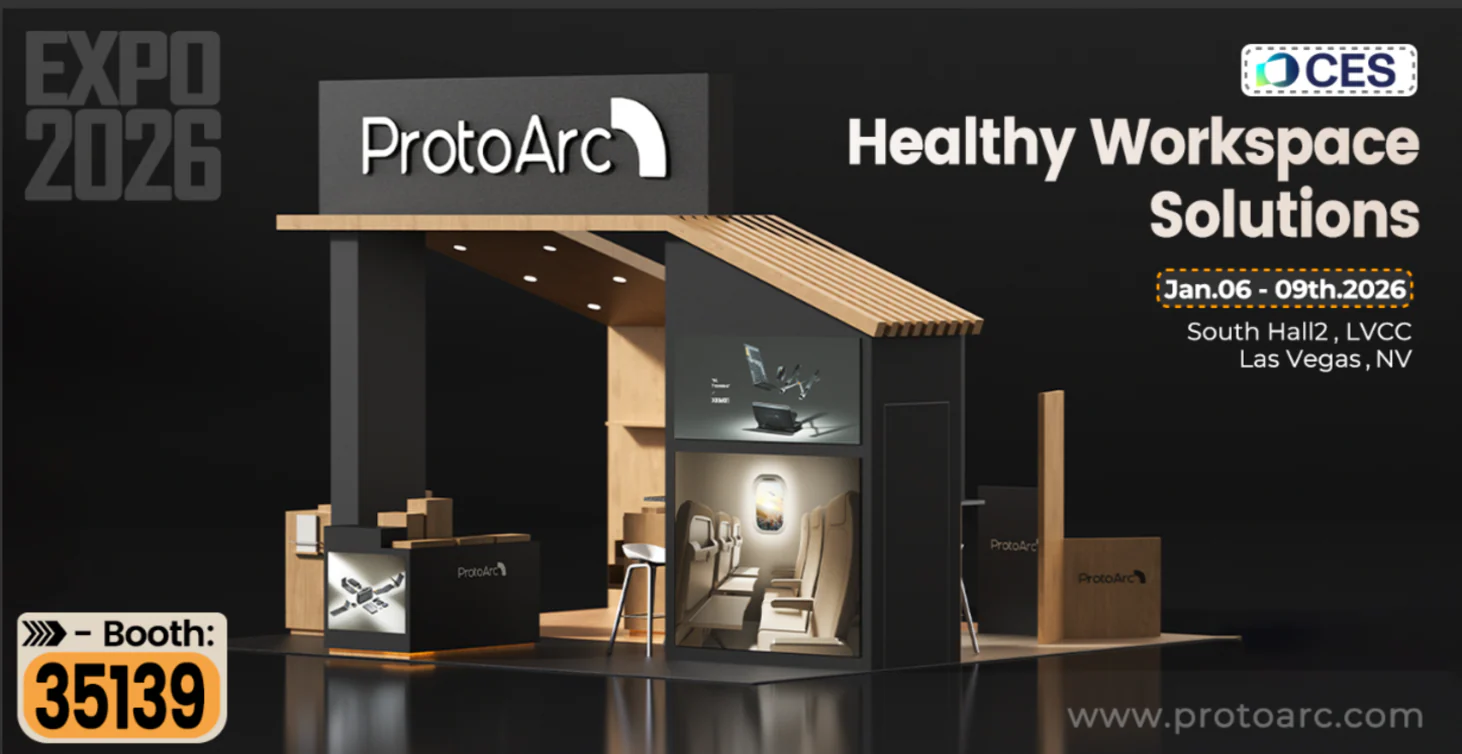
Grounding note: ProtoArc has publicly framed the lamp as part of a broader smart workspace concept with adaptive brightness tied to workspace activity, while currently published material leaves several core desk-lamp specifics unclear.
Explore the ProtoArc Smart Desk Lamp Gallery
Every image from this article, gathered in one clean place. Tap any photo to open it larger.