



BLUETTI Charger 2
Pros
- Up to 800W alternator charging is a real upgrade and makes a noticeable difference with larger power stations.
- Dedicated 600W solar input means solar and alternator can stay connected at the same time.
- The app experience adds real usefulness instead of just ticking a feature box.
- It feels more like a proper energy-management hub than a basic vehicle charger.
- The hardware design is compact, clear, and much more professional than improvised charging solutions.
- Stronger BLUETTI ecosystem integration makes the whole setup feel smarter over time.
Cons
- The 1,200W headline is conditional, not the everyday default in every install.
- The important D+ cable is sold separately.
- Some of the most attractive features are more compelling inside BLUETTI's own ecosystem than outside it.
- IP20 protection limits where we would feel comfortable mounting it.
- It is still a serious install, not a no-thinking casual accessory.
- It should not be mistaken for a true replacement for a dedicated emergency jump starter.
the jump to up to 800W alternator charging , the ability to keep solar and alternator connected at the same time , the app experience, the smarter energy management, and the fact that it genuinely reduces cable hassle in daily use.
the 1,200W headline needs context, the D+ cable matters more than many buyers will expect and is not included, reverse charging is most compelling inside BLUETTI's own ecosystem, and the IP20 rating means you need to be careful about where you mount it.
The BLUETTI Charger 2 is the kind of product that makes sense the moment you understand what problem it is really solving. This is not just a faster way to top up a power station from your vehicle. It is a much more thought-out bridge between your alternator, your solar input, and your portable battery system. After spending real time with it, that is exactly what stood out to us. The Charger 2 feels less like a basic charger and more like a proper mobile power hub.
That distinction matters, because it shapes the whole buying decision. If you spend real time on the road, run a larger power station, and want your system to behave more like an integrated setup than a pile of accessories and cables, the Charger 2 is easy to appreciate. If your needs are lighter, the same product can feel like overkill in a hurry.
Our verdict is simple: this is one of the smartest vehicle-charging products we have seen in this category, but it is not the right buy for everyone. The people who will love it are the ones who are already annoyed by the limits of ordinary car charging. The people who should skip it are the ones who only need occasional top-ups and do not want the complexity that comes with a more capable system.
What We Tested
With a product like this, we were not interested in treating a single wattage number as the whole story. That is not how people actually live with gear like this. What mattered to us was whether the Charger 2 made a real vehicle-power setup easier, cleaner, and more dependable.
So the focus was practical. We looked at the hardware design, the logic of the install, the real usefulness of the dual-input setup, the day-to-day experience of app control, and the places where excitement can turn into friction once the system is actually in use.
That is also why we kept coming back to one core question: does the Charger 2 really make road power simpler in practice, or does it just make it more advanced on paper? For the right setup, we think it does simplify things. But it earns that praise by being smarter, not by being simpler in the usual sense.
How We Tested It
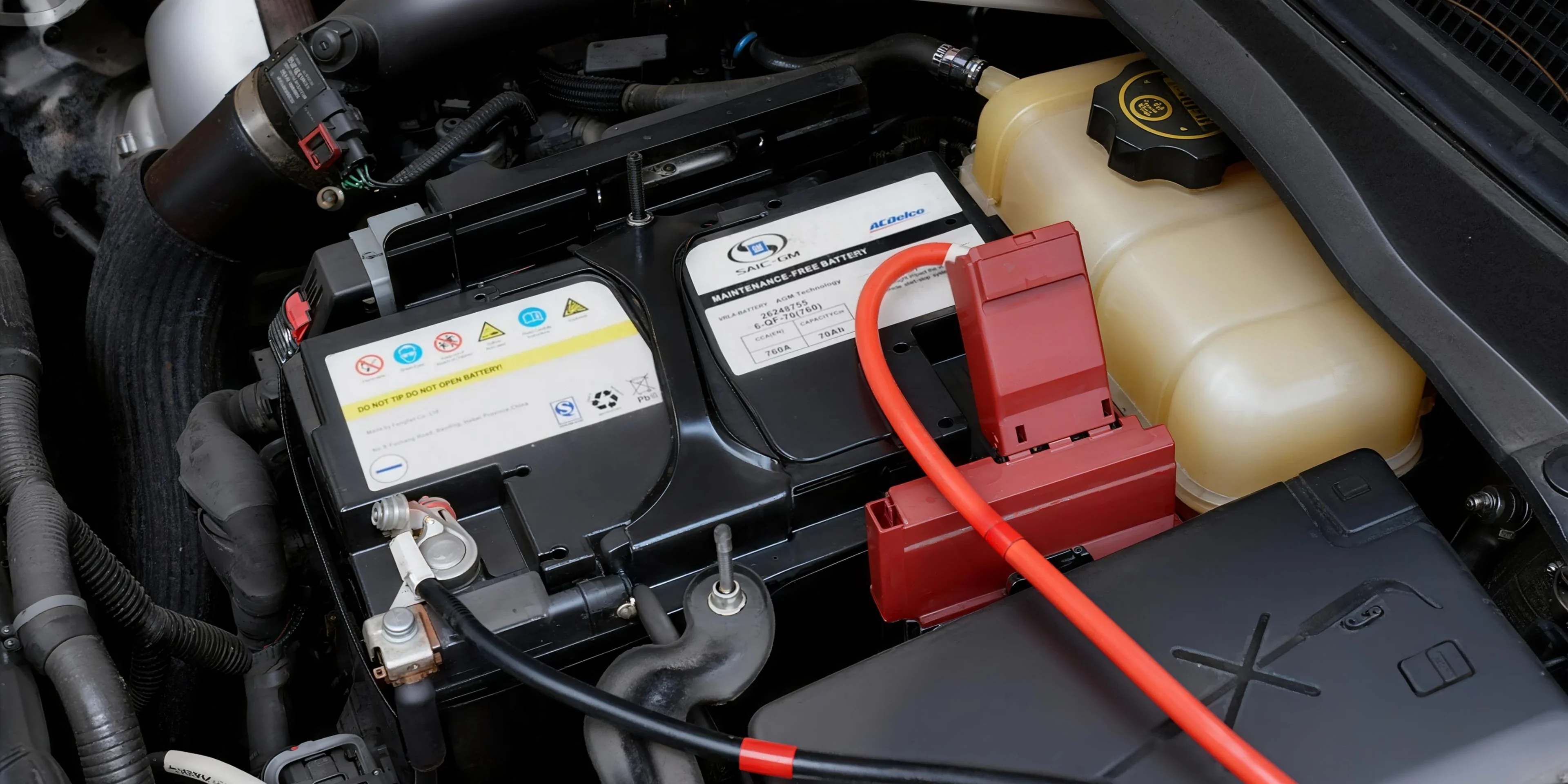
We approached the Charger 2 the way most real buyers will. Not as a lab curiosity, and not as a one-line spec-sheet winner, but as part of a broader vehicle-power setup where cable routing, alternator behavior, solar input, battery compatibility, and app control all matter at once.
That meant paying attention to the things buyers actually notice after the first impression wears off. How clean the install feels. How much the always-connected design changes daily use. Whether the app adds real value or just extra screens. Whether the feature list holds up once you stop admiring it and start depending on it.
And that is really where the Charger 2 starts to separate itself. It is not a product that wins because of flashy first-contact drama. It wins because a lot of small frustrations start disappearing once it is in the system.
Design and Build Quality
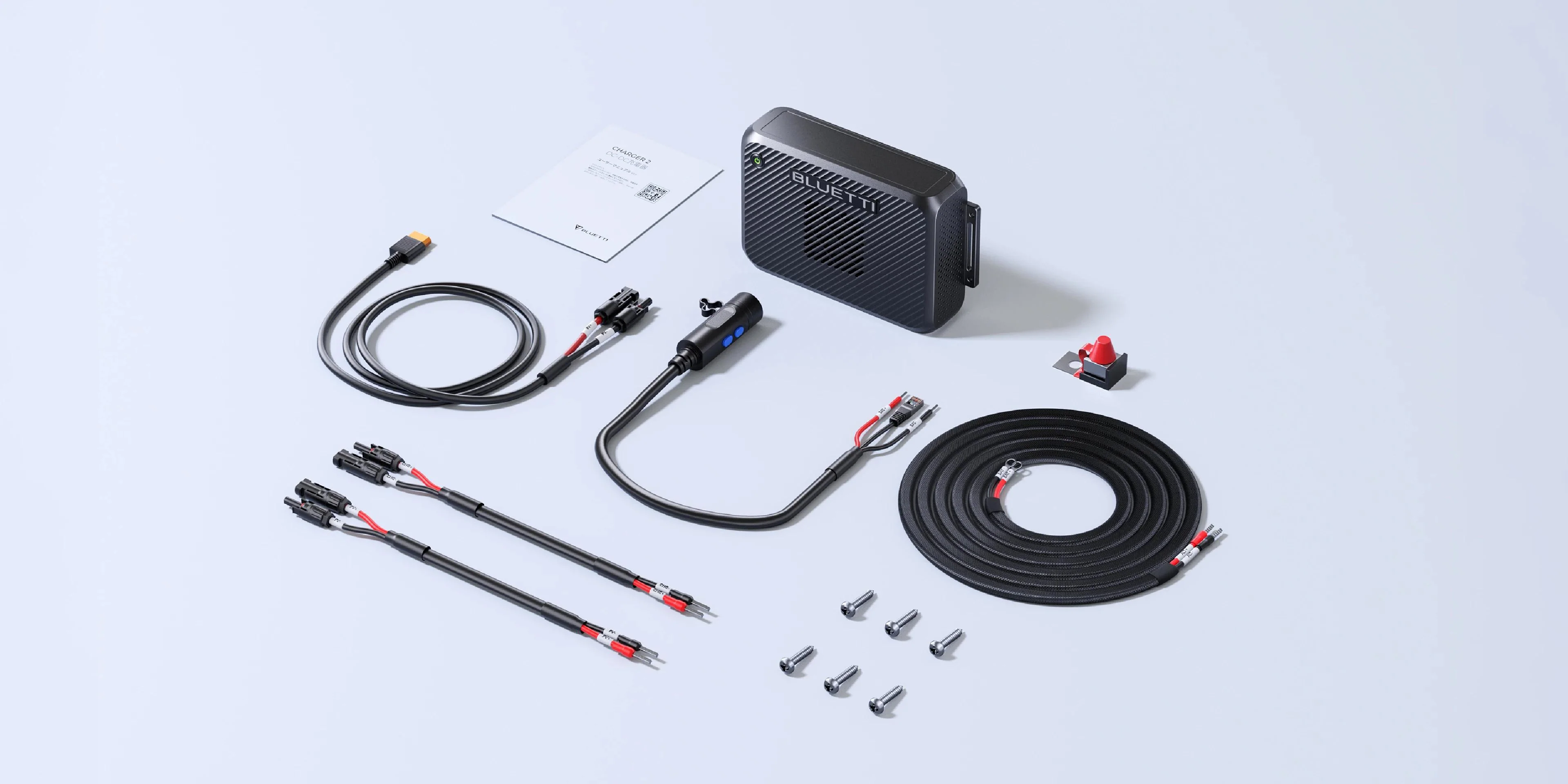
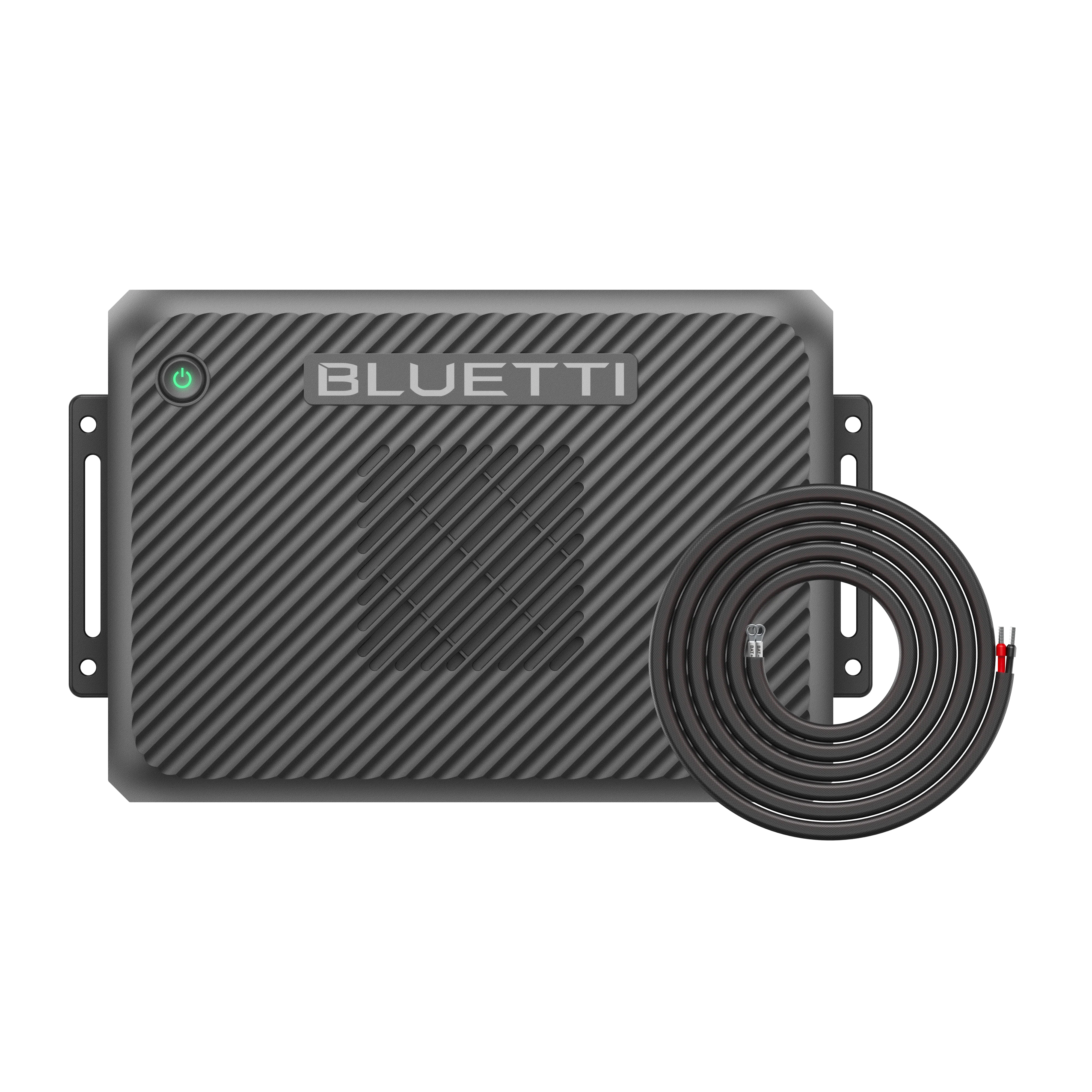
Physically, the Charger 2 makes a strong first impression. It looks like real power hardware, not like an improvised workaround dressed up with marketing. The housing is compact enough to be manageable, the labeling is clear, and the whole unit feels like it was designed by people who understand that vehicle installations get messy fast if the product itself is confusing.
The numbers help reinforce that impression. BLUETTI rates it at 265 × 169 × 69.7 mm, 1.59kg, with a 75A fuse, noise up to ≤50dB, and a 2-year warranty. That is serious hardware. It immediately tells you this is not a glorified 12V accessory pretending to be something more.
What we appreciated most here was the sense of order. The ports are clearly laid out, the connections are easy to understand, and the product does not fight you visually. That may sound minor, but on gear that is going into a vehicle and tying into a larger power system, clear design matters more than flashy design.
The weak point is not how the Charger 2 feels in the hand. It is where and how you can realistically mount it. The IP20 rating is the big caveat. In plain terms, this is not something we would want exposed carelessly to dust, moisture, or rough environmental abuse. So while the unit itself feels polished and well made, it still wants a protected mounting spot and a bit of forethought. That is not a flaw in isolation, but it is absolutely part of the ownership reality.
Setup and First Use
This is the point where the Charger 2 instantly filters its audience.
If you are the kind of buyer who likes the idea of a serious install, understands basic vehicle-power wiring, and is comfortable planning cable runs, the Charger 2 feels well considered. If you were hoping for the kind of experience where everything important happens after plugging in one cable and opening an app, this is not that product.
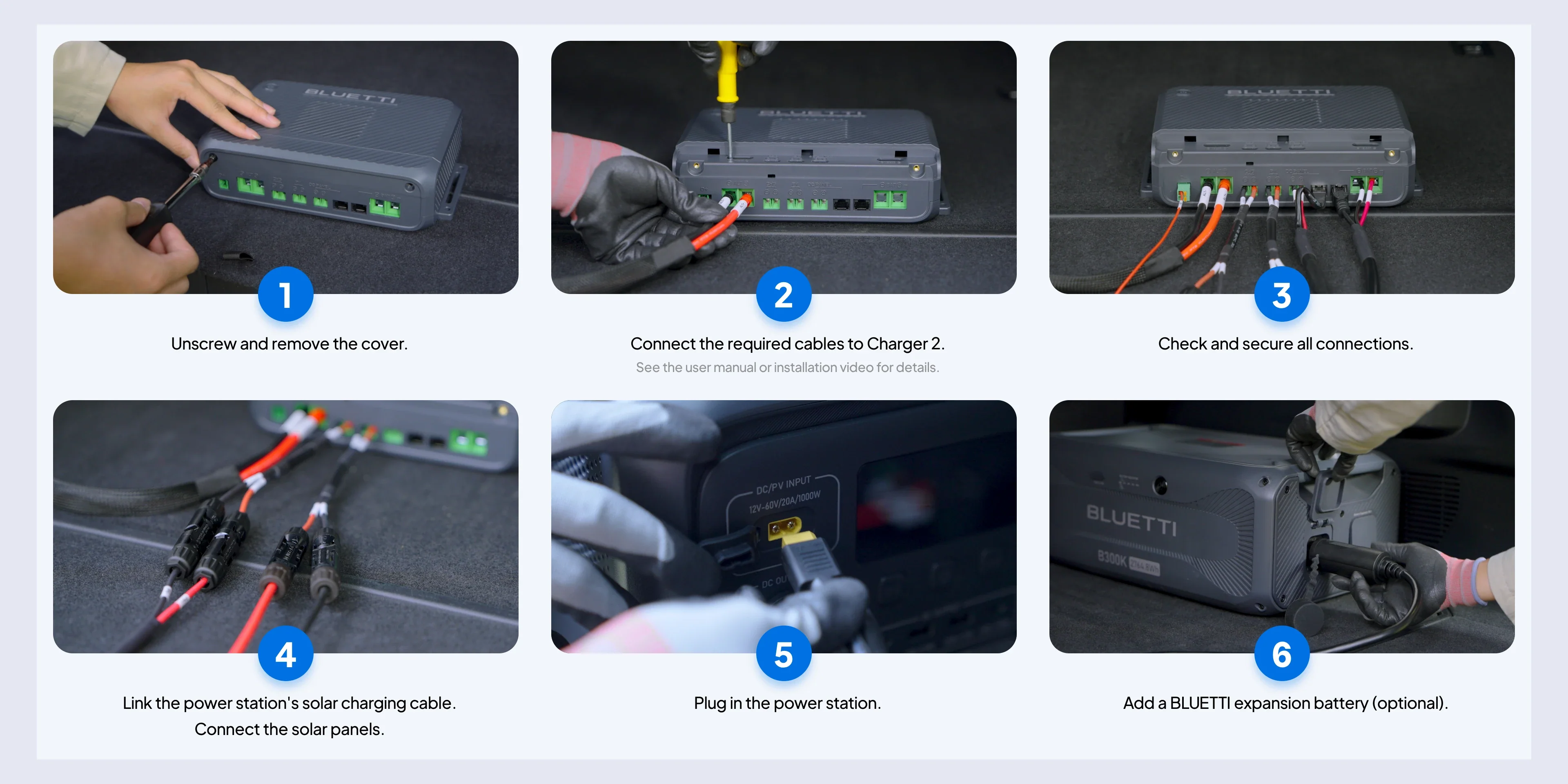
The actual connections are straightforward. The unit itself is not hard to understand. What takes time is the vehicle side of the equation: routing cable cleanly, planning the battery connection, thinking through fuse placement, and choosing a protected mounting location that makes sense long term.
That said, what stood out to us is that BLUETTI did a good job on the product-side usability. The hardware is not confusing. The layout is readable. If you are upgrading from an older BLUETTI setup, the transition story is also more appealing than expected because the Charger 2 is designed in a way that can reuse existing Charger 1 cabling in many cases.
The D+ cable situation is where the first real annoyance shows up. For many modern vehicles, especially those with smart alternators, this is not some obscure extra. It can be an important part of getting clean automatic behavior. And yet it is sold separately. That feels stingy on a premium product. It is exactly the kind of detail that can turn a smooth install into an annoying shopping detour.
So our first-use impression was broadly positive, but not friction-free. The Charger 2 feels thoughtfully designed. It just also assumes you are the kind of buyer who understands that “thoughtfully designed” and “effortless” are not the same thing.
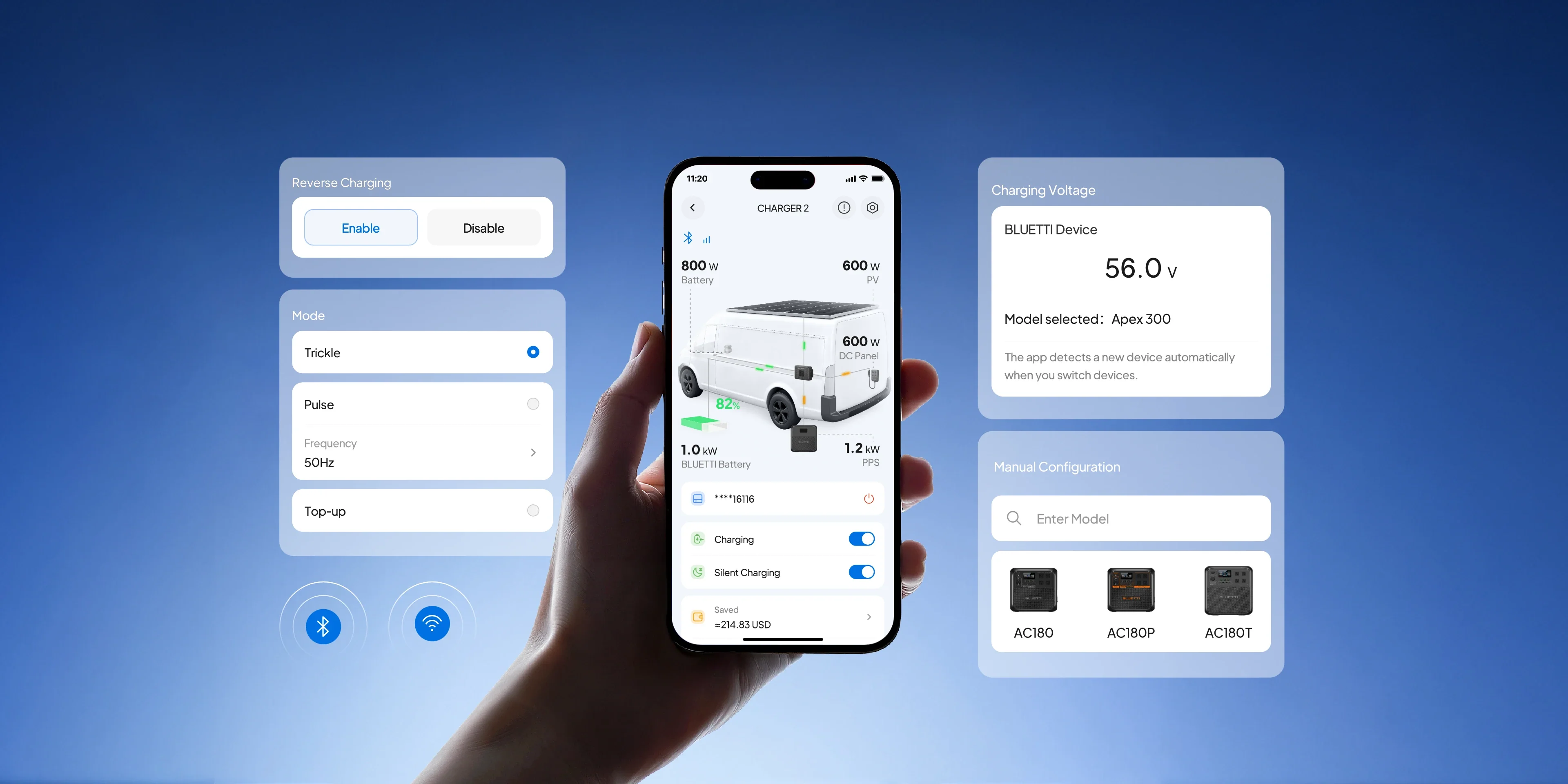
Real-World Performance
The headline performance story is not fake. That is the good news.
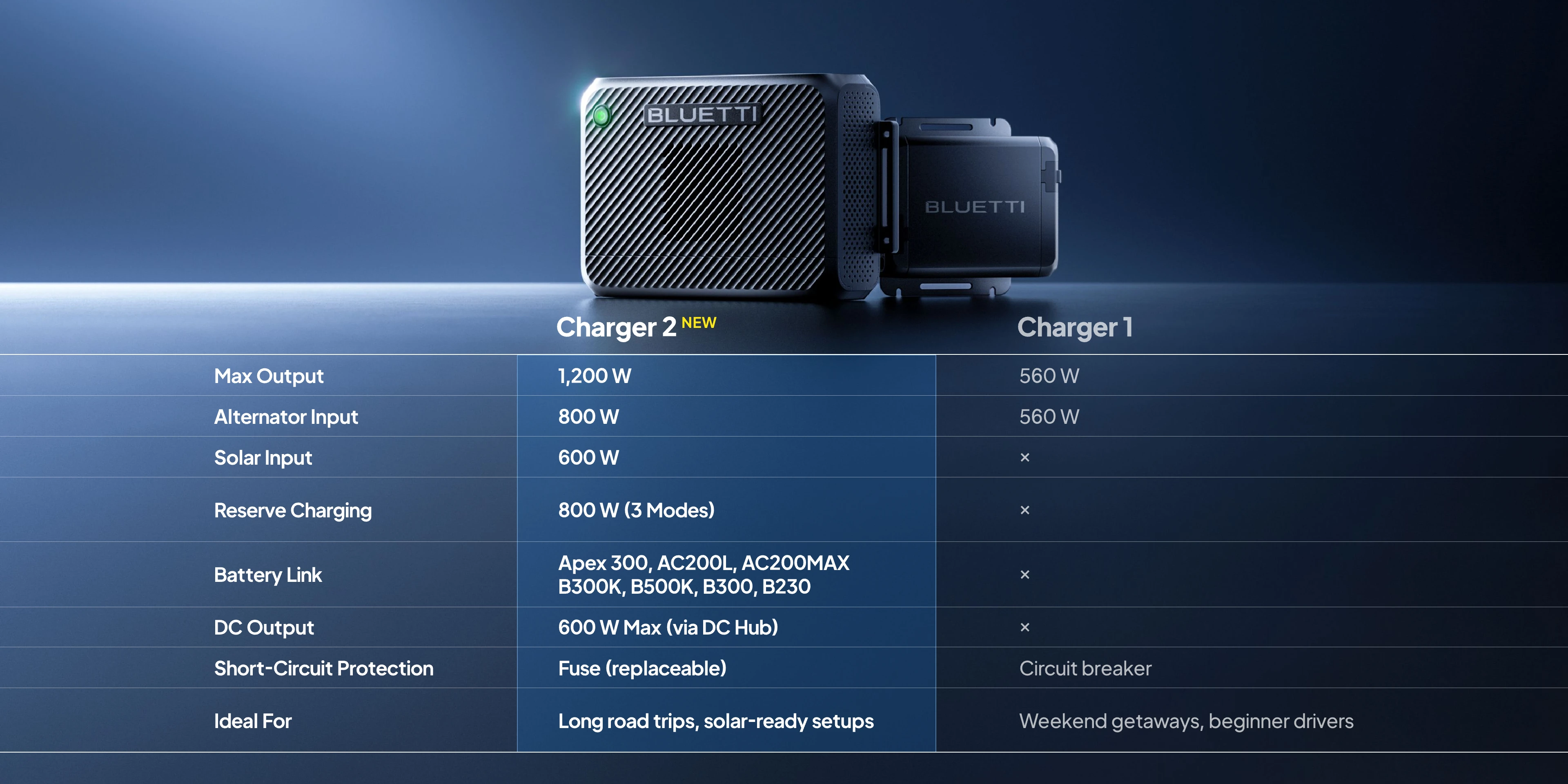
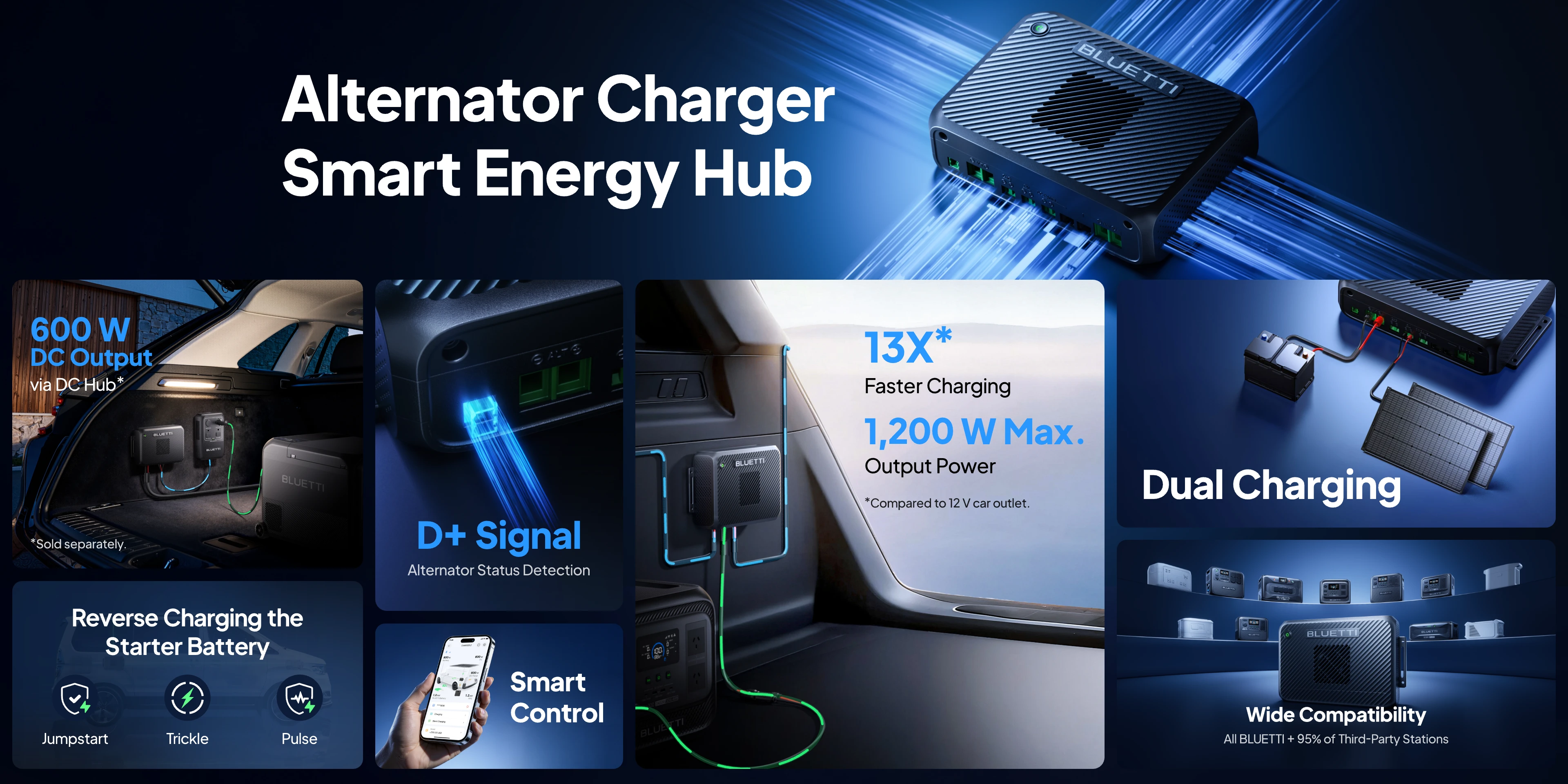
The Charger 2 supports up to 800W from the alternator, up to 600W from solar, and up to 1,200W total through the main charging output. That is a meaningful step up from the older generation and a genuinely useful one if you are charging a larger power station while driving.
In practice, that extra alternator input is where we think the product earns most of its appeal. If you are using a bigger portable battery, faster charging on the road is not just nice to have. It changes the way the whole setup feels. You stop treating charging as something that barely keeps up and start treating it as a real replenishment method.
At the same time, this is where buyers need to stay grounded. The 1,200W figure is real, but it is not the default everyday experience for every vehicle and every setup. You only reach that ceiling when the conditions line up properly: enough alternator headroom, enough solar input, and a connected power station that can actually accept the power. That is why we would never recommend buying this product purely because the big number looks exciting.
What mattered more to us was the consistency of the idea. And that idea is strong: the Charger 2 lets you keep the system connected, manage multiple energy sources more intelligently, and extract more useful charging performance from time you are already spending on the road.
That is a much better story than just saying “it charges fast.”

Dual-Input Charging and Why It Actually Matters
This is probably the most important thing about the Charger 2, and it is also the part that sounds less exciting than it feels in daily use.
Older setups often force you into a clumsy routine. You are charging from the alternator or charging from solar. You are swapping cables. You are thinking about what is connected and what is not. You are remembering to change things instead of letting the system behave like a system.
The Charger 2 fixes that in a way that feels immediately more mature. You can leave alternator and solar connected at the same time, and the unit manages the inputs automatically, prioritizing solar first. That is not just a technical feature. It changes the experience from “managing a charger” to “living with a power setup.”
And that is exactly why we think the Charger 2 is so compelling for vanlife, RV, and overlanding use. It removes mental friction. It reduces the sense that your power setup is a collection of separate chores. Once you live with that, it is hard to see it as a small upgrade.
If we had to point to the single thing that makes this product feel forward-looking, it would be this. Not the wattage. Not the app. The fact that it behaves like a more integrated energy hub.
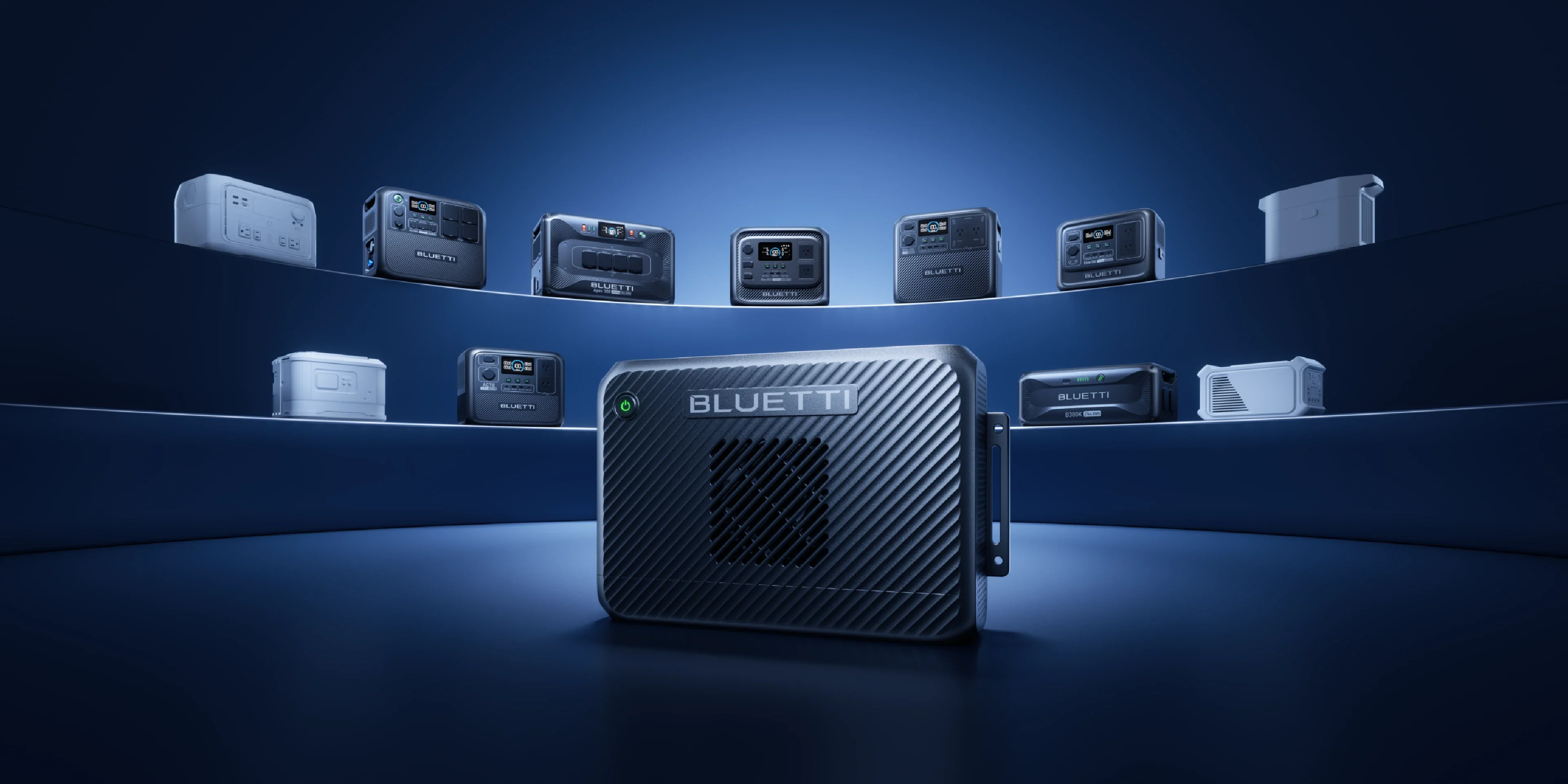
App Control and Everyday Convenience
We have seen plenty of products where app support exists mostly so the packaging can mention app support. That is not the case here.
The BLUETTI app adds real value because visibility matters once your setup gets more capable. When you are juggling alternator input, solar input, power-station charging, and broader system behavior, being able to monitor energy flow and system status cleanly is not a gimmick. It is useful.
The Charger 2 supports control and monitoring over Bluetooth and Wi-Fi, and that makes the whole experience feel more polished than basic DC charging gear. We liked that it gives the system a sense of transparency. You are not left guessing what it is doing. You can actually see how energy is moving.
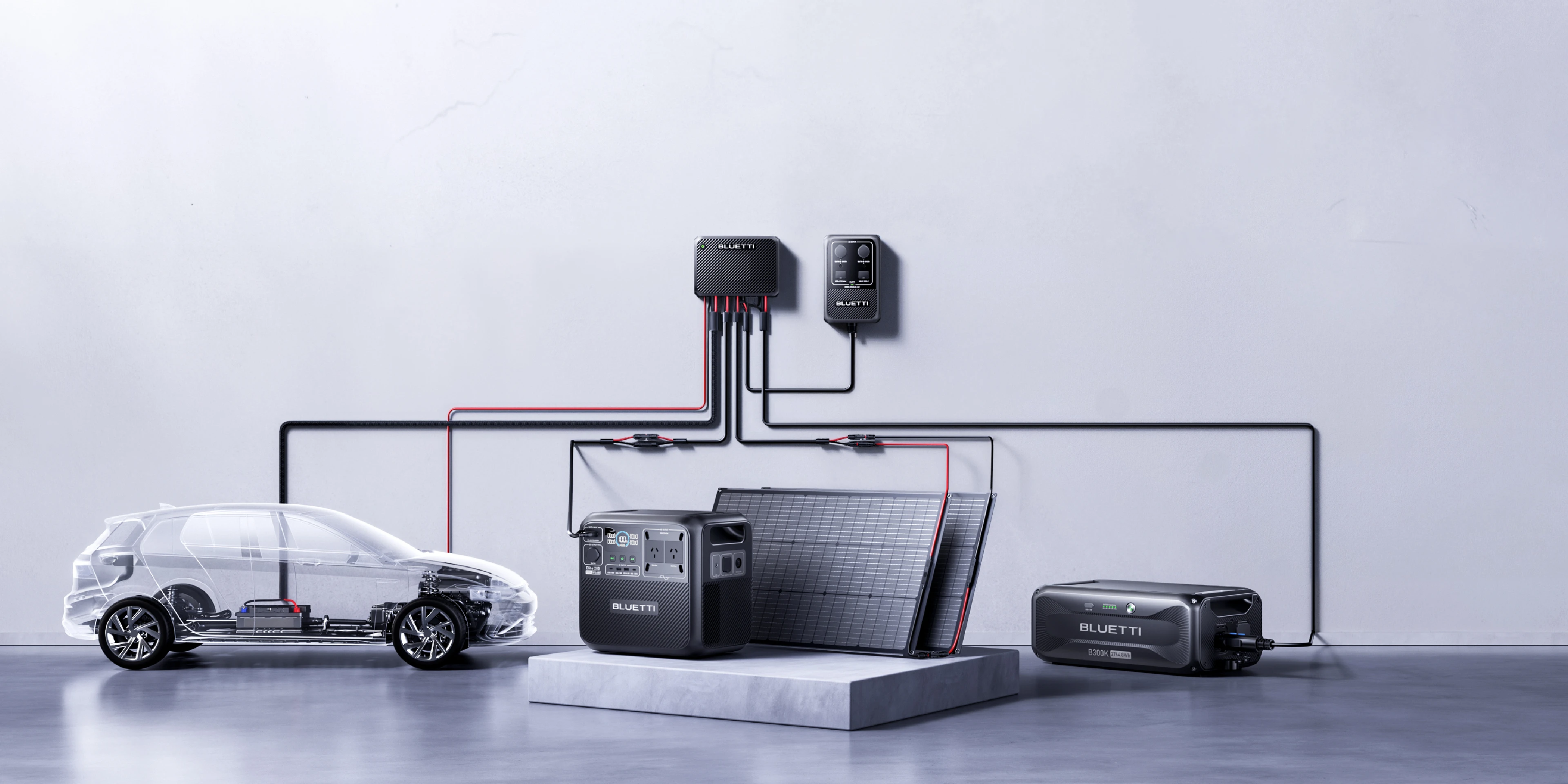
That becomes even more important once you start treating the Charger 2 as part of a larger BLUETTI ecosystem. This is clearly where the product feels most complete. Basic charging compatibility is broad, but the richer, smarter experience is very obviously happiest inside BLUETTI’s own world.
That is not unusual, and it is not necessarily a criticism. But buyers should understand it clearly. If you are all-in on BLUETTI or planning to be, the Charger 2 feels more polished. If you are mixing brands, it can still be useful, but some of its most attractive behavior will feel less central.

Use-Case Performance
For serious road users, the value is easy to see.
If your setup includes a fridge, lights, camera gear, laptops, communication equipment, or a large portable power station that needs meaningful replenishment while driving, the Charger 2 makes sense almost immediately. It helps the system keep up with real use instead of just recovering slowly after the fact.
We also think it is especially strong for buyers who are tired of messy systems. That was one of the most convincing things about living with it conceptually and practically: it reduces the sense of improvisation. Less cable swapping, less second-guessing, cleaner monitoring, better source management. All of that adds up.
Where it becomes harder to justify is with smaller power stations or lighter usage patterns. If your trips are short, your energy demands are modest, and your current charging routine is not causing real frustration, the Charger 2 can start to feel like buying a premium solution before you have a premium problem.
That does not make it a bad buy. It just means the buyer fit matters a lot here. This is not the kind of product we would recommend just because it is impressive.
Flaws and Frustrations
The biggest risk with the Charger 2 is not poor performance. It is misaligned expectations.
The first trap is the 1,200W number. It is accurate, but some buyers will inevitably read it as a constant everyday outcome instead of a system ceiling. That is how disappointment starts. The Charger 2 is powerful, but it is still shaped by the realities of the vehicle, the battery, the solar input, and the connected power station.
The second issue is ecosystem dependence. Basic charging works broadly, which is good. But some of the more interesting features, especially reverse charging and deeper expansion possibilities, make the most sense with BLUETTI gear. That is fine if you already live in that ecosystem. It matters more if you assumed the whole experience would feel equally complete with every mixed-brand setup.
The third frustration is the D+ cable not being included. We keep coming back to this because it is exactly the sort of thing that feels small in marketing copy and annoying in real ownership. On a premium product aimed at serious users, it should have been in the box.
The fourth is the IP20 rating. Again, not a dealbreaker, but definitely a real-world limitation. You need to think about mounting conditions more carefully than some buyers probably will at first glance.
And finally, while BLUETTI mentions jump-start-style battery support, we would not treat this as a replacement for a dedicated emergency jump starter. It can help recover a drained battery in the right setup, but that is not the same thing as carrying a proper high-surge jump pack. We would not want buyers confusing those two jobs.
Value for Money
The Charger 2 makes the strongest financial case when it is doing multiple jobs for you at once.
If you already own or plan to own a larger portable power station, want meaningful alternator charging, want solar integrated cleanly, and care about a smarter road-power system overall, the value is strong. In that context, the Charger 2 does not feel like an overpriced charger. It feels like a cleaner system brain.
That is the lens we think buyers should use. Not “is this more expensive than a simpler charger?” Of course it is. The better question is whether it removes enough friction, adds enough capability, and improves enough daily use to justify being more than a simple charger.
For the right person, yes. Absolutely.
For the buyer who just wants modest in-car charging with as little thought as possible, the answer is a lot shakier. There are cheaper ways to get part of the benefit. What you are paying for here is the full concept: higher alternator performance, always-connected solar, smarter control, broader system thinking.
If you do not need that concept, you probably do not need this product.
Who Should Buy It
Buy the BLUETTI Charger 2 if your vehicle-power setup is something you actually depend on.
That means van owners, RV users, overlanders, frequent road trippers, mobile workers, and anyone using a larger portable power station who is tired of weak charging, cable juggling, or a setup that always feels one step too improvised. If you are already building around BLUETTI gear, the case gets even stronger because the Charger 2 clearly feels most complete there.
We would also recommend it to buyers who value systems more than gadgets. If what you want is not just “more watts” but a cleaner, smarter, better-managed energy setup on the road, this product lands well.
Who Should Skip It
Skip it if your needs are modest.
If you camp occasionally, use a smaller power station, do not want to route cables through a vehicle, or mainly just want a slightly better way to charge from the car now and then, this is probably more product than you need. It will still look impressive. It may still work well. But that is not the same as being the right purchase.
We would also tell dustier or wetter install environments to think carefully before buying, and we would tell anyone looking for a true emergency jump-start solution to buy a proper jump starter instead of expecting this to cover that job.
Final Verdict
The BLUETTI Charger 2 gets the big idea right.
What we liked most is that it does not just chase a bigger number. It addresses real friction in real mobile power setups. Faster alternator charging matters. Keeping solar and alternator connected at the same time matters. Better app visibility matters. Having a product that behaves like a smarter system hub instead of a one-trick charger matters.
That is why the Charger 2 feels like a genuine step forward rather than a routine yearly refresh.
But it is only a great buy when the rest of your setup is ready for it. This is not the universal answer for every casual user with a portable power station in the trunk. It is a smarter, more ambitious piece of hardware for people whose road-power needs are already serious enough to justify it.
For that audience, our take is strong: the BLUETTI Charger 2 is one of the most convincing upgrades in this category right now. It is not the simplest option, and it is not the cheapest. But for the buyer who wants their mobile power setup to feel truly thought through, it is one of the best ideas on the market.
FAQ
Does the BLUETTI Charger 2 really charge at 1,200W?
Yes, but that is the system maximum, not the guaranteed everyday charging rate. The alternator input is rated up to 800W, solar up to 600W, and the total ceiling is 1,200W under the right conditions.
Can it work with non-BLUETTI power stations?
Yes, basic charging compatibility is broad. But the deeper value of the product feels strongest inside BLUETTI’s own ecosystem, especially once you care about expansion and smarter two-way behavior.
Can it charge from solar while parked?
Yes. That is one of its best real-world features. You can leave solar connected, and the Charger 2 is designed to manage that input automatically without turning the whole setup into a manual cable routine.
Is installation easy?
The product itself is easy enough to understand. The real difficulty is the vehicle installation: routing cable, planning fuse placement, choosing a proper mounting location, and handling smart-alternator details like the D+ cable where needed.
Does it replace a jump starter?
No, not in the way most people mean it. It can support battery recovery, but we would not rely on it as a substitute for a proper dedicated jump starter.
Is it worth upgrading from Charger 1?
For serious users, yes. The stronger alternator charging, dedicated solar input, and cleaner always-connected design make the Charger 2 a much more complete product.
What are the biggest things buyers overlook?
Usually three things: the 1,200W figure is conditional, the D+ cable may matter more than expected, and the IP20 protection rating means you need to think carefully about mounting location.
Is it worth buying in 2026?
Yes, for the right setup. If your road-power needs are real and your system is big enough to justify smarter charging and cleaner integration, the Charger 2 feels like one of the strongest products in the category.
Explore the BLUETTI Charger 2 Gallery
Every image from this article, gathered in one clean place. Tap any photo to open it larger.