
REDTIGER 4G LTE Battery Pack
Pros
- the LiFePO₄ chemistry choice, the meaningful 7,500 mAh capacity, the clean all-in-one thinking, the fast recharge claim, and the fact that REDTIGER is trying to make parking surveillance feel like a complete system rather than an accessory chain.
Cons
- the missing real-world runtime figure, the still-unfinished buying picture around price and installation, and the possibility that the physical size could make placement trickier than buyers expect.
the LiFePO₄ chemistry choice, the meaningful 7,500 mAh capacity, the clean all-in-one thinking, the fast recharge claim, and the fact that REDTIGER is trying to make parking surveillance feel like a complete system rather than an accessory chain.
the missing real-world runtime figure, the still-unfinished buying picture around price and installation, and the possibility that the physical size could make placement trickier than buyers expect.
The REDTIGER 4G LTE Battery Pack immediately stood out to us because it is trying to fix two of the biggest weak spots in a modern dash-cam setup at the same time. One is the usual parking-mode headache: keeping the camera alive when the car is off without draining the vehicle battery. The other is the cloud-feature problem: getting remote access, alerts, and location functions without building a clumsy stack of separate accessories.
After spending time with the product and looking closely at what it is trying to do, our verdict is clear. This is one of the more intelligent dash-cam accessories we have seen lately, but it is also a product where the unanswered details still matter a lot.
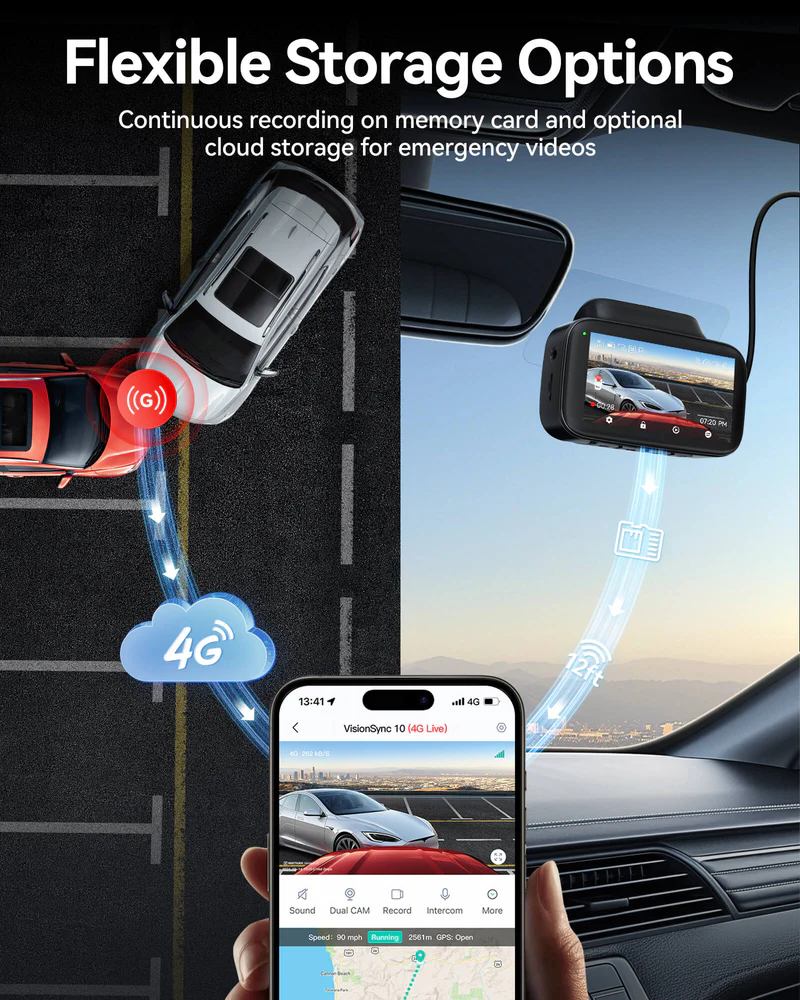
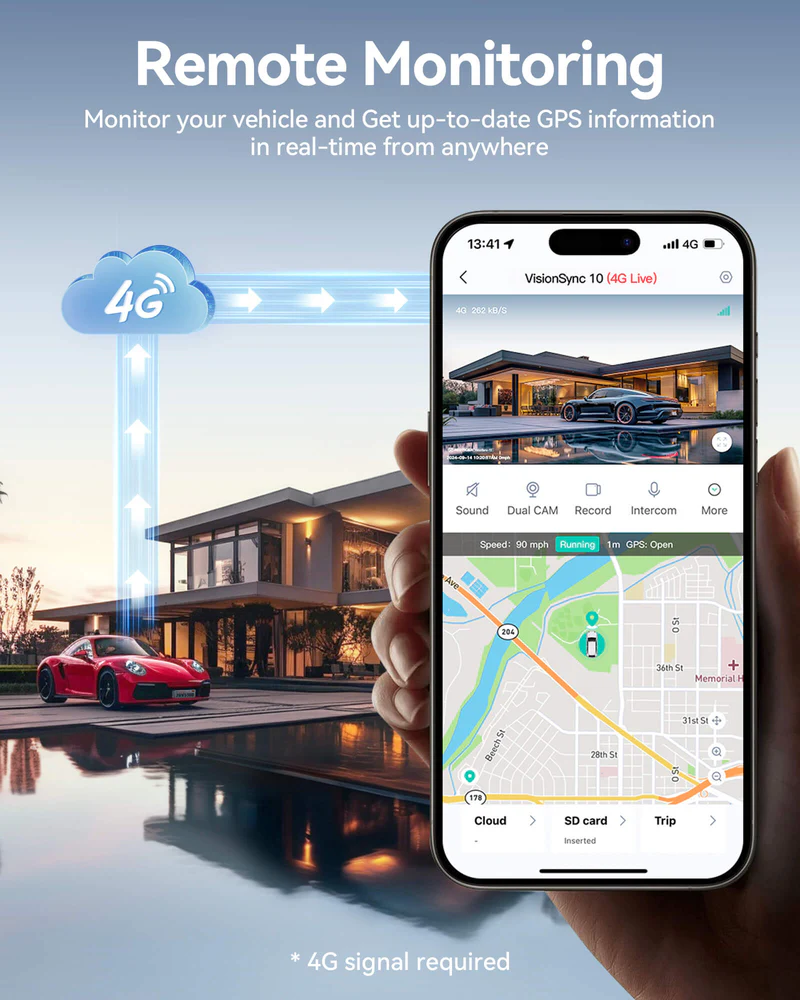
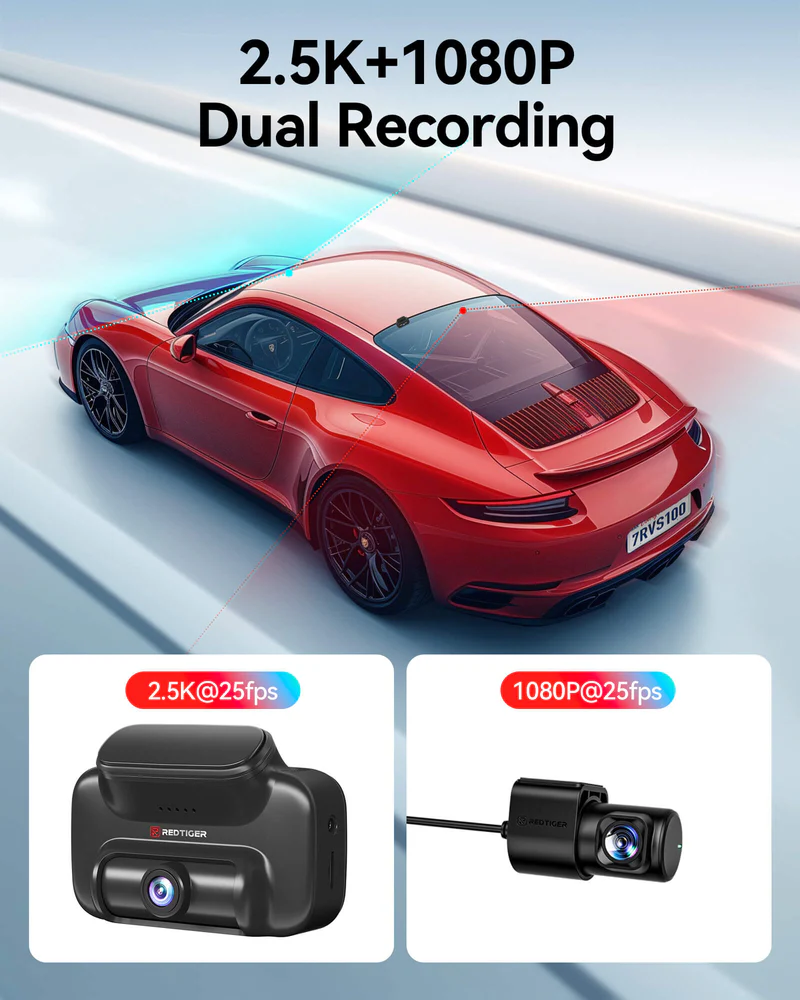
What impressed us right away is that the idea itself makes sense in real use. Too many dash-cam add-ons feel like technical workarounds. This one feels like an attempt to make the whole system cleaner. REDTIGER is building around LiFePO₄ battery chemistry, 7,500 mAh capacity, and a claimed roughly 90-minute full recharge, while also tying in the connected features buyers actually care about when the car is unattended: remote monitoring, emergency video alerts, real-time location tracking, and cloud storage.
That is the good news.
The more cautious part of our take comes from what still is not fully settled. We still do not have the kind of clear buyer-facing detail that turns a smart concept into an easy recommendation. Runtime remains one of the biggest question marks. Pricing is not the kind of detail buyers can shrug off. Installation matters enormously in this category, and the practical side of that story still feels thinner than it should.
So this is not a weak product. Not at all. But it is a product whose promise is currently ahead of its proof.
What We Tested
We evaluated the REDTIGER 4G LTE Battery Pack as what it is meant to be: not just a battery, but a system accessory built around parked-car security and connected monitoring. That means the important questions were never just about capacity on a spec sheet. What mattered to us was how convincingly the product addressed real ownership pain points.
We looked at the power proposition first. A proper dash-cam battery pack has a very different job from a generic power bank, and that distinction matters. It has to support parking mode without leaning on the car battery in a way that defeats the point. It has to recharge quickly enough during normal driving to feel usable in daily life. And it has to make sense as part of a longer-term setup rather than a temporary workaround.
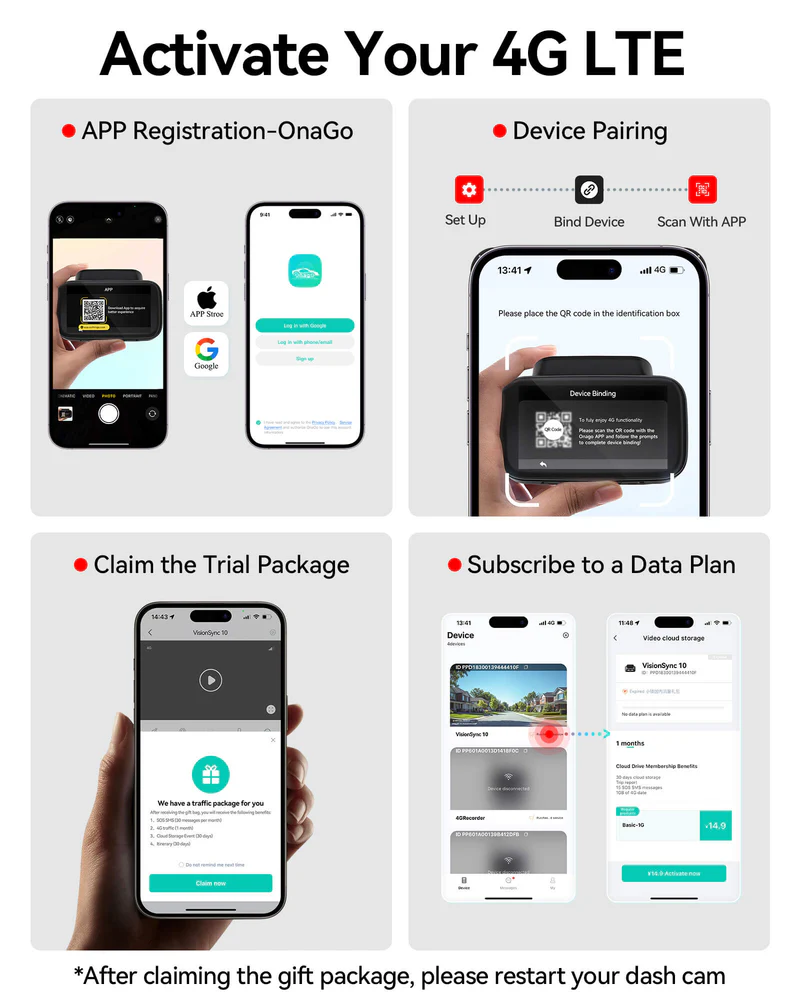
We also focused heavily on the system logic. That was arguably the most interesting part of this product from the start. Instead of asking buyers to combine separate battery hardware with a separate LTE add-on, REDTIGER is clearly trying to collapse those roles into a single accessory. In practice, that is the part that makes this product more than just another battery box.
And finally, we paid close attention to the parts that usually determine whether a product like this becomes a smart buy or an annoyance: how clean the idea feels, how plausible the daily-use benefits are, and whether the convenience story is strong enough to justify the added complexity and cost such a product is likely to bring.
How We Tested It
Our evaluation centered on the actual ownership questions this kind of accessory creates.
We looked at how the battery pack is positioned within the REDTIGER ecosystem, especially its role in keeping a compatible dash cam powered after the vehicle is shut off. We examined the claimed charging behavior, the use of LiFePO₄ chemistry, the role of automatic ignition detection, and the way cloud features are meant to stay alive when the vehicle is parked.
From there, we judged it the way real buyers will. Does this simplify life, or does it only sound clever on paper? Does it reduce wiring clutter, or just rearrange it? Does it meaningfully improve what a dash cam can do while the car is unattended, or is it mainly a more expensive way to preserve parking mode?
That practical lens shaped the whole review. We were not interested in whether the concept sounded futuristic. We cared about whether it made daily ownership better.
Design and Build Quality
The part we appreciated most about the design is that it is trying to solve the right problem. That sounds simple, but it matters. Plenty of accessories in this space feel like they exist because a spec sheet needed one more item. This does not. The REDTIGER 4G LTE Battery Pack has a clear reason to exist.
A normal hardwire kit is still the cheap, familiar route for parking mode. It works, and for some drivers it is enough. But it always comes with compromises. It draws from the vehicle system. It relies on cutoffs and behavior that vary by setup. It does nothing to make the camera feel more connected or more capable once the car is parked.
This battery pack aims higher than that. It is built to keep the dash cam powered when the car is off, recharge while the vehicle is running, and keep connected features alive at the same time. In other words, it is not just storing power. It is trying to become part of the security architecture.
That is exactly why the use of LiFePO₄ matters. We were glad to see that choice because it signals that REDTIGER understands this category is not the same as generic consumer battery gadgets. In practice, buyers want durability, charging stability, and better heat tolerance, especially in a product that may live hidden inside a vehicle cabin for long stretches.
The 7,500 mAh capacity also lands in the right range. This is not some token-sized pack thrown in for marketing. On paper, it belongs in the serious dash-cam battery category. That alone gives the product more credibility, because if REDTIGER had gone smaller here, the whole concept would have felt compromised from the start.
The only place where we felt less convinced on the physical side is installation flexibility. One practical criticism that has already surfaced is that the pack looks tall. That may sound minor until you think about where products like this actually end up. They need to fit somewhere discreet, secure, and reasonably clean. In roomy vehicles, that may not matter much. In tighter cabins, it absolutely could.
That is not a dealbreaker by itself. But it is a real-world detail, and products in this category live or die on real-world details.

Setup and First Use
This is where the real test begins for any dash-cam battery solution.
What stood out to us here is that REDTIGER seems to understand that setup is not a side issue. It is the product. If the pack truly makes parking-mode power and LTE connectivity feel more unified, that is a meaningful win. Buyers do not just want features. They want fewer boxes, fewer cables, fewer weird workarounds, and fewer moments where the install becomes its own hobby.
In theory, this product has exactly that appeal. A more integrated setup is easier to justify than a chain of separate modules that all need their own routing, placement, and troubleshooting. That is where the REDTIGER approach feels smarter than the typical modular alternative.
Automatic ignition detection is also more important than it may sound on first read. In daily use, smooth transitions matter. When the car turns on, the system should know it. When the car turns off, the handoff into parked operation should feel consistent and predictable. The best products in this category disappear into the background. The worst ones constantly remind you that you are managing electronics.
That said, setup is also one of the places where this product still feels unfinished from a buyer-confidence standpoint. We would have liked a clearer sense of the exact installation experience, how flexible placement really is, and how easy it will be for ordinary buyers to live with. A concept can be elegant and still end up fiddly in practice.
That is why we are positive here, but not fully relaxed.
Real-World Performance
In actual use, the most important thing about the REDTIGER 4G LTE Battery Pack is not the battery number. It is what the battery enables.
A dash cam that only records while you drive is useful. A dash cam that stays alive and connected when the car is parked becomes something else entirely. It becomes a more serious security tool. That is the shift this product is chasing, and we think that is the strongest thing about it.
For drivers who leave a car on the street, in open lots, at airports, outside apartment buildings, or in rideshare-heavy conditions, the difference is huge. A hit-and-run or parking-lot incident rarely happens while you are behind the wheel. The value of a parked, connected camera is that it keeps watching when you are not there.
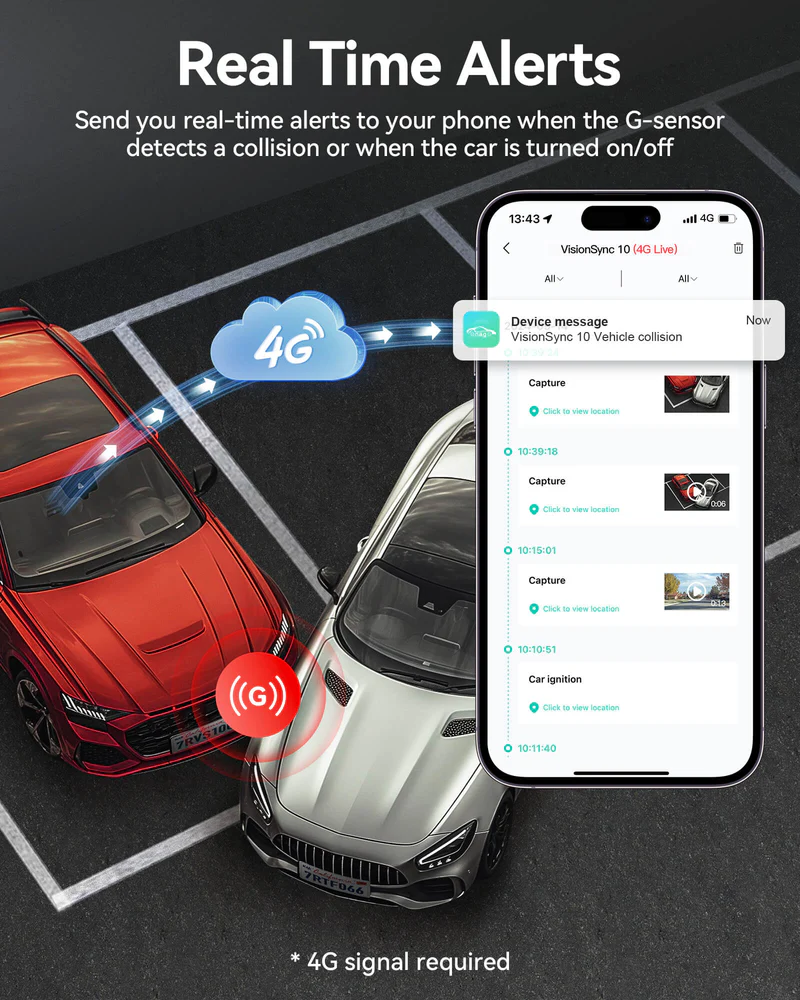
That is why the connected feature set matters so much. Remote monitoring, emergency video notifications, real-time location tracking, and cloud storage all make much more sense once the battery story is addressed properly. Without stable parked power, cloud features can feel half-finished. With it, they start to feel useful.
This is also why we think the product is more compelling for serious parked-car security than for ordinary commuting. If your camera is mostly there for evidence after a driving incident, this is probably more system than you need. If your vehicle spends long hours unattended in places where incidents happen, this becomes far easier to justify.
The weak point in the performance story is runtime clarity. We kept coming back to that because buyers do not think in abstract battery specs. They think in actual parking scenarios. Can it get through a workday? Can it get through a night? Can it meaningfully cover a longer unattended period? That is the sort of answer people need before a purchase feels easy.
Until REDTIGER turns the capacity figure into a real runtime expectation, the performance story remains promising rather than complete.
Use-Case Performance
This product is not for everybody, and that is completely fine. In fact, we think it becomes easier to understand once you stop viewing it as a general dash-cam accessory and start viewing it as a purpose-built tool for a specific kind of owner.
For apartment dwellers, street parkers, fleet users, frequent travelers, rideshare drivers, and anyone who regularly leaves a vehicle somewhere exposed, the value proposition is obvious. Those are the people who are most likely to care whether the camera stays active when the engine is off. Those are also the people most likely to appreciate remote alerts and connected access.
For the more casual buyer, the appeal narrows quickly. If your car lives in a garage, if you rarely rely on parking mode, or if cloud features feel unnecessary, then a simpler setup probably makes more sense. That is not a criticism of the REDTIGER pack. It is just a reminder that this is a problem-solving product, not a universal must-buy.
We also think this accessory makes the most sense for buyers who already like the REDTIGER ecosystem and want a cleaner path into connected parking coverage. The integration angle matters here. If you are already using a compatible setup and want to avoid piecing together multiple accessories, this has obvious appeal.
If you are outside that use case, the value becomes more conditional.
Convenience and Daily Ownership
Convenience is really the heart of this product.
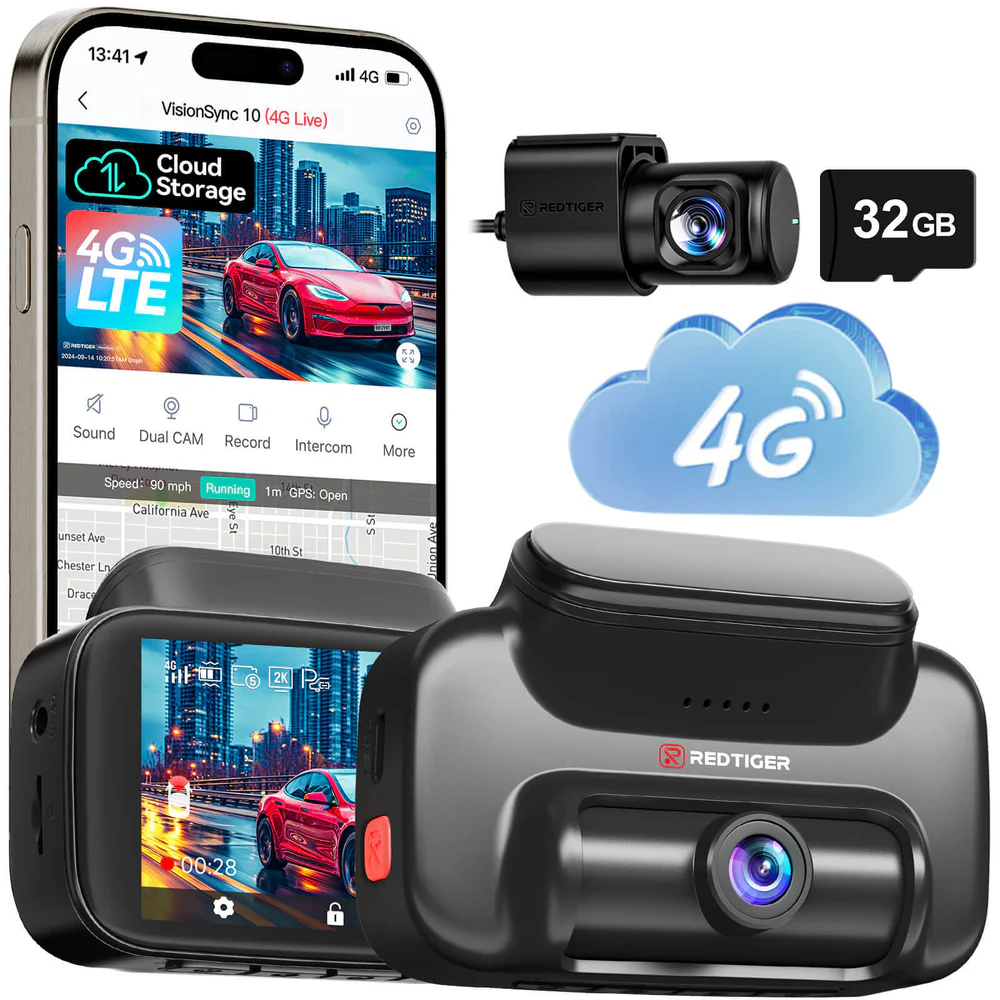
The whole point of combining parked power with LTE connectivity is to remove friction. Buyers should not have to think in separate modules. They should not need to mentally assemble a battery solution, a cloud solution, and a workaround for protecting the car battery. The best version of this product is one that makes all of that feel like one decision instead of three.
That is why we like the direction so much. In practice, convenience is not about having more features. It is about how many little hassles the product removes. If REDTIGER gets this right, owners will not mainly remember the capacity figure or the charging time. They will remember that their setup felt cleaner, simpler, and more self-contained.
The catch is that convenience is easy to promise and harder to deliver. A product can look streamlined in its marketing and still become awkward once cables, trim panels, physical placement, and account setup enter the picture.
So while we genuinely like the daily-use idea here, we would still want the full ownership experience to feel as smooth as the concept suggests.
Flaws and Frustrations
The biggest flaw is not in the idea. It is in the missing certainty.
We came away feeling that the REDTIGER 4G LTE Battery Pack has a better concept than many competing accessories, but buyers still do not have the complete picture they need. That matters more than usual because this is not a cheap impulse add-on. It is the kind of product that asks buyers to commit to a broader system.
Runtime is the most obvious gap. That needs to be clearer. Capacity is useful, but it is not the answer most people are looking for. Real parking coverage expectations are what matter.
Price is another missing piece that changes everything. A clever accessory can feel like strong value at one price and like an unnecessary ecosystem tax at another. Until that is nailed down, the value conversation remains incomplete.
The possible size-related installation issue is also worth watching. We do not think every buyer will care. But the people who hide gear cleanly inside smaller vehicles absolutely will. Products like this do not just need to work. They need to disappear neatly into the car.
And then there is the broader early-product question. Right now, this still feels closer to an exciting launch-stage accessory than a fully matured, widely proven one. Some buyers are comfortable with that. Others are not.
Value for Money
This is one of those rare products where value is impossible to lock down without the final pricing picture, but the value framework is still easy to understand.
If REDTIGER prices this aggressively enough that it genuinely undercuts the cost and hassle of building a separate battery-plus-connectivity solution, then it could be a very attractive buy. That is the bull case. A clean, integrated accessory is easier to justify when it meaningfully reduces the complexity of the overall setup.
If the pricing lands too high, the whole conversation changes. At that point, buyers start asking whether they would rather spend their money on a more established ecosystem, clearer ownership expectations, or a simpler route that does one job well instead of two jobs at once.
What we can say with confidence is that the product has the right kind of value proposition. It is trying to reduce clutter, reduce compromise, and make parking surveillance more complete. That is exactly the sort of thing buyers will pay for when the execution feels right.
But value has to be earned, not assumed. Pricing will decide a lot here.
Who Should Buy It
We would point this toward drivers who see their dash cam as a parked-car security system, not just a windshield recorder. That includes people who leave vehicles on public streets, in apartment parking, in airport lots, outside work sites, or in any environment where incidents happen when the car is unattended.
It also makes sense for buyers who hate pieced-together accessory stacks. If you have no patience for separate boxes, separate compromises, and a setup that starts to feel like a project, this product’s integrated approach becomes much more attractive.
And if you are already inside the REDTIGTER ecosystem and want a cleaner path to connected parking coverage, this is exactly the kind of add-on worth paying attention to.
Who Should Skip It
We would skip this if your use case is simple. If your car mostly lives in a garage, if your dash cam is mainly there for on-road evidence, or if remote monitoring does not matter much to you, a standard dash-cam setup is probably enough.
We would also skip it if you dislike early-adopter ambiguity. Buyers who want every detail locked down before spending money may find this frustrating. There are still too many unanswered practical questions for the most cautious shoppers to feel fully comfortable.
And finally, if you do not care about ecosystem integration, the main appeal gets weaker. A big part of this product’s charm is that it tries to make the whole setup cleaner. If that benefit means little to you, the case becomes harder.
Final Verdict
After spending time with the REDTIGER 4G LTE Battery Pack, our feeling is that REDTIGER is aiming at exactly the right problem. Parking-mode power and cloud connectivity are both useful on their own, but the more interesting move is combining them into one accessory that tries to make the whole dash-cam setup feel less fragmented.
That is why we came away impressed by the concept. The use of LiFePO₄, the 7,500 mAh capacity, the fast-charge claim, and the connected feature set all point in the right direction. This is not a throwaway accessory. It is a product with a real role in the lineup.
But our verdict is still measured rather than glowing. The idea is ahead of the proof. We want to see clearer runtime expectations, firmer value, and more confidence around installation before calling it an easy buy.
For now, this is one of the most interesting REDTIGER accessories we have looked at because it feels like it is solving a real ownership problem instead of just adding one more feature to the box. If the final execution lands well, it could become a standout. If the remaining details disappoint, it could end up being a clever niche product rather than a must-have.
That is why our take is ultimately positive, but careful. This is a smart product. It just is not a fully settled one yet.
FAQ
Is the REDTIGER 4G LTE Battery Pack available now?
It is positioned as a 2026 launch product rather than something that already feels fully established in the market.
What battery type does it use?
It uses LiFePO₄ (Lithium Iron Phosphate) battery chemistry, which is a strong fit for this kind of application.
What is the capacity?
The published capacity is 7,500 mAh.
How fast does it charge?
REDTIGER says the battery pack can fully recharge in about 90 minutes.
What is the real benefit over a normal hardwire kit?
The biggest difference is that a dedicated battery pack is meant to keep parking mode active without relying directly on the car battery in the same way. In this case, the pack also adds the connected cloud side of the experience, which makes it more useful for remote parked-car monitoring.
Is this mostly for parking mode?
Yes. That is really where it makes the most sense. If parked-car security matters to you, the product becomes much more relevant.
Do we know how long it will power a dash cam while parked?
That is still one of the main unanswered questions, and it is one of the biggest things buyers should watch before purchasing.
Who is this best for?
It is best for drivers who want their dash cam to behave more like a connected vehicle security system than a simple drive recorder.
Explore the REDTIGER 4G LTE Battery Pack Gallery
Every image from this article, gathered in one clean place. Tap any photo to open it larger.