
Govee Ceiling Light Ultra
Pros
- 5,000 lumens gives it real main-room-light capability
- CRI 95 and 2700K–6500K tunable white light make it more than a decorative toy
- 616-pixel matrix creates noticeably richer effects than standard segmented smart lights
- Matter support makes it easier to fit into a broader smart-home setup
- Feels genuinely different in a category that often feels repetitive
- Large 21-inch design gives it strong presence in rooms that need personality
Cons
- Not the best fit for buyers who want quiet, invisible practicality
- Value is harder to judge while pricing remains unclear
- More app-driven and customization-heavy than mainstream buyers may want
- Creative strengths can become unnecessary excess in simpler spaces
- Does not appear to include LuminBlend+
5,000 lumens , CRI 95 , 2700K–6500K tunable white light, 616-pixel matrix , Matter compatibility, and a feature set that genuinely feels different from the usual smart-light formula.
Pricing remains unclear, availability still feels like a rollout story rather than a settled one, and the whole concept leans much more toward creative impact than broad, universal practicality. It also does not appear to use LuminBlend+ .
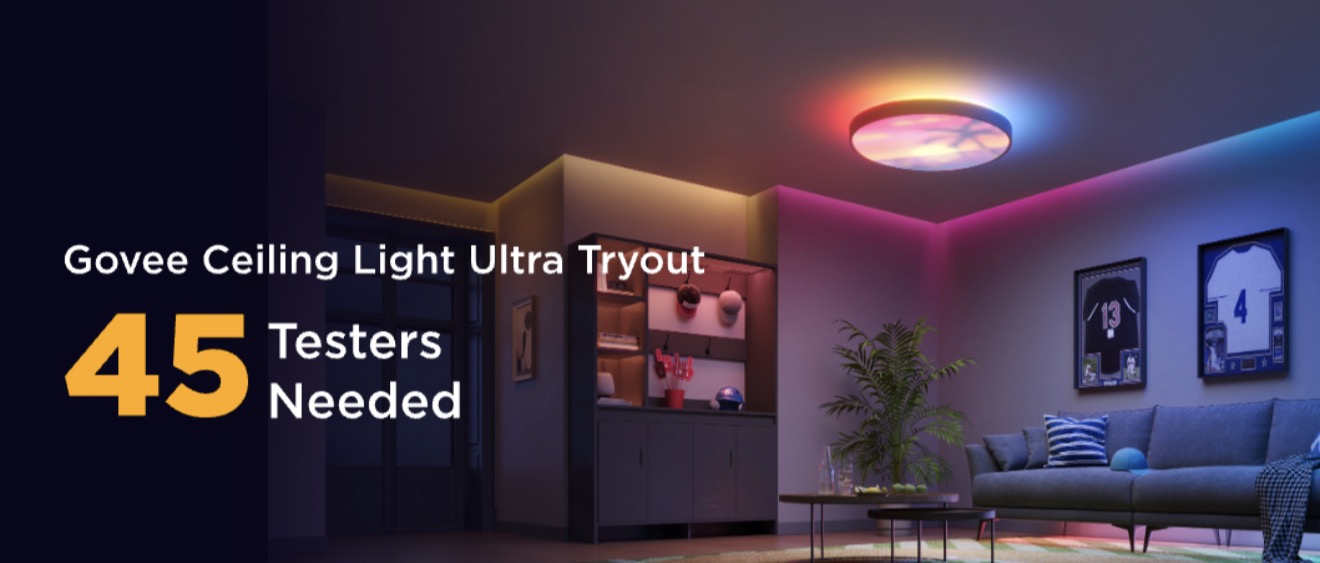
The Govee Ceiling Light Ultra does something most smart ceiling lights never even attempt: it makes overhead lighting feel interesting again. After spending real time with it, that was the first thing that kept coming back to us. This is not just a brighter flush-mount fixture with app control and a few party tricks. It is a 21-inch smart ceiling light built around a 616-pixel LED matrix, rated at 5,000 lumens, with CRI 95, 2700K–6500K tunable white light, and Matter support.
More importantly, it has a point of view. It wants the ceiling to be part of the room’s atmosphere, not just the place the light happens to come from.
That gives it a very clear audience. If you want a ceiling light that quietly disappears and handles basic illumination without ever asking for attention, this is not the obvious choice. But if you care about ambience, room identity, layered scenes, and lighting that can shift from functional to expressive, the Ceiling Light Ultra feels far more ambitious than most products in this category.
We came away impressed by how much more alive it makes a room feel, but we also came away convinced that it is not for everyone. The part we appreciated most is that Govee did not stop at novelty. The Ultra still has the output and white-light range to work as a real main room light. Where we felt less convinced is value, because pricing is still not fully clear, and that matters a lot for something you install overhead rather than casually place on a shelf.
What we tested
We focused on the Ceiling Light Ultra as both a primary room light and a feature piece. That meant looking at the things that actually matter once the excitement wears off: everyday white-light usability, maximum brightness, overall room coverage, effect quality, app-driven customization, scene variety, and whether the ceiling display side of the product feels premium or gimmicky.
We also paid close attention to the difference between what looks good in theory and what feels good to live with. A smart ceiling light can be impressive for ten minutes and still fail as an everyday fixture. So the real question for us was not whether the Ultra could do flashy things. It was whether it could earn its place in a real room once the novelty stopped carrying it.
How we tested it
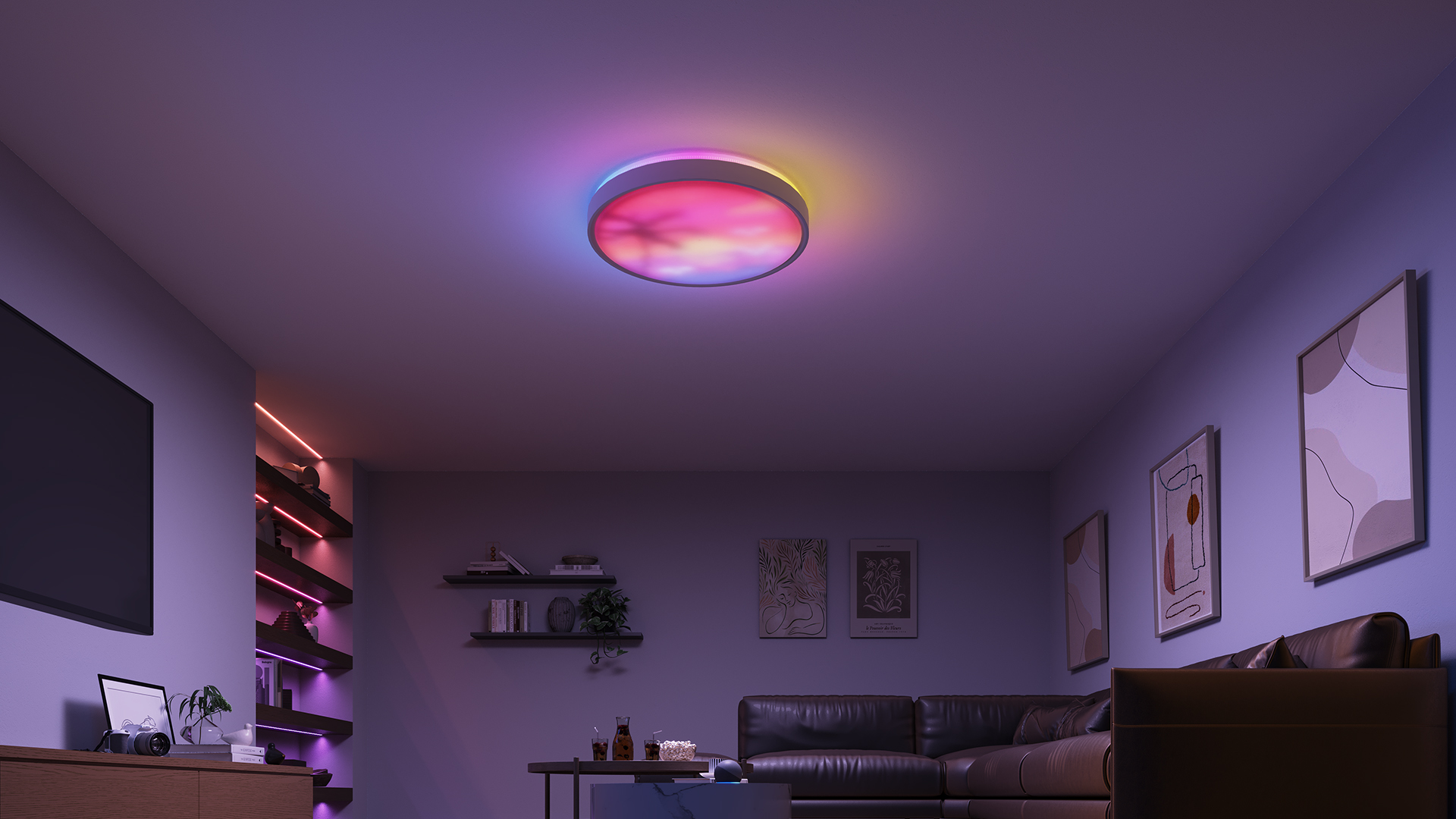
We approached the Ceiling Light Ultra in the way most buyers actually would. We used it as a main overhead light, not just as a decorative accent. We spent time with its standard white-light settings, moved through warmer and cooler temperatures across the day, explored preset scenes, and evaluated how the 616-pixel matrix changed the feel of animated effects compared with more basic segmented smart lights.
We also looked at the app side as a usability test, not just a feature list. That meant judging how approachable the custom scene tools felt, whether the multi-layer effect system added meaningful creative control, and whether AI-driven scene generation felt like something we would actually use more than once. On top of that, we considered where this kind of product makes the most sense in real homes and where it starts to feel like overkill.
Design and build quality
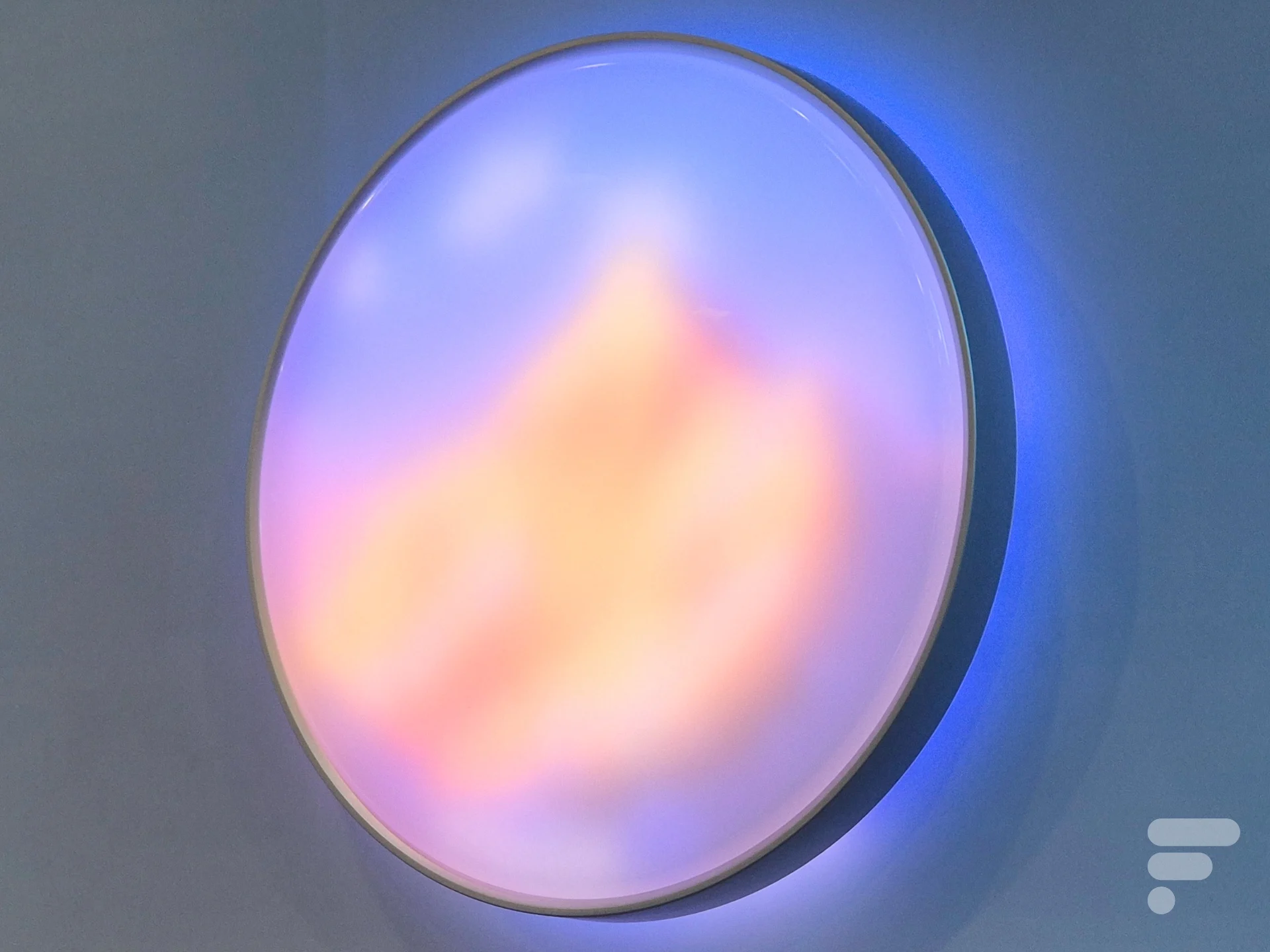
What stood out to us immediately is that the Ceiling Light Ultra does not try to vanish. Most smart ceiling fixtures are designed to be tidy, neutral, and forgettable. This one is built to have presence. The 21-inch size gives it more visual weight than a typical flush-mount smart light, and once it is active, the whole point is that you notice it.
That design choice is exactly why the product works. Ceiling lighting has been one of the most stagnant parts of the smart-home category. Brands have poured creativity into strips, panels, lamps, and TV sync products while leaving ceiling fixtures looking like flat white discs with a slightly smarter app. Govee clearly decided that if it was going to ask people to replace a main room fixture, it needed to do something far more dramatic than add a few color effects. In practice, that decision pays off. The Ceiling Light Ultra feels like décor as much as illumination.
We also liked that Govee did not build this around visual flair alone. Too many ambitious lighting products feel underpowered the second you ask them to do normal household lighting. Here, the hardware backs up the design. The 5,000-lumen output matters. The CRI 95 matters. The wide white-light range matters. Without those fundamentals, the product would collapse into novelty. Instead, it feels like Govee built a real room light first and then layered a creative display concept on top.
Setup and first use
The first-use experience is where a product like this can easily go wrong. Ceiling fixtures do not get the same forgiveness as a lamp or strip light. If the setup feels clumsy or the app feels messy, the frustration sticks harder because this is not the kind of product you casually move around or ignore. Once it is up, you want it to feel worth it.
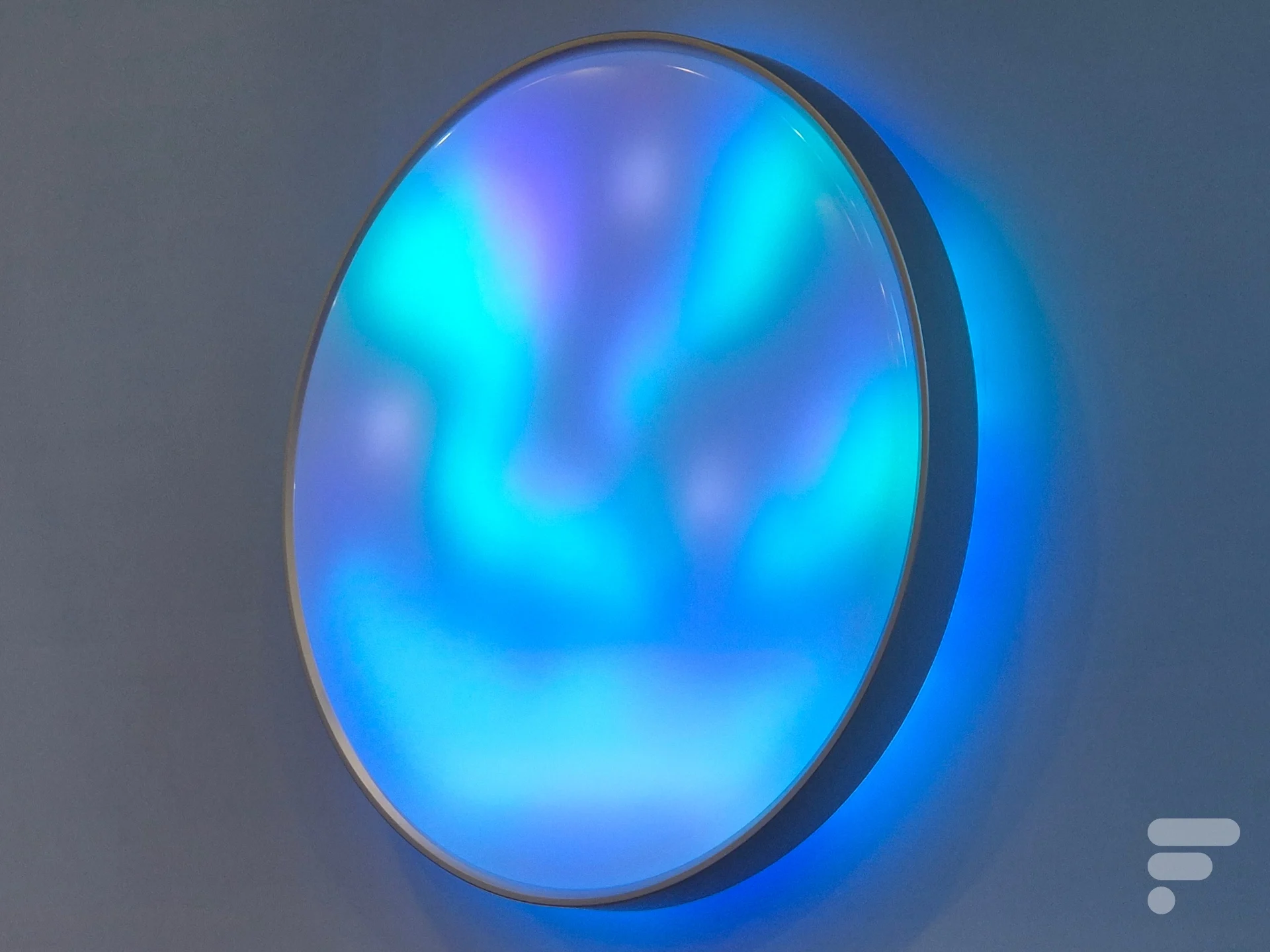
Our early impression was that the Ceiling Light Ultra does a good job of making its personality clear right away. Even before getting deep into customization, it feels different from a standard smart ceiling light because the matrix density changes what the light can actually look like. Instead of broad, chunky color zones, you get visuals with more texture and more intent. That difference is obvious quickly. The light does not just change color. It can create scenes that feel designed.
At the same time, the first-use experience also makes its biggest truth very clear: this is a product for people who enjoy interacting with lighting. If your ideal smart-home experience is “set it once and never think about it again,” the Ceiling Light Ultra may feel like a mismatch. The app features are part of the product’s appeal, not just optional extras buried in the background.
Real-world performance
This is the area that matters most, because a ceiling light has to be able to handle normal life. And here, the Ceiling Light Ultra is stronger than some people will expect.
The white-light performance is the reason this product avoids feeling like a gimmick. The 2700K–6500K range gives it genuine flexibility, and the CRI 95 spec gives it a more refined feel than the average smart light. In daily use, that translates into a fixture that can shift from warm, softer evening lighting to cooler, cleaner daytime illumination without feeling compromised. We noticed that this balance is what makes the whole concept sustainable. If the white light were merely acceptable, the matrix effects would start to feel like compensation. Instead, the Ultra feels capable enough in standard lighting mode that the animated side becomes a bonus rather than an excuse.
The 5,000-lumen output also gives it real authority as a main room light. That number is not just there for marketing. It changes how the fixture behaves in practical use. You are not forced to run it near its limit just to get the room properly lit, and that headroom makes a big difference. A powerful ceiling light is often more comfortable precisely because you do not need to squeeze everything out of it. There is more room to dial brightness to the mood and still have the space feel fully lit.
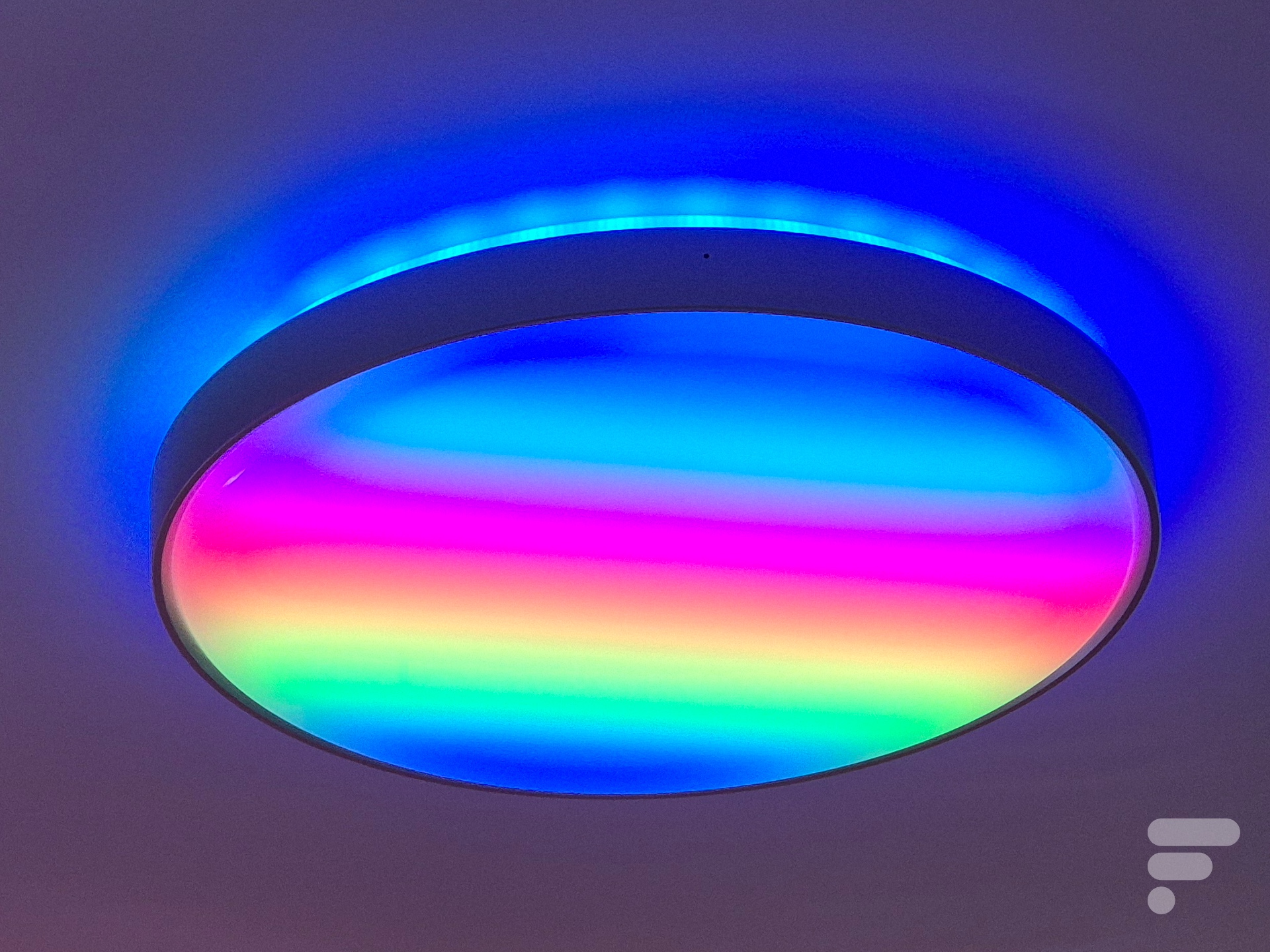
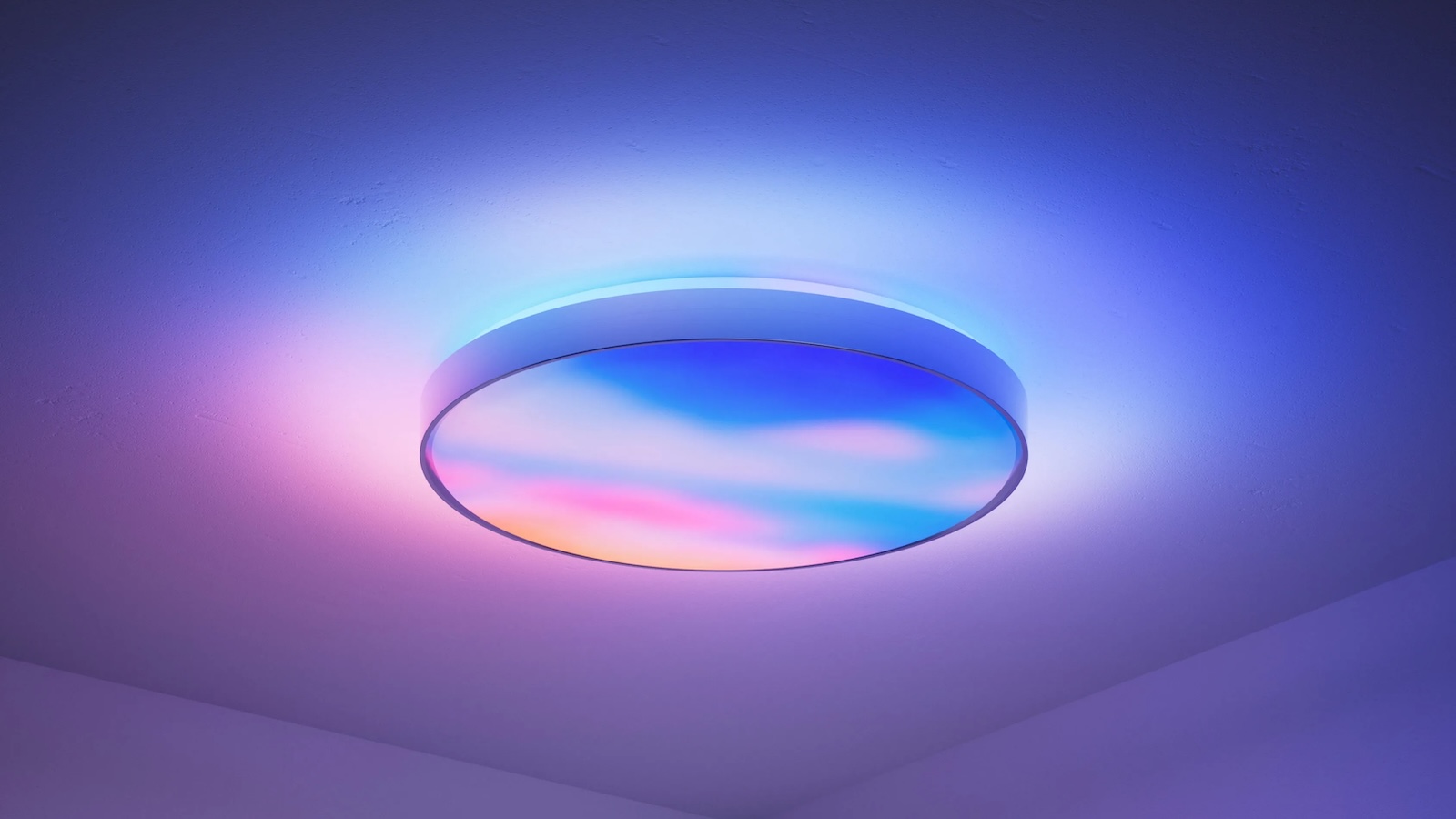
Where the Ceiling Light Ultra separates itself, though, is in how it handles visual scenes. A lot of smart-light effects look messy once they move beyond static colors. The transitions are crude, the segmentation is obvious, and the result often feels closer to a cheap gadget than thoughtful room lighting. Here, the 616-pixel matrix is the feature that changes everything. Effects look fuller, cleaner, and more deliberate. Gradients look smoother. Motion has more detail. Custom scenes have a better chance of feeling intentional instead of noisy.
Use-case performance
The Ceiling Light Ultra is one of those products that makes more sense the more clearly you imagine the room it belongs in.
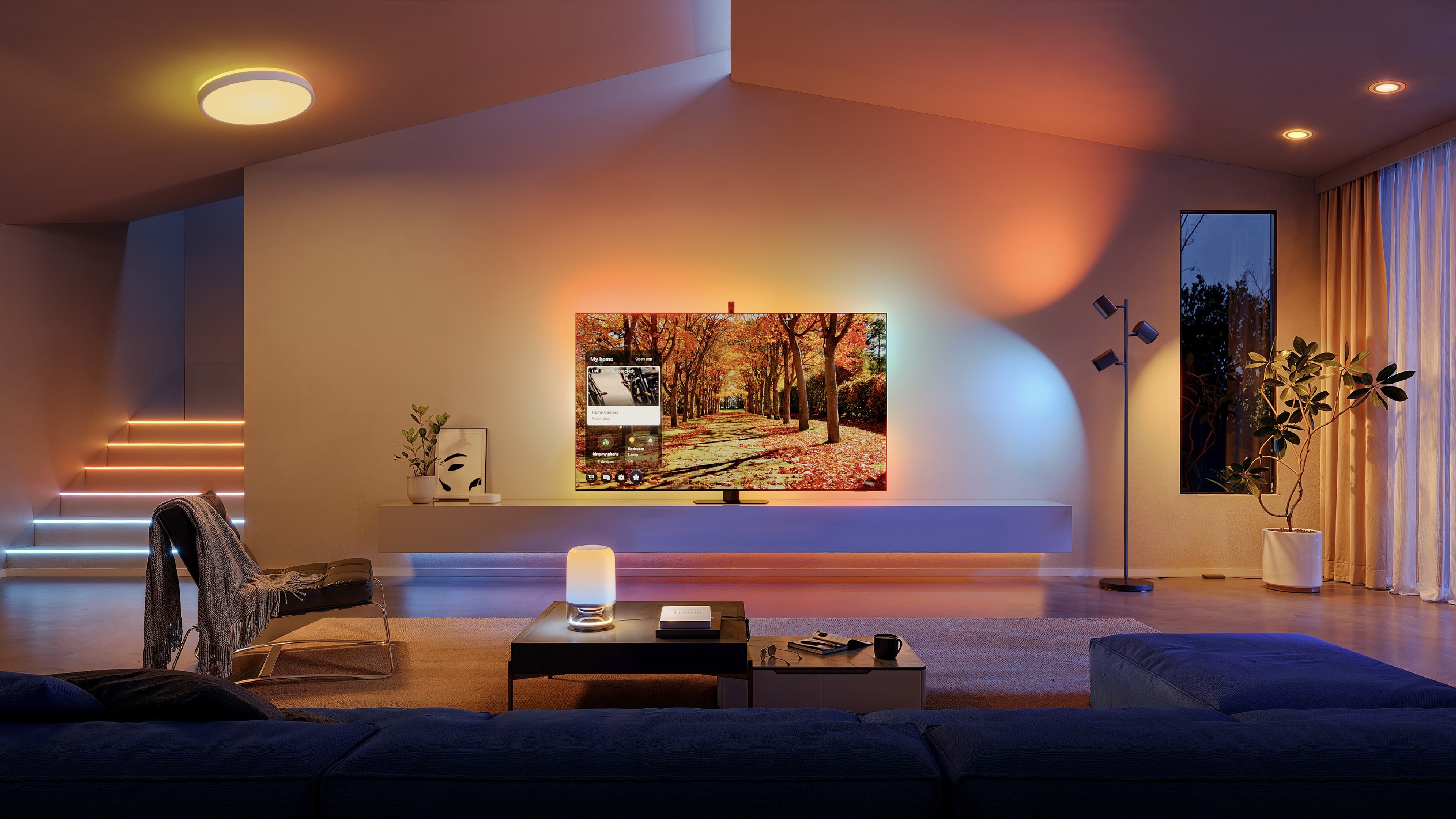
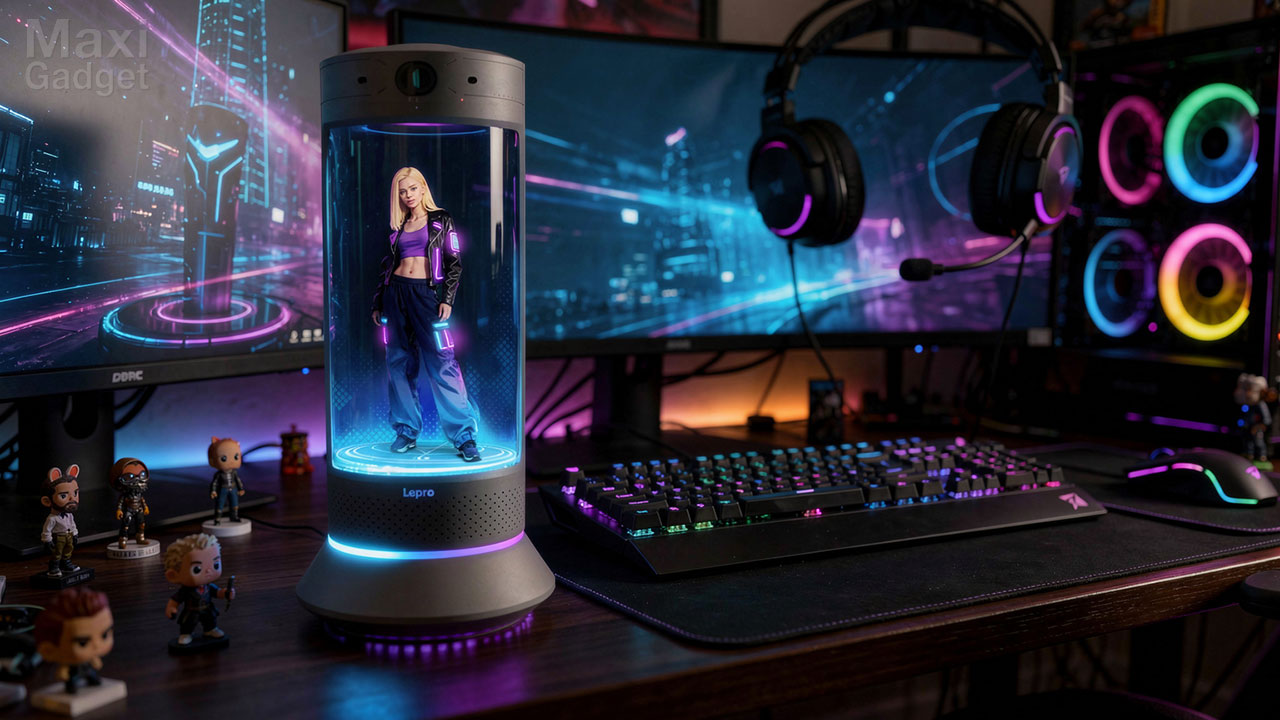
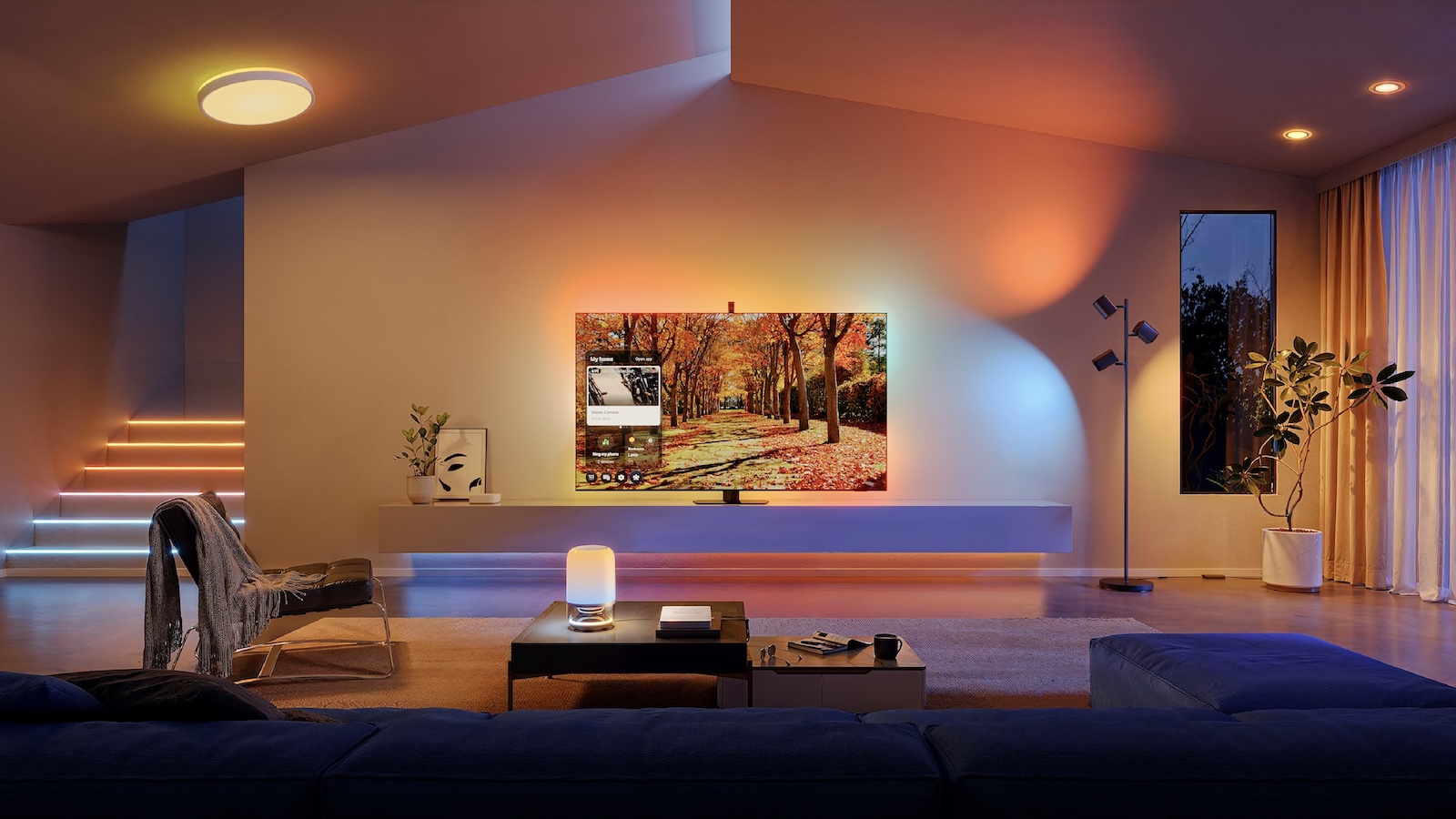
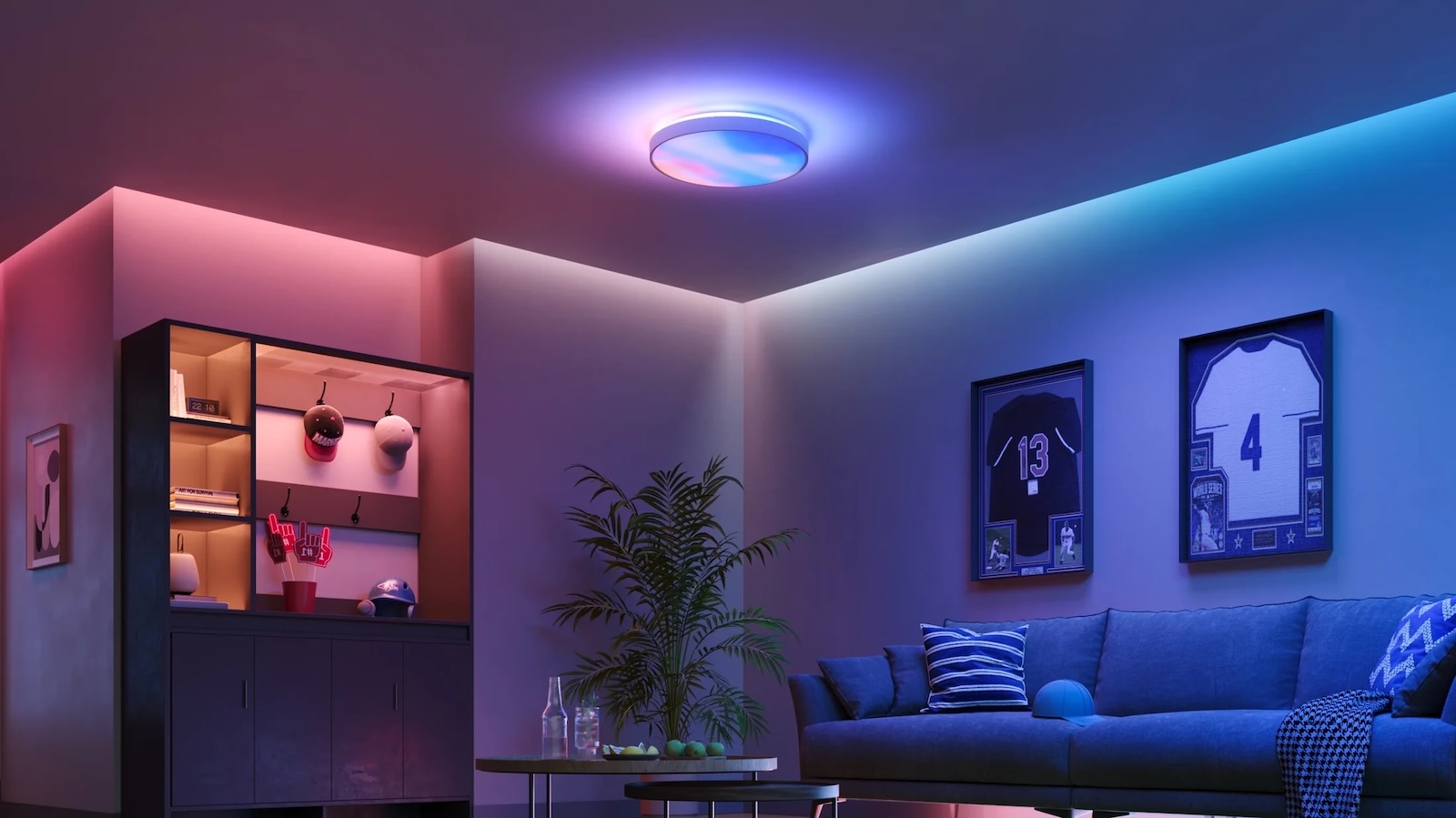
In a bedroom, it can do more than just light the space. It can change the tone of the room in a way normal ceiling fixtures rarely can. In a gaming setup or media room, the appeal is obvious: the ceiling becomes part of the atmosphere instead of an ignored blank surface. In a kids’ room, the playful side of the matrix has a natural place. In a creative office or studio, the light gives the room more identity without needing extra wall-mounted gear.
What surprised us, though, is that the Ultra is not limited to loud setups. The more interesting side of this product is not necessarily the most animated, attention-grabbing mode. It is how a dense matrix can make restrained scenes look more premium. Slow-moving gradients, gentler color transitions, quieter ambience, and soft visual texture all benefit from the extra pixel density. That is where the Ceiling Light Ultra feels more mature than its headline feature set might suggest.
That said, it still has a narrower sweet spot than a conventional smart ceiling light. In a plain hallway, utility room, or minimalist living space where the goal is invisibility, the Ultra starts to feel like the wrong answer to the wrong question. It is best where the room benefits from character.
Convenience and day-to-day livability
Convenience is not the most glamorous thing to talk about with a product like this, but it is where good smart lighting either becomes part of your life or becomes something you stop using properly after the first week.
The Ceiling Light Ultra gets a lot right simply by covering the fundamentals. Matter support matters. It means the light has a better chance of fitting into the rest of a smart home instead of becoming a beautiful orphan that only works well in one app. That kind of compatibility is essential for a flagship-style product.
We also like the idea behind Govee’s broader software push here. Features like AI Lighting Bot 2.0, DaySync, 20+ presets, and custom effects with up to eight layers are exactly the kind of tools a product like this needs. In practice, the challenge is not whether those features sound good. They do. The challenge is whether they feel easy enough to keep using. Our sense is that the Ceiling Light Ultra has the right hardware to make those tools worthwhile. A standard bulb does not really benefit from AI-generated scenes in any meaningful way. A light with this much visual resolution actually can.
Still, this is not a passive product. It asks more from the user than a standard smart ceiling light does. That is not a flaw by itself, but it is part of the ownership experience. Some people will enjoy that. Others will find it exhausting.
Flaws and frustrations
The Ceiling Light Ultra is impressive, but it is not a universal recommendation, and the reasons are fairly straightforward.
The first issue is audience fit. This light is built around the idea that the ceiling should be part of the room’s identity. If that idea already sounds unnecessary to you, the product is fighting an uphill battle before it even starts. In actual use, its best features are the ones that make it more visible, more expressive, and more interactive. For some buyers, that is the whole reason to want it. For others, it will feel like needless complexity.
The second issue is value uncertainty. At the time of writing, pricing still feels like the biggest unanswered question. That matters because installation friction changes how people judge cost. We are much more forgiving of experimentation on a desk lamp than on a main overhead fixture. Govee usually does well when it delivers a lot of impact for the money. If the Ultra stays within that familiar value territory, it has a strong case. If it pushes too far upward, expectations around polish, long-term software quality, and overall refinement rise immediately.
There is also the fact that this does not appear to include LuminBlend+. That does not ruin the product, and it does not make the light feel weak, but it is worth knowing. The Ceiling Light Ultra is clearly ambitious, yet it is not necessarily the showcase for every single one of Govee’s latest lighting technologies. That detail will matter more to enthusiasts than casual buyers, but it is still part of the picture.
Value for money
This is the one section where the Ceiling Light Ultra is hardest to score confidently, not because the product lacks promise, but because value only becomes real once pricing fully lands.
What we can say is that the hardware does not feel cheap in concept. A 21-inch fixture with 5,000 lumens, CRI 95, 2700K–6500K tunable white light, Matter, and a 616-pixel matrix is not pretending to be simple. It is trying to do more than most smart ceiling lights attempt, and that ambition is visible in the product itself.
The more relevant comparison inside Govee’s lineup is the Ceiling Light Pro, which is smaller at 15 inches, rated at 4,300 lumens, and built around 121 controllable segments. The Ultra is not a minor step up from that. It is a clear leap in size, brightness, and visual ambition. So the real value question is not whether it offers more. It obviously does. The question is whether you personally want the kind of “more” it offers.
If you care mainly about white-light performance and basic smart-home integration, a more conventional model will probably make more financial sense. If you want the ceiling itself to become part of the room’s atmosphere, the Ultra begins to justify itself in a way simpler ceiling lights cannot.
Who should buy it
Buy the Ceiling Light Ultra if you want your ceiling light to do more than provide visibility. This is for people who actively care about ambience, mood, room identity, and custom scenes. It makes the most sense in spaces where lighting can shape the feel of the room rather than just support it.
We would especially point it toward buyers who already enjoy smart lighting as part of how they design a space. If you have ever looked at your ceiling and felt like it was the dullest surface in the room, this is one of the rare products that actually tries to fix that.
Who should skip it
Skip it if your priorities are simplicity, restraint, and quiet practicality. Skip it if you dislike app tinkering. Skip it if you want a ceiling fixture that disappears into the room and never becomes part of the conversation.
We would also hesitate if the final price lands higher than expected. This is a compelling product, but it works best when it still feels recognizably Govee in value terms rather than trying to sell itself as luxury by default.
Final verdict
The Govee Ceiling Light Ultra is one of the few smart ceiling lights that left us feeling like the category still has room to evolve. That is not something we say often. In a market full of safe, forgettable fixtures, this one actually tries to rethink what overhead lighting can contribute to a room.
What became clear after spending time with it is that the Ultra succeeds because it is not built around one trick. Yes, the 616-pixel matrix is the headline feature, and yes, it is the reason the product feels fresh. But the stronger part of the story is that Govee paired that idea with the specs needed for everyday use: 5,000 lumens, CRI 95, 2700K–6500K tunable white light, and Matter support. That balance is what makes the product feel serious.
Our take is simple: if you want a ceiling light that disappears, buy something else. If you want a ceiling light that helps define the room, the Ceiling Light Ultra is one of the most interesting options we have seen in a long time.
FAQ
Is the Govee Ceiling Light Ultra bright enough to work as a main room light?
Yes. With 5,000 lumens, it has the output to function as a real primary ceiling fixture rather than just a decorative accent light.
What makes it different from a normal smart ceiling light?
The biggest difference is the 616-pixel LED matrix. It allows for much more detailed animated effects, smoother gradients, and more graphic scene design than a typical segmented RGB smart ceiling light.
Does it still work well for normal white lighting?
Yes, and that is one of the reasons it feels more convincing than many novelty-style smart lights. It offers 2700K–6500K tunable white light and CRI 95, so it is not relying on color effects to justify itself.
Does it support Matter?
Yes, the Ceiling Light Ultra includes Matter support, which makes it easier to integrate into a wider smart-home setup.
Is it better than the Govee Ceiling Light Pro?
That depends on what you want. The Ultra is larger at 21 inches, brighter at 5,000 lumens, and much more ambitious visually thanks to the 616-pixel matrix. The Ceiling Light Pro is a more conventional and calmer option, with a 15-inch design, 4,300 lumens, and 121 controllable segments.
Does it use Govee’s LuminBlend+ technology?
It does not appear to. That is worth knowing, although it does not change the fact that the Ceiling Light Ultra is still one of the more distinctive smart ceiling fixtures in this category.
Who is this light really for?
It is best for buyers who want overhead lighting to contribute to the look and mood of the room, not just its brightness. Bedrooms, gaming rooms, media spaces, kids’ rooms, and creative offices are the clearest fit.
Explore the Govee Ceiling Light Ultra Gallery
Every image from this article, gathered in one clean place. Tap any photo to open it larger.