
Most people looking at the Baseus PicoGo AC22 Ultra Mini Power Bank are not really choosing between dozens of power banks. The real decision is much simpler:
Do you buy the tiny emergency charger you will actually carry, or the bigger 10,000mAh power bank that looks better on paper?
That is the obvious alternative. Not another luxury gadget. Not a giant travel battery. Not a full-on laptop power station. The true rival is the familiar standard 10,000mAh USB-C power bank: cheaper, larger, more capable, and often more sensible in a boring way.
But boring is not always wrong. Tiny is not always smart. And bigger is not always better. This is one of those buying decisions where the correct answer depends less on capacity and more on how honest you are about your routine.
“The Baseus PicoGo AC22 makes the most sense when charging is a habit problem, not a capacity problem.”
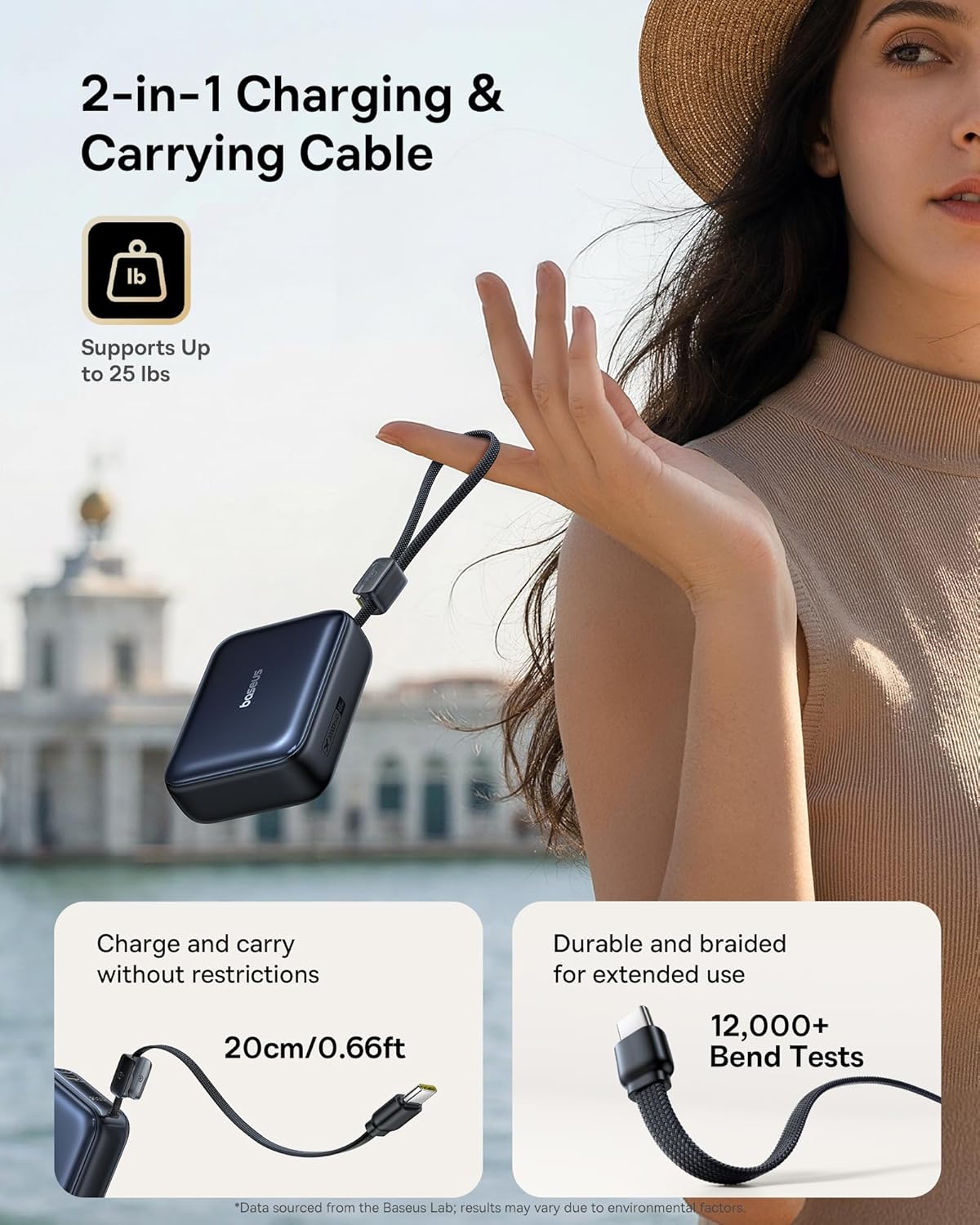
The Real Cross-Shop: PicoGo AC22 vs a Standard 10,000mAh Power Bank
| Decision Point | Baseus PicoGo AC22 Ultra Mini Power Bank | Standard 10,000mAh Power Bank |
|---|---|---|
| Main appeal | Ultra-compact emergency power | More total charging capacity |
| Best for | Daily pocket carry, short outings, backup charging | Travel days, long commutes, multiple devices |
| Buyer mindset | “I want something I’ll always have with me.” | “I want more power for the money.” |
| Weakness | Limited endurance compared with larger banks | Less convenient to carry casually |
| Practical winner | Convenience | Capacity |
| Better emotional fit | Minimalist everyday carry | Preparedness and value |
The PicoGo AC22 competes against the larger 10,000mAh power bank because both promise the same basic thing: saving your phone before it dies.
But they solve that problem from opposite directions.
A standard 10,000mAh bank says, “Bring more power.”
The PicoGo AC22 says, “Bring something small enough that you do not leave it behind.”
That difference matters more than the spec sheet makes it look.
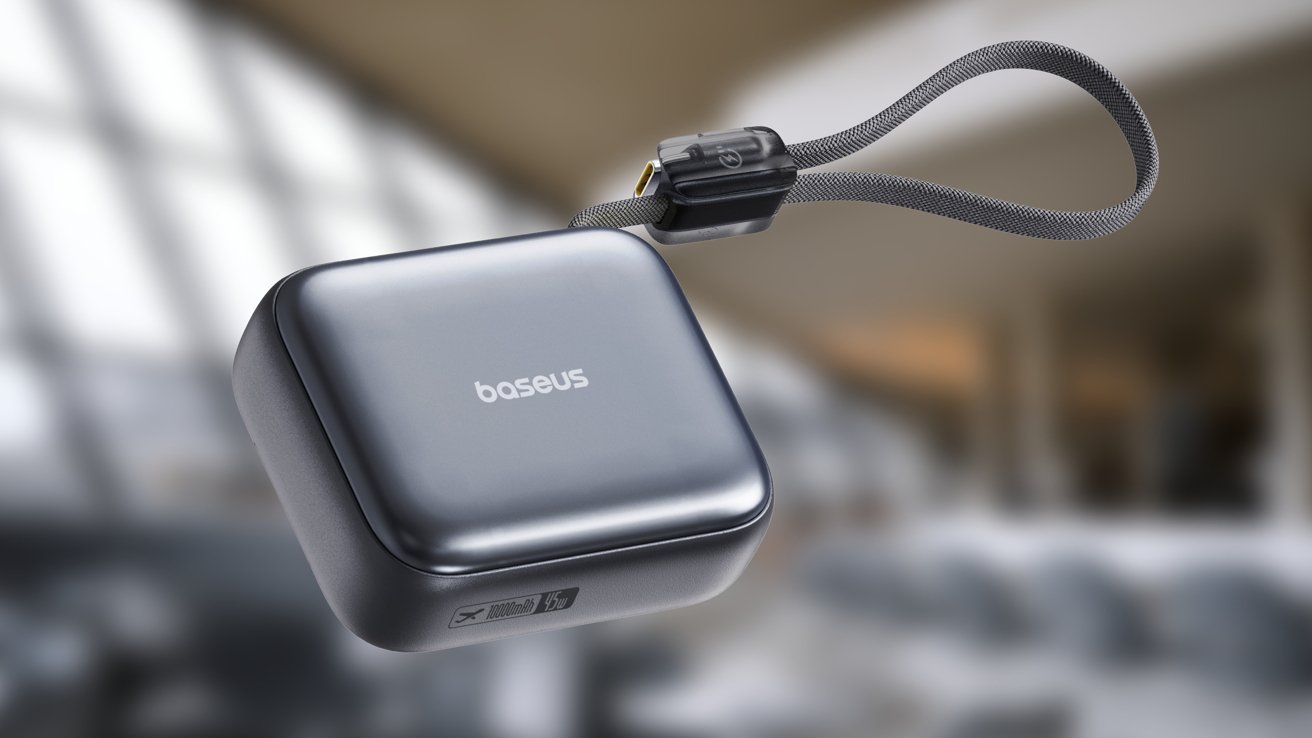
Why These Two Products End Up in the Same Decision
The buyer considering the Baseus PicoGo AC22 is usually not shopping for a power bank as a hobby. They have a phone, maybe earbuds, maybe a tablet, and one repeating annoyance: the battery drops too low at the wrong time.
So naturally, the bigger power bank looks like the safe answer. More capacity. Often better value per mAh. Sometimes more ports. More confidence.
But then reality enters the room, wearing its usual ugly shoes.
A larger power bank often needs a bag. It may require a cable. It adds weight. It becomes another thing to remember. And once a power bank becomes slightly annoying to carry, people start leaving it at home — which is a fascinating way for a “better” product to become completely useless.
“The larger bank wins when it is with you. The smaller one wins because it is more likely to be with you.”
That is the entire conflict.
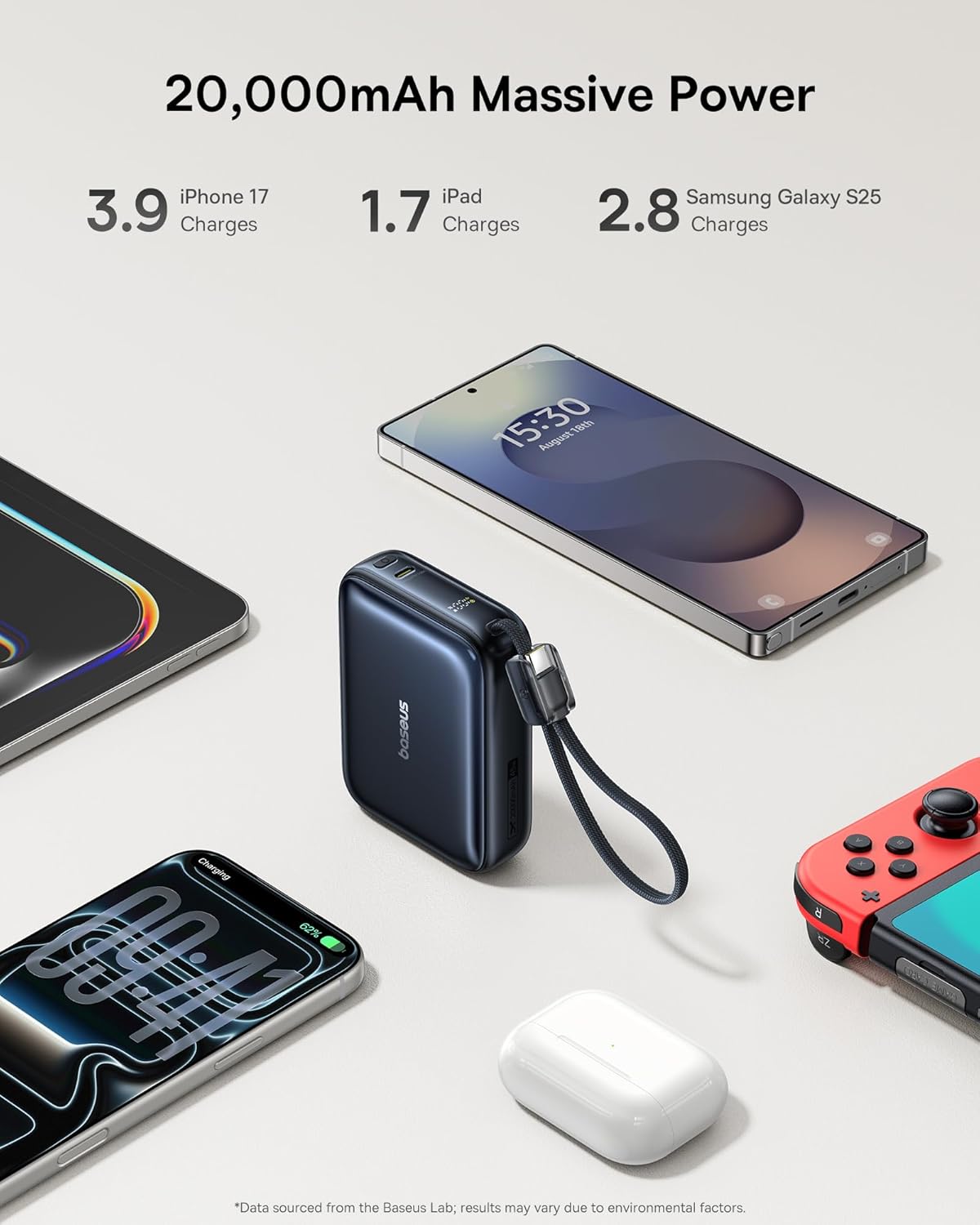
The Philosophical Difference: Preparedness vs Presence
The standard 10,000mAh power bank is built around preparedness. It assumes you want a reserve tank. It is the safer choice when you expect long hours away from power, heavy phone use, maps, photos, hotspots, or multiple charging cycles.
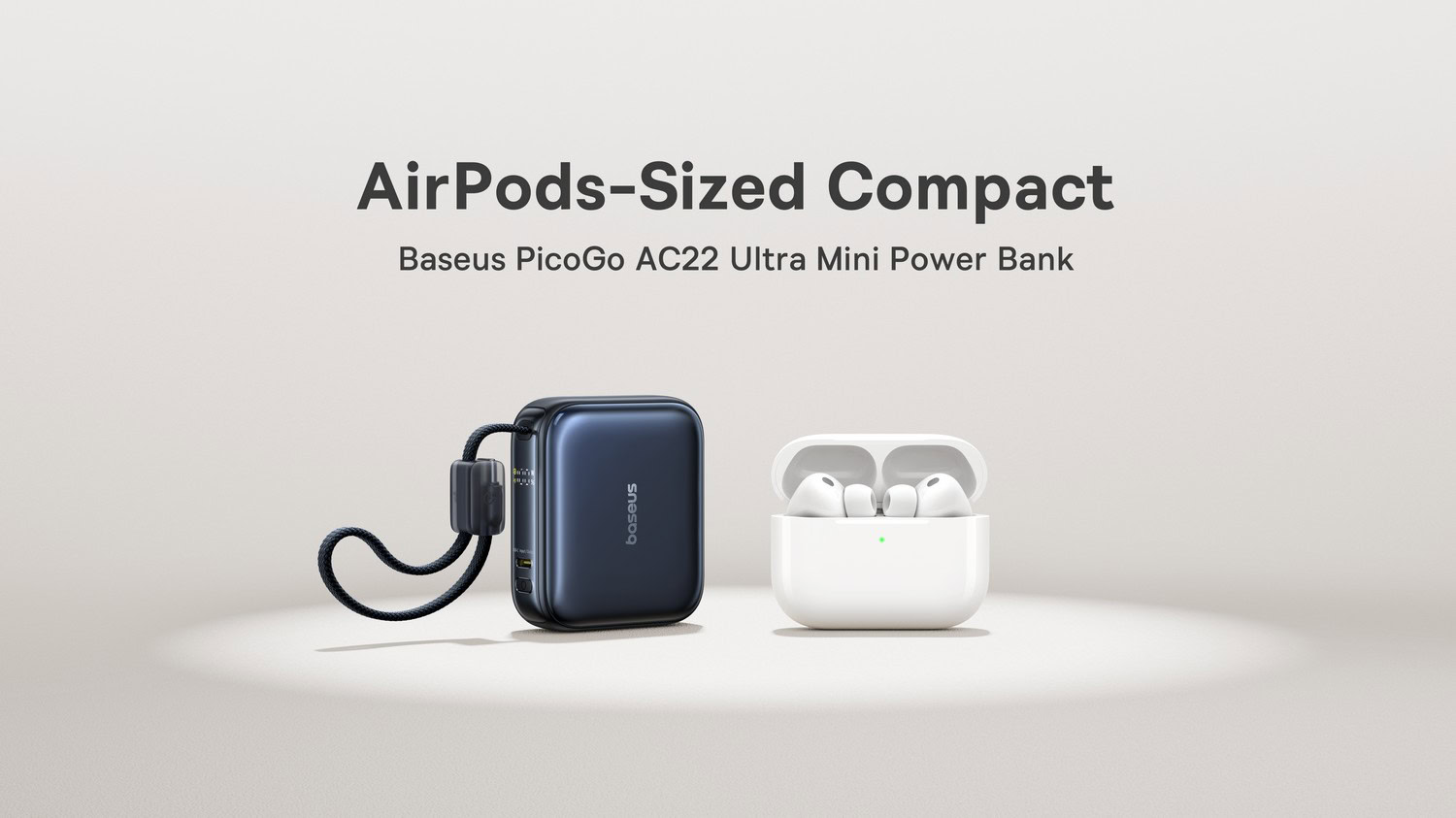
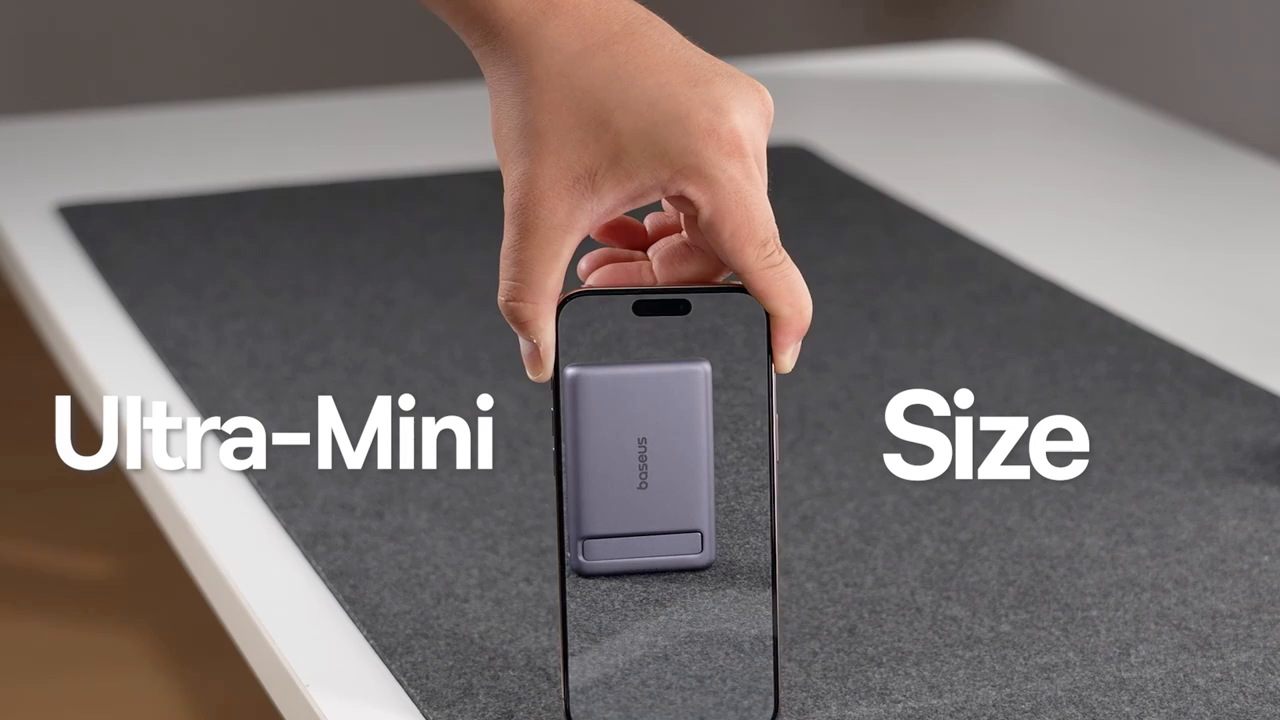
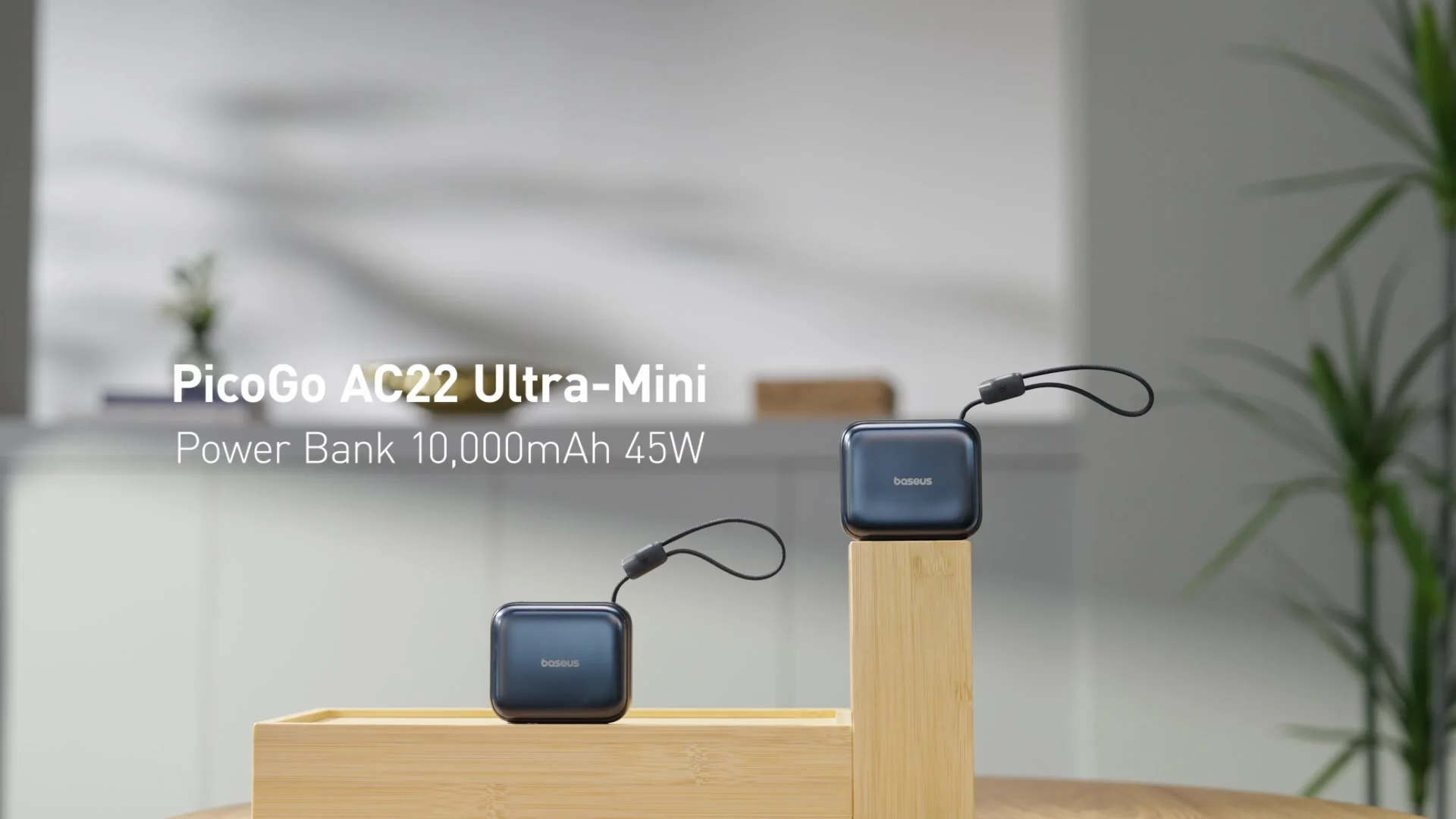
The Baseus PicoGo AC22 is built around presence. It assumes the best power bank is the one small enough to become part of your normal pocket, pouch, or everyday carry setup.
This is not a shallow “small vs big” comparison. It is a question of behavior.
Do you want the battery that can do more when you remember it?
Or the battery that does less, but disappears into your day?
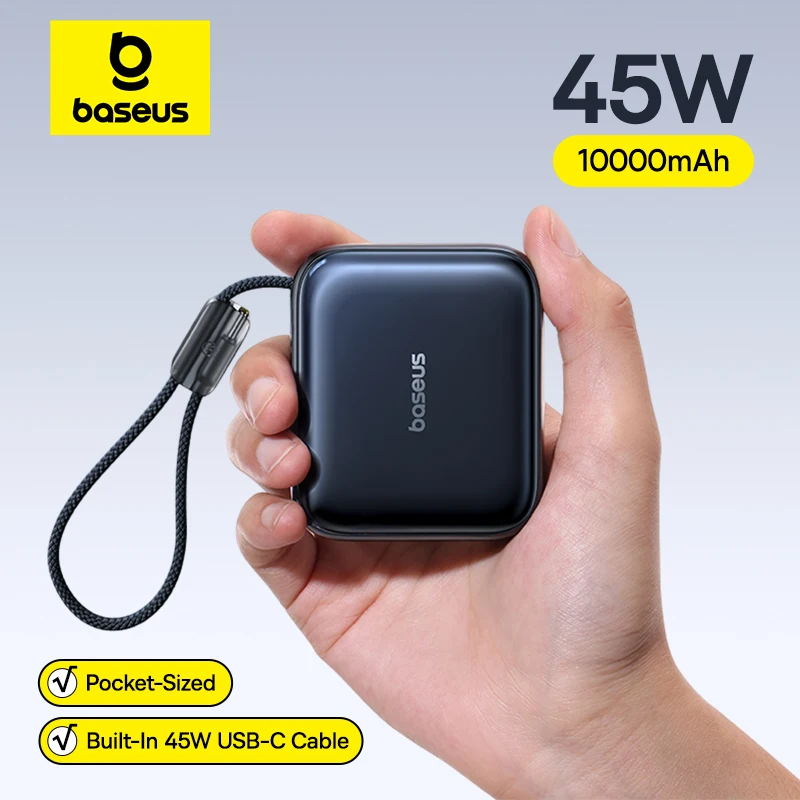
For Budget-Focused Buyers, the Bigger Bank Usually Looks Smarter
Let’s be honest: if you judge purely by capacity-per-dollar, the standard 10,000mAh power bank usually makes the stronger argument.
It gives you more total power, more room for long days, and often a better sense of value. For students, commuters, parents, travelers, or anyone trying to stretch money as far as possible, the larger bank can feel like the more rational purchase.
The budget case for the 10,000mAh alternative
- More battery for the money
- Better for multiple charges
- More useful during travel
- Less anxiety if you forget to recharge it
- More forgiving for heavy phone users
If your priority is maximum backup power at the lowest practical cost, the standard 10,000mAh option is hard to dismiss.
“Budget buyers should be careful not to confuse ‘smaller and nicer to carry’ with ‘better value.’ The PicoGo AC22 is not trying to win the spreadsheet.”
That is important. The Baseus is not the automatic budget winner. Its value comes from convenience, not raw capacity.
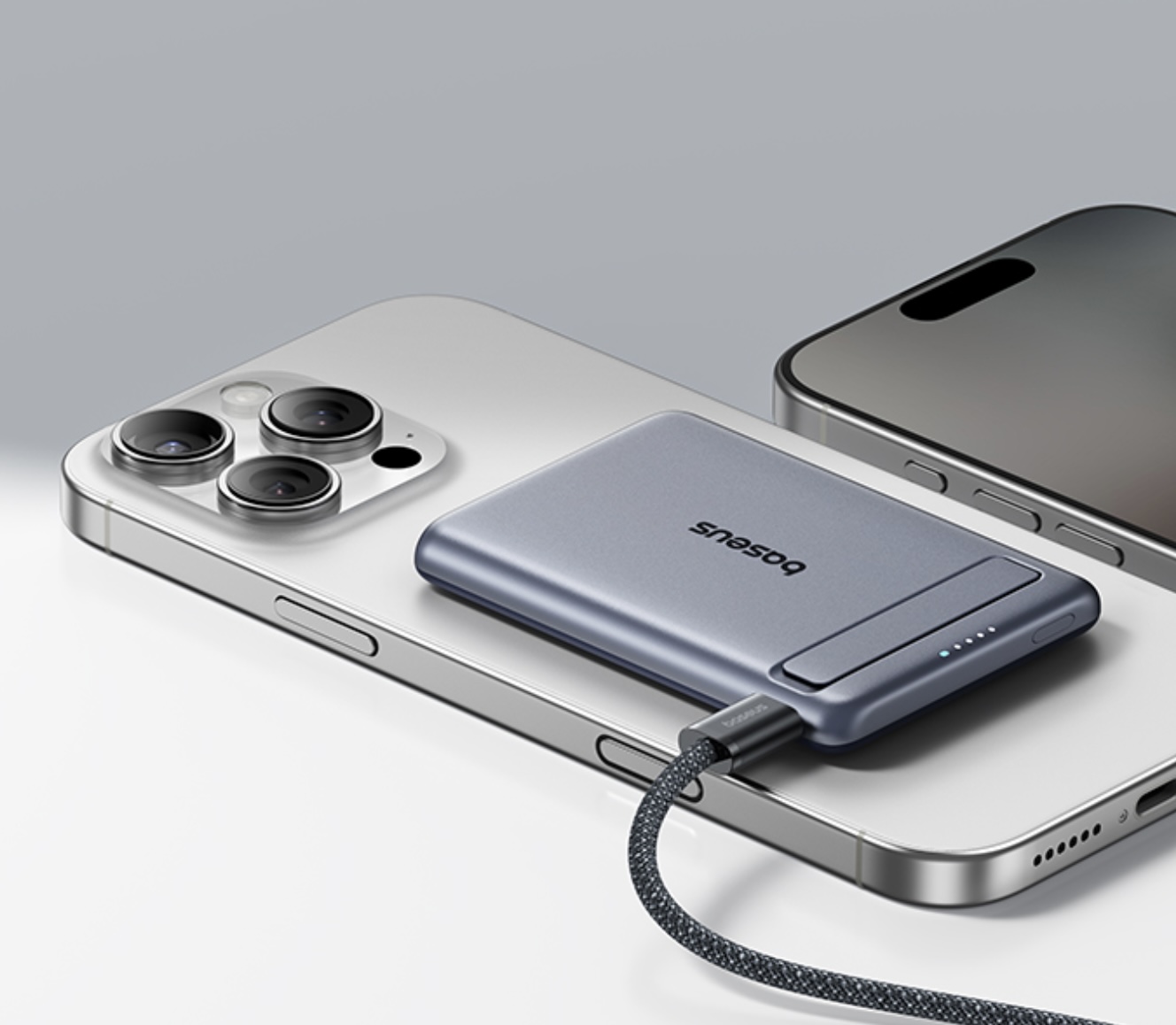
For Quality-Focused Buyers, the PicoGo AC22 Has a Stronger Argument
Quality does not always mean more. Sometimes quality means less friction.
The PicoGo AC22 feels smarter for buyers who care about the product fitting cleanly into daily life. A power bank can have impressive numbers and still feel irritating to carry. The smaller Baseus concept makes sense when the experience matters as much as the backup power.
For quality-focused buyers, the question becomes:
Does this product remove a daily problem elegantly?
If yes, the PicoGo AC22 becomes more interesting than the bigger alternative. It is not the “most battery” choice. It is the “least annoying backup” choice.
Where the PicoGo AC22 feels more refined
| Quality Priority | Why PicoGo AC22 Makes Sense |
|---|---|
| Pocketability | Easier to keep nearby without planning around it |
| Minimal setup | Less of a bag accessory, more of a daily tool |
| Emergency charging | Built for topping up, not replacing wall charging |
| Everyday carry | Better suited to people who hate bulky extras |
| Quick decision-making | Grab it and go without building a charging kit |
“A power bank becomes premium when you stop negotiating with it.”
That is where the Baseus design can feel more mature. It is not asking you to change your carry habits as much as a larger unit does.
Which One Suits the Simpler Setup Better?
The answer depends on what “simple” means.
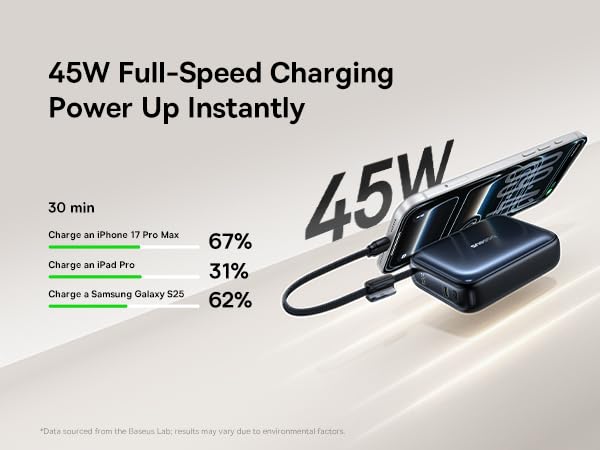
If simple means one power bank that handles almost anything, the standard 10,000mAh bank is simpler. It gives you more margin. It is less fussy about how low your phone gets. It can survive a longer day without needing to be recharged as often.
But if simple means less bulk, fewer carry decisions, and no daily planning, the PicoGo AC22 is simpler.
Simplicity depends on the buyer
| If Your Definition of Simple Is… | Better Choice |
|---|---|
| “I want one battery that covers most situations.” | Standard 10,000mAh power bank |
| “I want something small enough to carry without thinking.” | Baseus PicoGo AC22 |
| “I do not want to manage a charging kit.” | Baseus PicoGo AC22 |
| “I want fewer recharge worries.” | Standard 10,000mAh power bank |
| “I only need emergency top-ups.” | Baseus PicoGo AC22 |
The PicoGo AC22 suits the simpler everyday setup. The larger bank suits the simpler travel setup.
That distinction saves the buyer from choosing the wrong kind of convenience.
Which One Makes More Sense for Demanding Use?
For demanding use, the larger power bank wins.
No drama. No committee meeting. No spec-sheet poetry.
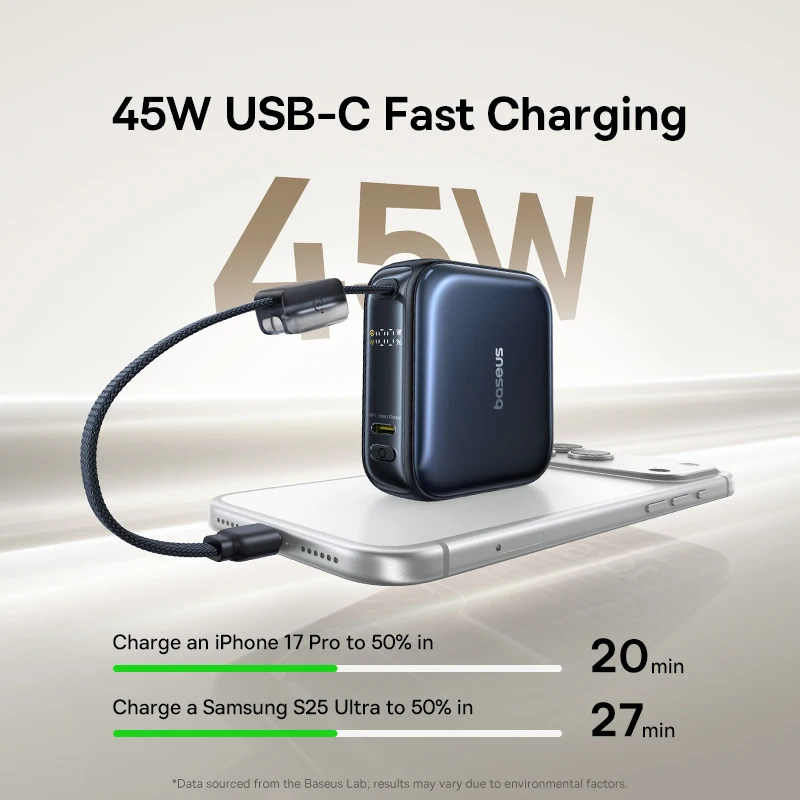
If your phone is regularly under pressure from navigation, video, hotspot use, high brightness, gaming, camera recording, or long travel days, a tiny power bank should not be your main backup. It can help, but it is not the tool you build your day around.
Demanding users should lean toward the larger alternative if they:
- Spend long periods away from outlets
- Charge more than one device
- Use their phone heavily for work
- Travel frequently
- Need backup power for emergencies
- Hate watching battery percentage all day
- Want more than one meaningful top-up
The PicoGo AC22 can still be useful for demanding users, but more as a secondary pocket backup, not the main battery plan.
“The PicoGo AC22 is excellent as a safety net. It is less convincing as the whole circus tent.”
That is the line. If your use is heavy, buy capacity first.
Where the Baseus PicoGo AC22 Wins Clearly
The PicoGo AC22 wins when the real problem is not battery capacity — it is carry friction.
A bigger power bank cannot help you if it is sitting in a drawer. The PicoGo AC22’s strongest advantage is that it is small enough to become part of the daily routine. That makes it especially attractive for people who usually do not carry power banks because they find them too bulky, too cable-dependent, or too easy to forget.
PicoGo AC22 wins clearly for:
- Short city outings
- Office-to-dinner days
- Minimalist bags
- Pocket backup
- Emergency top-ups
- People who hate carrying cables and accessories
- Users who only need to avoid battery panic, not fully recharge everything
Its clear win is not endurance. It is likelihood of use.
A larger power bank may be more capable. The PicoGo AC22 may be more present. And for everyday carry, presence can beat capability.
Where the Larger Power Bank Quietly Offers Better Judgment
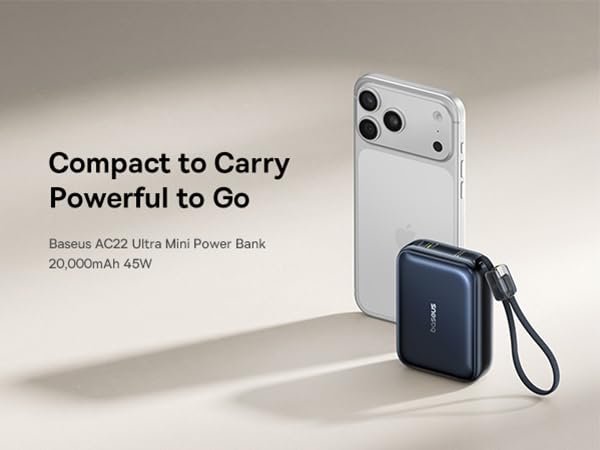
The standard 10,000mAh bank wins in the situations where people overestimate how little power they need.
This happens often. A buyer says, “I only need a small top-up,” then uses maps, camera, mobile data, Bluetooth, social apps, and high screen brightness for five straight hours. Suddenly the tiny backup feels like a polite suggestion instead of real protection.
The larger bank quietly offers better judgment because it gives you room for mistakes.
The larger alternative is the wiser call when:
| Situation | Why the Bigger Bank Makes More Sense |
|---|---|
| Travel days | You may not know when the next outlet appears |
| Long commutes | Battery drain is less predictable |
| Multiple devices | Tiny banks get overwhelmed quickly |
| Heavy camera use | Phones drain faster than expected |
| Emergency prep | More capacity is more useful |
| Shared charging | A small bank is rarely enough for two people |
The bigger bank is not cooler. It is just more forgiving. And forgiveness is underrated when your phone is at 6% and you still need directions home.
The Differences That Matter — And the Ones That Barely Matter
Some differences genuinely change the buying decision. Others look important but fade in real use.
Differences that matter in practice
| Difference | Why It Matters |
|---|---|
| Size and carry comfort | Determines whether you actually bring it |
| Real-world capacity | Determines how much safety you have |
| Cable/setup friction | Affects daily convenience |
| Recharge discipline | Smaller banks may need more frequent recharging |
| Device count | One phone is different from phone + earbuds + tablet |
| Use intensity | Light users and heavy users need different tools |
Differences that barely matter for most buyers
- Tiny design variations between similar mini power banks
- Obsessing over theoretical maximum output if you only top up a phone
- Brand arguments without considering carry behavior
- Choosing based on capacity alone when you rarely carry the larger bank
- Choosing based on size alone when your real use is heavy
The useful question is not, “Which one is technically better?”
The useful question is, “Which one solves the charging problem I actually have?”
How the Decision Changes by Buyer Priority
This is where the choice becomes much clearer.
| Buyer Priority | Smarter Choice | Why |
|---|---|---|
| Lowest cost per charge | Standard 10,000mAh bank | More capacity for the money |
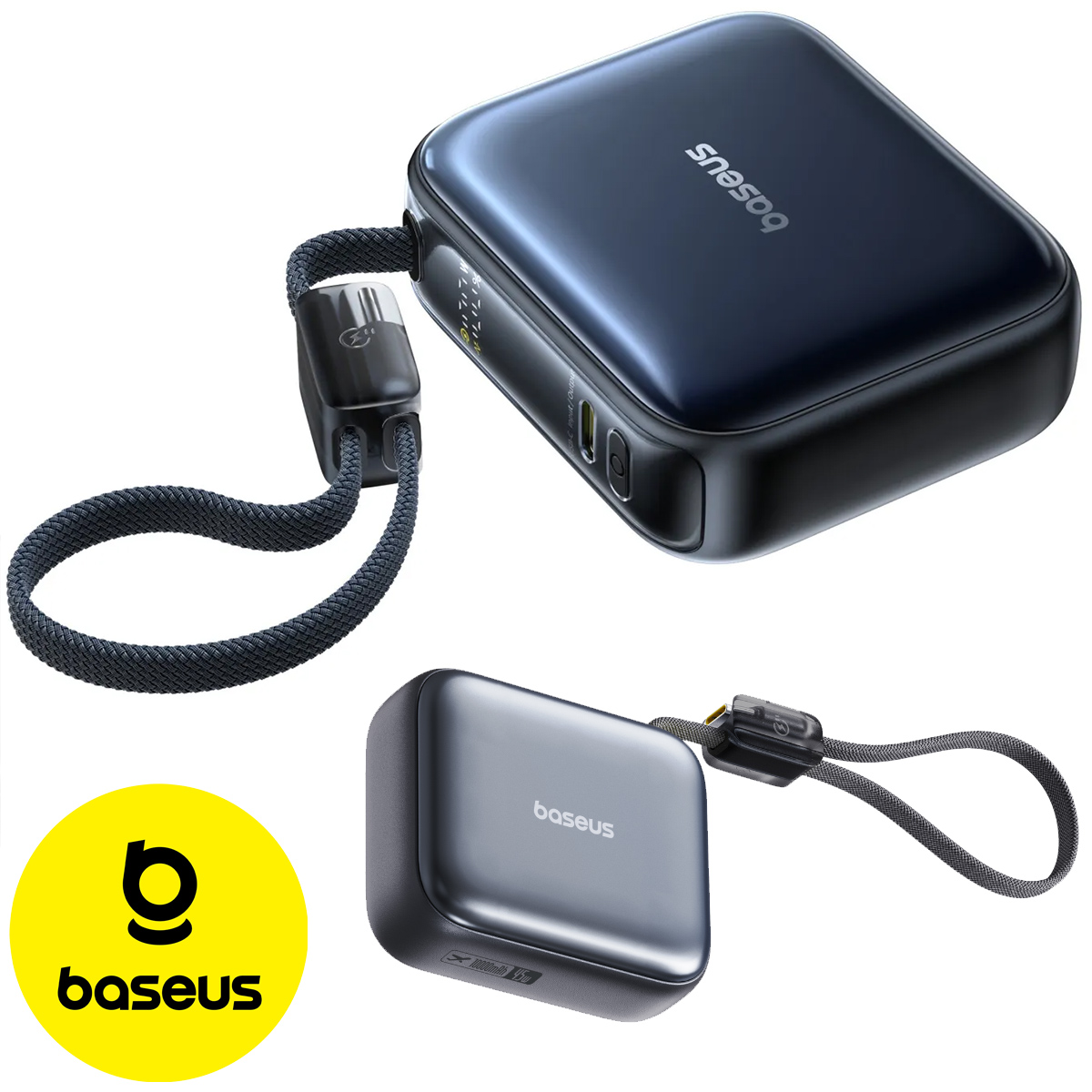
| Smallest everyday carry | Baseus PicoGo AC22 | Less bulk, easier to keep nearby |
| Travel reliability | Standard 10,000mAh bank | More reserve power |
| Emergency pocket backup | Baseus PicoGo AC22 | Built for quick rescue charging |
| Heavy phone use | Standard 10,000mAh bank | Better endurance |
| Minimalist setup | Baseus PicoGo AC22 | Less planning, less carry weight |
| Shared charging | Standard 10,000mAh bank | More practical for two devices |
| “I always forget my power bank” | Baseus PicoGo AC22 | Smaller means easier to build into routine |
The PicoGo AC22 is not trying to beat the larger bank in every category. It wins by being more livable for the right person.
Is the Cheaper Option Actually Enough?
If the cheaper option is a standard 10,000mAh power bank, then yes — for many buyers, it is absolutely enough.
In fact, it may be more than enough.
A decent 10,000mAh bank covers most common power-bank needs better than a tiny unit does. It is the practical default for anyone who wants one backup battery to handle workdays, trips, long outings, and occasional multi-device charging.
But “enough” has two meanings.
A bigger power bank may be enough electrically, but not behaviorally. If you dislike carrying it, forget it often, or only bring it when you think you will need it, then its extra capacity becomes theoretical.
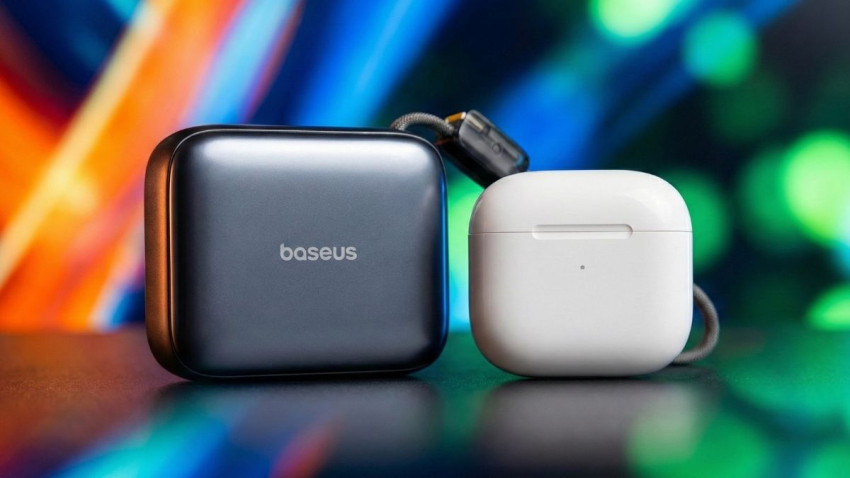
“The cheaper larger bank may be the better product on paper. The smaller Baseus may be the better product in your pocket.”
That is the tension. The cheaper option is enough if you will actually carry it.
If you will not, the smaller product starts making more sense.
Does the Pricier or More Compact Option Earn Its Cost?
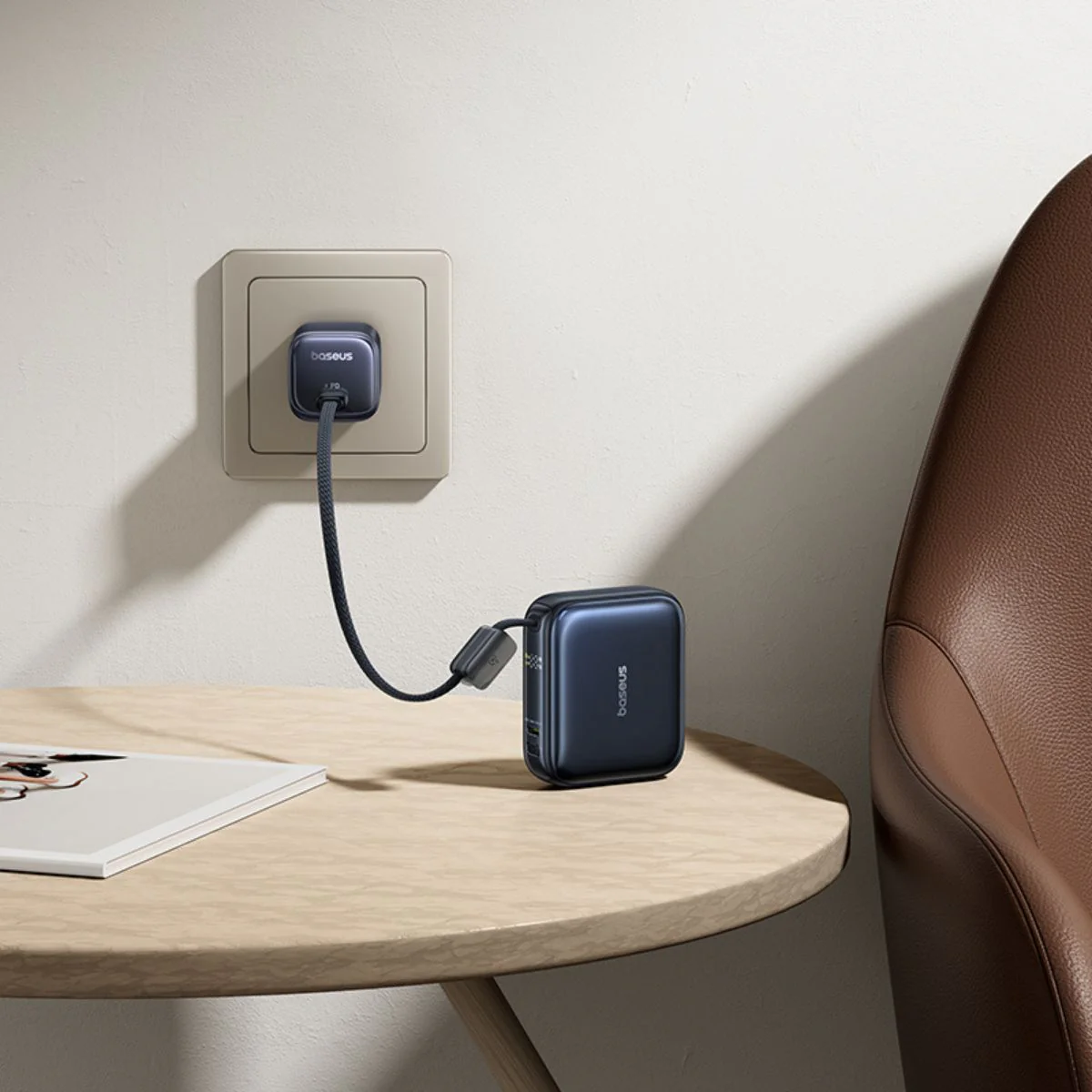
The PicoGo AC22 earns its place when it changes your behavior.
Not when it gives you the most battery. Not when it wins a capacity chart. Not when it pretends to replace a serious travel power bank.
It earns the extra attention if it becomes the thing you keep nearby every day.
The PicoGo AC22 earns its cost when:
- You value compactness more than maximum capacity
- You mostly need emergency top-ups
- You carry small bags or no bag at all
- You hate cable clutter
- You want backup power without thinking about it
- You already have larger chargers for travel
- You want a daily safety tool, not a weekend power tank
It does not earn its cost for buyers who expect one power bank to do everything. Those buyers should buy bigger and stop torturing themselves.
Which Buyer Is Better Served by Each Side?
Choose the Baseus PicoGo AC22 if you are this buyer
You want a power bank that feels like part of your everyday carry, not a separate charging kit. You do not need to charge everything. You just want your phone to survive the awkward gap between low battery and the next outlet.
You are probably the right buyer if you say:
“I do not need a huge battery. I need something small enough that I actually bring it.”
The PicoGo AC22 is better for light-to-moderate users, office workers, students with short daily routes, minimalists, and people who need emergency backup more than full-day independence.
Choose the standard 10,000mAh power bank if you are this buyer
You want more safety margin. You use your phone hard. You travel, commute for long periods, share charging, or dislike worrying about whether your power bank has enough left.
You are probably the right buyer if you say:
“I would rather carry more weight than run out of power.”
The larger bank is better for demanding users, travelers, event days, parents, field workers, and anyone who needs backup power to feel dependable rather than merely convenient.
The Final Recommendation: The Smarter Pick Depends on Your Charging Problem
The Baseus PicoGo AC22 Ultra Mini Power Bank makes the most sense when the obvious alternative feels too bulky for your real life. It is the better choice for the buyer who wants a compact, easy, everyday safety net — the kind of charger that quietly saves the day because it was actually there.
The standard 10,000mAh power bank makes more sense when your priority is dependable backup capacity. It is the better choice when you need more power, more flexibility, and more forgiveness.
So the final decision is simple:
| Your Real Need | Buy This |
|---|---|
| “I want the most practical backup for long days.” | Standard 10,000mAh power bank |
| “I want the smallest useful charger I’ll actually carry.” | Baseus PicoGo AC22 |
| “I travel often.” | Standard 10,000mAh power bank |
| “I need emergency top-ups in normal daily life.” | Baseus PicoGo AC22 |
| “I charge multiple devices.” | Standard 10,000mAh power bank |
| “I hate bulky accessories.” | Baseus PicoGo AC22 |
Bottom Line
The Baseus PicoGo AC22 is not the smarter choice because it beats a larger power bank on capacity. It does not. The larger bank wins that fight easily.
It is smarter when the real enemy is not battery drain, but the inconvenience that makes you leave backup power behind.
For heavy users, travelers, and value-focused buyers, the standard 10,000mAh power bank remains the safer recommendation. For everyday users who want a compact emergency charger that fits naturally into a pocket, pouch, or small bag, the Baseus PicoGo AC22 is the more realistic choice.
“Buy the larger power bank if you need more power. Buy the PicoGo AC22 if you need backup power that actually stays with you.”
Explore the Baseus PicoGo AC22 Ultra Mini Power Bank Gallery
Every image from this article, gathered in one clean place. Tap any photo to open it larger.