

The obvious alternative to the Amazon Ember Artline is not a normal mid-range 4K TV. It is Samsung The Frame — the product that practically created the modern “TV that wants to disappear into the room” category.
That matters because the buyer here is not simply asking, “Which TV has the better picture?” They are asking something more specific:
Which one makes the living room feel better without making the TV experience worse?
That is where the decision becomes interesting. Ember Artline looks like Amazon’s attempt to make the art-TV idea more accessible, more connected, and less expensive to live with. Samsung The Frame still feels like the more established, more design-proven option — the safer choice for buyers who care deeply about the object on the wall.
“This is not really a TV-versus-TV decision. It is a room-versus-screen decision.”
And once you see it that way, the smarter choice depends less on brand loyalty and more on what you expect the product to do every single day.
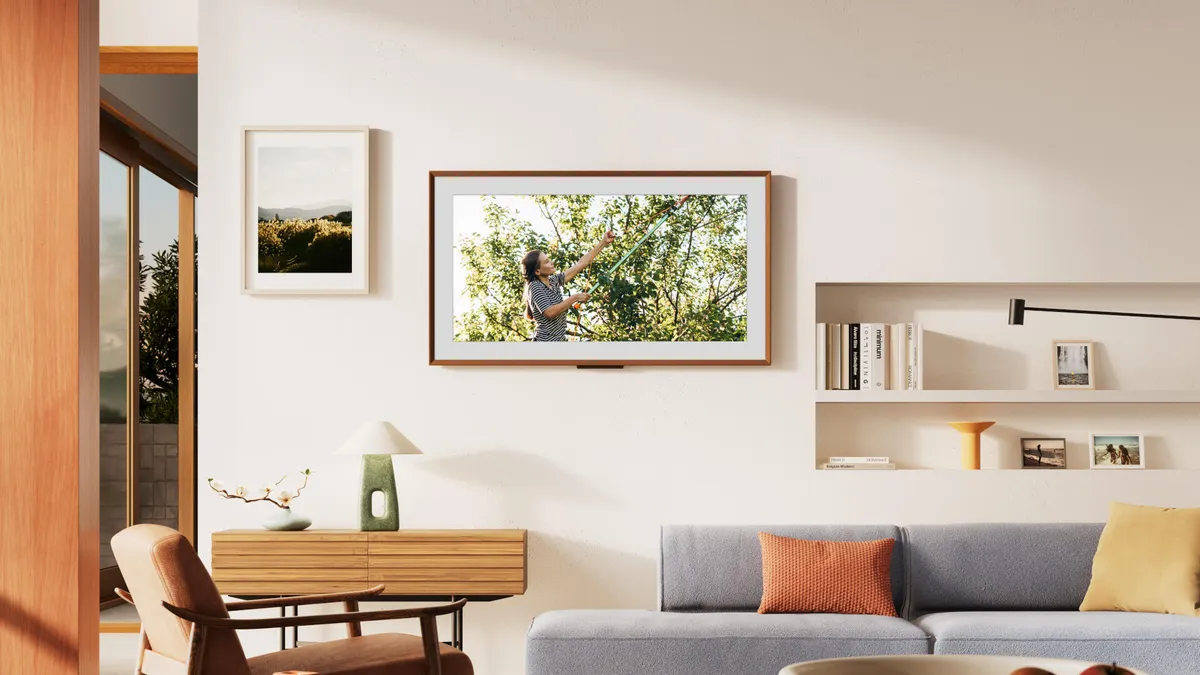
The Real Cross-Shop: Amazon Ember Artline vs Samsung The Frame
Most buyers considering the Amazon Ember Artline are realistically comparing it with Samsung The Frame because both products are trying to solve the same problem:
A large black rectangle on the wall often looks ugly when it is off.
Both products try to make that rectangle feel more intentional, more decorative, and more integrated into the room. Both are aimed at people who care about interiors as much as entertainment. Both are positioned for living rooms, bedrooms, open-plan spaces, and design-conscious homes where a normal TV can feel visually loud.
But they approach the same problem with different instincts.
| Decision Point | Amazon Ember Artline | Samsung The Frame |
|---|---|---|
| Core appeal | Art TV with Fire TV, Alexa, and value-led convenience | Established lifestyle TV with strong design credibility |
| Best for | Buyers already inside Amazon’s ecosystem | Buyers who prioritize decor, finish, and proven art-TV identity |
| Main advantage | Simpler value story and included lifestyle features | More mature product identity and broader lifestyle-TV reputation |
| Main risk | Feels newer and less proven as a category player | Can become expensive once accessories and ecosystem choices add up |
| Buyer mindset | “I want the art-TV idea without overpaying.” | “I want the art-TV that already feels like the reference point.” |
Why These Two End Up in the Same Decision
A normal OLED, mini-LED, or QLED TV competes on picture quality first. These two compete on something more emotional: how the room feels when the TV is not being watched.
That is why the Amazon Ember Artline and Samsung The Frame end up in the same buyer conversation. They both promise a softer relationship between technology and furniture. They both want to look less like electronics and more like part of the wall.
The buyer is usually someone who says one of these things:
- “I hate how normal TVs look when they are off.”
- “I want something that works as decor, not just entertainment.”
- “I do not want a projector, but I also do not want a giant black slab.”
- “I care how the room looks in photos, during the day, and when guests are over.”
That buyer is not choosing between two spec sheets. They are choosing between two philosophies.
“Samsung The Frame feels like the original design object. Amazon Ember Artline feels like the more practical challenger trying to make the same idea easier to justify.”
The Biggest Philosophical Difference
The most important difference is simple:
Samsung The Frame is design-first. Amazon Ember Artline is ecosystem-first.
Samsung’s product feels like it starts with the room. It asks: how can this TV look more like framed art? How can it sit on the wall with less visual aggression? How can it behave like a design object?
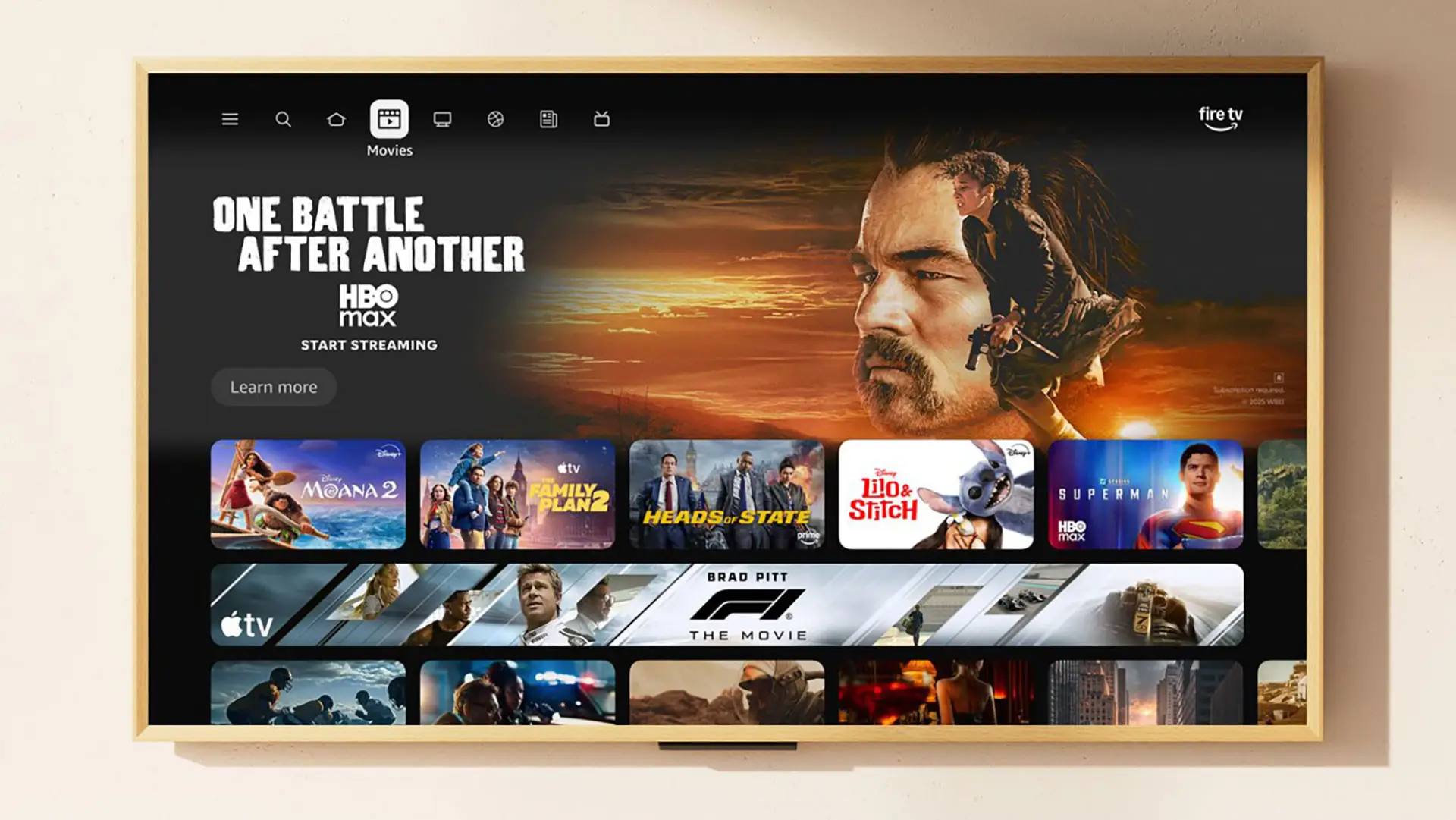
Amazon’s Ember Artline feels like it starts with everyday usefulness. It asks: how can this be an art display, a Fire TV, a smart-home screen, a photo frame, and an Alexa-connected hub without making the buyer pay premium-on-premium prices?
Neither approach is automatically better. But they attract different buyers.
| Buyer Priority | Better Match |
|---|---|
| The most polished art-TV identity | Samsung The Frame |
| Better value inside an Amazon home | Amazon Ember Artline |
| A more familiar premium lifestyle-TV choice | Samsung The Frame |
| A more practical smart-home-centered choice | Amazon Ember Artline |
| Decor-first living room | Samsung The Frame |
| Streaming-first household with art as a major bonus | Amazon Ember Artline |

Which One Feels Smarter for Budget-Focused Buyers?
For budget-focused buyers, Amazon Ember Artline is the more sensible place to start.
Not because it is automatically the better TV in every way, but because the art-TV category can quietly become expensive. The TV is only part of the cost. Frames, wall mounting, subscriptions, accessories, and ecosystem extras can change the real price of ownership.
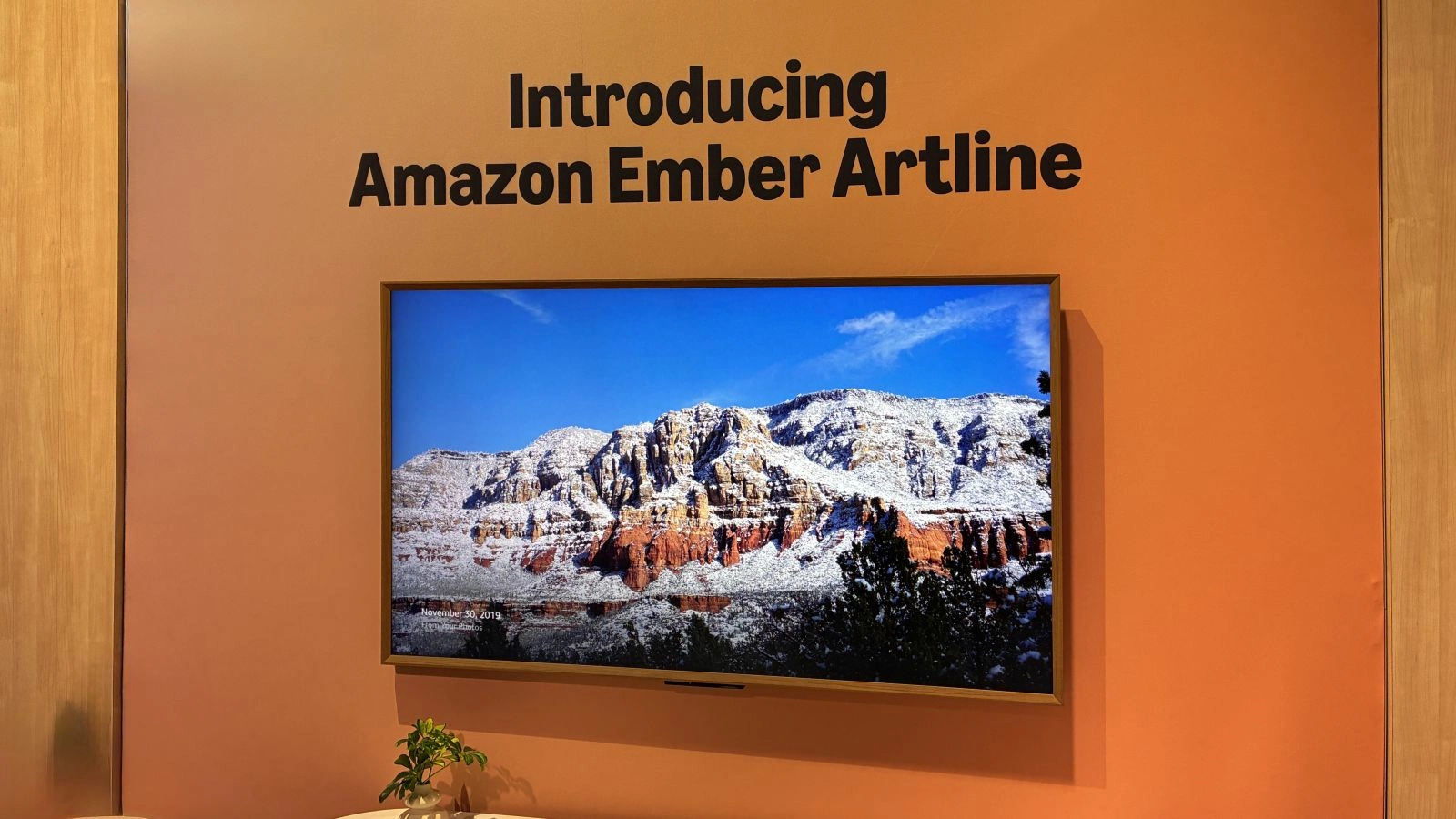
Amazon’s strongest argument is that it makes the idea feel less financially dramatic. The buyer gets the core lifestyle-TV promise — a matte art-style display, frame-focused design, Fire TV built in, photo support, and smart-home usefulness — without stepping into the same “premium decor object” mindset that often surrounds The Frame.
“For a buyer who mainly wants the art-TV look without turning the purchase into a luxury decor project, Ember Artline makes the calmer financial argument.”
This is where the cheaper option may genuinely be enough.
Not for everyone. But for many homes, yes.
Which One Feels Smarter for Quality-Focused Buyers?
For quality-focused buyers, the answer becomes less automatic.
If “quality” means design maturity, brand confidence, product familiarity, and proven category position, Samsung The Frame still has the stronger emotional case. It has been the obvious reference point for this kind of product for years. Buyers know what it is. Interior-focused shoppers recognize it. It feels established.
If “quality” means daily smart-TV usefulness, voice control, Fire TV familiarity, and connected-home convenience, Amazon Ember Artline becomes more attractive.
So the real question is: what kind of quality do you care about?
| Type of Quality | Smarter Pick |
|---|---|
| Design reputation | Samsung The Frame |
| Art-TV category trust | Samsung The Frame |
| Smart-home convenience | Amazon Ember Artline |
| Amazon Photos / Fire TV integration | Amazon Ember Artline |
| Premium decor confidence | Samsung The Frame |
| Practical lifestyle value | Amazon Ember Artline |
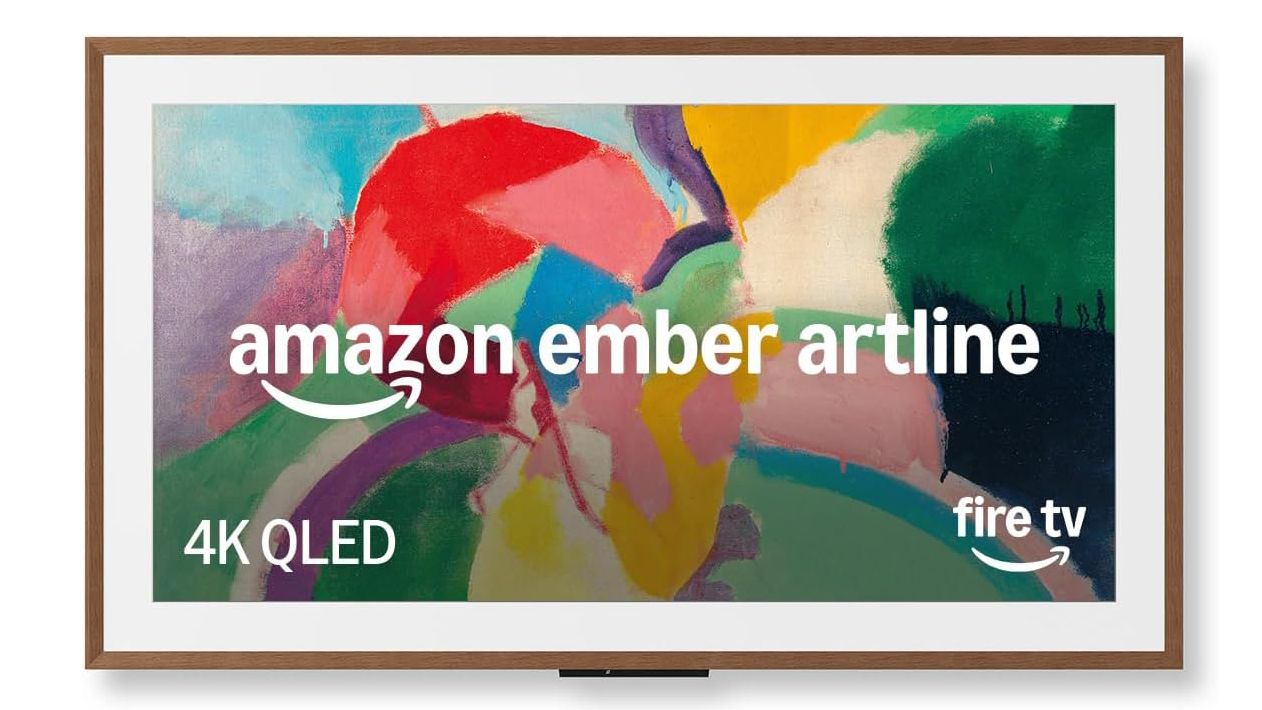
Quality-focused buyers who are sensitive to how the TV looks as an object may still lean Samsung. Quality-focused buyers who care more about how naturally the TV works inside their daily routine may find Amazon more convincing.
Which One Suits the Simpler Setup Better?
This is one of Ember Artline’s strongest arguments.
For buyers who already use Fire TV, Alexa, Amazon Photos, or Prime services, the Ember Artline fits into the house with less mental friction. It does not ask the buyer to rethink the smart-TV layer. It simply extends an ecosystem they may already understand.
That makes it better for a simpler setup.
Samsung The Frame can still be straightforward, but it feels more like a dedicated lifestyle-TV purchase. It asks the buyer to care about the product as a design statement. Ember Artline feels more like a practical entertainment device that also happens to soften the room.
“The Ember Artline makes more sense for someone who wants fewer decisions after purchase. The Frame makes more sense for someone who is willing to curate the setup more deliberately.”
For apartments, casual living rooms, bedrooms, guest spaces, and Amazon-heavy homes, Ember Artline is easier to justify.

Which One Makes More Sense for Demanding Use?
Demanding use depends on what “demanding” means.
For a buyer who demands the most convincing art-TV presence, Samsung The Frame is still the more natural answer. It carries the stronger design-first reputation and feels built around the idea of being judged even when it is off.
For a buyer who demands more from the smart layer — voice control, smart-home behavior, photos, streaming, and convenience — Ember Artline starts to look more modern in the way Amazon wants it to.
That creates a clean split:
- Demanding decor use: Samsung The Frame.
- Demanding smart-home use: Amazon Ember Artline.
- Demanding cinematic use: neither should be judged like a flagship home-theater TV.
- Demanding everyday family use: Ember Artline may feel easier and more flexible.
This is the category trap: people sometimes expect an art TV to behave like the best home-cinema TV and the best decor object at the same time. That is not the real deal. These are lifestyle screens first.
Where Amazon Ember Artline Wins Clearly
Amazon Ember Artline wins most clearly when the buyer wants the art-TV idea to feel less precious.
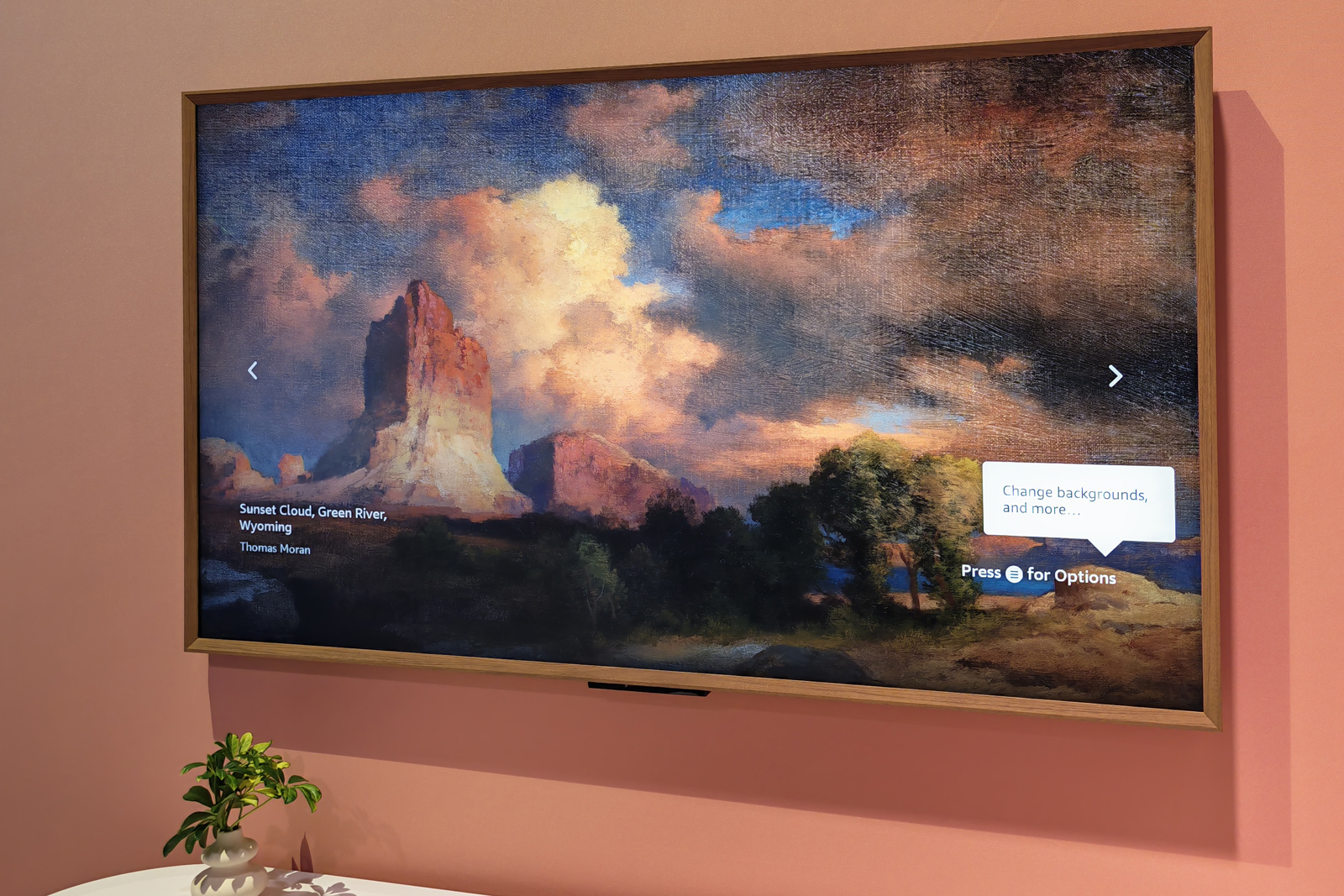
Its appeal is not that it defeats Samsung at Samsung’s own game. Its appeal is that it reframes the game. It says: you can have the decorative screen, the matte art display, the smart-TV experience, the personal photo angle, and the Amazon ecosystem connection without treating the purchase like a design luxury decision.
That is a strong position.
Amazon Ember Artline wins clearly for:
- Buyers who already live inside the Amazon ecosystem.
- People who want Fire TV built into the experience.
- Homes where Alexa and voice control matter.
- Buyers who want a lifestyle TV but are still price-sensitive.
- People who care about personal photos as much as curated art.
- Rooms where convenience matters more than design purity.
“Ember Artline’s best argument is not that it is more prestigious. It is that it makes the art-TV idea feel more usable.”
That matters because many buyers do not need the most iconic art TV. They need the one they can actually justify.

Where Samsung The Frame Wins Clearly
Samsung The Frame wins clearly when the product is being bought as part of the room’s design language.
It is the obvious alternative for a reason. It has category recognition. It has a strong visual identity. It is the product people already think of when someone says “TV that looks like art.”
That confidence matters.
Samsung The Frame wins clearly for:
- Buyers who care most about the TV’s presence when off.
- Living rooms where interior design is the main priority.
- Homes where the TV is highly visible all day.
- Buyers who want the established art-TV reference point.
- People who are less worried about cost creep and more focused on finish.
- Anyone who wants the safer, more familiar lifestyle-TV choice.
“The Frame still has the advantage of feeling like the category’s original answer, not the challenger’s interpretation.”
For design-sensitive buyers, that may be enough to decide it.
Where the Other Product Quietly Offers Better Judgment
This is where the decision becomes less obvious.
Samsung The Frame may feel like the more desirable product on paper, but Amazon Ember Artline may be the better judgment call for a lot of real homes.
Why? Because not every room needs the most design-famous choice. Some rooms need a screen that looks better than a normal TV, handles streaming cleanly, works with the household’s existing habits, and does not inflate the budget unnecessarily.
That is where Ember Artline quietly makes sense.
It may not carry the same prestige, but it may deliver the better balance for buyers who are not trying to impress an interior designer. And frankly, that is most people.
| Scenario | More Sensible Pick |
|---|---|
| Main living room with strong decor focus | Samsung The Frame |
| Family room where streaming matters more | Amazon Ember Artline |
| Bedroom TV that should not look ugly when off | Amazon Ember Artline |
| Design-led apartment centerpiece | Samsung The Frame |
| Amazon smart-home household | Amazon Ember Artline |
| Buyer wants the safest art-TV name | Samsung The Frame |
Differences That Matter — And Differences That Barely Matter
The differences that matter are not always the ones spec tables make loud.
Differences That Matter in Practice
| Difference | Why It Matters |
|---|---|
| Ecosystem | Fire TV and Alexa matter if your home already uses Amazon devices |
| Art experience | The whole purchase only makes sense if the screen looks pleasant when not in use |
| Frame and wall presence | This affects whether the TV actually disappears into the room |
| Cost of ownership | Accessories, frames, setup, and services can change the real value |
| Daily interface | A beautiful TV becomes annoying if the software feels wrong for your habits |
Differences That Barely Matter for Many Buyers
| Difference | Why It May Not Decide the Purchase |
|---|---|
| Tiny spec advantages | Lifestyle TVs are not bought like pure home-theater displays |
| Brand loyalty alone | The room fit matters more than the logo |
| Maximum technical performance | Buyers in this category usually care about balance, not perfection |
| Art catalog bragging | The experience matters more than the number on the marketing page |
| Remote details | Important, but rarely the deciding factor unless the interface frustrates you daily |
“The real difference is not which TV wins more bullet points. It is which one creates fewer regrets in the room where it will live.”
How the Decision Changes by Buyer Priority
This is the cleanest way to choose.
| Your Priority | Choose Amazon Ember Artline If… | Choose Samsung The Frame If… |
|---|---|---|
| Budget | You want the art-TV effect without stretching the purchase | You are comfortable paying more for the established choice |
| Design | You want the TV to look better than normal | You want the TV to feel like a deliberate decor object |
| Smart features | You prefer Fire TV, Alexa, and Amazon integration | You are not buying mainly for Amazon ecosystem features |
| Simplicity | You want fewer decisions and easier daily use | You are willing to curate the setup more carefully |
| Living room prestige | You want good visual integration | You want the recognized art-TV statement |
| Family use | You want a practical screen that still looks nicer off | You want style to lead the decision |
| Long-term confidence | You trust Amazon’s ecosystem convenience | You trust Samsung’s category experience |
Is the Cheaper Option Actually Enough?
For many buyers, yes — Amazon Ember Artline is likely enough.
That is the uncomfortable part for Samsung. The Frame may still be the more iconic product, but not every buyer needs iconic. Some buyers need convincing enough.
If Ember Artline gives you the core lifestyle benefit — a TV that looks less dead when off, works well for streaming, displays art and photos, and fits naturally into your existing smart-home habits — then paying more for the obvious alternative becomes harder to justify.
The cheaper option is enough when:
- You are not obsessing over the most polished art-TV illusion.
- You already like Fire TV.
- You want art mode as a major bonus, not the entire reason for purchase.
- You care about value as much as room aesthetics.
- You want a better-looking everyday TV, not a museum wall.
But it is not enough when the TV will sit in a carefully designed room where every object is being judged. In that case, the safer design-first choice may still be Samsung.
Does the Pricier Option Earn Its Extra Cost?
Samsung The Frame earns its extra cost when the buyer values confidence.
That confidence is not only about specs. It is about knowing you are buying the product most people already associate with the category. It is about the finish, the reputation, the design language, and the reduced risk of wondering whether you should have bought the “real” art TV.
That is not irrational. For a design-led purchase, emotional confidence is part of the value.
“The Frame earns its premium when the room matters more than the bargain.”
But if the buyer is not emotionally attached to The Frame’s status, the extra cost becomes easier to question. Ember Artline’s entire job is to make that question uncomfortable.
Which Buyer Is Better Served by Each Side?
Amazon Ember Artline Is Better For
- The buyer who wants an art TV but still thinks practically.
- The Amazon household already using Alexa, Fire TV, or Amazon Photos.
- The budget-conscious buyer who does not want the room to look cheap.
- The family that wants streaming convenience first and visual softness second.
- The person who wants a nicer-looking TV without turning it into a design project.
- The buyer who sees art mode as part of daily ambience, not a luxury statement.
Samsung The Frame Is Better For
- The decor-first buyer who wants the safest art-TV choice.
- The homeowner designing around the TV wall.
- The buyer who wants the category’s most recognizable option.
- The person who cares more about visual identity than ecosystem convenience.
- The room where the TV will be seen more often than it will be watched.
- The buyer who does not want to feel like they compromised on the lifestyle object.
The Final Recommendation
The smarter choice between Amazon Ember Artline and Samsung The Frame depends on whether you are buying an art TV as a design statement or as a more livable everyday screen.
Choose Samsung The Frame if the TV is part of the room’s visual identity and you want the more established, design-first option. It remains the obvious pick for buyers who want the safest art-TV answer and are willing to pay for that confidence.
Choose Amazon Ember Artline if you want the same general category promise with a more practical value story. It makes more sense for buyers who already like Amazon’s ecosystem, want Fire TV convenience, care about personal photos and smart-home behavior, and do not need the prestige of the original category leader.
Our judgment:
For the buyer who cares most about decor, Samsung The Frame still makes more emotional sense. For the buyer who wants the art-TV idea to feel easier, smarter, and less expensive to live with, Amazon Ember Artline is the more sensible choice.
“The Frame is the safer design answer. Ember Artline is the better value argument. The right choice depends on whether your wall needs a statement or your home needs a smarter screen.”
Explore the Amazon Ember Artline Gallery
Every image from this article, gathered in one clean place. Tap any photo to open it larger.