



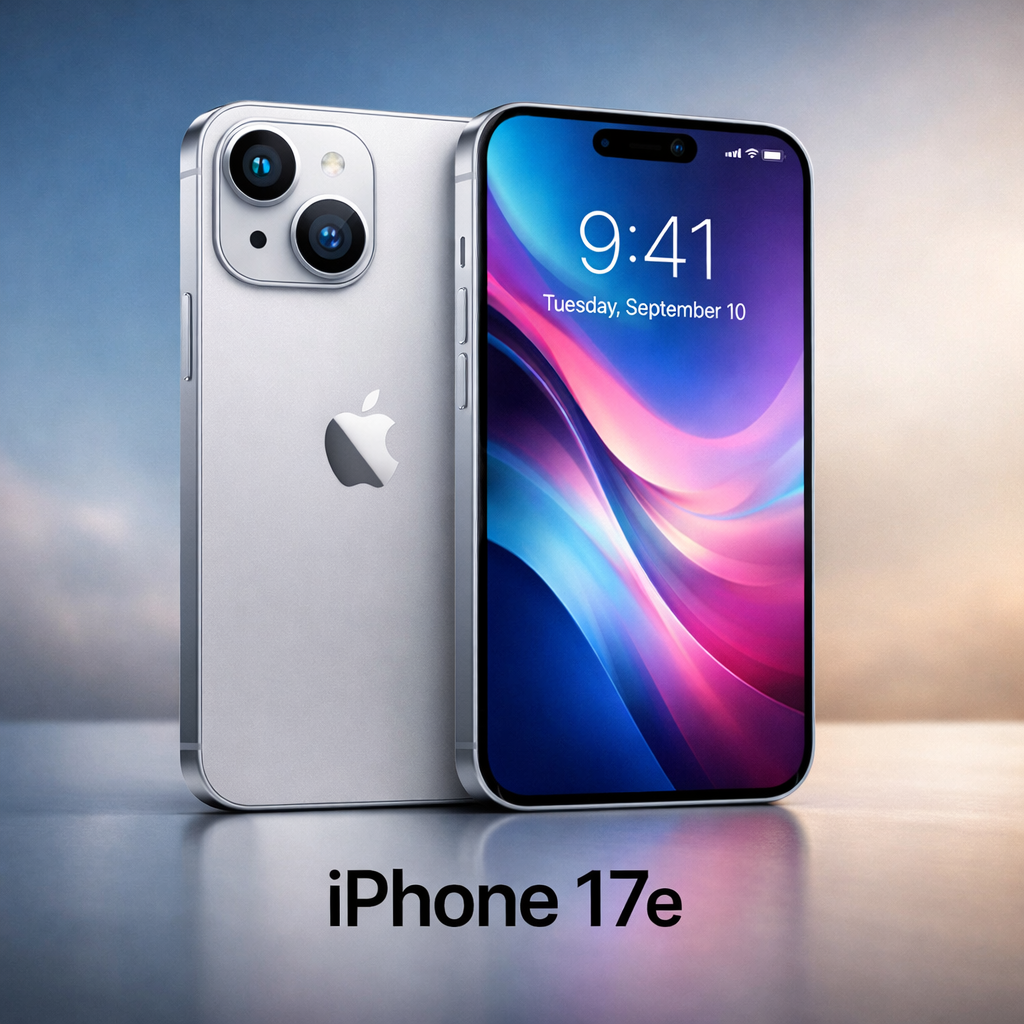
The Apple iPhone 17e is easy to understand on paper: modern iPhone performance, Apple Intelligence support, a cleaner entry point into the current lineup, and enough familiar Apple polish to make it feel safe.
But the weaker side of the iPhone 17e appears once you stop looking at it as “the affordable new iPhone” and start asking a harder question:
Does it feel like a complete modern iPhone, or does it feel like Apple carefully removed just enough to protect the more expensive models?
That is where the iPhone 17e becomes more complicated.
It is not a bad phone. That would be too easy, and honestly, not accurate. The problem is more subtle: its shortcomings are not dramatic, but they are repeated. One limitation here, one missing convenience there, one “good enough” choice somewhere else — and slowly, the product starts to feel less refined than its price and Apple badge suggest.
The Short Version: Where iPhone 17e Feels Weakest
| Area | What Feels Limited | How Much It Matters |
|---|---|---|
| Camera flexibility | Single rear camera limits framing, travel shots, and creative options | High |
| Display experience | Feels less premium than Apple’s better iPhones | Medium to High |
| Design freshness | Familiar shape, familiar compromises, less “new phone” energy | Medium |
| Connectivity choices | USB-C is useful, but the port still feels basic for heavier users | Medium |
| Apple feature separation | Some omissions make the phone feel strategically restrained | High |
| Long-term satisfaction | The phone may age well technically, but feel limited experientially | High |
“The iPhone 17e does the core iPhone job well. Its weakness is that it keeps reminding you which iPhone you did not buy.”
The Weakest Part Is Not Speed — It Is Flexibility
The iPhone 17e does not really fall short because it feels slow. That is not the problem. Apple knows how to make even its more affordable iPhones feel smooth, responsive, and reliable in daily use.
The weaker part is flexibility.
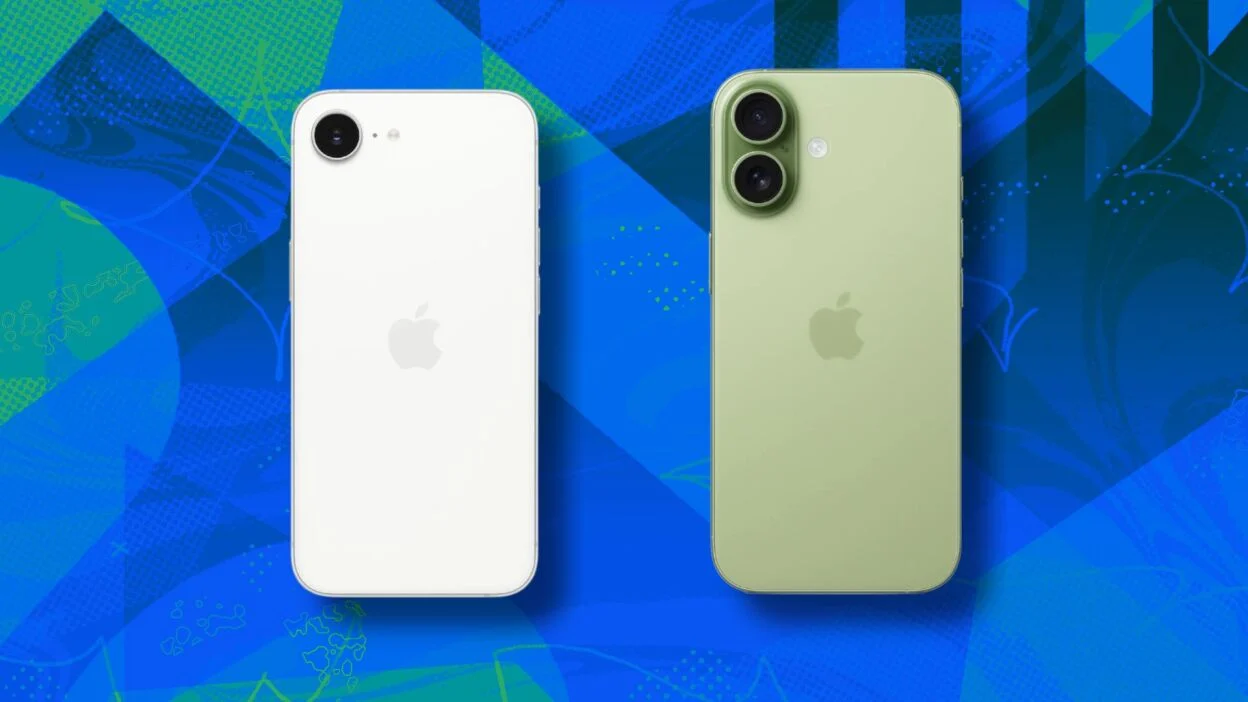
This is most obvious with the camera system. A single rear camera can be excellent within its comfort zone, but it narrows the phone’s personality. You can take good everyday photos, yes. But the moment you want more visual range — wider scenes, more dramatic framing, cleaner zoom options, better creative separation — the iPhone 17e starts to feel like a phone designed around restraint.
That matters because people do not buy iPhones only to make calls and open apps. They buy them as their main camera, travel companion, family recorder, social tool, scanner, wallet, screen, and daily computer.
And in that wider role, the iPhone 17e is competent, but not as confident.
The First Disappointment Careful Buyers May Notice
The first disappointment is not that the iPhone 17e feels cheap.
It does not.
The disappointment is that it can feel too obviously positioned.
Apple has become very good at building products that feel complete while still leaving room above them. With the iPhone 17e, the balance is less invisible. You can sense the product planning. You can feel where Apple wanted to keep the price lower, but you can also feel where it wanted to protect the standard iPhone 17 and Pro models.
That is the emotional issue with the 17e.
“The frustrating part is not that Apple made compromises. It is that some of them feel less like necessity and more like product-line discipline.”
For a buyer coming from an older iPhone, the upgrade may still feel strong. But for someone comparing it against the rest of the current iPhone family, the 17e can feel like the sensible option that keeps asking you to accept sensible limitations.
The Camera Sounds Stronger Than It Feels
The 48MP Fusion camera gives the iPhone 17e a serious-looking spec. On the product page, that number does a lot of work.
In real buying terms, though, the limitation is not megapixels. It is camera range.
A good main camera is useful. A flexible camera system is different.
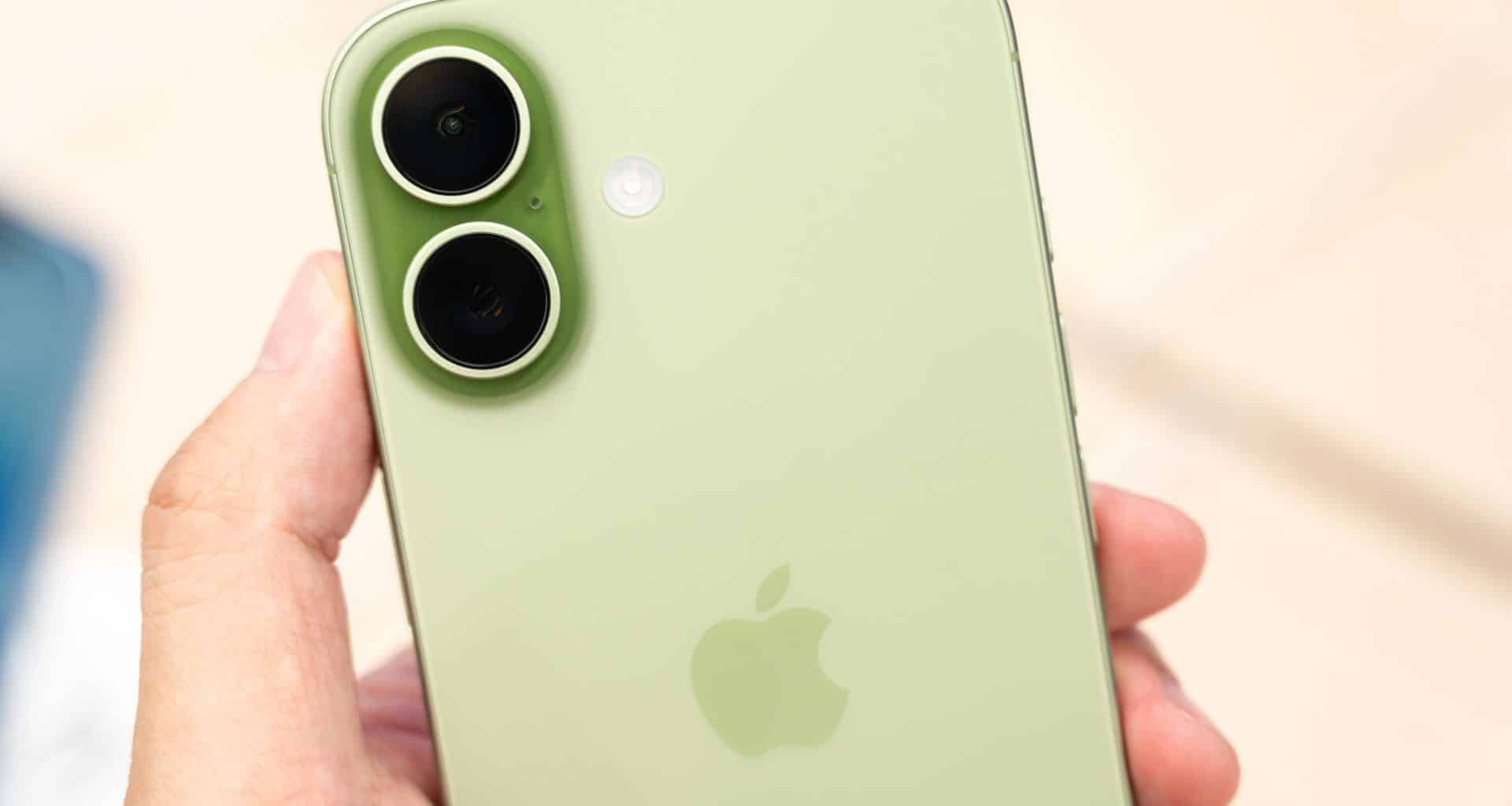
Where the Camera Feels Most Limited
| Scenario | Why the iPhone 17e Feels Less Convincing |
|---|---|
| Travel photos | You may miss the ability to go wider without stepping back |
| Architecture and interiors | A single lens can feel restrictive in tight spaces |
| Events and family moments | Zoom and framing flexibility matter more than people expect |
| Content creation | The phone gives you quality, but less creative variety |
| Everyday casual shooting | Fine most of the time, until the framing is not right |
This is the part that looks good enough on paper but becomes less satisfying in use. The camera is not weak in the basic sense. It is weak in the “I wish I had another option” sense.
That feeling tends to grow over time.
A buyer may not notice it on day one. But after enough moments where the shot needs a wider view, a better crop, or a more natural zoom, the limitation becomes harder to ignore.
The Display Is Good, But It Does Not Feel Like the Future
The iPhone 17e’s display is not bad. It is sharp, clean, colorful, and completely usable for everyday life.
But this is one of those areas where “good” and “premium-feeling” are not the same thing.
Apple’s better iPhones have trained people to expect more from the screen experience. Once you are used to a more fluid, more advanced display, the iPhone 17e can feel like it is doing the job rather than elevating it.
That matters because the screen is the phone.
You see it every time you unlock the device. You feel it when scrolling. You notice it when switching between apps. You judge the entire product through that panel, even when you do not consciously think about it.
“The display does not ruin the iPhone 17e. It just quietly reminds you that this is not Apple’s best version of the iPhone experience.”
For casual users, this may be tolerable. For buyers who keep phones for years or care deeply about how premium a device feels every day, it becomes a meaningful shortcoming.
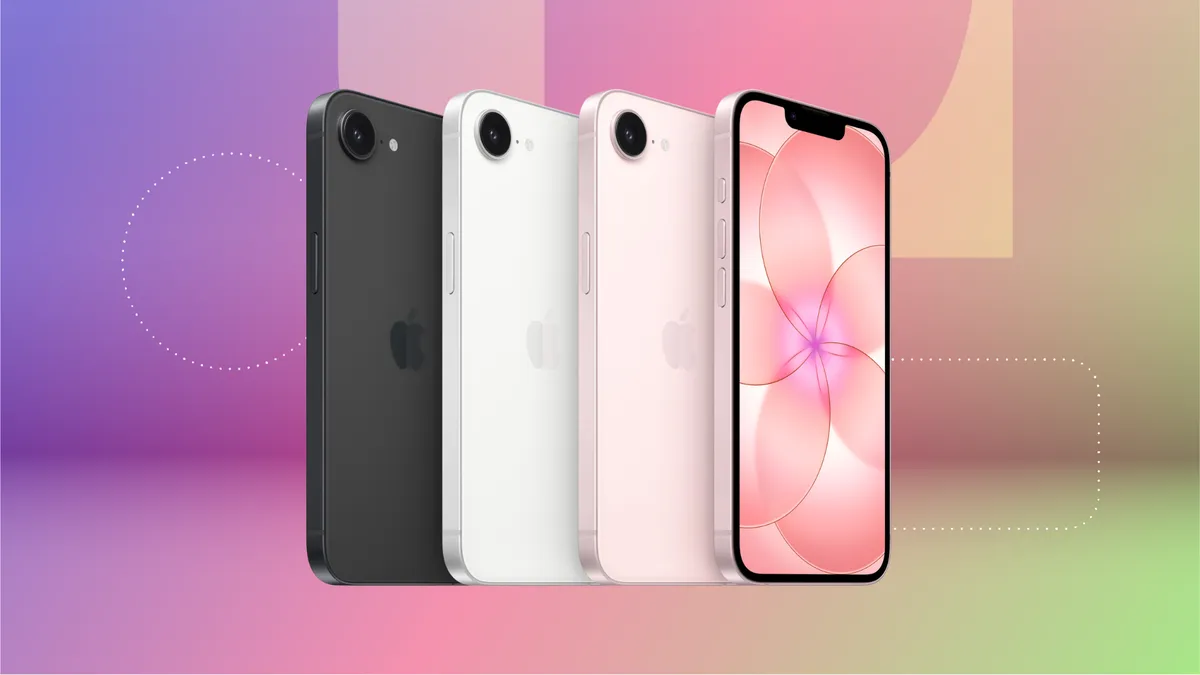
Where Expectations and Reality Separate Most Clearly
The biggest gap is between the phrase “modern affordable iPhone” and the feeling of actually living with one.
Because yes, the iPhone 17e is modern in the important ways. It has current Apple performance, long software life, Apple Intelligence support, USB-C, MagSafe, and a strong baseline storage position.
But reality is more layered.
| Expectation | Reality |
|---|---|
| “It has the latest Apple chip, so it should feel like the full modern iPhone.” | It feels fast, but not as complete as the higher models. |
| “48MP means the camera should be enough.” | The main camera is capable, but the single-lens setup limits flexibility. |
| “It is the smart value iPhone.” | It is smart value only if you do not care about the missing refinements. |
| “USB-C fixes the port issue.” | USB-C helps, but heavier users may still feel the port experience is basic. |
| “Apple Intelligence makes it future-ready.” | It helps, but it does not erase hardware compromises. |
This is where the iPhone 17e becomes a buyer-personality test.
Some people will see the omissions and shrug. Others will feel them every week.
The Design Choice That Creates Awkwardness
The iPhone 17e’s awkwardness comes from the way it mixes modern features with deliberately restrained hardware.
You get enough to feel included in the current generation. But not always enough to feel fully current.
That creates an odd middle ground.
It is not a tiny budget iPhone. It is not an old clearance model. It is not a Pro device. It is not trying to be exciting in the same way the mainline iPhone is.
Instead, it sits in a practical zone where Apple is basically saying: this is the iPhone for people who want newness, but not too much newness.
That may be perfect for some buyers.
But for others, it creates friction.
The phone can feel like it is asking you to be reasonable every time you want it to be a little more generous.
“The 17e is polished enough to avoid feeling cheap, but limited enough to avoid feeling special.”
That is a delicate balance. And not every buyer will like where Apple drew the line.
The Limitation That Affects Trust Most
The most trust-damaging weakness is not one single missing spec. It is the sense that the iPhone 17e may be too carefully held back.
Trust, in this case, does not mean reliability. The iPhone 17e should still feel reliable in the normal Apple way.
The trust issue is different: will this phone still feel like the right decision two or three years from now?
That is where the compromise becomes more serious.
When a phone starts with fewer hardware luxuries, fewer camera options, and a more basic overall feel, it may still age well on software, but it can age less gracefully in satisfaction.
You may not regret it because it fails. You may regret it because your expectations rise.
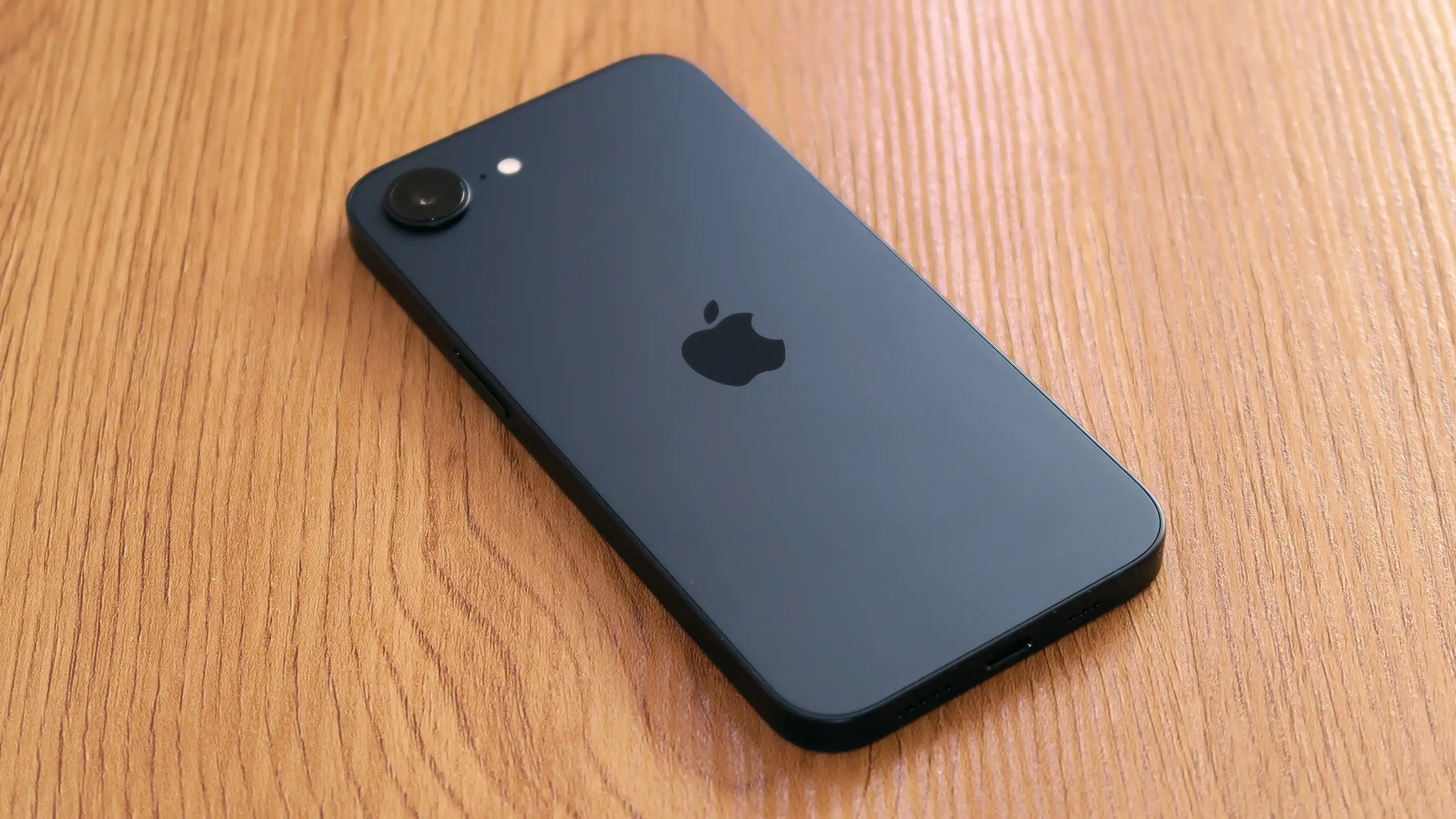
The Weakness That Becomes Harder to Ignore Over Time
At first, the iPhone 17e’s value argument is strong.
It is new. It is Apple. It supports the current ecosystem. It gives many buyers the core iPhone experience without pushing them into the higher price tier.
But after the excitement fades, the weak spots become more visible.
The repeated irritations are likely to be:
- Wanting more camera flexibility
- Feeling the screen is good but not premium
- Noticing the design feels familiar rather than fresh
- Seeing higher iPhones get the more refined experience
- Wondering whether paying more upfront would have aged better
None of these are catastrophic by themselves.
Together, they create the real weakness of the product: the iPhone 17e may feel like a smart purchase at checkout, but a slightly compromised one in long ownership.
The Part That Feels Less Polished Than Expected
For an Apple product, polish is not just about build quality. It is about how naturally the whole product comes together.
The iPhone 17e is polished in the basic Apple sense. The software will feel familiar. The hardware will feel solid. The ecosystem will work. The setup will be easy.
But the product concept itself feels less polished.
It is a phone built around subtraction. Apple gives you the essential modern iPhone experience, then removes enough premium touches to create distance from the rest of the lineup.
That makes the iPhone 17e feel less like a pure expression of what Apple can do and more like a carefully managed compromise.
“The 17e feels refined as a device, but less refined as a decision.”
That distinction matters.
A great product makes the buyer feel settled. The iPhone 17e may make some buyers feel like they negotiated with themselves.
Where It Loses Confidence Fastest
The iPhone 17e loses confidence fastest when the buyer expects it to behave like a cheaper version of the best iPhone, rather than a deliberately simpler iPhone.
That difference is everything.
It is strongest for:
| Buyer Type | Why Confidence Drops |
|---|---|
| Camera-heavy users | The single rear camera becomes limiting quickly |
| People upgrading from Pro models | The screen and camera experience can feel like a downgrade |
| Travelers | Fewer framing options can become annoying |
| Creators | The phone lacks the creative range of higher models |
| Long-term owners | Missing refinements may matter more after two years |
The iPhone 17e is safest for buyers who know exactly what they do not need.
It is riskier for buyers who are trying to convince themselves they will not miss better hardware.
The Detail That Makes It Feel Less Refined Than Competitors
The uncomfortable comparison is not always against Android phones. It is often against Apple’s own lineup.
That is where the 17e has the hardest job.
Many competing phones at similar prices try to impress with hardware generosity: bigger screens, multiple cameras, faster charging, flashier displays, or more aggressive specs. Apple does not usually play that game. Apple sells integration, longevity, reliability, and ecosystem comfort.
That works — until the omissions become too visible.
The single-camera approach, the restrained display experience, and the selective feature set make the iPhone 17e feel less generous than some competitors, even if it may still be stronger in software support and everyday reliability.
This is the trade buyers need to understand clearly:
| If You Value… | The iPhone 17e Feels… |
|---|---|
| iOS, Apple ecosystem, long support | Sensible |
| Camera variety | Limited |
| Premium display feel | Compromised |
| Maximum specs for the money | Conservative |
| Simple daily reliability | Strong |
| Exciting hardware | Underwhelming |
Is the Weakness Tolerable, Annoying, or Disqualifying?
The iPhone 17e’s shortcomings are usually annoying, not automatically disqualifying.
That is what makes the decision harder.
If the phone were obviously bad, the answer would be simple. But it is not. It is capable, modern, and probably more than enough for many people.
The real question is whether its weaker areas touch your daily priorities.
The Weakness Severity Table
| Shortcoming | Severity | Who Should Care Most |
|---|---|---|
| Single rear camera | High | Travelers, parents, creators, social users |
| Less premium display feel | Medium/High | Pro iPhone users, heavy scrollers, long-term owners |
| Familiar design | Medium | Buyers wanting a fresh-feeling upgrade |
| Basic port experience | Medium | People moving large files or using accessories heavily |
| Feature separation from higher models | High | Buyers sensitive to value and longevity |
| Overall restraint | Medium/High | Anyone buying the phone as a “main device for years” |
“The iPhone 17e is not weakened by one fatal flaw. It is weakened by the number of places where Apple asks the buyer to accept ‘enough.’”
The Shortcoming That Matters Most
The most important shortcoming is not the display, not the port, not even the design.
It is the camera flexibility.
That is the limitation most likely to affect real use, real memories, and real buyer satisfaction.
A phone camera is no longer a bonus feature. It is one of the main reasons people upgrade. When the camera system feels narrow, the whole phone feels narrower.
The iPhone 17e may take strong everyday photos, but it does not give buyers the same freedom to adapt to different scenes. That is the weakness that matters most once real priorities take over.
Because performance fades into the background when it is good. Storage fades into the background when there is enough. Battery fades into the background when it lasts.
But the camera?
You notice its limits exactly when the moment matters.
Who Should Be Careful Before Buying iPhone 17e?
The iPhone 17e deserves extra caution if you are one of these buyers:
- You take a lot of travel, family, food, event, or social photos.
- You are coming from an iPhone Pro and expect the same premium feel.
- You keep your phone for four or five years and want it to feel satisfying for the full cycle.
- You compare hardware value closely against Android alternatives.
- You care about having the most flexible camera setup possible.
- You want your new iPhone to feel noticeably exciting, not just sensible.
For these buyers, the iPhone 17e may still work. But it should not be bought blindly just because it is the cheaper current iPhone.
Who Will Find the Weaknesses Tolerable?
The iPhone 17e makes more sense for buyers who are very clear about their needs.
It is easier to recommend if you:
- Mostly take simple photos.
- Want a current iPhone without chasing the best camera.
- Care more about iOS than hardware extras.
- Prefer a smaller, familiar-feeling device.
- Do not care deeply about premium display smoothness.
- Want Apple longevity without paying for Pro-level features.
For that buyer, the iPhone 17e’s weaknesses are not fatal. They are simply the cost of getting a newer iPhone at a more controlled price.
But the buyer has to be honest.
This is not the iPhone for people who secretly want the better iPhone and are hoping not to notice the difference.
Final Verdict: Where Apple iPhone 17e Really Falls Short
The Apple iPhone 17e falls short in the places where modern phones need to feel generous: camera flexibility, display refinement, and long-term emotional satisfaction.
Its strongest defense is that it still delivers the core iPhone experience well. Its biggest weakness is that the core experience may not be enough for everyone anymore.
The iPhone 17e is tolerable if you want a practical, current, reliable iPhone and already know you do not need the extras.
It becomes annoying if you care about photos, screen feel, and the sense that your phone will still feel premium several years from now.
And it becomes disqualifying if you are buying it while secretly wanting the fuller iPhone experience.
“The iPhone 17e is best understood as a disciplined iPhone, not a generous one. That discipline keeps the price lower, but it also defines exactly where the product falls short.”
The shortcoming that matters most is simple:
The iPhone 17e gives you enough iPhone to be satisfied — but not always enough iPhone to stop wondering what you gave up.
Explore the Apple iPhone 17e Gallery
Every image from this article, gathered in one clean place. Tap any photo to open it larger.