


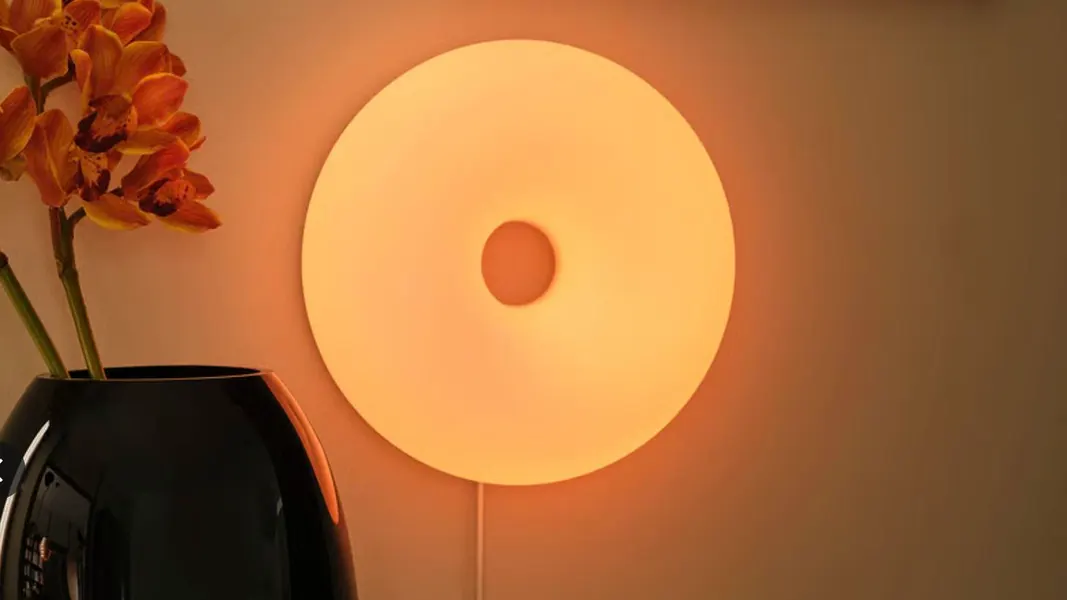
The IKEA VARMBLIXT Smart Donut Lamp is not really trying to win on raw lamp logic. It is trying to win on presence. That is the first thing to understand about it, and it is also the entire trade behind it.
This is a lighting product built to do more than light a room. It wants to create mood, shape, softness, and visual identity in one move. It wants to feel like décor first and utility second. For the right buyer, that is exactly why it feels exciting. For the wrong buyer, that is exactly why it can feel overpriced, overpraised, or quietly inconvenient.
In other words, the VARMBLIXT’s appeal is real. So is the compromise.
This is the kind of product that gives a room personality faster than it gives it useful light.
That is not a flaw by accident. It is the design decision at the center of the whole thing.
What the VARMBLIXT Is Clearly Trying to Deliver
The main benefit is not complexity. It is not flexibility. It is not even technical performance.
It is atmosphere with identity.
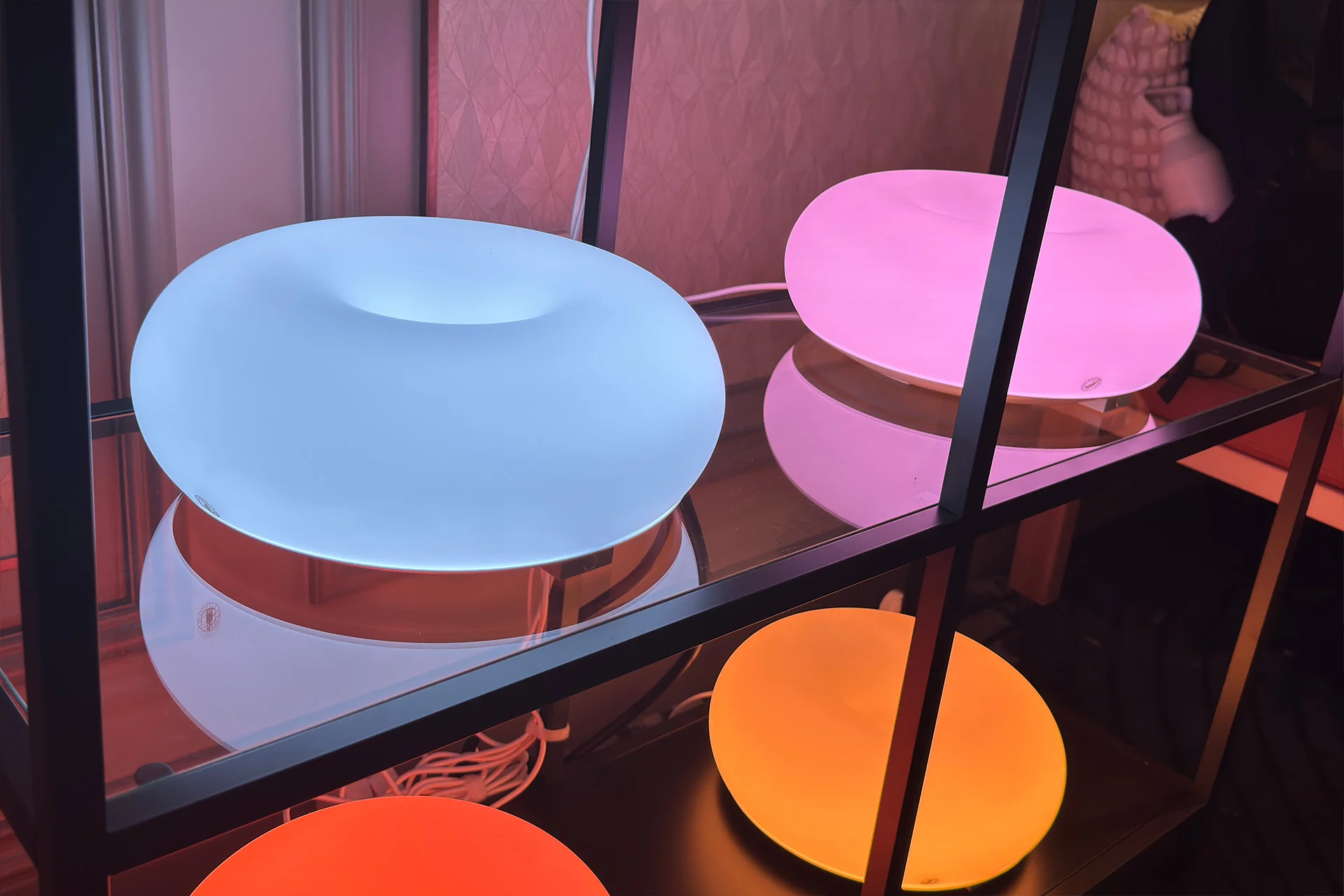
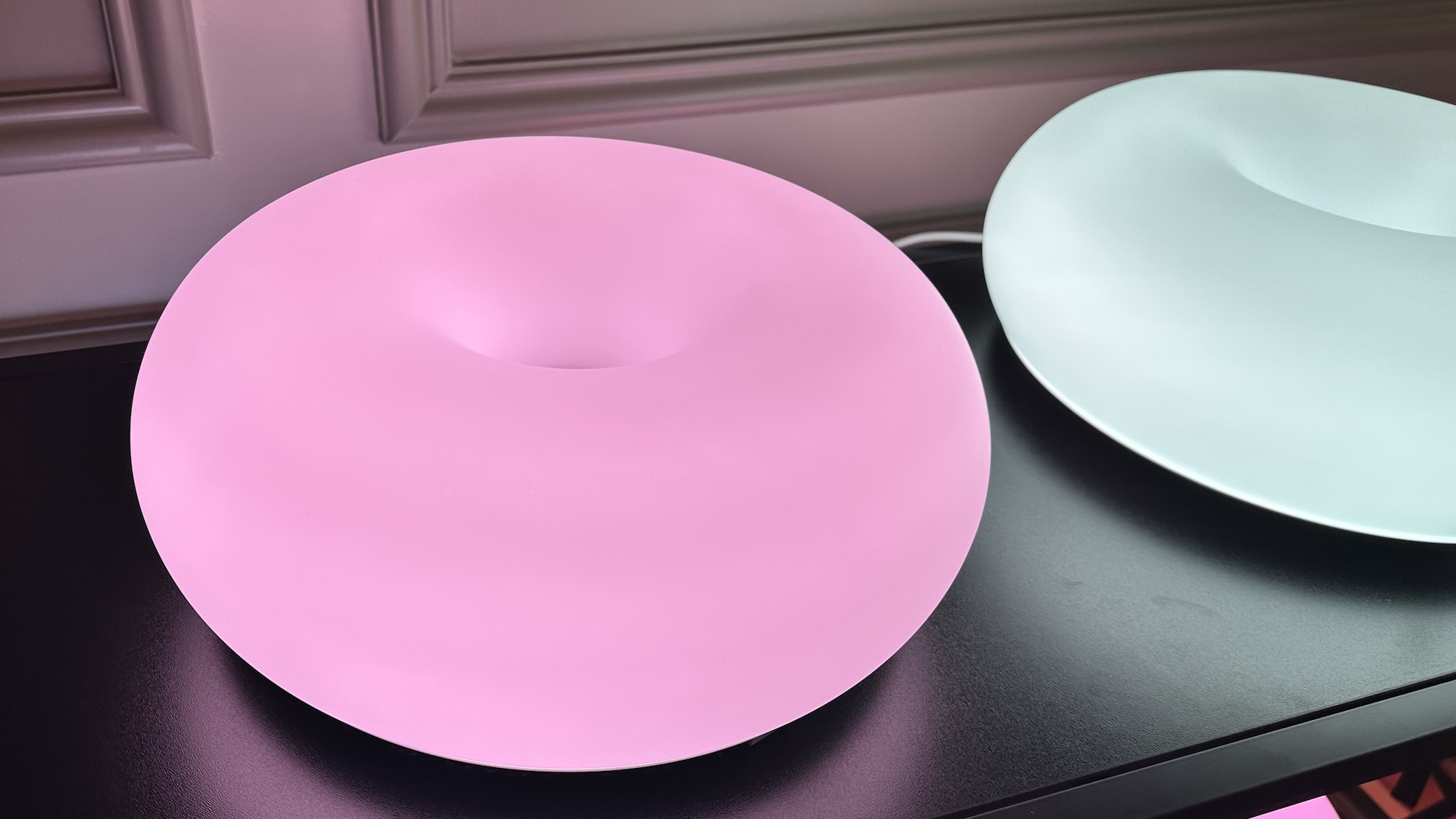
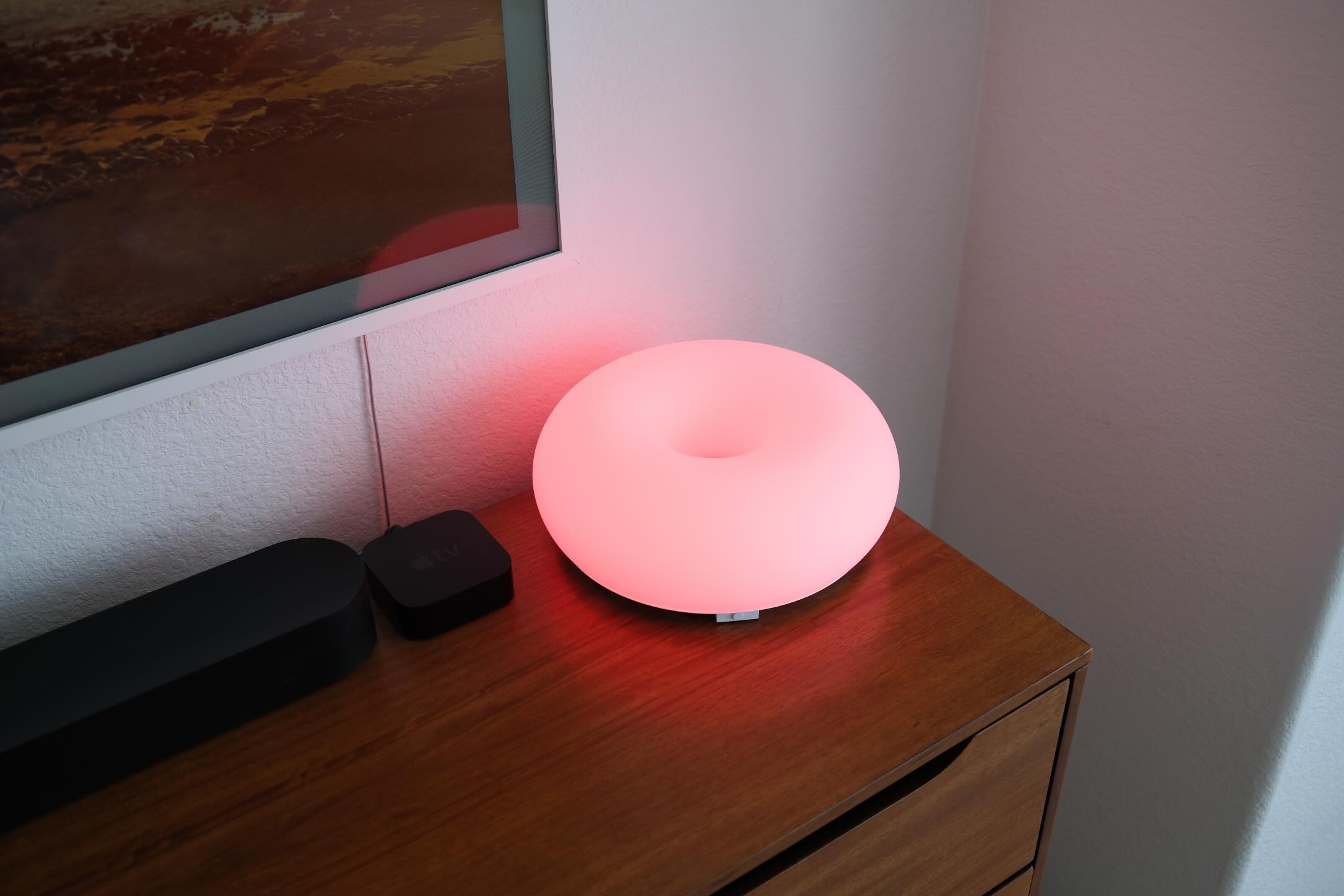
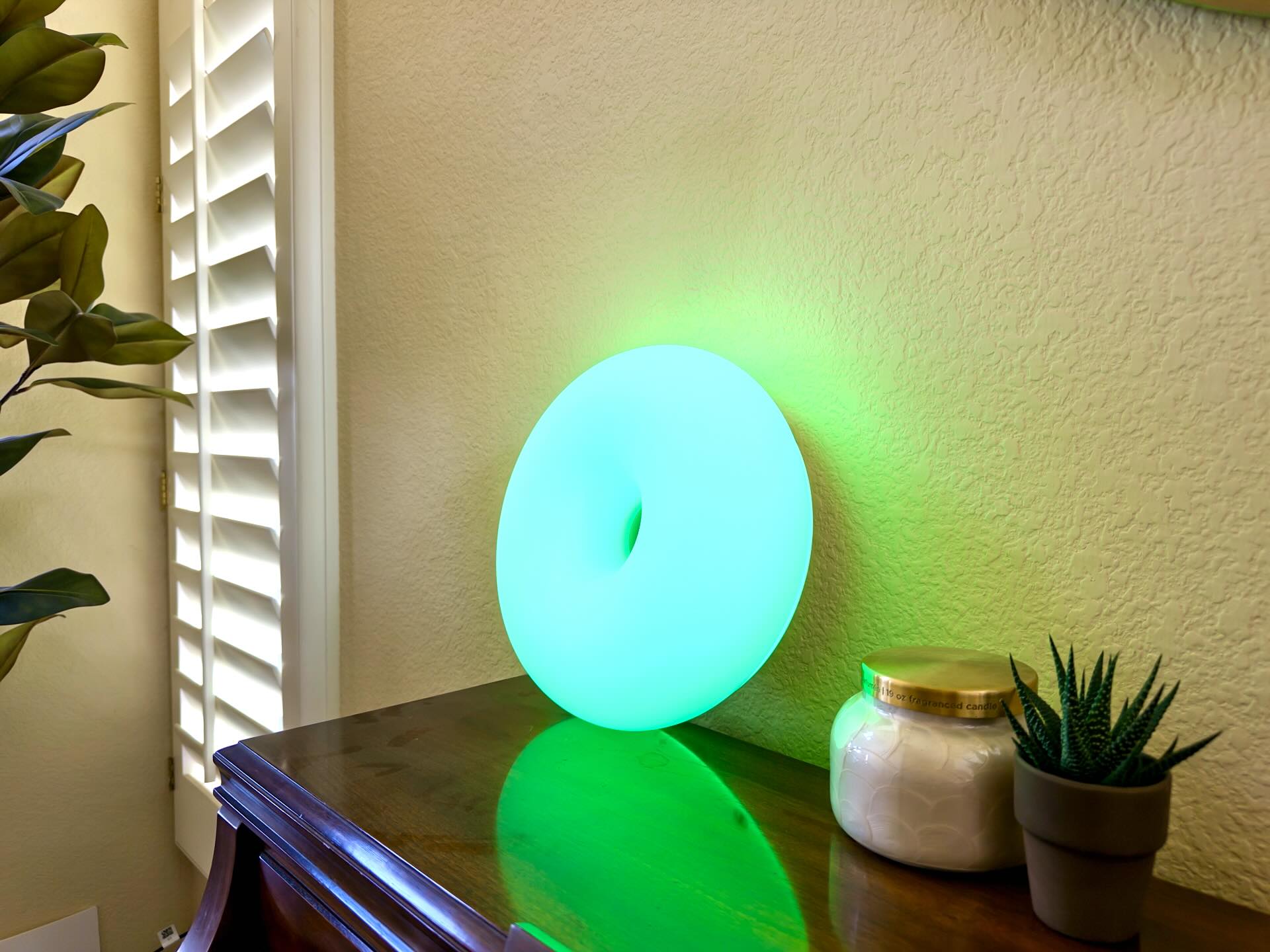
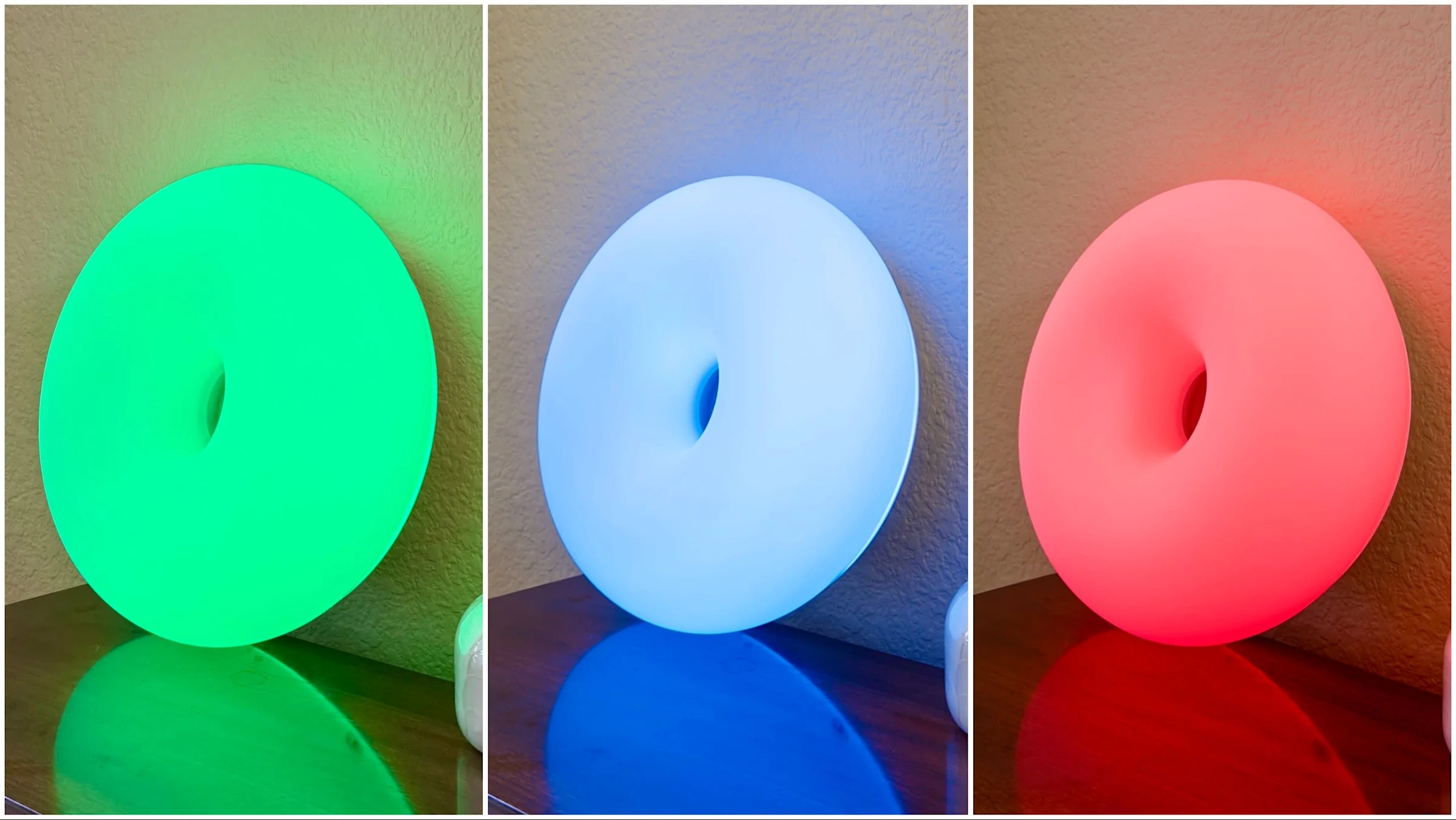
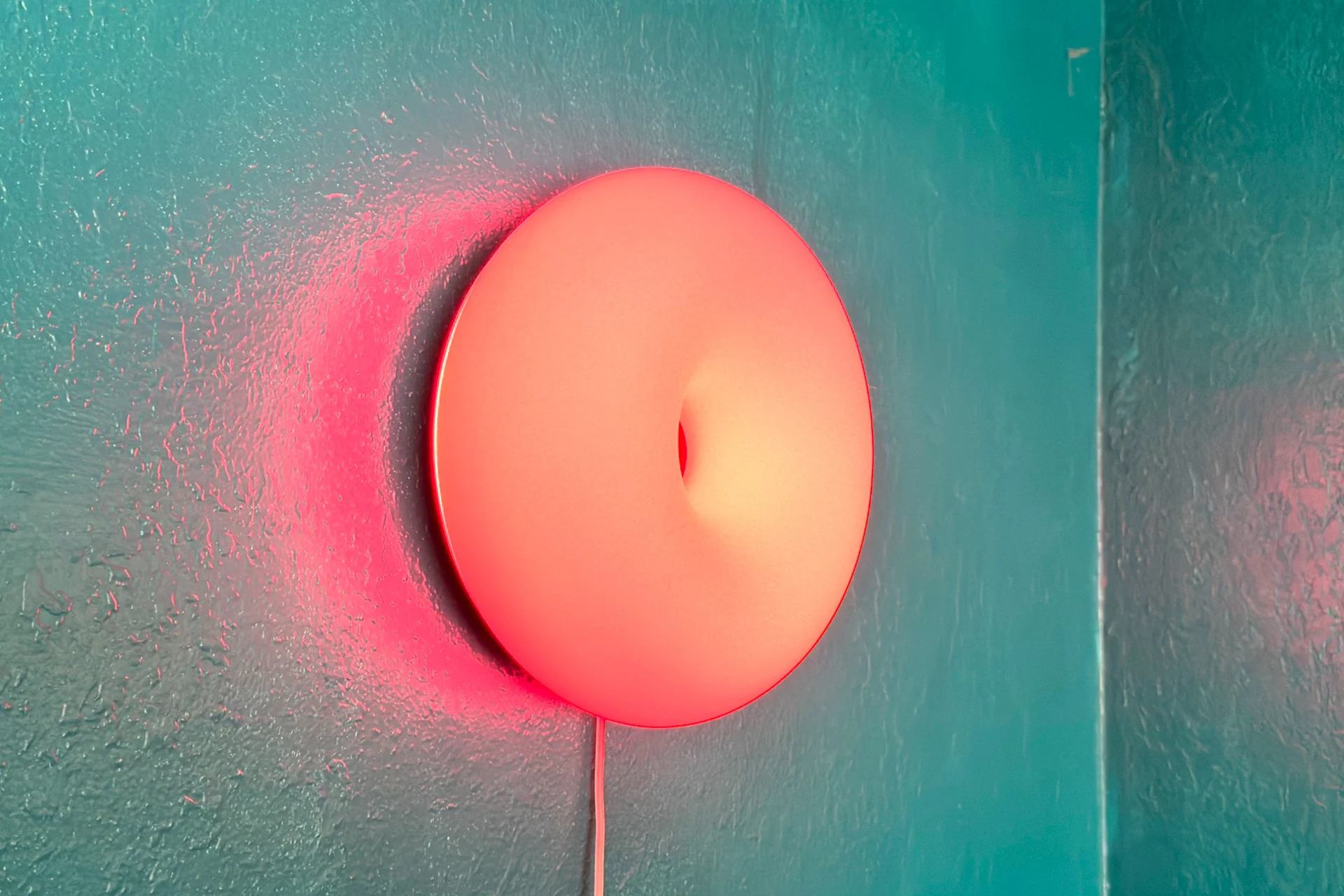
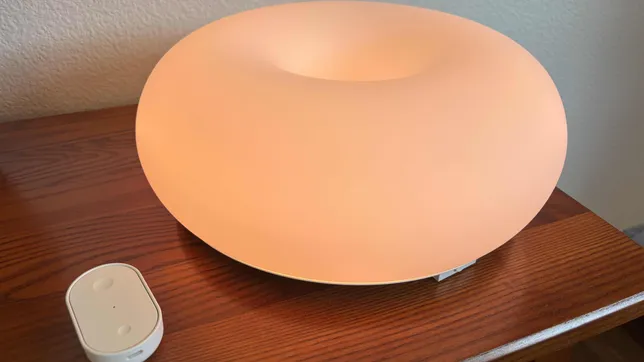
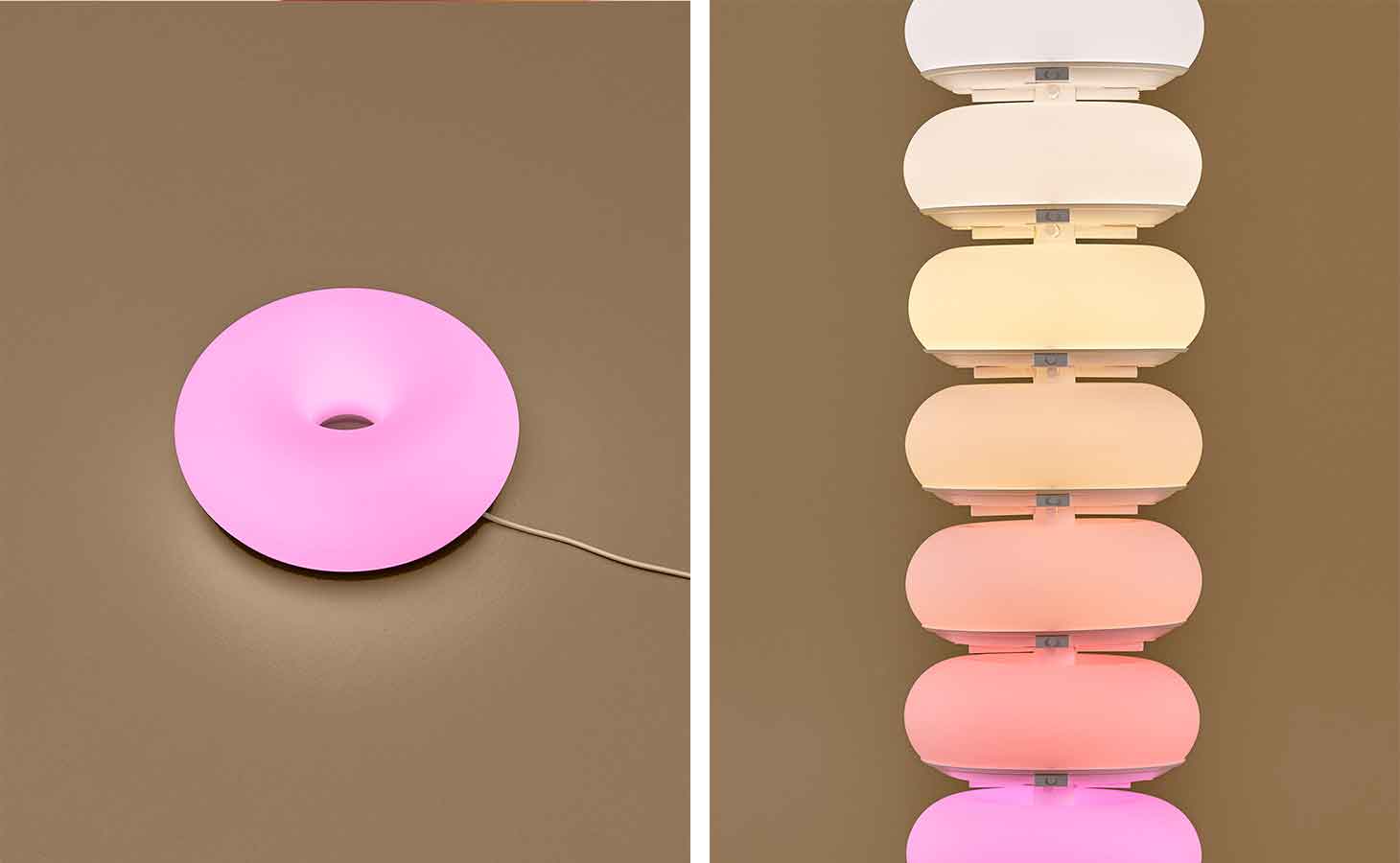
A lot of lamps disappear into a room and do their job quietly. The VARMBLIXT does the opposite. It wants to be noticed. Its circular glowing form is the point. The product is selling a feeling of intentional styling: warm light, sculptural shape, instant character, and that slightly gallery-like effect that makes an ordinary corner look more considered than it really is.
That is the strength. It is immediate. It is legible. It is emotionally effective.
You do not have to explain this lamp to anyone when they see it. They get it quickly. It makes a visual statement, and in a market full of forgettable lighting, that alone has value.
The Compromise Attached to That Main Benefit
The compromise is equally clear: once a lamp becomes this much about its form, it usually stops being as good at simply being a lamp.
That does not mean it fails. It means its priorities are narrow.
The VARMBLIXT is the kind of lighting object that tends to perform best when you ask it to create a mood layer, not solve a lighting problem. That distinction matters. Mood lighting is emotionally powerful, but it is also limited. It cannot replace the kind of flexible, practical, task-friendly lighting many buyers quietly expect once money changes hands.
So the trade is not subtle:
- you gain visual impact
- you gain ambience
- you gain a more designed-feeling space
But you give up some amount of:
- plain usefulness
- placement freedom
- lighting versatility
- value clarity
That is the exchange.
The Short Version of the Trade
| What You Gain | What You Give Up |
|---|---|
| A strong visual centerpiece | Some everyday lighting practicality |
| Warm, mood-heavy atmosphere | Broad-purpose usefulness |
| A lamp that behaves like décor | A product that disappears into routine |
| Distinctive identity | Easy “works anywhere” flexibility |
| Emotional appeal | Cleaner value-for-money logic |
What the Buyer Is Really Paying Extra For
With a product like this, the buyer is not only paying for materials or illumination.
They are paying for design resolution.
They are paying for a lamp that looks like a conversation piece without requiring vintage hunting, designer pricing, or styling expertise. That is part of IKEA’s talent at its best: taking a more design-conscious visual language and making it broadly available.
So the premium here is not just for light. It is for:
- a recognizable silhouette
- a room-upgrading object
- a warmer, more editorial look
- an easier route to “this space feels styled”
That is why the pricing conversation around products like this can get messy. On a purely practical level, some buyers will look at it and think, that is a lot for a lamp that is doing a fairly specific job. They are not wrong.
But the counterargument is also fair: ordinary lamps rarely change the emotional tone of a room this quickly.
What You Quietly Lose to Get That Advantage
This is the part many buyers notice later rather than immediately.
When a product is visually strong, people forgive a lot in the beginning. The object feels special. It looks good in product photos. It flatters a shelf, side table, media unit, or bedroom corner. It gives the room a sense of taste.
Then ownership settles in.
That is when the quieter questions show up:
- Does it work in more than one spot?
- Does it still feel worth it when the novelty fades?
- Is the light useful, or mainly beautiful?
- Does the lamp adapt to the room, or does the room have to adapt to the lamp?
That last question matters. The VARMBLIXT does not feel like a neutral household tool. It feels like a product that asks the room to participate in its aesthetic logic. That is fine in a deliberate interior. It is less fine in a home that just needs lighting to behave.
So what buyers silently give up is functional looseness. They lose some of that easy, forgiving, goes-anywhere practicality that more conventional lamps deliver without drama.
Is the Trade Intentional or Badly Balanced?
Mostly, it feels intentional.
That is important, because there is a big difference between a product that is limited because it was carelessly designed and a product that is limited because it made a clear choice.
The VARMBLIXT feels like the second kind.
Its entire value depends on the fact that it is not generic. If IKEA had softened it into something more normal, it would likely lose the very thing that makes people care about it. This lamp lives or dies by the sharpness of its aesthetic decision.
That said, intentional does not automatically mean well-balanced for everyone.
A well-judged trade for one buyer can be a badly judged one for another. The person who wants a piece of lighting that behaves almost like home sculpture may find the compromise completely acceptable. The person who wants one lamp to justify itself through daily usefulness may start questioning the balance much faster.
What Feels Overbuilt — and What Feels Under-Supported
The overbuilt part is the visual concept.
That sounds harsh, but it is not necessarily criticism. The shape, the presence, the object-quality of the lamp: that is where the energy is. That is where the design effort feels concentrated. It is the part of the product that seems most resolved, most deliberate, most defended.
The under-supported part is the more ordinary side of lamp ownership: the part where a buyer starts measuring usefulness rather than admiring shape.
That does not mean the product is careless. It means the design intensity is not evenly distributed. One side of the experience feels highly authored. The other side feels secondary.
That is common in statement lighting. The problem is that buyers do not always realize they are shopping for statement lighting. Many think they are shopping for “a nice lamp,” which is a broader and more forgiving category.
The VARMBLIXT is not broad. That is the point.
What This Product Prioritizes Above Everything Else
If we strip the product down to its real priority stack, it looks something like this:
- Looks
- Atmosphere
- Simplicity of emotional appeal
- General household usefulness
- Hard-nosed value logic
That hierarchy explains almost everything.
The lamp is not chasing maximum brightness, maximum adjustability, or maximum practicality. It is chasing an instantly understandable visual reward. The buyer sees it, imagines the room with it, and understands the promise immediately.
That makes the product easy to desire.
It also makes it easier to overestimate.
Because when design objects are this visually persuasive, buyers often start crediting them with more all-around usefulness than they actually deliver.
Does the Compromise Show Up Immediately or Later?
Both, but in different ways.
Immediate compromise
You can usually sense the limitation early if you are a practical buyer. The product reads as specific from the beginning. It does not pretend to be a universal solution.
Later compromise
The later compromise is subtler. It emerges when the room changes, when furniture moves, when seasons shift, when your lighting needs become more ordinary and less aspirational.
That is when some buyers realize they bought a lamp that was excellent at being that lamp but less excellent at flexing with real life.
And that is why this trade matters more than the spec sheet. Specs can describe a product. They cannot fully describe a product’s range of usefulness once it lives with you.

The Strength That Can Justify the Weakness
The strength is simple: few products at this level make a room feel more intentional, more atmospheric, and more visually confident this quickly.
That matters. A lot of home products promise style and end up looking predictable. The VARMBLIXT at least has conviction. It does not feel timid. It does not feel like it was designed by committee for the broadest possible acceptance.
For buyers who care deeply about mood, warmth, and a room having a point of view, that strength can absolutely justify the weakness.
Because in those homes, lighting is not just about seeing. It is about tone.
The Weakness That Can Cancel the Strength
The weakness is also simple: if you need your lighting to earn its price through versatility, the case gets shakier fast.
That is the cancellation point.
The moment a buyer starts asking questions like:
- Can this be my main lamp here?
- Will it still make sense if I rearrange the space?
- Am I paying mostly for shape?
- Would a more ordinary lamp solve more problems for less money?
…this product becomes harder to defend.
Not impossible to defend. Just harder.
Because the lamp’s best argument is emotional and aesthetic. If the buyer’s mindset is practical and performance-led, that argument weakens quickly.
Is It Optimized for One Clear Purpose or Stretched Too Far?
This is one of the better things about it: it feels optimized for one clear purpose.
It is not trying to be everything. It is trying to be memorable ambient lighting with design presence.
That focus helps it.
Many products become disappointing because they try to speak five languages at once: décor, utility, smart features, premium positioning, everyday affordability, and broad household compatibility. The VARMBLIXT feels much more single-minded than that.
Its risk is not confusion. Its risk is narrowness.
And frankly, narrowness is often a healthier design flaw than identity confusion.
How the Trade Compares With What Buyers Usually Expect at This Level
At this level, many buyers still expect a lamp to justify itself in a fairly traditional way:
- useful light
- easy placement
- adaptable styling
- clear price logic
The VARMBLIXT does not fully play by those rules. It pushes more of its value into design impact and emotional atmosphere than many buyers instinctively expect from a mainstream home retailer.
That is why reactions to it tend to split.
Some people see it and think, finally, IKEA made something with real visual confidence.
Others see it and think, this is a design object wearing a lamp’s name tag.
Both reactions make sense.
Who This Trade Works For — and Who It Does Not
This trade makes sense for:
- buyers who want ambient light with personality
- rooms that need a strong decorative focal point
- people who value design mood over pure utility
- shoppers who already understand that statement lighting is a category of its own
This trade makes less sense for:
- buyers seeking one lamp to do many jobs
- people who judge value mainly through function
- homes that need flexible, easily relocatable lighting
- shoppers who like décor that blends rather than declares itself
Final Verdict: Smart, Acceptable, or Poorly Judged?
The final balance feels smart for a narrow kind of buyer, acceptable for a style-first buyer, and poorly judged for a practical buyer.
That may sound like a hedge, but it is actually the clearest answer.
The VARMBLIXT is not weak because it makes a strong choice. It is strong because it makes a strong choice. The problem is that strong choices always exclude someone. This one excludes the buyer who wants design and usefulness to arrive in more equal proportions.
So the real tradeoff with the IKEA VARMBLIXT Smart Donut Lamp is not complicated:
You gain character, warmth, and visual presence.
You lose some practicality, flexibility, and obvious value logic.
For some rooms, that is an excellent bargain.
For others, it is a beautiful compromise that stops being charming the moment you ask it to do more than glow.
Explore the IKEA VARMBLIXT Smart Donut Lamp Gallery
Every image from this article, gathered in one clean place. Tap any photo to open it larger.