



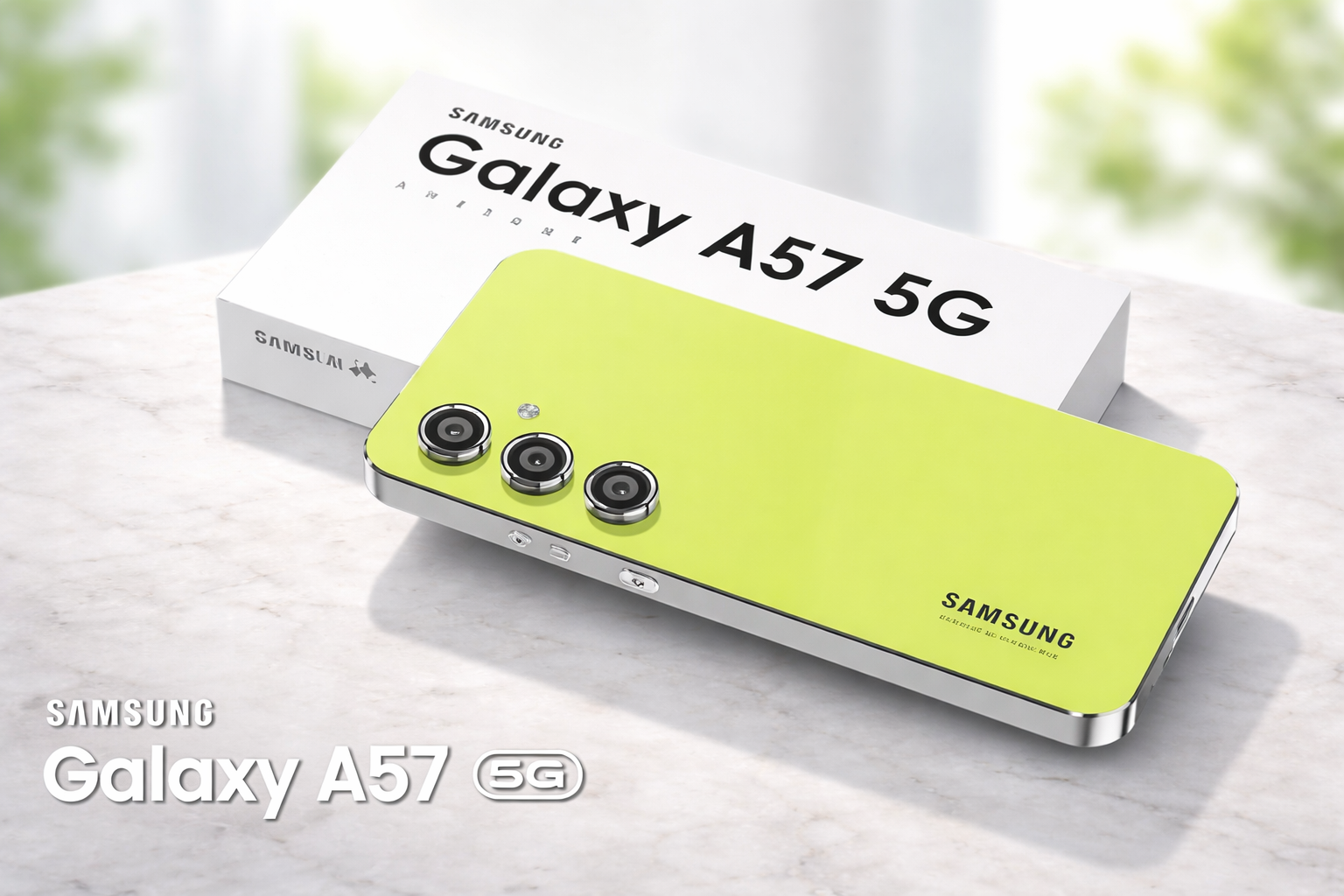

The Samsung Galaxy A57 5G feels like Samsung doubling down on maturity instead of spectacle. This is not a wild reinvention of the A-series, and it does not pretend to be. What Samsung has done here is refine the parts that mainstream buyers actually notice: the phone is slimmer, lighter, better protected, easier on the eyes, more polished in day-to-day use, and backed by one of the strongest software support promises in the mid-range market.
That sounds great, and in many ways it is. The problem is that the Galaxy A57 5G now sits in a tougher position than older A-series phones used to. At a starting price of $549.99 in the U.S., it no longer lives in that comfortable zone where Samsung could win simply by being the familiar safe option. Now it has to answer harder questions. Is the performance jump big enough? Is the camera setup ambitious enough? Is the value strong enough when other brands are pushing faster charging, more aggressive hardware, and flashier specs for similar money?
That tension defines the whole phone. The Galaxy A57 5G is easy to respect, easy to like, and easy to imagine living with for years. It just is not as easy to call a no-brainer bargain as Samsung’s mid-range phones once were.
Quick verdict
Best for:
People who want a polished Samsung phone with a premium feel, a big AMOLED display, proper water resistance, dependable cameras, and long-term software support.
Avoid if:
You care most about raw value, faster charging, more exciting hardware, or a dramatic leap over the previous generation.
What we liked:
Slimmer and lighter design, excellent 6.7-inch AMOLED display, solid durability, dependable main camera, good selfie video features, strong software support, practical AI tools, and a generally refined daily-use experience.
What disappointed us:
The price has moved up, the upgrade feels more incremental than transformative, the macro camera still feels like filler, and some rivals offer more obvious spec-sheet value.
Final verdict:
The Galaxy A57 5G is one of Samsung’s most complete upper-mid-range phones in years. It is also one of the first A-series phones that feels easier to admire than to instantly recommend on price alone.
What the Galaxy A57 5G is really trying to be
Samsung is not chasing the “most outrageous mid-range spec sheet” crown here. The Galaxy A57 5G is built around a different idea: reduce long-term regret. Give buyers a screen they will enjoy every day, a body that feels closer to premium, enough performance to stay smooth, cameras that behave reliably, battery life that does not create anxiety, and software support that keeps the phone relevant for years.
That is why this phone makes sense the moment you stop judging it like a benchmark machine and start judging it like a daily driver. For most people, the dream is not to own the most powerful mid-range phone for six months. The dream is to buy one phone, enjoy it, and not feel stupid two years later. The A57 is clearly engineered around that kind of buyer.
The downside is obvious too. When you build a phone around balance instead of boldness, you open yourself up to criticism from buyers who want more obvious bragging rights for the money. That is exactly where the A57 starts to feel exposed.

Design and build quality
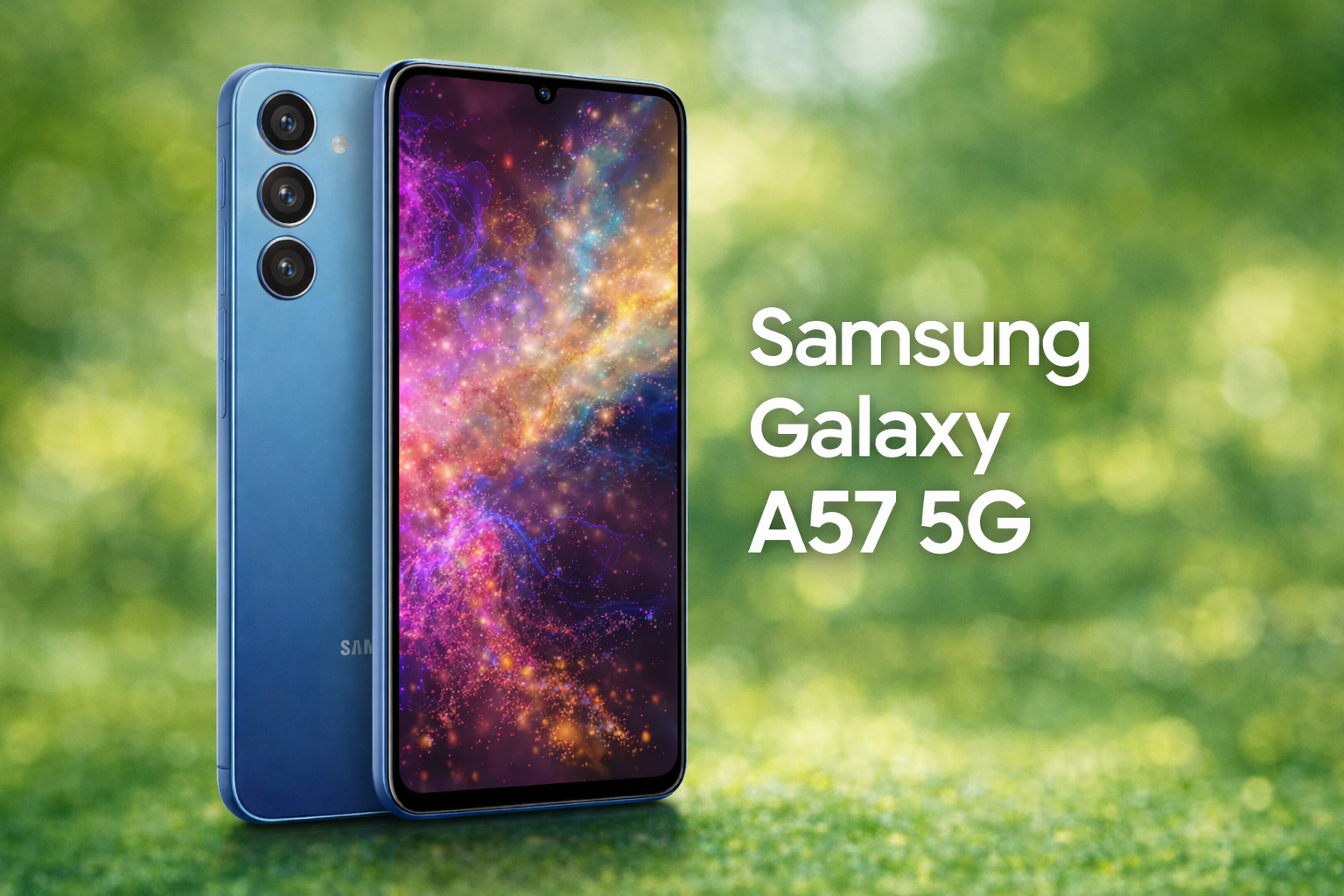
This is one of the Galaxy A57 5G’s strongest areas. Samsung has made the phone slimmer at 6.9mm and lighter at 179g, which matters more than it sounds like on paper. A lot of big-screen mid-range phones look fine in renders and then feel bulky, clumsy, or slightly cheap once they are in your hand. The A57 sounds like the opposite. It keeps the large-screen feel buyers want, but packages it in a body that should feel neater, more controlled, and more premium than the average phone in this class.
Samsung also did the sensible work here. You get Gorilla Glass Victus+ and an IP68 rating, which gives the A57 a level of durability that still is not guaranteed in this segment. Water and dust resistance are not exciting until they save you from a bad day, and that kind of protection adds real value to ownership even if it never appears in a benchmark chart.
The overall styling also seems stronger than before. Slimmer bezels, flat sides, cleaner front design, and a more refined silhouette all help the A57 look more expensive than many similarly priced phones. It gives off that “close enough to flagship” feeling that matters a lot in real-world buying decisions.
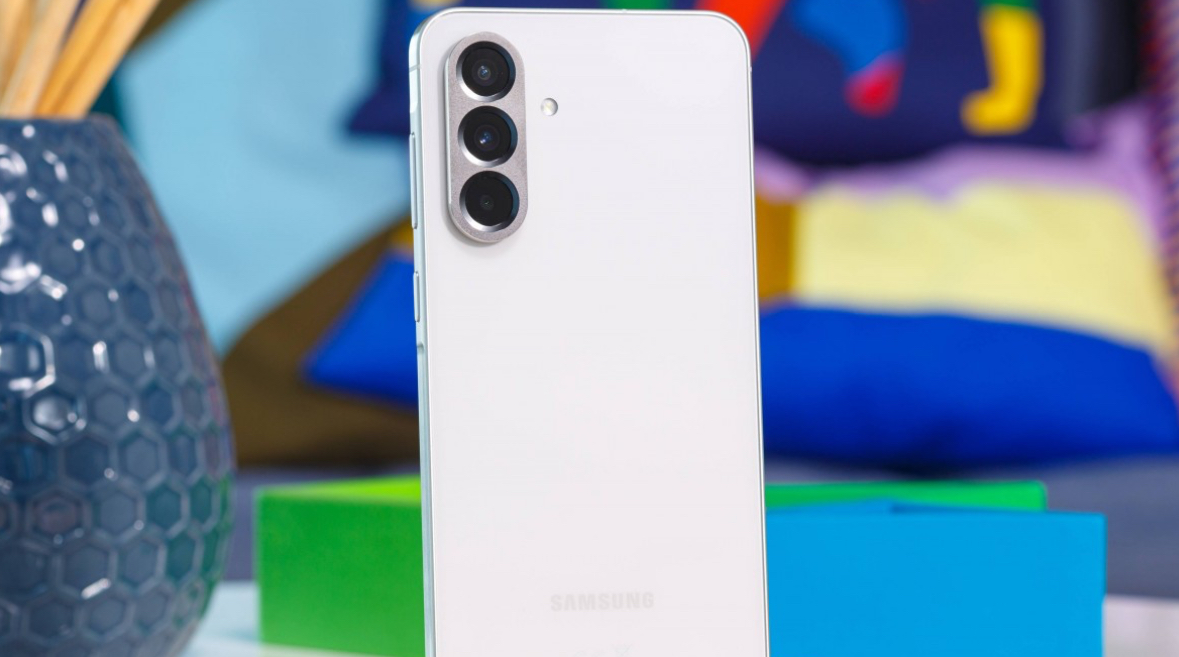
The catch is that Samsung appears to have leaned into a glossy finish, and that comes with the usual downside: fingerprints, smudges, and a premium look that can fade the second real hands touch it. So yes, the phone seems better-looking and better-built. It just may also be one of those phones you constantly want to wipe clean.
Display quality
If there is one feature that will probably sell the Galaxy A57 5G fastest in normal use, it is the display.
Samsung is offering a 6.7-inch FHD+ Super AMOLED Plus panel with a 120Hz refresh rate, slim bezels, and Vision Booster. That is a very Samsung way of winning people over: give them a screen that looks bright, rich, smooth, and expensive, then let the rest of the phone feel better because the display is doing so much of the emotional heavy lifting.
For social media, reading, streaming, browsing, messaging, and all the repetitive daily stuff people actually do on their phones, this kind of screen matters a lot more than spec-sheet obsessives sometimes admit. The A57’s panel looks like the sort of display that makes a phone feel instantly modern, instantly pleasant, and instantly easy to justify.
This is also why Samsung can still sell a phone like this even when value-first buyers complain about the price. Plenty of people do not care whether another brand offers more raw performance per dollar if Samsung is giving them the better screen and the better software experience on top of it.
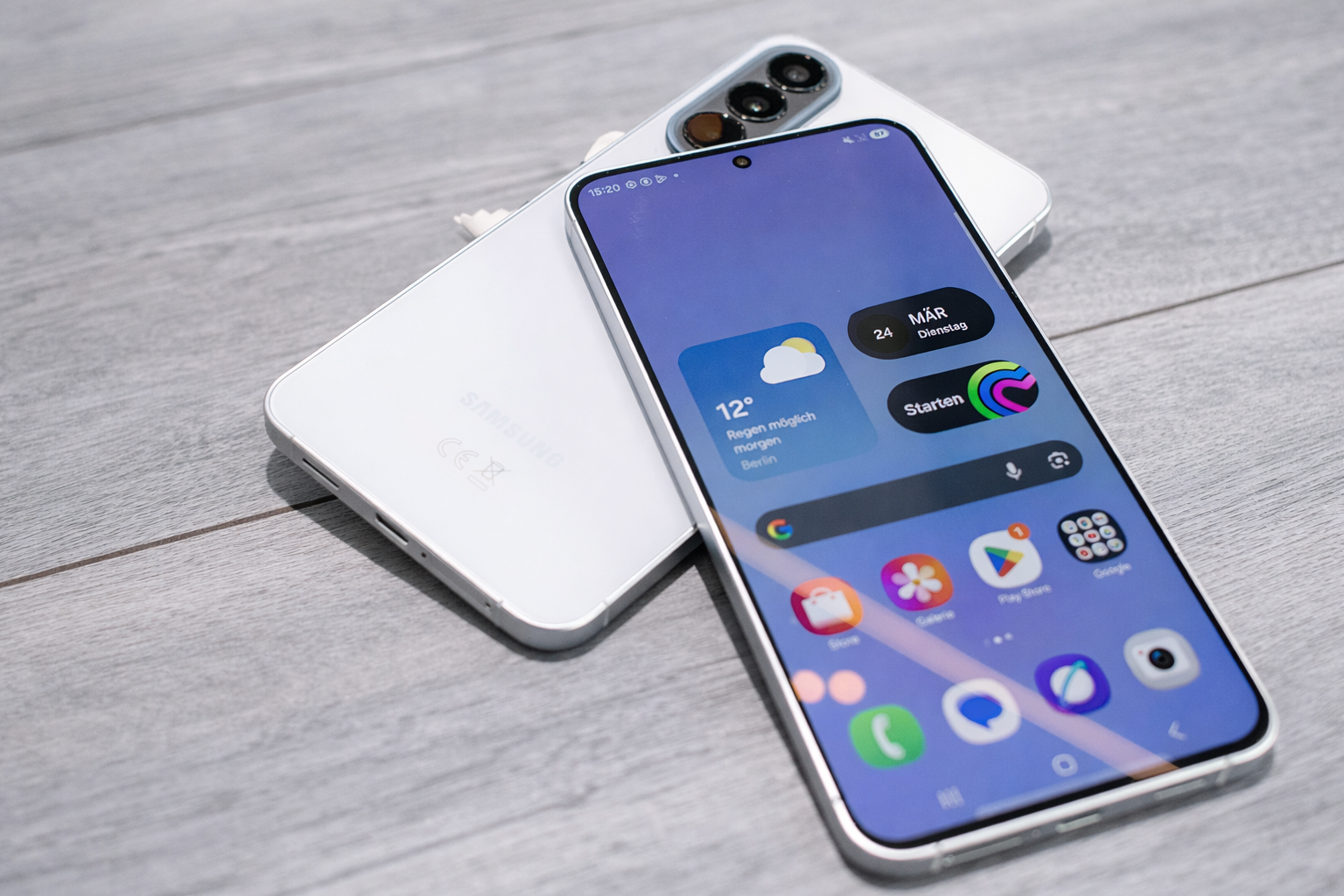
Setup, software, and first-use experience
Samsung’s software remains one of the A57’s biggest advantages.
One UI is familiar, mature, and feature-rich in a way that makes the phone feel easier to settle into than many mid-range rivals. The whole appeal here is not that Samsung is doing something revolutionary. It is that Samsung is doing a lot of small things well: migration tools, clean integration across the ecosystem, practical software extras, and a user experience that does not feel like the company lost interest once you dropped below flagship pricing.
Samsung is also loading the A57 with a batch of newer software features and AI-lite tools, including Object Eraser, Edit Suggestion, Best Face, Voice Transcription, Circle to Search, Filters, and Auto Trim. None of this turns the A57 into a mini flagship, but it does help it feel less stripped down than older mid-range Samsung phones sometimes did.
That matters because software quality is one of the easiest things to underestimate when comparing phones. Faster charging looks exciting in a chart. A stable, intuitive, polished interface is what you live with every single day.
There are still reminders that this is not a Galaxy S phone. Some higher-end Samsung features do not fully trickle down, the experience does not sound completely flagship-like, and not every convenience feature makes the jump. But for the buyer who wants a Samsung phone specifically, the A57 sounds friction-free in exactly the right ways.
Long-term software support
This may be the A57’s most practical strength.
Samsung is promising up to six OS upgrades and six years of security updates, which is a major point in this price range. That kind of support changes the phone from “mid-range device” into “long-term purchase.” It makes the A57 easier to justify to buyers who keep phones for years and care less about short-term hype than long-term confidence.
That is also part of why the A57’s value story is complicated instead of simply bad. If another brand gives you more impressive specs today but weaker long-term support, the better deal becomes less obvious than it first looks. Samsung is betting that a lot of buyers will prefer the safer ownership experience over the more aggressive hardware bargain.
Performance and real-world speed
The Galaxy A57 5G uses Samsung’s Exynos 1680, with Samsung claiming up to 15% gains in CPU and GPU performance over the previous model. There is also LPDDR5X memory and a larger vapor chamber for cooling, which suggests Samsung is taking sustained day-to-day performance more seriously than just chasing a single benchmark headline.
That is the right kind of improvement for this class of phone. Most buyers do not need a “monster” mid-range processor. They need something that handles scrolling, app switching, messaging, media, navigation, camera processing, and casual gaming without feeling shaky or hot after ten minutes. On that front, the A57 sounds solid. The recurring impression is that it is smooth, stable, and thermally well-behaved.
That said, this is not a radical leap. The performance story still sounds like refinement, not transformation. The A57 should feel better, but not reborn. It should feel improved, but not shocking. That distinction matters because once the price climbs, buyers naturally start expecting a bigger sense of progress.
So the honest performance verdict is simple: the A57 sounds more than good enough for mainstream use, and probably pleasant enough that most people will not complain. But it does not sound like the phone you buy when your only goal is squeezing out maximum performance value.
Gaming and thermal behavior
This is one of the quieter strengths of the phone.
A lot of mid-range devices feel fine in brief use, then lose their composure once heat builds up. The Galaxy A57 5G seems to avoid that trap better than many of its peers. The larger cooling setup and the general emphasis on stability suggest Samsung is prioritizing a phone that stays reliable under longer sessions instead of one that only looks good for the first few minutes.
That will matter more to ordinary users than they realize. Sustained smoothness is one of those invisible quality markers that separates a polished phone from a merely acceptable one. Even if the A57 is not the most aggressive gaming-value device in its category, the fact that it seems composed under pressure adds to its everyday appeal.
Camera performance
The camera system is another reason the A57 is easy to like, even if it is not especially daring.
Samsung is using a 50MP main camera with OIS, a 12MP ultrawide, a 5MP macro, and a 12MP front camera. There is also improved Nightography, Super HDR support for the selfie camera, and the usual Samsung processing advantages that tend to make results look bright, social-ready, and visually polished without much effort.
That combination sounds right for the audience Samsung is targeting. The main camera should be the dependable workhorse, the ultrawide adds flexibility, and the front camera seems stronger than usual for the class, especially for video and social use. If your idea of a good camera phone is one that gives you clean photos, decent low-light performance, polished portraits, and good selfie video without demanding too much thought, the A57 makes sense.
Samsung’s editing features also add something useful here. Object removal, face selection, and similar tools are the kind of software touches that can genuinely improve the photo experience without feeling like meaningless AI branding.
But Samsung also kept doing that annoying mid-range thing where the third rear lens feels more decorative than meaningful. The 5MP macro camera still comes across like spec filler. It is hard to get excited about it, and at this price buyers are allowed to expect a more intentional rear camera strategy than “main, ultrawide, and a macro because apparently we still do that.”
Battery life and charging
The Galaxy A57 5G has a 5,000mAh battery, which is exactly where a phone like this should be. The overall battery story looks solid: strong enough to get through a heavy day, comfortable enough for lighter users to stretch further, and efficient enough that most people should not have to think about it too much.
That is not a glamorous win, but it is the correct one. A phone in this category does not need bizarre endurance claims. It needs dependable all-day battery life, and the A57 appears positioned to deliver that.
Charging support goes up to 45W through Super Fast Charging 2.0, and Samsung says you can reach up to 60% in 30 minutes with a compatible charger. That is respectable and useful. It is fast enough to matter in daily life, especially for top-ups and rushed mornings.
Still, this is another place where Samsung feels cautious rather than aggressive. The charging story is good, but it does not push the category forward. Other brands continue to chase flashier numbers and more dramatic speed. Samsung’s answer is basically: ours is fast enough, safe enough, and sensible enough. That approach fits the phone’s whole identity, but it also reinforces the idea that the A57 is about polish rather than domination.
Daily comfort and convenience
The Galaxy A57 5G quietly stacks up a lot of convenience wins.
You get 5G, Wi-Fi 6E, Bluetooth 6.0, stereo sound, and the broader Samsung ecosystem advantages that make the phone feel like part of a larger platform instead of a standalone gadget. The big screen should help with media and multitasking, the slimmer body should help with comfort, and the software support should help with long-term peace of mind.
At the same time, the phone does not completely escape its mid-range identity. USB 2.0 feels underwhelming at this price. There is no Samsung DeX. Not every premium Galaxy feature makes the cut. None of this is catastrophic, but it does add up. These are the kinds of missing extras that become easier to notice once the price climbs above the point where buyers automatically excuse them.
The biggest problem: value
This is where the whole review sharpens.
The Galaxy A57 5G is not a bad phone. In fact, it sounds like a very good one. But it is a very good phone in a part of the market where being very good is no longer enough on its own. At $549.99, Samsung has pushed the A57 close enough to tougher competition that buyers are going to ask more demanding questions.
- Why is the macro camera still here?
- Why do the upgrades feel more tidy than dramatic?
- Why are the biggest wins design polish and software support instead of something bolder?
- Why does the phone feel safer instead of more ambitious?
Those are all fair questions. The A57 has answers, but not knockout answers.
If you define value as getting the most hardware, the fastest charging, or the most excitement per dollar, the A57 is on shaky ground. If you define value as getting a dependable Samsung with excellent display quality, strong support, good durability, useful software extras, and a polished overall experience, then the A57 becomes much easier to justify.
That is the split. This is not the obvious best-value mid-range phone on paper. It may still be the better buy for people who want Samsung specifically and care about the full ownership experience more than spec-sheet bragging rights.
Pros and cons
Pros
- Slimmer, lighter design that looks and feels more premium than many mid-range rivals
- Excellent 6.7-inch AMOLED display with 120Hz refresh rate
- IP68 water and dust resistance plus Gorilla Glass Victus+ protection
- Polished, feature-rich One UI experience
- Six OS upgrades and six years of security updates
- Dependable 50MP main camera and stronger selfie video appeal
- Stable everyday performance and encouraging thermal behavior
- 5,000mAh battery with useful 45W charging support
Cons
- U.S. launch price of $549.99 makes the value story harder
- Upgrade feels incremental rather than dramatic
- 5MP macro camera still feels like low-value filler
- Glossy finish appears fingerprint-prone
- USB 2.0 feels dated at this price
- No Samsung DeX
- Rivals can beat it on raw hardware aggression and charging speed
Who should buy it
Buy the Galaxy A57 5G if you want a Samsung phone that feels polished, safe, and easy to live with for years. It is a strong fit for people who care about display quality, software support, durability, clean day-to-day use, reliable cameras, and the comfort of staying inside Samsung’s ecosystem.
It also makes sense for buyers who do not want surprises. The A57 does not sound like a risky phone. It sounds like the kind of phone you buy when you want the experience to be consistently good instead of occasionally impressive.
Who should skip it
Skip it if your main goal is maximizing specs for the money. Also skip it if you already own a recent A-series phone and were hoping for a dramatic upgrade, or if you are the kind of buyer who gets annoyed by token macro cameras, conservative charging decisions, and slow year-on-year evolution.
If your mindset is “for this price, I want something that feels bold,” the A57 may leave you cold. If your mindset is “for this price, I want something dependable,” it makes much more sense.
Final verdict
The Samsung Galaxy A57 5G feels like a more grown-up A-series phone. It is slimmer, lighter, better protected, better supported, and more refined than a lot of Samsung’s earlier mid-range efforts. The display looks like one of the best reasons to buy it. The software is a major advantage. The durability is meaningful. The cameras seem dependable enough for real people, and the battery-and-charging setup should be solidly easy to live with.
But the same phone also arrives with a price that makes every compromise more visible. The macro camera still feels unnecessary. The upgrade over the previous generation sounds meaningful, but not dramatic. The charging is good, not class-defining. The performance is smooth, not dominant. And that leaves the A57 in an interesting place: it is one of the easiest mid-range phones to trust, but not one of the easiest to call a bargain.
That is the real verdict. The Galaxy A57 5G is a smart buy for the buyer who values balance, polish, and long-term confidence over bragging rights. It is not the class leader in raw value, but it is one of the clearest examples of Samsung knowing exactly how to build a phone that people will still be happy living with years later.
FAQ
Is the Samsung Galaxy A57 5G a good phone?
Yes. It looks strong in the areas that matter most to mainstream buyers: display quality, software polish, durability, battery life, camera reliability, and long-term support.
Is the Galaxy A57 5G worth upgrading to from the A56?
Only if you care about the refinements. The improvements sound real, but the overall jump still feels more evolutionary than dramatic.
What is the Galaxy A57 5G’s biggest strength?
Its overall balance. The display, software support, design polish, and day-to-day usability all seem stronger than the raw spec-sheet criticism suggests.
What is the Galaxy A57 5G’s biggest weakness?
The value equation. The phone looks good, but the higher price makes its compromises more noticeable and makes comparison shopping much more important.
Does the Galaxy A57 5G have fast charging?
Yes. Samsung says it supports 45W Super Fast Charging 2.0 and can reach up to 60% in 30 minutes with a compatible charger.
Is the Galaxy A57 5G waterproof?
It has an IP68 rating, which gives it meaningful water and dust resistance for everyday accidents and rougher use.
How long will Samsung support the Galaxy A57 5G?
Samsung says the phone gets up to six OS upgrades and six years of security updates, which is one of its strongest long-term selling points.
Should you buy the Galaxy A57 5G over a Chinese rival?
Buy the Samsung if you care more about software polish, ecosystem comfort, durability, camera consistency, and long support. Buy the rival if you care more about raw performance, faster charging, or maximum hardware value for the money.