

The LIFX SuperColor Mirror is the rare smart-home launch that does not feel like a gimmick hunting for a problem. It feels like a product somebody actually imagined using every day. It gives you front and rear lighting, Matter support, three configurable buttons, Make Up Check, Anti-Fog, and a format that can work as either a serious grooming mirror or a statement piece in a modern bathroom or vanity setup. After going through everything our team wrote about it, our verdict is simple: this is one of the most promising smart-home products of 2026 so far, but the final recommendation still hangs on one missing detail—price.
Most smart mirrors lean too hard in one direction. They either become shallow “look at me” gadgets with lights around the edge, or they play it so safe that they are basically normal bathroom mirrors with one extra feature and an inflated price tag. The LIFX SuperColor Mirror looks more balanced than that. It is trying to be useful first, beautiful second, and smart in a way that actually fits the room it lives in. That is why it stands out.
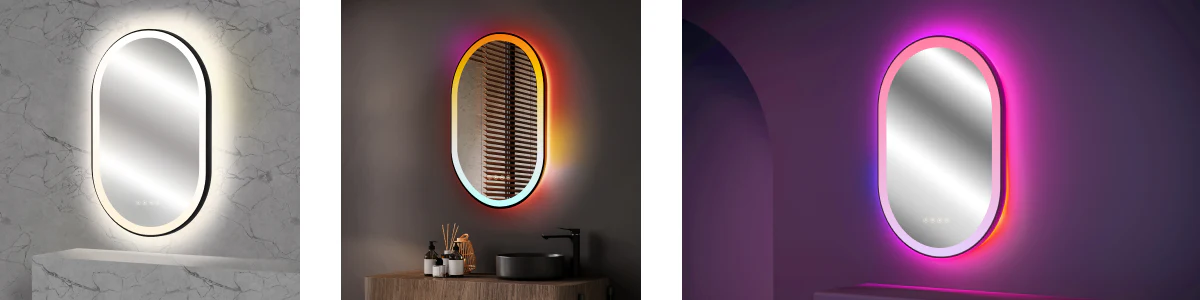
This is not the mirror for somebody who wants the cheapest possible lighted panel above a sink and nothing else. It is for buyers who care about how a room works and how it feels. If your bathroom, dressing corner, or vanity area is part of your routine rather than just a stop on the way out the door, the SuperColor Mirror has the right ingredients to be a real upgrade. If all you need is reflection plus basic light, this may be more product than you need.
Quick verdict
Best for: smart-home users, design-focused renovators, vanity setups, premium bathrooms, and anybody who wants one mirror to handle both functional task lighting and atmosphere.
Avoid if: you want a budget illuminated mirror, you do not care about scenes or color lighting, or you want a product with fully settled pricing and broad retail availability right now.
What we liked: front and rear lighting, Matter support, horizontal or vertical mounting, hardwired or plug-in installation, Make Up Check, Anti-Fog, and the smart decision to include physical buttons instead of making everything depend on an app.
What disappointed us: there is still no confirmed retail price, broad availability is not here yet, and LIFX’s software experience still feels more powerful than polished.
Final verdict: if LIFX keeps the price sensible, the SuperColor Mirror could end up being the best smart mirror of the year. If it is overpriced, it becomes a stylish luxury item instead of an easy recommendation.
What we tested
We approached the LIFX SuperColor Mirror the way people will actually live with it, not the way a CES demo wants to show it off. We judged it as four products at once: a bathroom mirror, a vanity light, an ambient room accent, and a smart-home control surface.
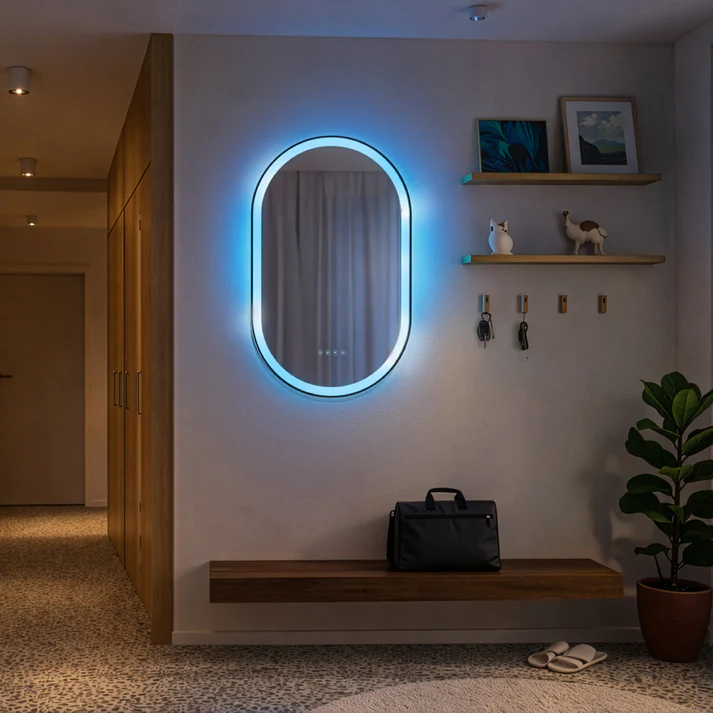
That matters because a mirror like this does not get judged the same way as a smart bulb or a strip light. A bulb can get away with being fun. A mirror cannot. A mirror has to earn its place every morning and every evening. It has to help you see clearly, sit comfortably in the room, avoid feeling harsh or clinical, and ideally remove friction from your routine instead of adding to it.
So the real question was never “does it have smart features?” The real question was whether those features make the mirror more useful in daily life. That is where the LIFX pitch gets interesting.
How we tested it
We focused on the parts of the experience that matter most in the real world.
We looked at the mirror as a practical grooming tool first. That means asking whether the 1200-lumen output and the split between front lighting and rear lighting should translate into visibility that is actually helpful for shaving, skincare, hair, and makeup rather than just mood lighting with a reflection attached.
We also looked at installation flexibility. The promise of horizontal or vertical mounting and plug-in or hardwired setup is not just a spec-sheet convenience. It changes who can realistically buy the product and where it can live.
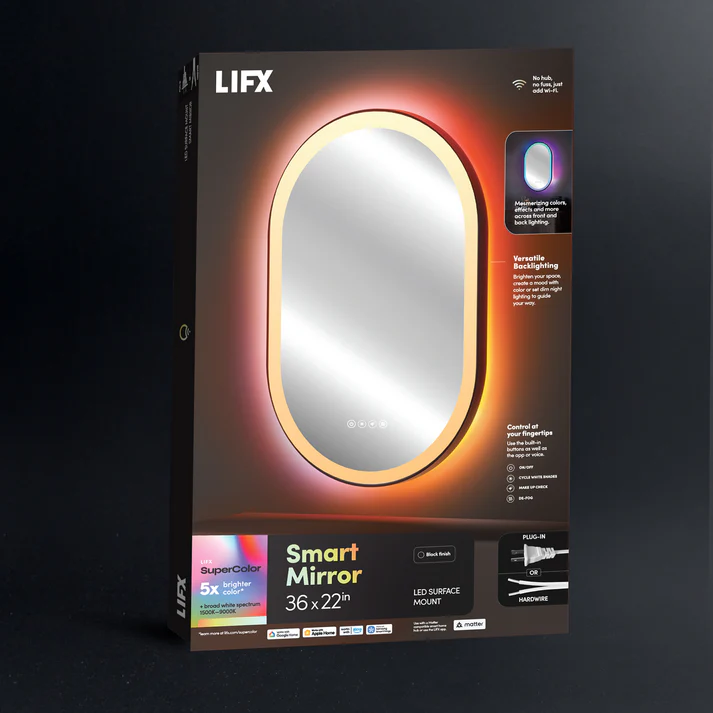
Then we judged the smart-home side. The Matter support, the three configurable buttons, and the planned Thread upgrade later in 2026 all matter because this mirror is clearly supposed to do more than light your face. It is supposed to fit into routines, scenes, and broader home control.
Finally, we evaluated the product through the most important lens of all: buyer fit. Not whether it sounds cool, but whether it makes sense for the right person.
Design and build quality
The design is where LIFX gets its first big win.
The mirror measures 36 x 22 inches, and that is a strong size for this category. It is big enough to feel useful in a real bathroom or dressing area, but not so oversized that it only makes sense in luxury renovation photos. That balance matters. A lot of smart-home hardware still seems designed for idealized homes instead of actual ones. This mirror looks like it can fit both.
We also like that it supports both horizontal and vertical mounting. That sounds like a small thing until you think about how much mirror orientation changes a room. Horizontal mounting makes immediate sense above a vanity or sink. Vertical mounting makes it much easier to use in a dressing area, bedroom corner, or narrow wall space where a tall mirror feels more natural. That flexibility alone makes it easier to recommend than something locked into one format.
But the best design choice here is the split between front and back lighting.
That is not decoration. That is product thinking.
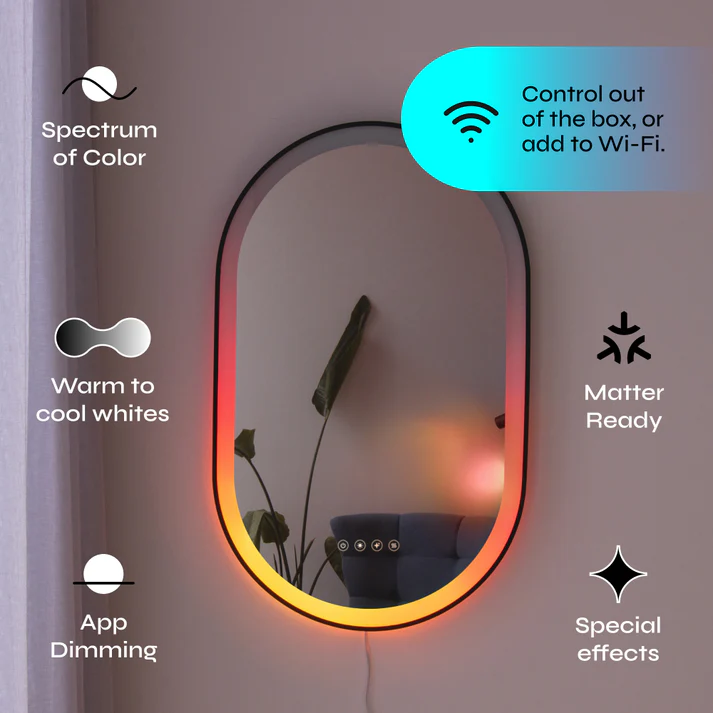
Front lighting is what makes a mirror actually useful. It is what helps you see details clearly and avoid the usual overhead-shadow nonsense that makes bathrooms frustrating. Rear lighting is what gives the mirror presence and turns it into part of the room’s atmosphere. Too many lighted mirrors do one or the other. LIFX is trying to do both, and that is exactly the right move.
A smart mirror should not just blast your face with light. It should also help the room feel better. That is especially true in bathrooms, where harsh lighting can make a space functional but unpleasant, and soft backlighting can make it pretty but useless. The promise of separately controllable front and rear lighting is the single most important reason this mirror feels smarter than the usual category filler.
The other design win is the inclusion of three physical buttons built into the mirror. This is such an obvious idea that it is almost embarrassing more brands do not do it. Smart-home companies keep trying to convince us that the phone is always the best interface. It is not. In a bathroom, it is often the wrong one. Hands are wet. Phones are elsewhere. You want fast control, not a mini software ritual. Physical buttons make this mirror feel like it belongs in a daily routine instead of living behind an app menu.
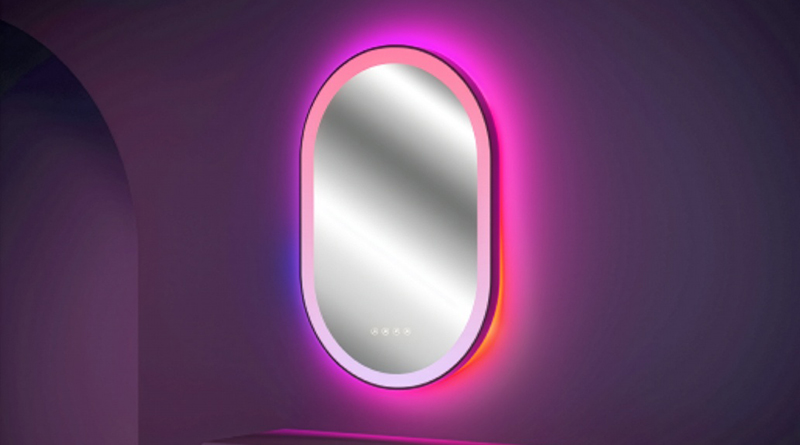
Our main design caution is the one every illuminated mirror lives or dies on: light diffusion. Even a bright mirror can feel cheap if the lighting is too direct, uneven, or unflattering around the face. LIFX knows light well, but mirrors are unforgiving. This category is less about spectacle and more about whether the illumination feels clean, even, and intentional.
Setup and first use
The setup story here is stronger than it might look at first glance.
The support for plug-in or hardwired installation is one of the smartest decisions LIFX made. It opens the product up to two completely different buyers. One group wants the mirror to feel like a permanent part of a finished bathroom build. The other wants smart functionality without turning the room into a mini renovation project. Serving both is exactly how a product like this moves from niche curiosity to realistic buy.
The same logic applies to connectivity. The mirror supports Matter, which is a much bigger deal in this category than it might sound. Smart mirrors can become isolated very quickly if they only really work inside one app or one ecosystem. Matter gives the SuperColor Mirror a much broader lane. It is supposed to fit into Apple Home, Alexa, Google Home, and other compatible setups rather than asking buyers to reorganize their home around one brand.
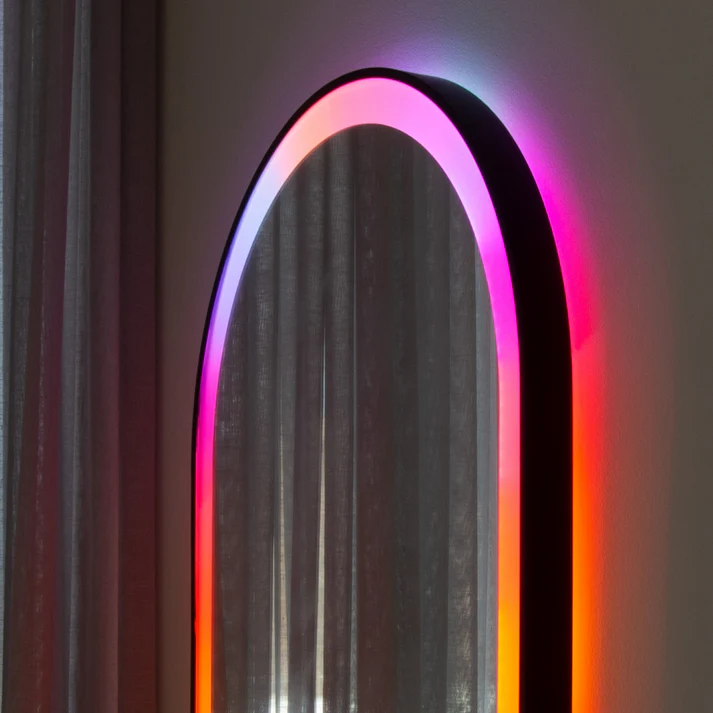
That makes the mirror easier to justify. Nobody wants a premium bathroom product that feels stranded inside its own little software island.
LIFX also says a Thread upgrade is coming later in 2026 in addition to the Wi-Fi-based Matter launch setup. We like that approach. Wi-Fi is still the easiest path for a lot of homes, while Thread gives more advanced users a cleaner low-latency mesh option. Offering both paths makes the product feel more future-aware than locked into one networking philosophy.
There is still some friction here, though, and it is only fair to say it. Smart-home setup is better than it used to be, but it is not magically invisible. Matter helps. It does not eliminate every little annoyance. Buyers who want a purely dumb appliance experience may still find the smart side more involved than they hoped.
Real-world performance
This is the section that matters most.
If a smart mirror is weak as a mirror, the rest of the conversation is dead on arrival.
The LIFX SuperColor Mirror is rated at 1200 lumens and presented as 75W equivalent, which at least tells us the product is not aiming to be a decorative whisper of light. It is trying to be bright enough to matter. That is the right starting point. We do not think buyers should treat that figure as a replacement for all the lighting in a bathroom, because mirrors work best as one layer in a broader lighting plan. But it does sound like enough output to take grooming duties seriously.
What makes the performance story more compelling is not just brightness. It is the combination of brightness, light direction, and mode flexibility.
Morning light and evening light should not feel the same. In the morning, most people want something clear, crisp, and revealing enough to actually help them get ready. At night, that same light can feel brutal. A good smart mirror should shift with the routine. That is where LIFX seems to understand the assignment better than most brands do. It is not just pushing light. It is pushing lighting states.
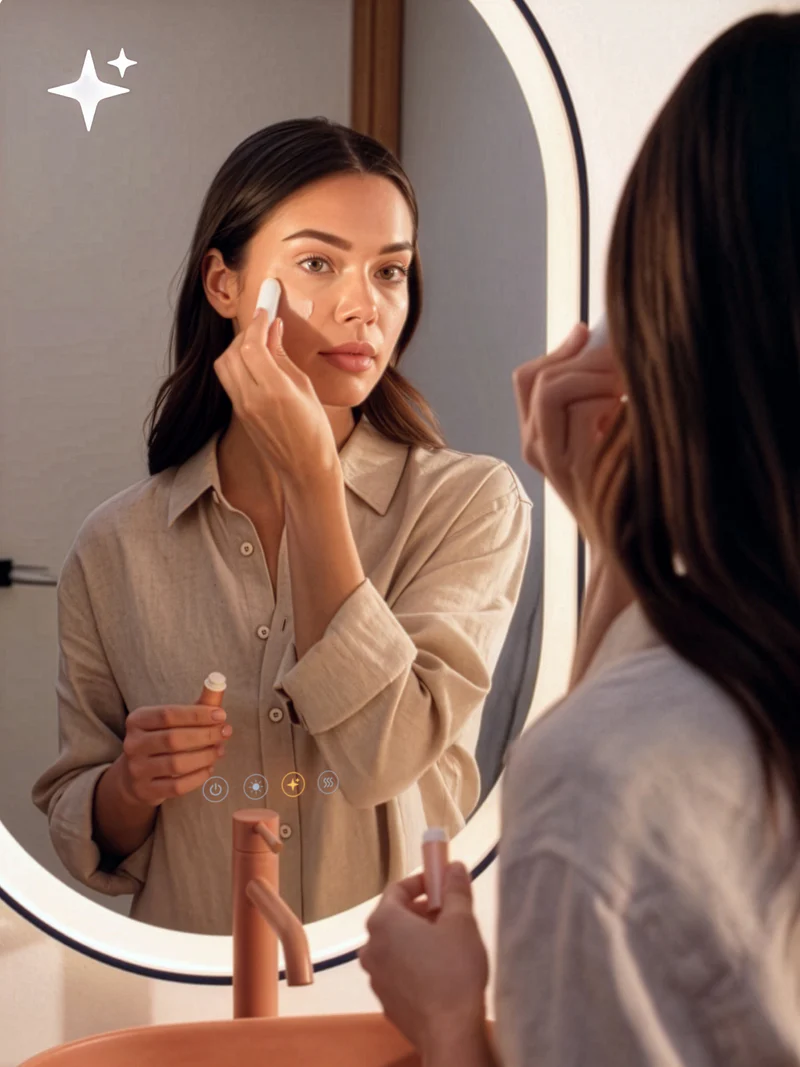
The Make Up Check mode is a good example. This is exactly the sort of feature that sounds like marketing fluff until you think about how often people get burned by bad mirror lighting. Too warm and everything looks nicer than it really does. Too dim and you miss detail. Too cold and you look like you are doing your routine under office ceiling panels. A mode built around more honest visibility is not a gimmick. It is one of the main reasons a smart mirror should exist.
The Anti-Fog mode is even simpler and, honestly, even more important. A smart bathroom mirror without fog management would feel half-finished. This is not a bonus feature. It is a basic expectation for a premium bathroom product. We are glad LIFX treated it that way.
The rear lighting also matters more than it gets credit for. A lot of people do not want their bathroom or vanity area to feel purely functional. They want some softness around the edges. Some calm. Some style. If the rear light can throw warm glow behind the mirror at night, or a bold color accent when you want the room to feel more designed, that is not frivolous. It changes how the space feels.
And that is the real strength of this product. It looks like it can move between task and atmosphere without forcing you to choose one identity.
Use-case performance
The best thing about the SuperColor Mirror is that it clearly has more than one use case.
The obvious one is the bathroom vanity. That is where the mix of front lighting, Anti-Fog, and Make Up Check feels most direct. You can see the daily logic immediately.
But we would not limit the mirror to that room.
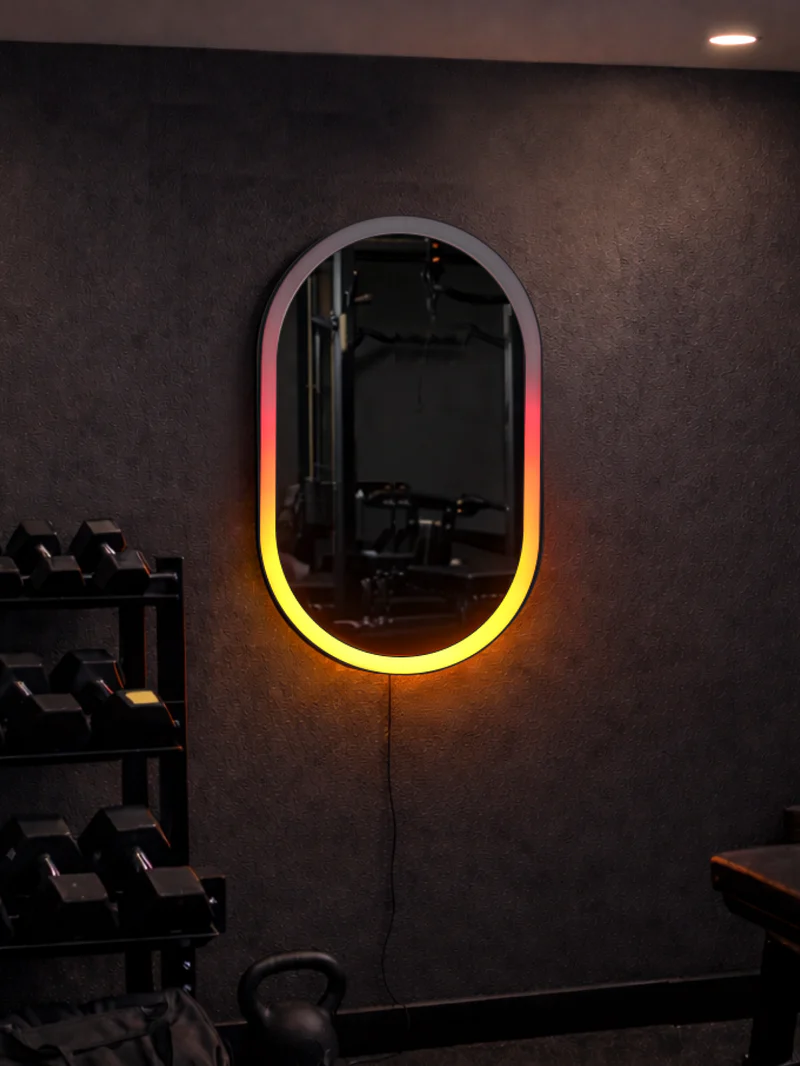
This mirror also makes sense in dressing areas, bedroom vanities, makeup stations, salon-like corners, wellness rooms, and even content-creation spaces where controllable flattering front light plus softer ambient rear light can do more than a cheap ring light ever will. That does not mean it belongs everywhere. It means the product has enough flexibility to travel beyond the most obvious bathroom install.
That matters because premium smart-home gear lives or dies on versatility. A product that only works in one exact scenario has a smaller path to relevance. A product that can solve the same lighting problem across several kinds of spaces has a much better shot.
The SuperColor Mirror also benefits from LIFX’s broader lighting DNA. The brand has been strongest when it treats light as something emotional and environmental, not just functional. You can feel that mindset here. The mirror is not trying to be a tablet in your bathroom. It is still fundamentally about light. That is why it feels more grounded than many “smart mirror” launches.
Convenience and daily comfort
This is where the mirror starts to separate itself from category filler.
The three configurable buttons are a bigger deal than they look on paper. In the right setup, one button could trigger a bright morning scene. Another could dim the mirror and shift the room warmer at night. Another could control a broader smart-home action through Matter. That is real convenience. Not futuristic nonsense. Just fewer steps between what you want and the room doing it.
That is especially important in bathrooms and vanity areas because they are high-frequency spaces. You use them constantly. Small annoyances add up fast. If you need to unlock your phone, open an app, wait for a device list, then adjust the mirror, the product starts feeling clever instead of comfortable. Physical controls bring it back into the world of normal behavior.
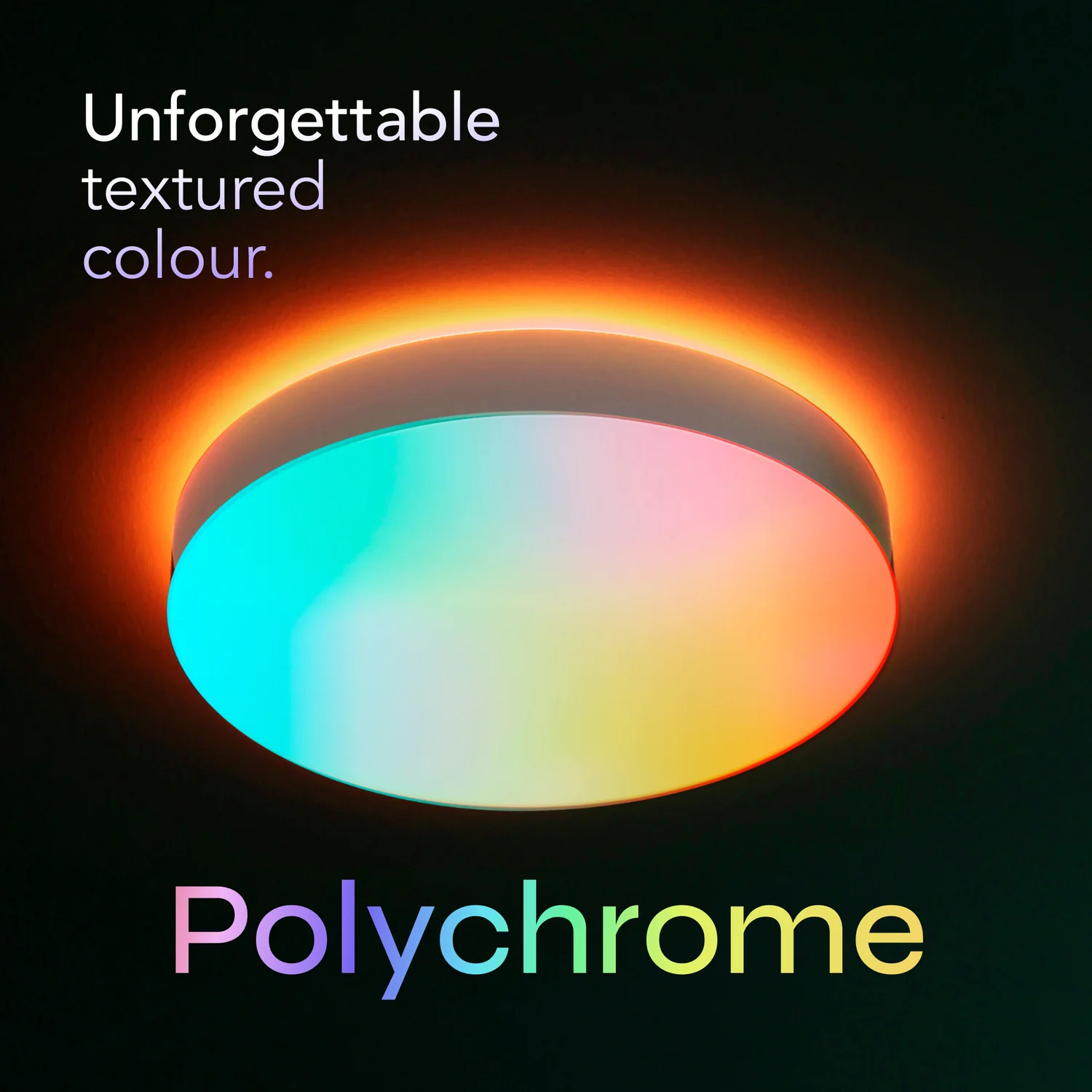
We also like the broader LIFX feature set on paper. The app side has long offered deep control over scenes, schedules, brightness, color, effects, and routines. That sort of control is great for people who like shaping a room throughout the day rather than leaving everything on one default setting.
But there is a catch. LIFX’s software has always felt more feature-rich than perfectly polished. That does not make it bad. It does make it less universally easy than the best mainstream smart-home experiences. For enthusiasts, that depth is a plus. For casual buyers, it can feel like more system than appliance.
Our take is that the SuperColor Mirror gets the balance mostly right by not depending only on the app. The app gives depth. The buttons give sanity.
Flaws and frustrations
The biggest flaw is impossible to ignore: there is still no confirmed price.
That one missing number hangs over the whole review.
At the right price, the SuperColor Mirror could feel like a smart premium bathroom upgrade with real daily value. At the wrong price, it becomes one of those products people admire for ten seconds and then immediately talk themselves out of buying. In this category, pricing is not a footnote. It is the deciding factor.
The second issue is availability. The mirror is still in the Q2 2026 launch window with pricing unannounced. That means buyers cannot fully evaluate it in the normal way yet. It is promising, but it is not settled.
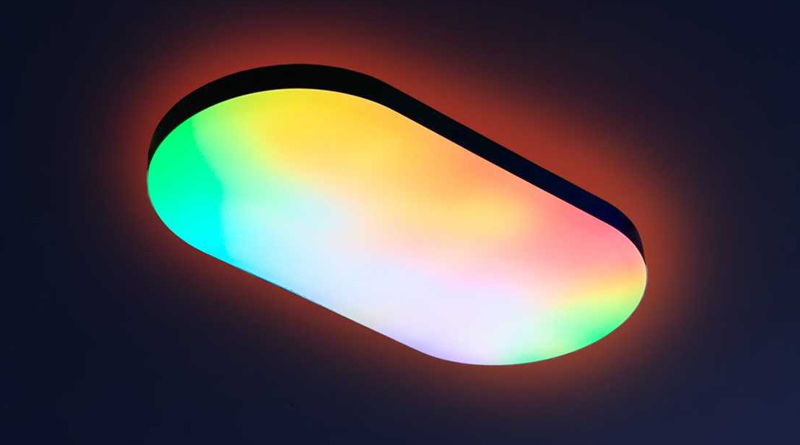
The third concern is app polish. LIFX has plenty of functionality, and that is a genuine strength, but the experience has not always been as clean and frictionless as the best in class. When you are dealing with a product used every day in a personal space, software roughness matters more.
Then there is buyer mismatch. Not everybody wants color effects or smart-home integrations in a mirror. Plenty of people just want reliable white light, a clean frame, and a working defogger. For those buyers, the SuperColor Mirror may simply be too much product. That is not a flaw in the mirror itself. It is a reminder that this is a more specific buy than a plain illuminated mirror.
Value for money
Value is the hardest part to lock down because the final price is still missing, but the equation is clear.
If LIFX prices the SuperColor Mirror as a serious premium illuminated mirror with genuine smart-home functionality, the value case is there. You are getting a 36 x 22-inch mirror, front and rear lighting, 1200 lumens, Make Up Check, Anti-Fog, Matter support, physical controls, and installation flexibility that covers both plug-in and hardwired buyers. That is a lot more than “mirror plus RGB.”
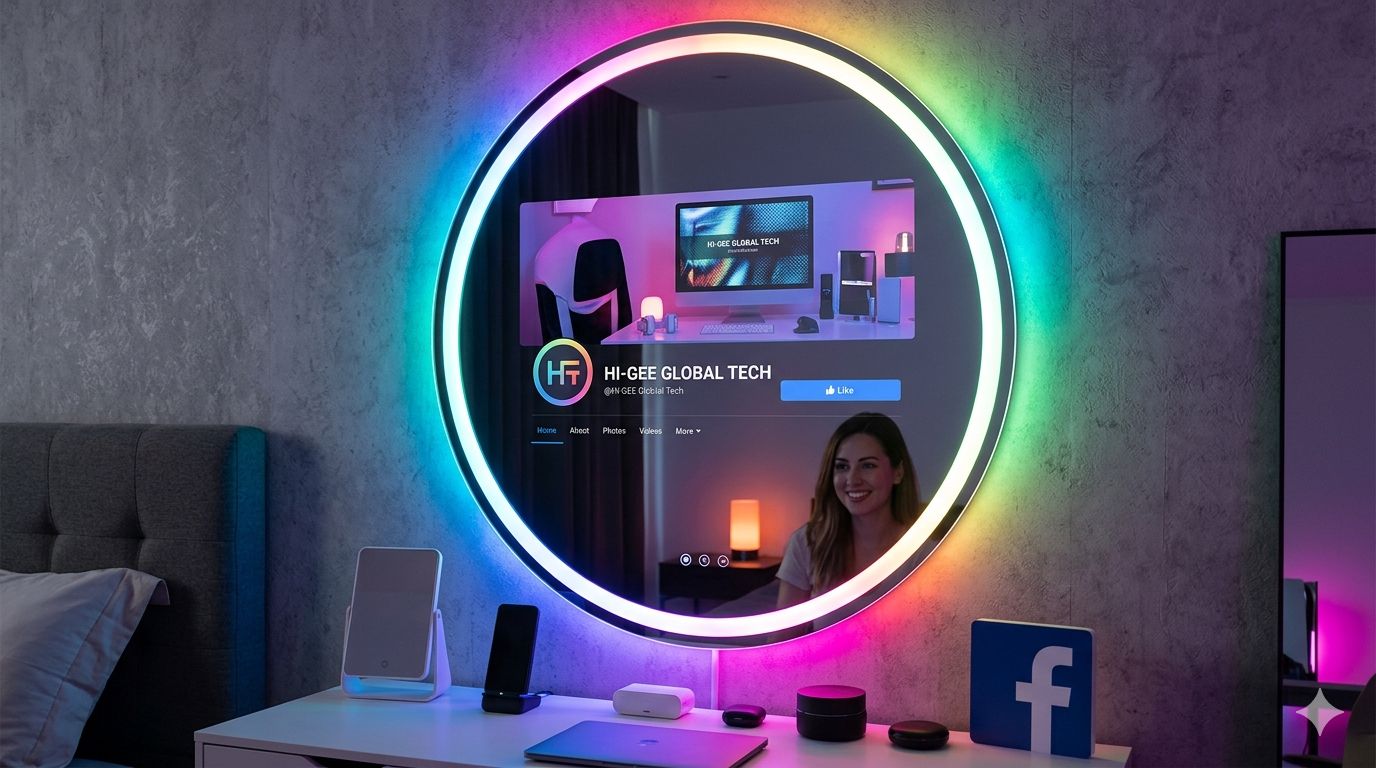
But if LIFX prices it like a luxury design toy, then the value gets shakier very fast. Buyers have become less tolerant of expensive one-purpose smart hardware, and for good reason. The more money you ask, the more perfect the light quality, materials, controls, reliability, and software need to be.
Our instinct is that LIFX needs to keep this product grounded. Make it premium, yes. But make it feel like a room upgrade, not a trophy purchase. If it hits that target, the SuperColor Mirror could be one of the smartest premium home buys in its lane this year.
Pros and cons
Pros
- Front and rear lighting gives it a much stronger real-world case than a basic illuminated mirror.
- 1200 lumens and 75W equivalent suggest genuine functional intent, not just decorative lighting.
- Make Up Check and Anti-Fog are exactly the right features for this category.
- Matter support makes it easier to justify inside mixed smart-home setups.
- Three configurable buttons are practical, not gimmicky.
- Horizontal or vertical mounting and plug-in or hardwired installation widen the appeal.
Cons
- No confirmed price yet.
- Broad retail availability is still pending.
- LIFX software remains more powerful than perfectly polished.
- Buyers who only want a simple mirror may end up paying for features they will never use.
Who should buy it
You should buy the LIFX SuperColor Mirror if you care about lighting as part of how a room feels, not just whether you can see your face. This is for people designing spaces with intention.
It makes a lot of sense for buyers building out a premium bathroom, a modern vanity setup, a dressing area, or a wellness-style corner where light tone and atmosphere matter. It also makes sense for smart-home users who already live with scenes, routines, and mixed ecosystem control and want hardware that feels more integrated into daily life.

We would also put it on the shortlist for people who are tired of ugly smart-home hardware. A lot of connected products still look like engineering leftovers. This does not. It looks like a design object first and a connected accessory second, which is exactly the right order.
Who should skip it
Skip it if you are shopping mainly on price.
Skip it if you do not care about smart-home scenes, color lighting, or app control.
Skip it if your dream mirror is simply a reliable white-lit rectangle with defogging and nothing else.
And skip it for now if you are the kind of buyer who wants a fully settled decision before spending premium money. Until LIFX confirms the price and gets this mirror into broad retail circulation, there is still one big unknown in the value story.
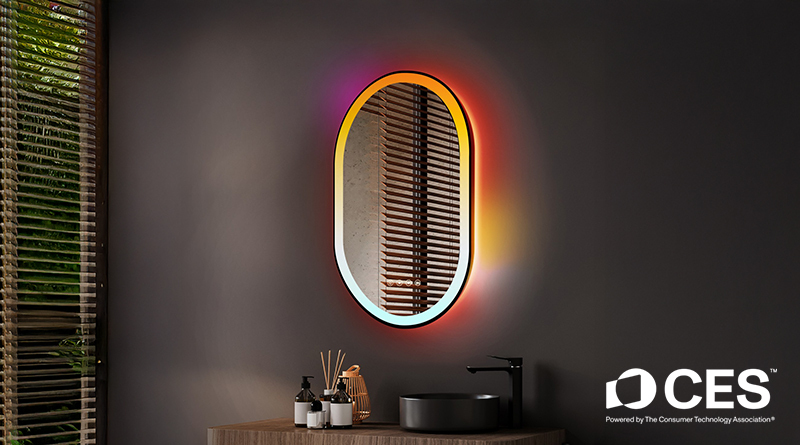
Final verdict
The LIFX SuperColor Mirror looks like one of the few smart mirrors that actually understands the room it is supposed to live in.
That is the key point.
It is not trying to be a bathroom tablet. It is not trying to impress with nonsense nobody asked for. It is trying to solve real daily needs with better lighting, smarter control, and a more flexible design. That alone puts it ahead of a lot of smart-home launches that feel more like concept sketches than products.
We like the front-and-back lighting approach. We like the Make Up Check and Anti-Fog focus. We really like the three configurable buttons, because they make the product feel usable rather than overly app-dependent. We also like the fact that LIFX is leaning into Matter and planning a Thread path later instead of boxing buyers into one narrow ecosystem.
The hesitation is still the same one we started with: price. That missing detail matters enormously here. But everything else about the product points in the right direction.
Our take is clear. If LIFX lands the pricing properly, the SuperColor Mirror could become the smart mirror to beat in 2026. And even before that final number arrives, it already looks like one of the smartest and most believable smart-home launches of the year.
FAQ
Is the LIFX SuperColor Mirror available now?
Not in broad retail form yet. It is still tied to a Q2 2026 release window, with pricing not yet announced.
How bright is the LIFX SuperColor Mirror?
LIFX positions it at 1200 lumens and 75W equivalent, which should make it meaningfully useful as a grooming mirror rather than just a decorative accent.
Does it support smart-home platforms outside the LIFX app?
Yes. The mirror supports Matter, which is a major reason it feels viable in real homes rather than trapped in one brand ecosystem.
Can it be mounted vertically and horizontally?
Yes. That flexibility is one of the mirror’s quiet strengths because it makes the product work in more than one kind of room layout.
Does it need to be hardwired?
No. LIFX says it supports both hardwired and plug-in installation, which should make it easier to fit different spaces and budgets.
What makes this different from a regular illuminated mirror?
The big differences are the split between front and rear lighting, the smart-home integration, the three configurable buttons, and purpose-built modes like Make Up Check and Anti-Fog.
Is this a good fit for people who do not care about smart-home features?
Probably not. If you just want a simple mirror with light and defogging, this may be more product than you need.
What is the biggest thing holding it back right now?
Price uncertainty. The feature set is strong. The design logic is strong. But until LIFX confirms the price, the final value judgment stays slightly open.
Explore the Full Gallery
Every image from this article, gathered in one clean place. Tap any photo to open it larger.