



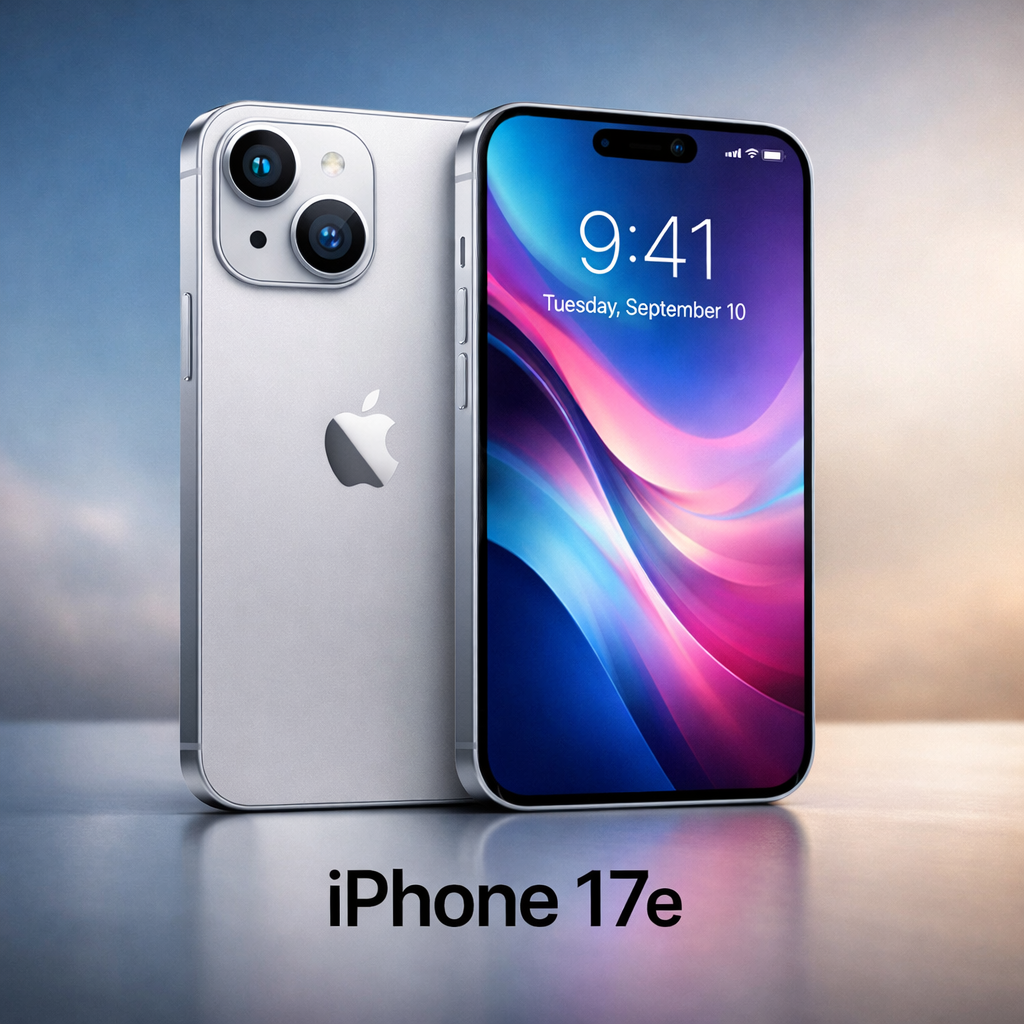

Apple’s iPhone 17e is the cheaper model in the iPhone 17 family, and this time Apple fixed the part that made the old “e” phone hard to recommend. It starts at $599, now includes MagSafe, begins at 256GB instead of punishingly low storage, runs on the A19 chip, and keeps the compact 6.1-inch OLED form factor. Our take is simple: this is a genuinely good buy for older iPhone owners who want a modern iPhone without climbing to flagship pricing, but it is still not the smartest pick for everyone because the regular iPhone 17 gives you a noticeably better display, a more flexible camera system, and longer battery life for $200 more.
Quick verdict
Best for:
People upgrading from an older iPhone who want strong performance, long battery life, and enough storage from day one.
Avoid if:
You care about 120Hz, Always-On display, Dynamic Island, an ultrawide camera, or getting the most complete mainstream iPhone experience.
What we liked:
The 256GB base storage, A19 performance, MagSafe/Qi2 up to 15W, a durable Ceramic Shield 2 design, and battery life that reviewers consistently describe as comfortably all-day.
What disappointed us:
The screen is still 60Hz, the rear camera is still a single-lens setup, and the regular iPhone 17’s step-up features are not minor luxuries this year; they are things you will actually notice.
Final verdict:
The iPhone 17e is no longer the awkward “cheap iPhone” compromise. It is a good phone on its own merits. But it is a great buy only for the right person — namely someone who wants to spend less and does not care about the smoother, fancier, more flexible experience the standard iPhone 17 now delivers.
What is confirmed
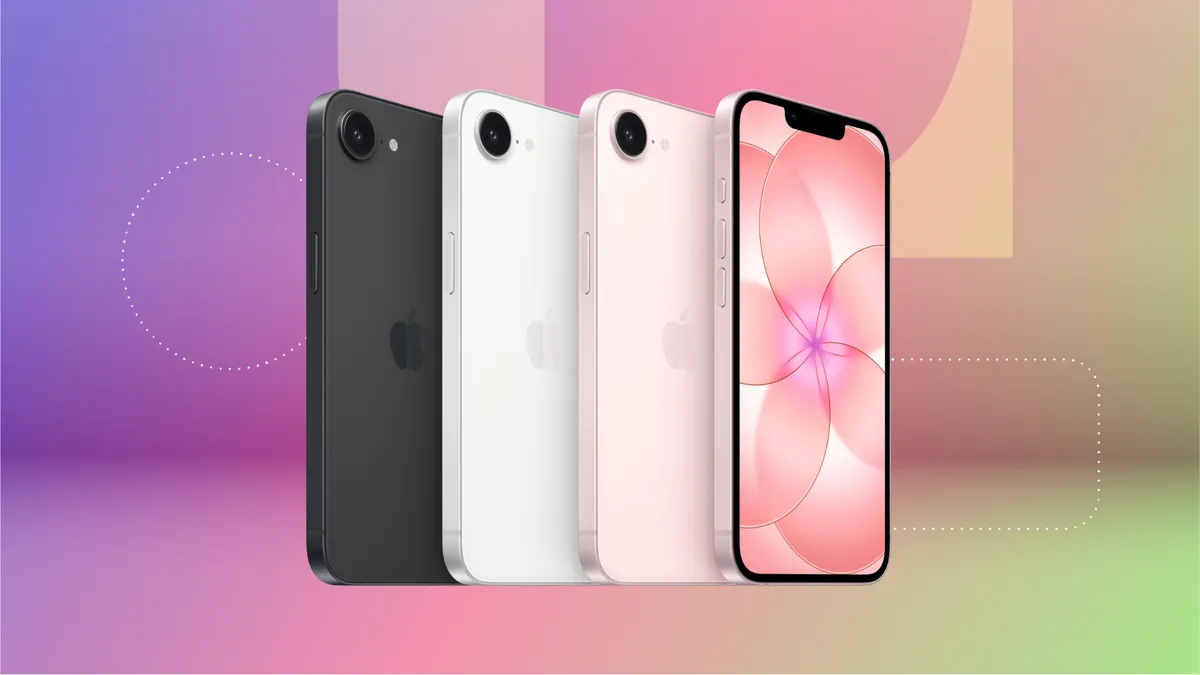
Apple’s spec sheet tells you almost everything important upfront. The iPhone 17e has a 6.1-inch Super Retina XDR OLED display at 2532 x 1170, an A19 chip with a 6-core CPU, 4-core GPU, and 16-core Neural Engine, 256GB or 512GB of storage, a 48MP Fusion main camera with a 12MP 2x telephoto crop, a 12MP TrueDepth front camera, USB-C, MagSafe and Qi2 wireless charging up to 15W, IP68 water resistance, an Action button, and Apple’s official battery claim of up to 26 hours of video playback. It ships in black, white, and soft pink.
Design and build quality
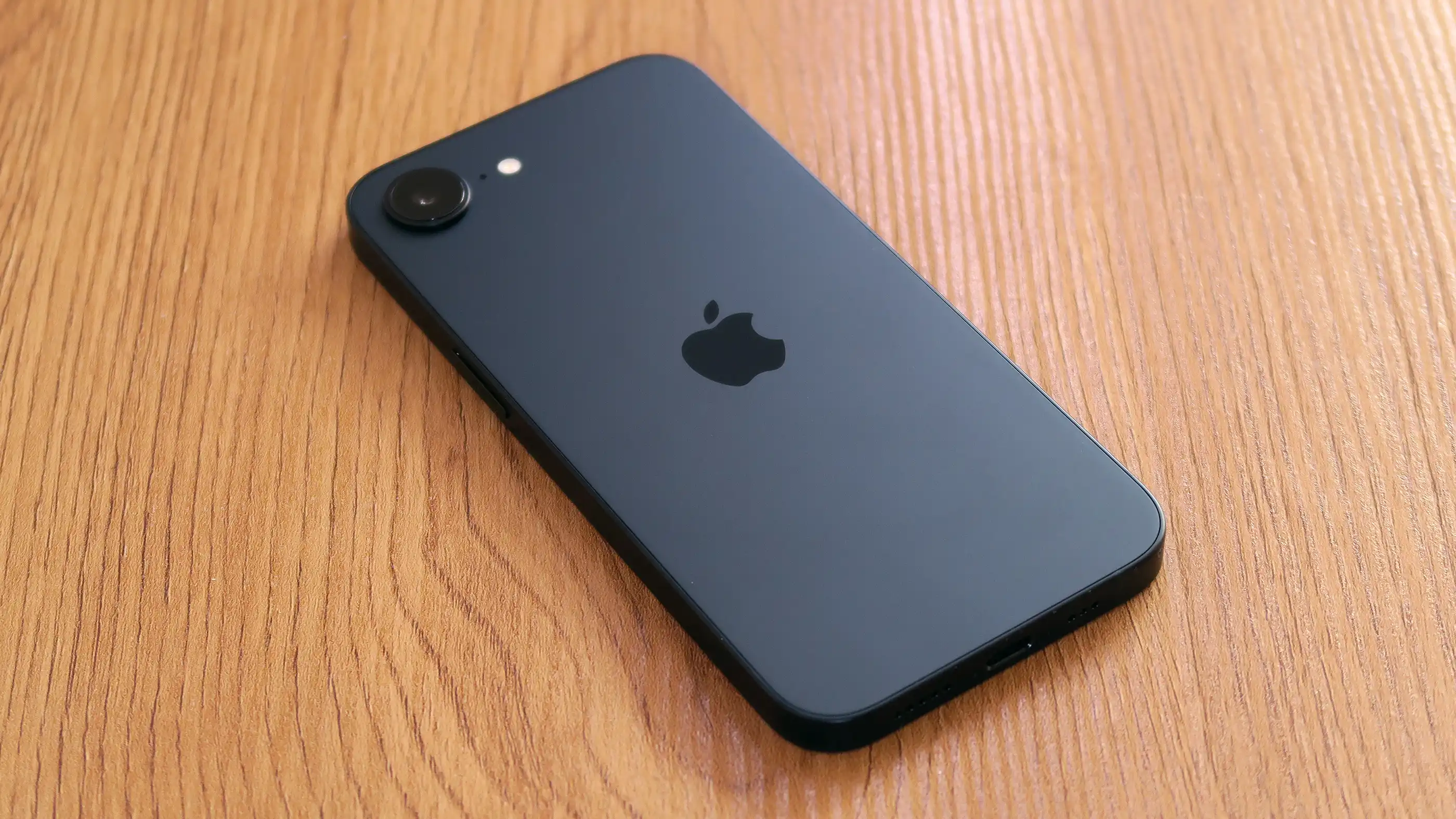
This is still the compact-value iPhone rather than the flashy one, and that is part of its appeal. The body keeps an aluminum frame, a glass back, and Apple’s newer Ceramic Shield 2 front protection, while staying basically the familiar iPhone size at 146.7 x 71.5 x 7.8mm and about 169g. In real buying terms, that means the 17e feels less like a stripped-down relic and more like a modern iPhone that simply omits premium extras rather than basic quality. That matters, because the old budget-iPhone formula often felt cheap in the wrong places. This one does not.
Display and everyday feel
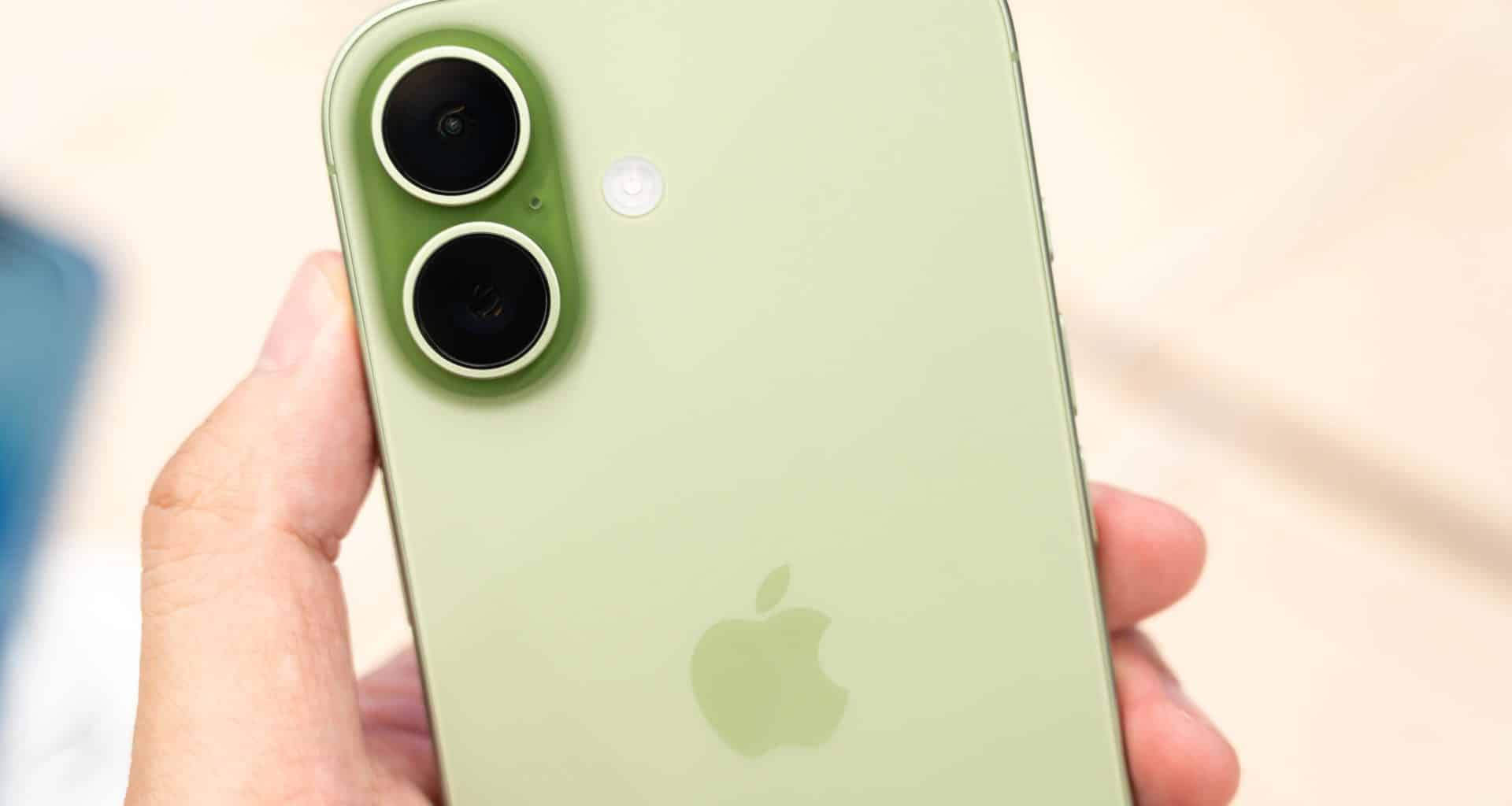
The display is where Apple saved money, and it is also where the iPhone 17e feels most obviously non-premium. On paper, the panel itself is still solid: 6.1 inches, OLED, sharp, color-rich, and perfectly fine for video, reading, and daily use. The problem is that it stays at 60Hz, while the regular iPhone 17 now gives you Dynamic Island, Always-On display, and ProMotion up to 120Hz on a larger 6.3-inch panel. That gap is no longer a spec-sheet footnote. It is one of the first differences you feel. Reviewers largely agree the 17e screen is good, but not special, and that is exactly our read too.
Performance
For the kind of buyer this phone targets, the performance story is excellent. Apple gives the 17e the A19, and early reviewers consistently found it fast enough to feel like a proper current-generation iPhone rather than a recycled lower-tier model. That is a bigger deal than it sounds, because performance lag is usually one of the first places budget phones start to feel second class. Here, the compromise is not raw speed. It is mostly the missing premium hardware around that speed. Reviewers also highlighted gaming and general responsiveness as clear strengths.
Camera performance
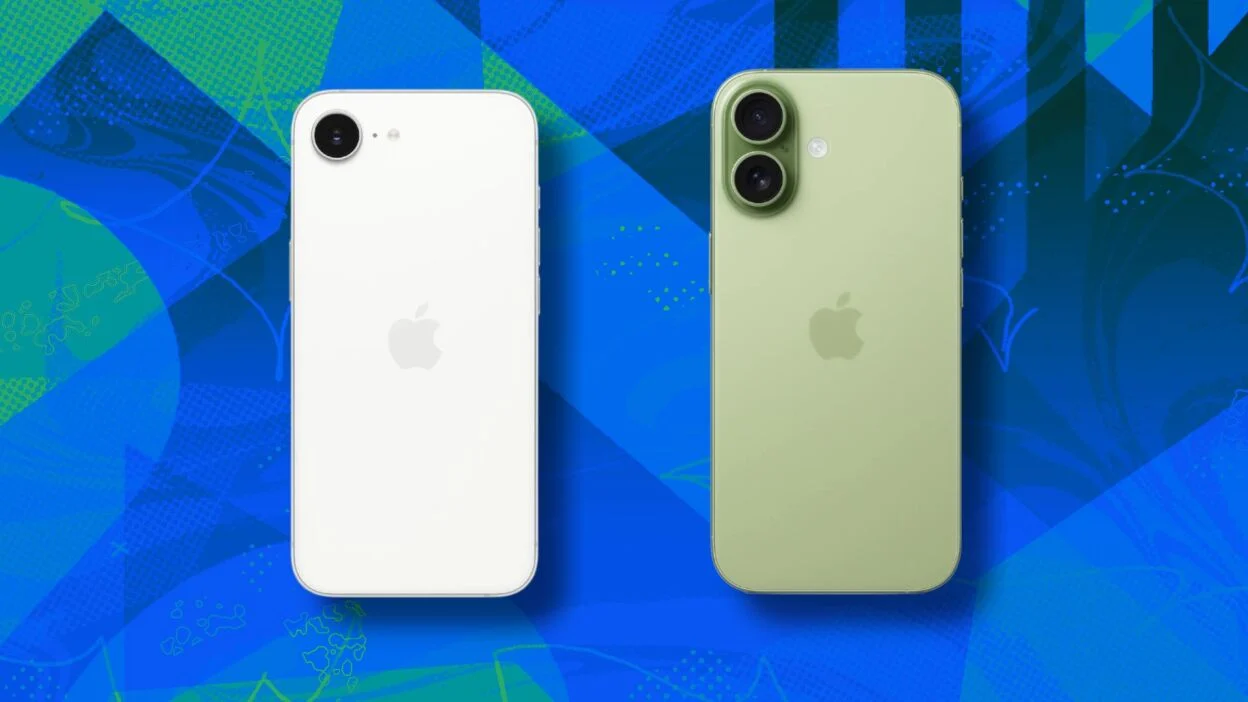
The iPhone 17e camera setup is simple but not bad. You get a 48MP Fusion main camera with optical stabilization and Apple’s usual image-processing stack, plus a 12MP 2x telephoto crop and a 12MP front camera. That gives you dependable day-to-day shots, strong portraits, and the kind of point-and-shoot consistency people expect from an iPhone. The catch is flexibility. There is no ultrawide camera here, and the regular iPhone 17 adds a 48MP ultrawide plus a much stronger 18MP Center Stage selfie camera. Reviewers mostly agree the 17e camera is capable for ordinary use, but you can see the difference once you compare it against the standard iPhone 17 or similarly priced Android phones with more versatile camera hardware.
Battery life, charging, and convenience
Battery life is one of the 17e’s strongest selling points. Apple rates it for up to 26 hours of video playback, and the review consensus backs up the idea that it is an easy all-day phone. TechRadar specifically praised the battery and noted the return of MagSafe with 15W wireless charging, while The Verge reported no battery red flags in daily use and still having around half the charge left by bedtime with moderate screen time. Tom’s Guide also found the 17e surprisingly close to the regular iPhone 17 in its battery test, at 12 hours 35 minutes versus 12 hours 47 minutes. That is the kind of result that makes the 17e feel practical rather than merely affordable.
Value for money
This is where the iPhone 17e gets interesting. At $599, with 256GB as standard and MagSafe no longer missing, the 17e is a much cleaner value proposition than the 16e ever was. Apple fixed the obvious omissions. The problem is that Apple also made the regular iPhone 17 much better. Once the mainstream model offers 120Hz, Always-On, Dynamic Island, a more advanced camera setup, and better battery specs, the 17e stops being the obvious recommendation for most people and becomes a more targeted recommendation for price-sensitive buyers. We think that is the right way to frame it: good value, not automatic value.
Who should buy it
Buy it if you are coming from an older iPhone and you want the cheapest route into a modern Apple phone that still feels current. It makes the most sense for iPhone 11, iPhone 12, and iPhone SE owners who care more about reliability, battery life, storage, and ecosystem access than they do about flashy hardware extras. It is also the better fit for someone who wants a smaller, lighter phone than the regular iPhone 17 and does not want to jump to $799 territory. That is the 17e buyer in one sentence: practical, not aspirational.
Who should skip it
Skip it if you are the kind of buyer who notices display smoothness immediately, uses ultrawide photos often, wants the better selfie camera, or plans to keep the phone for years and would rather start with the fuller feature set. In that case, the regular iPhone 17 is the better long-term buy. And if you are shopping outside the Apple ecosystem, this is also where the 17e gets harder to defend, because at roughly the same price many Android phones give you higher refresh rates and more camera hardware. The iPhone 17e wins on Apple familiarity and balance, not on raw specs per dollar.
Final verdict
The Apple iPhone 17e is the first “e” iPhone that feels properly finished. Apple corrected the missing-MagSafe mistake, raised the base storage to 256GB, kept performance strong with the A19, and delivered battery life that looks comfortably good in both official claims and early review testing. That is enough to make it a real recommendation. Our verdict, though, is a precise one: the iPhone 17e is easy to like, but it is easiest to recommend only when the extra $200 for the regular iPhone 17 is either out of budget or simply not worth it to you. For the right buyer, this is a smart purchase. For the average buyer with a bit more room to spend, the regular iPhone 17 still looks like the better call.
FAQ
Is the iPhone 17e worth buying?
Yes, if you want a modern iPhone at the lowest current entry price and you do not care much about a 120Hz display or a more versatile camera. No, if you are already close to buying an iPhone 17, because the regular model’s upgrades are meaningful rather than cosmetic.
Does the iPhone 17e have MagSafe?
Yes. Apple added MagSafe back this year, with up to 15W MagSafe wireless charging and up to 15W Qi2 charging. That was one of the most important fixes over the 16e.
How much storage does the iPhone 17e start with?
It starts at 256GB, with a 512GB option above that. That makes the base model much easier to recommend than a budget phone starting at cramped storage levels.
Does the iPhone 17e have a 120Hz display?
No. It remains a 60Hz phone. If smooth scrolling and a more premium display feel matter to you, the regular iPhone 17 is the step-up model to look at.
How good is the iPhone 17e camera?
Good enough for most people, especially if you mainly shoot standard photos, portraits, and everyday video. But it is still a single-lens system without an ultrawide, so anyone who cares about flexibility should look higher up the lineup.