




The Google Pixel 10a is the kind of phone that makes perfect sense the moment you stop expecting drama from it. At $499, with a 6.3-inch Actua pOLED display, Tensor G4, 8GB of RAM, 128GB or 256GB of storage, a 48MP main camera, 13MP ultrawide, 5,100mAh battery, 30W wired charging, 10W wireless charging, IP68 protection, and seven years of software support, it lands exactly where a Pixel A-series phone is supposed to land: in the sweet spot between affordability and long-term peace of mind.
Our verdict is straightforward. The Pixel 10a is one of the easiest Android phones to recommend if you want a dependable daily driver that gets the fundamentals right. It looks clean, feels practical, takes reliably good photos, lasts long enough to keep battery anxiety in check, and benefits from the kind of software support most rivals in this price range still struggle to match. It is not the most exciting phone Google has made, and it is definitely not the boldest update we have seen from the A-series. But as a buying decision, it is still a very good one.
That is also what makes the Pixel 10a a slightly frustrating product. It is good because the foundation is already strong, not because Google pushed the formula forward in a major way. This is a careful upgrade, not a daring one. If you are coming from a much older phone, that will not matter much. If you already own the previous model, it matters a lot.
Still, the Pixel 10a remains a very Pixel kind of win. It is understated, practical, and built around the idea that most people do not need flashy hardware tricks nearly as much as they need a phone that simply feels right every day. In that role, the Pixel 10a is very hard to argue against.
Quick verdict
Best for: buyers who want a clean Android phone with a strong camera, long update support, dependable battery life, and a sensible price.
Avoid if: you already own a recent Pixel A-series phone, want top-tier gaming power, or care more about generational leaps than all-round consistency.
What we liked: the flat, flush-back design, the bright 120Hz display, the familiar Pixel camera quality, the improved charging, the strong battery life, and the excellent seven-year support promise.
What disappointed us: the reused Tensor G4, the familiar camera hardware, the lack of built-in magnetic accessory support, and the fact that the overall upgrade story feels more cautious than it should.
Final verdict: the Pixel 10a is not a thrilling upgrade, but it is still one of the smartest mid-range Android phones you can buy.
What informed our verdict
With a phone like the Pixel 10a, the verdict comes down to a few practical questions. Does it feel good to hold? Is the screen bright enough to be comfortable outside? Does the camera deliver the kind of consistency Pixel phones are known for? Does the battery hold up through real daily use? And perhaps most importantly, does the whole package still make sense a year or two from now?
That is where the Pixel 10a earns its place.
This is not a phone that lives or dies by benchmark bragging rights or novelty features. It wins or loses on trust. Buyers in this category are not usually chasing the most powerful chip on paper. They want something that feels polished, dependable, and worth keeping. They want a phone that takes good photos without effort, gets updates for years, survives being used as an actual daily device, and does not make them feel like they settled.
The Pixel 10a understands that brief very well. It is not flashy, but it is focused. And while Google has played this generation far too safely, the 10a still gets enough of the important things right to stay at the front of the conversation.
How we judged the Pixel 10a
The Pixel A-series has always lived in a very specific lane. It is not supposed to be the cheap version of a flagship in the traditional sense. It is supposed to be the smart version of a smartphone purchase.
That means we are not looking at the Pixel 10a the same way we would look at a top-end Pixel Pro or an expensive foldable. We care less about whether it dominates a spec sheet and more about whether it makes sense for the person actually spending $499 on a phone.
So our judgment here leans heavily on buyer impact. We care about whether the design is practical, not just whether it photographs well. We care about whether the display is comfortable in the real world, not just whether the brightness figure looks impressive in marketing. We care about whether the cameras are reliable shot after shot, not just whether the phone can produce one dramatic sample under perfect conditions. We care about whether the battery and charging are good enough to make ownership easier. And we care about whether Google has made this phone feel durable as a purchase, not just new.
Through that lens, the Pixel 10a is a success. It is just a slightly unimaginative one.
Design and build quality
The design is one of the Pixel 10a’s best qualities, and also one of its most sensible. Google did not try to reinvent anything here. Instead, it refined the phone into something cleaner and more practical than a lot of pricier rivals.
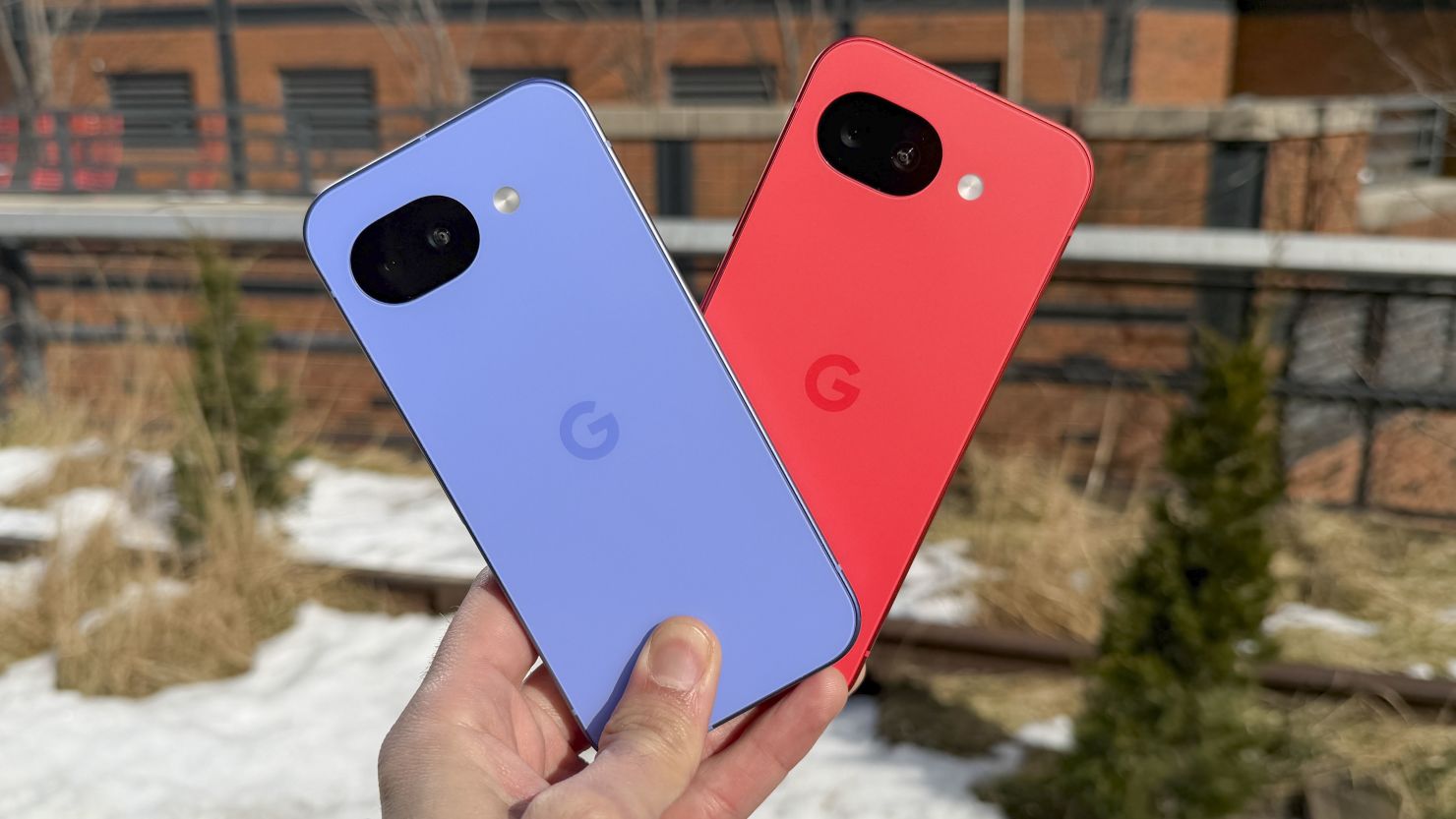
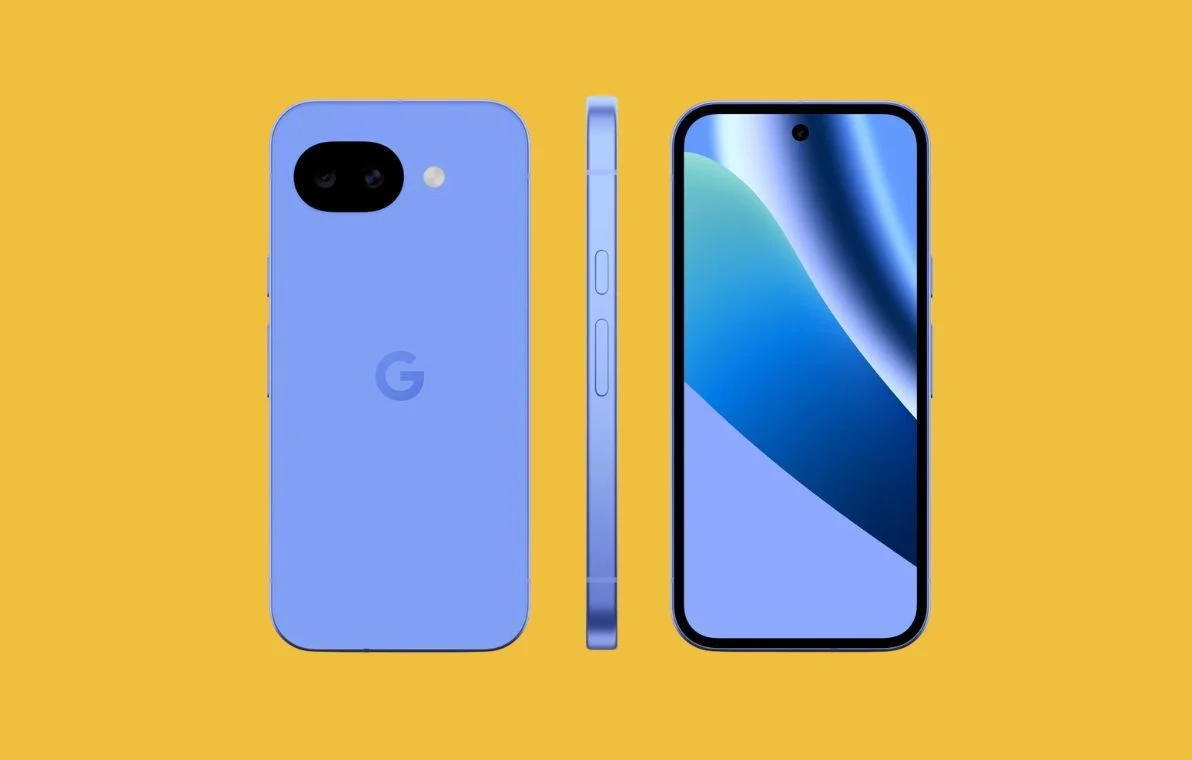
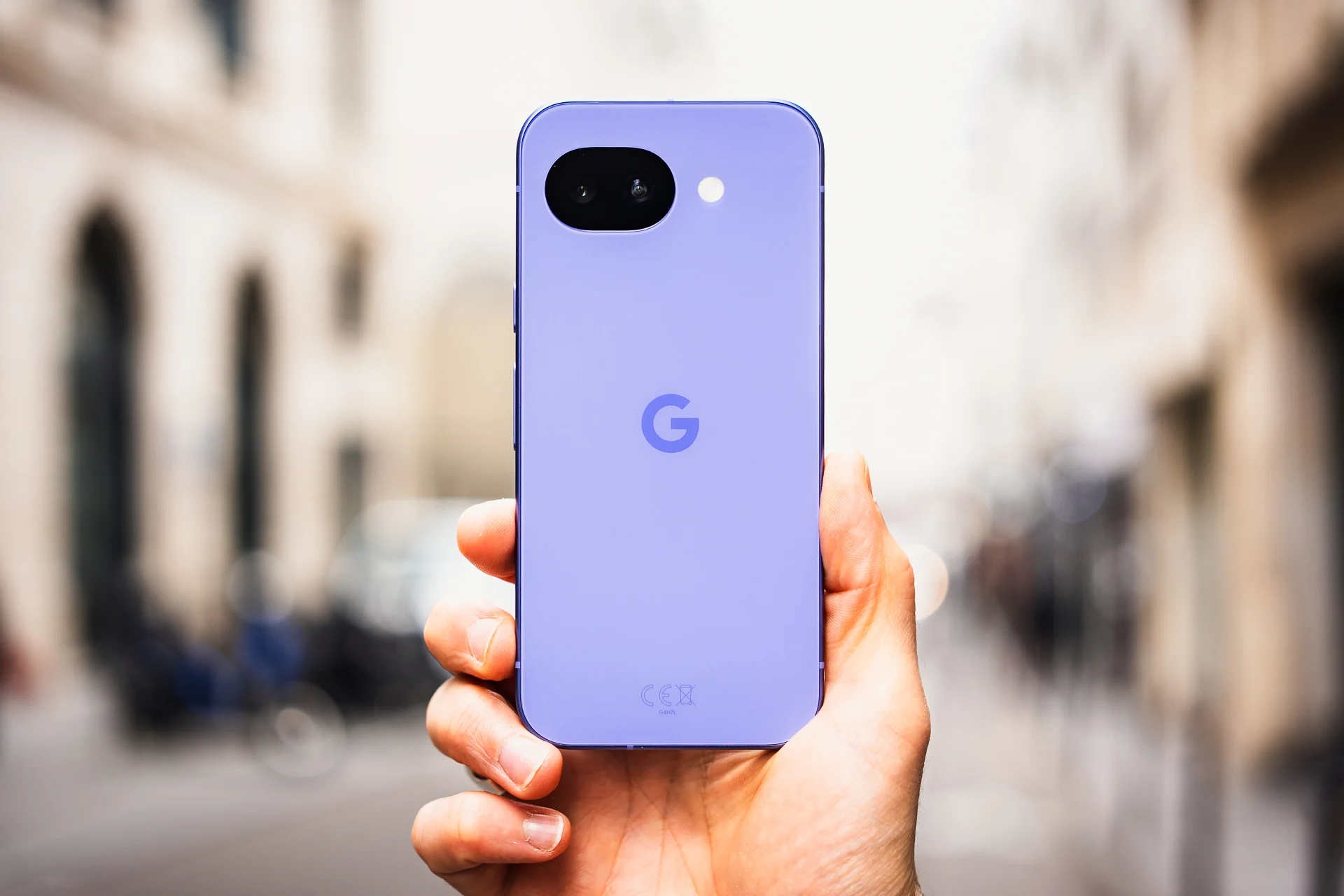
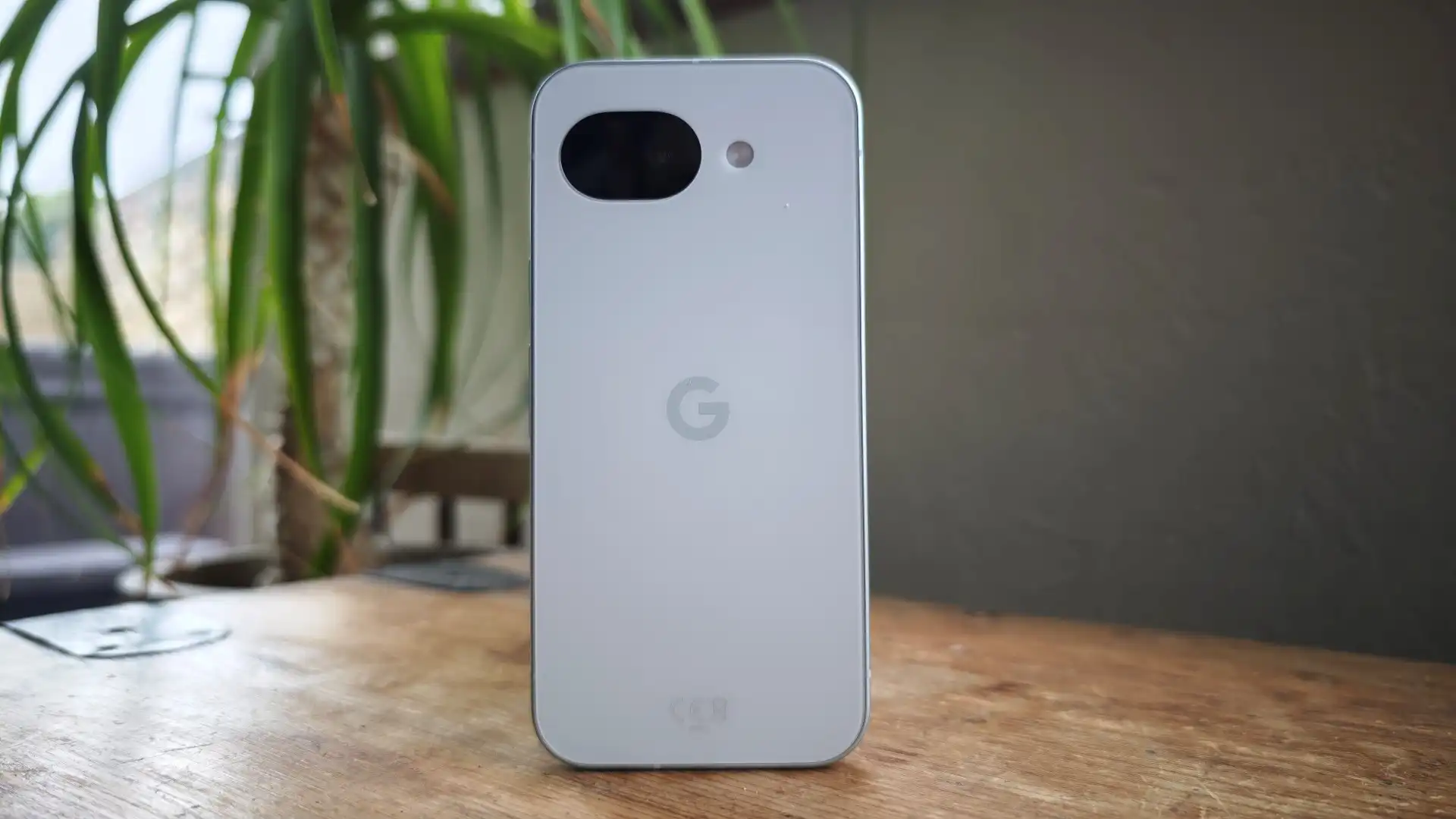
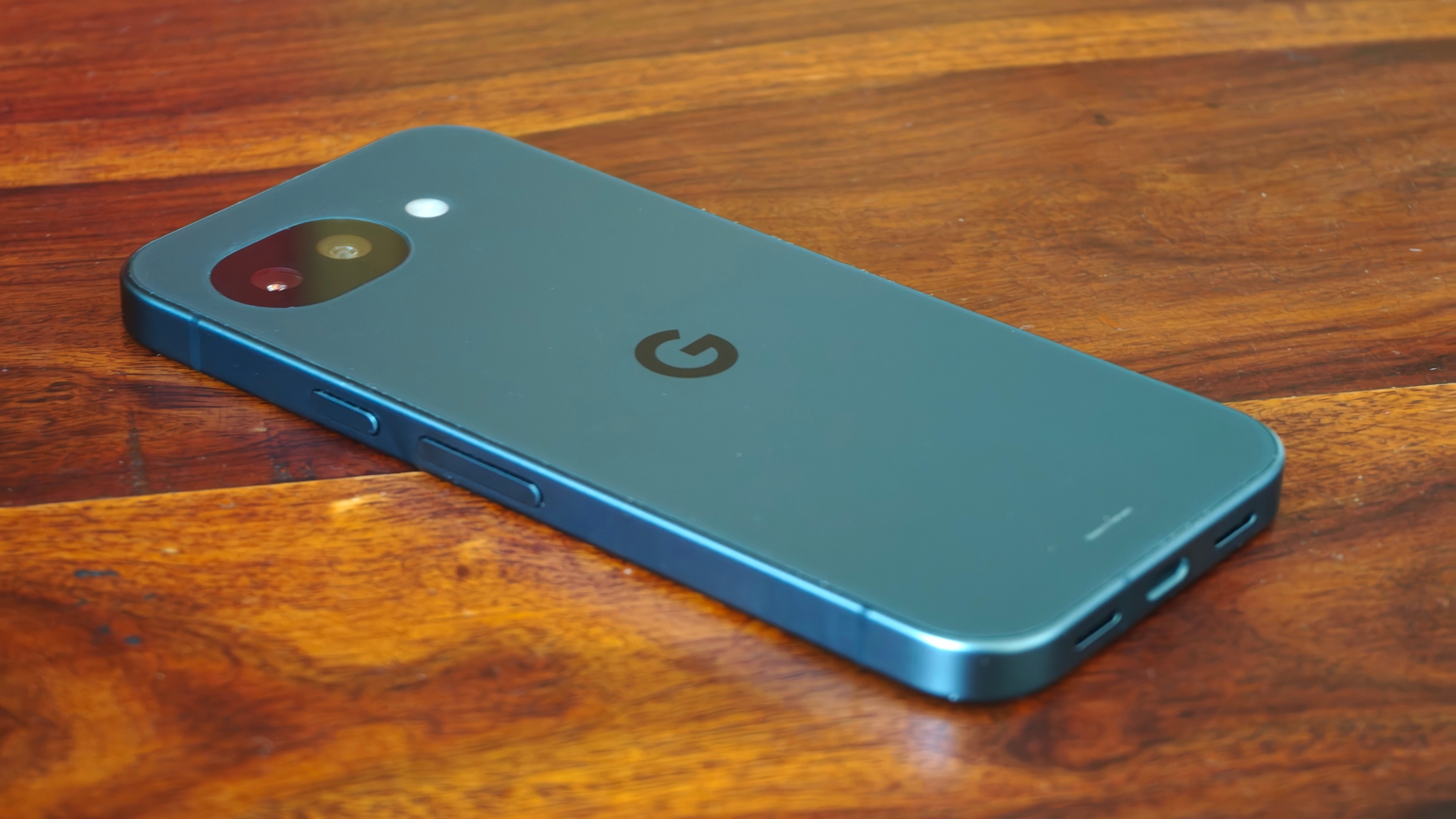
The first thing that stands out is the back. The camera sits fully flush instead of rising out of the chassis in the usual awkward hump. That sounds like a small detail until you actually think about how most phones behave in daily use. A flush camera means the phone sits properly on a table, feels tidier in the hand, and avoids the visual clutter that camera islands bring to almost every modern phone design. We think Google deserves real credit for this choice. Too many phones chase “premium” through bulk and visual noise. The Pixel 10a goes the other way, and it is better for it.
The rest of the build follows the same philosophy. The front uses Gorilla Glass 7i, the frame has a satin aluminum look, and the phone carries an IP68 rating for dust and water resistance. At 183g, it feels substantial without crossing into the heavy, brick-like territory that some mid-range phones fall into when they overcompensate with thick hardware and oversized camera modules. The proportions are comfortable, the shape is easy to live with, and the overall impression is cleaner than flashy.
We also like that Google did not make the Pixel 10a look overly serious. The color options give it some personality without turning it into a toy. That matters more than it sounds. In the mid-range market, a lot of phones either look aggressively bland or oddly loud. The Pixel 10a finds a better middle ground.
The one obvious miss is the lack of built-in magnets for accessory support. That omission does not ruin the phone, but it does make the Pixel 10a feel slightly more limited than the rest of the broader Pixel family. In 2026, magnetic accessory convenience is no longer a niche extra. It is part of how a lot of people use their phones in cars, on desks, and around the house. Leaving that out feels like deliberate product segmentation.
Even so, the overall design is one of the Pixel 10a’s strongest selling points. It does not look expensive in the loud, overstyled way some brands chase. It looks considered. And for a phone meant to be lived with, that is the better kind of design.
Setup and first use
One of the quiet strengths of any Pixel is that it tends to feel simple before it feels impressive. The Pixel 10a continues that pattern. It launches with Android 16, and that matters because the whole experience feels cleaner and more focused than what you get from a lot of Android phones in this price bracket.
There is less clutter, less visual noise, and less of that feeling that the software is constantly trying to advertise itself to you. That has been part of Pixel’s appeal for years, and it remains one of the reasons these phones are so easy to recommend to people who want Android without the bloat.
The first-use experience benefits from that simplicity. Moving over from an older phone should feel straightforward, and the broader Google ecosystem integration still works in the Pixel’s favor. Features like Quick Share, Google account syncing, and the usual Pixel conveniences make the phone feel approachable rather than technical. That is important because mid-range buyers are often not looking for a hobby. They want a phone they can set up and trust.
Google is also leaning heavily into AI here, as expected. The Pixel 10a gets Gemini, Gemini Live, Circle to Search, and a familiar set of photo and software tools that are meant to make the phone feel current rather than stripped-down. On the one hand, that works. The Pixel 10a does not feel like a bare-bones budget model. It still feels recognizably part of Google’s broader Pixel strategy.
On the other hand, this is not the full-fat AI experience you get higher up the lineup. The hardware combination of Tensor G4 and 8GB RAM means there are limits to how far Google can go here compared with the more premium models. That is not surprising, but it is worth keeping in mind. The Pixel 10a gives you plenty of Google software polish and a good amount of modern AI convenience, but it is not the phone to buy if your main goal is getting the most advanced version of everything Google is doing on-device.
For most buyers, though, that will not matter. What they will notice is that the software feels light, modern, and easier to live with than much of the competition. That remains one of the Pixel 10a’s biggest advantages.
Display quality
The display is another area where Google made the right decisions. The Pixel 10a uses a 6.3-inch Actua pOLED panel with a 1080 x 2424 resolution and a 60Hz to 120Hz refresh rate. On paper, that is already a solid setup for a phone at this price. In practice, it makes the Pixel 10a feel quicker, brighter, and more polished than many mid-range rivals.
What matters most here is not the spec line itself but what it means for daily use. A smooth 120Hz refresh rate helps the interface feel more responsive, scrolling looks more natural, and the phone carries itself with more confidence. Mid-range phones often feel cheap when the display is the weak link. That is not the case here.
Brightness also matters a lot more than brands sometimes admit. The Pixel 10a’s display is bright enough to avoid that washed-out, squinting experience that cheaper phones often deliver outdoors. It does not need to be a headline-grabbing “best display ever” to be a good display. It just needs to be comfortable when you are out in the real world, and the Pixel 10a seems to understand that.
The panel itself also fits the overall character of the phone. It feels like a premium mid-range display rather than a budget compromise dressed up with a big number. Colors should look rich enough, motion feels fluid, and the whole front of the phone presents itself well.
There are still limits. This is not a flagship screen with ultra-thin borders and a luxury feel from every angle. The bezels are not invisible, and the overall front design still reminds you that this is a phone built to hit a price point. But that is fine. The key thing is that the screen feels like a strength, not an apology.
That is exactly where it should be.
Performance and everyday speed
Performance is the area where the Pixel 10a feels most obviously conservative. Google went with the Tensor G4, paired it with 8GB RAM, and essentially leaned on “good enough” rather than trying to create a stronger generational jump.
That choice defines the phone.
For normal use, the Pixel 10a should feel absolutely fine. The interface is smooth, apps open quickly enough, daily multitasking is not a problem, and the device has enough power to avoid feeling strained under ordinary workloads. For the person who mostly wants messaging, photos, maps, browsing, social apps, streaming, and everyday phone tasks to feel clean and stable, the Pixel 10a should have no trouble delivering.
But this is also the easiest place to feel the difference between a competent phone and an ambitious one. The Tensor G4 is not new territory for Google, and because of that, the Pixel 10a does not really sell itself as a meaningful performance upgrade over what came before. It is not a power phone. It is not a gaming-first device. And it is not the phone we would point buyers toward if they want maximum headroom for the future.
That does not kill the product. It just sharpens the audience for it.
If you are buying a phone in this category, there is a good chance you are not buying for benchmark glory anyway. You are buying because you want the phone to feel fast enough, stay stable, and remain pleasant over time. The Pixel 10a can do that. The frustration is simply that Google could have made it more future-proof and chose not to.
That becomes especially relevant when you consider the seven-year update promise. Long support is excellent, and Google deserves praise for it. But there is a difference between a phone being supported for seven years and a phone feeling fresh for seven years. The Pixel 10a should age well in software terms, but its chip already feels more like a holdover than a forward-looking decision.
So the performance story is a mixed one. In daily use, it should be more than enough for most people. In generational terms, it is underwhelming. We think both things are true, and buyers should go in with that clear distinction in mind.
Camera performance
The camera remains the core reason to care about a Pixel A-series phone, and the Pixel 10a still plays that role well.
The setup is familiar: a 48MP main camera, a 13MP ultrawide, and a 13MP front camera, with support for 4K video, Night Sight, Astrophotography, Portrait Mode, Macro Focus, Super Res Zoom, Magic Eraser, Add Me, and the rest of Google’s increasingly broad toolbox of imaging features.
The first thing to understand is that the Pixel 10a does not reinvent the camera formula. This is not a dramatic hardware leap. If you were hoping for a major sensor jump or a huge photographic overhaul, this is not that phone. Google has kept the formula familiar, and in pure upgrade terms that is a little disappointing.
But the reason Pixel cameras stay relevant is not because Google constantly throws new hardware at the problem. It is because Pixel phones have long been unusually good at delivering dependable results without forcing the user to work for them.
That is the strength here. The Pixel 10a should still be the kind of phone that consistently gives you sharp, balanced, natural-looking shots without much effort. That matters more than gimmicks. A lot of mid-range phones can produce flashy photos in ideal light. Fewer can be trusted across mixed conditions, moving subjects, indoor scenes, night shots, and the kind of casual point-and-shoot use that real owners actually care about.
We also like Google’s general image philosophy more than the overprocessed look that many rivals fall into. Pixel photos tend to avoid the worst sins of aggressive smartphone photography. They do not usually push scenes into cartoon territory, and they are less likely to bleach the mood out of a low-light shot just to make it look “brighter.” That gives Pixel images a more grounded, more believable quality, and that remains part of the brand’s appeal.
Video sounds improved in a few useful ways too, especially in stabilization. That is not the kind of upgrade that drives headlines, but it is exactly the kind of refinement that makes casual video capture feel better in practice. We will take better stabilization over another AI camera gimmick any day.
Speaking of AI, Google continues stacking camera-side tools into the experience. Features like Camera Coach, Magic Eraser, Add Me, and Auto Best Take are meant to make the camera feel smarter and more forgiving. Some of these features are genuinely useful in small doses. Some are easier to admire on a product page than to rely on every day. That is the reality of phone AI right now. It can improve the experience around the edges, but the main reason to trust the Pixel 10a camera is still the same old reason: it gets the basics right.
If there is a weakness, it is that the camera system is more steady than exciting. Zoom is not where this phone shines, and buyers chasing a major photographic leap will not find it here. But for the price, the Pixel 10a still looks like one of the safest camera bets in the category. And for most people, safe and consistently good beats flashy and inconsistent every time.
Battery life and charging
Battery life is one of the most reassuring parts of the Pixel 10a package. Google pairs the phone with a 5,100mAh battery, and that is the kind of capacity that immediately gives this device a stronger foundation than a lot of mid-range rivals that still flirt with being merely “acceptable” on endurance.
The Pixel 10a does not need to be sold as some outrageous two-day monster to make a strong impression. It just needs to be the kind of phone that gets through a normal day comfortably, and everything about the package suggests that it should. That matters because battery life is one of the fastest ways a good phone can turn into an annoying one. No matter how nice the camera or software is, people do not stay happy with a phone that constantly makes them think about charging.
The Pixel 10a looks better positioned than that. The battery size, combined with Google’s generally disciplined software experience, should make it feel dependable rather than stressful. That is exactly what we want from this category.
Charging also gets a welcome step forward. 30W wired charging is not class-leading in the wider Android world, but it is meaningful here, especially compared with the slower charging habits that sometimes make more affordable phones feel stuck in the past. 10W wireless charging is also important. Wireless charging still matters to buyers who want convenience on a desk or bedside table, and too many phones at this price either omit it entirely or treat it as an afterthought.
Again, the Pixel 10a is not trying to dominate this area with wild numbers. It is just trying to be good enough in the ways that make ownership easier. That is the recurring theme with this phone, and it works here too.
Convenience, comfort, and long-term ownership
This is where the Pixel 10a becomes especially easy to like. It is not just that the phone looks clean or that the software feels light. It is that the whole product seems designed around being easy to live with.
The flat back helps. The manageable weight helps. The simple, uncluttered Pixel software helps. The fact that the camera does not make the phone wobble on a table helps. These are not glamorous things, but they shape how the phone feels after the novelty wears off.
Then there is the long-term ownership story, and this is where Google remains ahead of much of the mid-range field. Seven years of operating system updates, security patches, and Pixel feature drops is a serious commitment. It makes the Pixel 10a feel less like a short-term bargain and more like a sensible investment for buyers who do not replace their phones every year.
That promise matters because mid-range buyers often keep phones longer. They are more likely to ask whether a device will still feel supported in three or four years. On that front, Google gives the Pixel 10a a strong answer.
The rest of the feature set reinforces that long-term value. IP68 water and dust resistance, wireless charging, dual SIM support, modern connectivity, and the broader Pixel software experience all make the phone feel complete rather than strategically crippled. Yes, some premium extras are missing, and yes, the chip choice limits the sense of future-proofing a little. But the overall ownership case is still strong.
In daily life, that probably matters more than the lack of fireworks in the upgrade story.
Flaws and frustrations
The Pixel 10a’s biggest weakness is simple: it is too safe.
Google has built a good phone here, but it has done so by leaning heavily on a formula that already worked. The result is polished, but it is also harder to get excited about than it should be. The reused Tensor G4 is the clearest example. It does the job, but it does not push the phone forward in a meaningful way. The familiar camera hardware tells a similar story. The Pixel 10a is good because Google did not break what already worked, not because it made a bold new case for itself.
That becomes especially noticeable for anyone looking at the phone as an upgrade rather than a fresh purchase. If you already own the previous generation, the 10a does not really present a compelling reason to move. It is better in some areas, cleaner in its design, and more polished around the edges, but it does not feel like a new chapter. It feels like a tidy revision.
The other frustration is that Google’s product segmentation is becoming easier to see. The missing magnetic accessory support, the more limited AI package compared with the higher-end Pixel 10 models, and the reused performance platform all contribute to a sense that Google knows exactly how much phone it wants to give you here and not a bit more. That is understandable from a product strategy angle, but it can make the Pixel 10a feel slightly held back.
None of these flaws ruin the phone. But they do keep it from feeling like the knockout mid-range release it could have been.
Value for money
Even with all of those complaints, the Pixel 10a still makes a strong value case.
At $499, you are getting a phone with a bright 120Hz OLED display, a dependable camera system, a clean and modern Android experience, wireless charging, water resistance, a comfortable design, and one of the best long-term support promises in the market. That is a lot of value packed into a phone that does not need to shout about it.
This is where the Pixel 10a wins. It is not trying to beat flagship phones at their own game. It is trying to be the phone that makes the most sense when you want to spend smartly, and it succeeds.
The only real complication is internal competition. If a recent Pixel A-series model is available at a meaningful discount, the Pixel 10a’s conservative upgrade path makes the value conversation less clear-cut. But taken on its own, as a phone entering the market today, it still lands as one of the strongest all-round offers in its class.
That is not because it has no weaknesses. It is because its strengths are the ones that actually matter to most buyers.
Pros and cons
Pros
- Excellent overall value at $499
- Clean, practical design with a fully flush camera
- Bright 120Hz OLED display
- Reliable Pixel camera quality
- Strong battery life with improved charging
- Wireless charging and IP68 protection
- Seven years of software support
- Clean Android 16 experience
Cons
- Very modest upgrade over the previous generation
- Tensor G4 feels safe rather than ambitious
- Camera hardware does not move the story forward much
- No built-in magnetic accessory support
- Not the best choice for gaming or performance-focused buyers
- Some premium Pixel features stay out of reach
Who should buy it
The Pixel 10a is for the buyer who wants a phone that feels well judged. It is for someone who values camera reliability, clean software, useful battery life, and long support more than raw performance bragging rights. It is especially well suited to people moving from an older mid-range Android phone, a fading Pixel from several generations back, or a basic iPhone who want something modern without spending flagship money.
It is also a great fit for buyers who keep phones for a long time. The update promise alone makes it easier to justify than many rivals.
Who should skip it
If you already own a Pixel 9a, this is probably not your upgrade. The improvements are real, but they are not dramatic enough to make the switch feel necessary.
You should also skip it if your priorities are gaming power, the most advanced AI experience Google offers, or major year-on-year hardware excitement. The Pixel 10a is a smart, stable phone. It is not a thrill ride.
Final verdict
The Google Pixel 10a is a very good phone and a slightly disappointing upgrade. Both ideas can live side by side, and together they tell the real story.
As a product in isolation, the Pixel 10a is easy to recommend. It looks better than a lot of mid-range rivals, feels more practical than most of them, takes better photos than many of them, and comes wrapped in a cleaner software experience with unusually strong long-term support. For $499, that is a compelling package.
As the next step in Google’s A-series story, though, it feels overly careful. The phone is polished, but it rarely feels bold. It refines rather than reinvents. It improves without surprising. It is the kind of phone you admire for being sensible, not the kind you get excited about because it changed the game.
Still, our final take is clear: if you need a new mid-range Android phone today, the Pixel 10a remains one of the best choices in the category. It may not be the most ambitious phone Google has made, but it is one of the easiest to recommend. For most buyers, that matters more.
FAQ
Is the Google Pixel 10a worth buying?
Yes. If you want a well-rounded Android phone around $500, the Pixel 10a is one of the strongest options available. It gets the essentials right and backs them with long software support.
What processor does the Pixel 10a use?
The Pixel 10a uses the Tensor G4 with 8GB of RAM. It is capable enough for everyday use, but it is not a major leap forward in performance.
Is the Pixel 10a camera good?
Yes. The Pixel 10a remains one of the safer camera choices in the mid-range market. It is not built around huge hardware upgrades, but it still delivers the kind of reliable image quality Pixel phones are known for.
Does the Pixel 10a support wireless charging?
Yes. It supports 10W wireless charging, which is a welcome feature at this price.
How long will the Pixel 10a be supported?
Google promises seven years of software and security support, which is one of the best update commitments in the category.
Should Pixel 9a owners upgrade?
In most cases, no. The Pixel 10a is a better phone overall, but the upgrade is too small to feel necessary if you already own the previous model.